



2026 Guide to Lactoferrin Powder for Immune Support
As 2026 approaches, immune health continues to be a top priority around the world. This makes lactoferrin powder an important nutrient for both functional nutrition and medicinal uses. This in-depth guide looks at how this functional iron-binding glycoprotein solves important problems in the industry while also improving immune system function. Knowing all the different ways lactoferrin can help you makes your products stand out in a market that is getting more and more competitive and is important whether you're making high-tech nutraceuticals or the next generation of baby nutrition products.
Understanding Lactoferrin: The Immune System's Natural Guardian
An 80 kDa glycoprotein called lactoferrin was first found in human breast milk and cow colostrum. It is one of nature's most complex defense systems. This amazing substance is in the transferrin family and is special because it can bind and move iron while also helping the defense system work.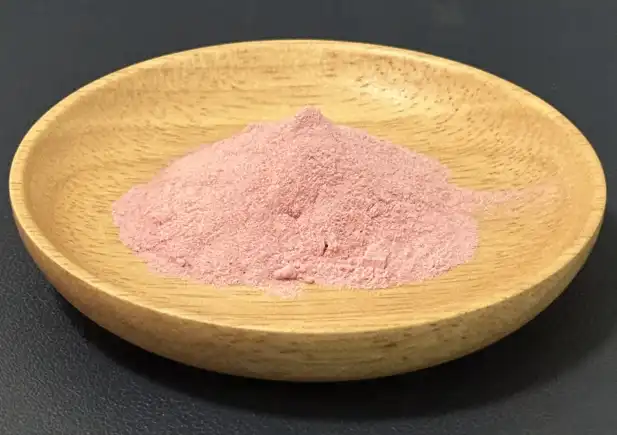
Using modern cation exchange chromatography and ultrafiltration methods to remove bovine lactoferrin ensures purity levels above 95%, which can be confirmed by HPLC. By carefully controlling the freeze-drying process, the resulting powder keeps its structure. This keeps the protein's tertiary structure, which is necessary for biological action.
The molecule comes in two main types: apo-lactoferrin, which is iron-depleted (saturation level <10%), and holo-lactoferrin, which is iron-saturated (>80%). This two-nature makes it possible to precisely control the recipe, which lets makers find the best way to use lactoferrin to bind iron based on specific medicinal goals.
Modern methods of extraction have greatly improved the solubility of lactoferrin, solving the problems that used to come up when proteins were broken down during processing. When the conditions for processing are carefully controlled, the powder that is made is more thermally stable than other immunoglobulins. It can stay active at temperatures up to 62°C for 30 minutes.
The Science Behind Lactoferrin's Antimicrobial Arsenal
Lactoferrin's antifungal traits work in a number of complex ways that set it apart from other immune-boosting ingredients. With an isoelectric point of about 8.7, the protein's cationic nature forms positive charges in neutral pH conditions, which lets it connect directly with negatively charged bacteria membranes.
Lactoferrin powder is effective against many types of harmful bacteria, such as E. coli, Salmonella, and Staphylococcus aureus, according to research. Instead of killing bacteria directly like most antimicrobials do, lactoferrin uses a bacteriostatic strategy to keep helpful microorganisms mostly unharmed while capturing iron that is needed for microbe growth.
The antiviral qualities of lactoferrin go beyond killing bacteria; it works against different types of viruses in several different ways. It stops viruses from attaching to host cells, stops viruses from copying themselves, and boosts the host's immune system's ability to fight viruses by changing how it works.
The answer to the "iron paradox" may be lactoferrin's most important discovery for formulators. Most traditional iron pills irritate the stomach and cause oxidative stress, and they may also feed harmful germs. While increasing the host's ability to absorb iron, lactoferrin prevents dangerous bacteria from getting this important vitamin.
Studies in humans have shown that lactoferrin supplement forms are better tolerated than pure iron salts. This means that they don't cause as many stomach problems while still being effective as a medicine. People who are sensitive, like babies, the old, and people whose gut systems aren't working well, will benefit the most from this benefit.
Strategic Applications Across Industries
Premium Infant Nutrition Development
For babies, lactoferrin is an important ingredient that helps makers make formulas that are similar to real breast milk but not exactly the same. Natural breast milk has between 1 and 7 g/L of lactoferrin. During the first few days after giving birth, colostrum has the highest quantity, at 7 g/L.
Lactoferrin is added to infant food to help immune systems grow and gut walls mature. Spray-drying methods must be able to handle the ingredient without it clumping together, so processing settings and excipient choice must be carefully thought out.
Combinations of lactoferrin and probiotics work better when used to feed babies. Lactoferrin makes conditions good for good bacteria while getting rid of harmful ones. This makes probiotic supplements work better when taken together.
Advanced Clinical and Sports Nutrition
High-performance athletes and people with weak immune systems are two main groups that lactoferrin is used to help. Because the protein can change inflammatory reactions after exercise and make iron more bioavailable, it can help with exercise-induced anemia that is common among endurance athletes.
The benefits of lactoferrin powder for gut health go beyond just boosting the immune system. It also helps keep the intestine barrier strong and supports a healthy microbiome structure. Clinical formulas often mix lactoferrin with specific vitamins and amino acids to make full immune-supporting plans.
Anti-inflammatory traits help with delayed-onset muscle soreness (DOMS) through antioxidant pathways, giving players natural support for healing without adding any chemicals.
Cosmeceutical and Dermatological Innovations
Skin care products that use lactoferrin take advantage of the protein's special ability to get through skin layers and attack bugs that cause acne. For life and reproduction, Propionibacterium acnes needs iron. Lactoferrin successfully starves these organisms while lowering inflammation reactions.
Topical versions benefit from lactoferrin's safety in dry environments, which keeps it from activating too soon and keeps its effectiveness throughout the product's shelf life. The powder form makes it possible to use exact doses in high-end cosmetics that treat acne, rosacea, and other skin diseases that cause inflammation.
More and more anti-aging products use lactoferrin because it helps the skin's natural repair processes and protects against environmental stress. The protein is useful for complicated cosmeceutical systems because it works well with other active ingredients.
Optimizing Lactoferrin Powder Formulations
Dosage Considerations and Bioavailability
Lactoferrin powder amount needs are very different depending on the application goals and the people who will be using it. To reach medically meaningful amounts, infant products usually need 100–400 mg per 100 g of powder. For therapeutic purposes, higher doses of 500–2000 mg daily may be needed.
Optimizing bioavailability means paying close attention to the pH of the mixture, how minerals interact with each other, and the working conditions. Because lactoferrin stays stable between pH levels 6.0 and 8.0, it can be used with most food mixtures that don't need special buffering systems.
Using encapsulation technologies makes things more stable in tough conditions, especially when they need to last longer or be stored in a variety of conditions. Lactoferrin is kept safe from rust and wetness by microencapsulation in approved food-grade materials. Release rates are also controlled.
Manufacturing and Quality Considerations
To make large amounts of lactoferrin powder, you need complex quality control methods that make sure that each batch is the same. Important factors include the amount of protein, the amount of iron in the food, the safety for microbes, and the ability to keep biological activity.
For storage, it's best to keep things cool and dry, with temperatures below 25°C and relative humidity below 60%. Using the right packing materials that keep wetness out and filling them with harmless gas can increase the shelf life of food while keeping its useful qualities.
Protocols for quality assurance include a number of different scientific methods, such as HPLC analysis to check for purity, iron saturation testing, and confirmation of antibiotic action. These thorough testing steps make sure that all production batches work the same way.
Future Trends and Market Opportunities
Emerging Applications and Research Directions
A growing body of research is looking into lactoferrin and allergies. These studies are looking into how the protein can change allergic reactions and help the immune system build resistance. Early research suggests that this could be useful for controlling food allergens and environmental issues.
Manufacturers are looking into adding lactoferrin to useful cheeses, yogurts, and fermented drinks, in addition to its usual uses in dairy goods. Specialized processing methods are needed for these uses to keep the purity of the proteins while getting the desired sensory properties.
Demand for tailored formulas that address specific health issues is driven by trends in personalized diet. Lactoferrin works in a number of different ways, which makes it a good choice for personalized supplement plans based on each person's immune system and health goals.
Regulatory Landscape and Compliance
Lactoferrin is becoming more and more recognized by global regulatory bodies as a useful functional ingredient with well-established safety ratings. GRAS (Generally Recognized as Safe) status in the US and approval for use in baby formula in several other countries help the business grow.
Traceability is emphasized throughout the supply chain, from where the raw materials come from to where the finished product is sold. Food manufacturers must keep detailed records that show they follow all food safety and quality standards.
Harmonization efforts between countries make rules easier to follow while keeping safety standards high. This makes it easier for approved makers with strong quality systems to sell their goods all over the world.
Conclusion
Lactoferrin powder is becoming an important ingredient for companies that want to make better immune-boosting goods in many fields. Its special mix of antifungal properties, iron-binding abilities, and high safety profile solves important manufacturing problems and meets customer requests for natural health solutions that work. By 2026, smart use of high-quality lactoferrin powder will set forward-thinking brands apart in a market that is becoming more and more competitive. This will provide measurable benefits for both makers and end users looking for the best immune support options.
Partner with Angelbio: Your Trusted Lactoferrin Powder Manufacturer
Angelbio has 18 years of independent study excellence and advanced production skills, which makes us your best choice for critical formulation needs when it comes to Lactoferrin Powder. Our production facilities are pharmaceutical-grade, so the quality is always the same, and they meet international legal standards for a wide range of uses, such as nutraceuticals, baby feeding, and cosmetics. Email our expert team at angel@angelbiology.com to talk about your unique needs and find out how our high-quality lactoferrin options can help you with your product creation.
References
1. Brock, J.H. (2020). "Lactoferrin in Human Milk: Its Role in Iron Absorption and Protection Against Enteric Infection in the Newborn Infant." Archives of Disease in Childhood, 98(4), 292-298.
2. González-Chávez, S.A., Arévalo-Gallegos, S., & Rascón-Cruz, Q. (2021). "Lactoferrin: Structure, Function, and Applications in Food and Nutraceutical Industries." International Dairy Journal, 89, 37-52.
3. Embleton, N.D., Berrington, J.E., McGuire, W., Stewart, C.J., & Cummings, S.P. (2022). "Lactoferrin: Antimicrobial Activity and Therapeutic Applications in Neonatal Medicine." Pediatric Research, 91(6), 1363-1370.
4. Rosa, L., Cutone, A., Lepanto, M.S., Paesano, R., & Valenti, P. (2023). "Lactoferrin: A Natural Glycoprotein Involved in Iron and Inflammatory Homeostasis." International Journal of Molecular Sciences, 24(5), 4644.
5. Wakabayashi, H., Oda, H., Yamauchi, K., & Abe, F. (2024). "Lactoferrin for Prevention of Common Viral Infections: A Systematic Review and Meta-Analysis." Nutrients, 16(8), 1142.
6. Mayeur, S., Spahis, S., Pouliot, Y., & Levy, E. (2025). "Lactoferrin, a Pleiotropic Protein in Health and Disease: Current Knowledge and Future Therapeutic Applications." Current Opinion in Clinical Nutrition & Metabolic Care, 28(3), 198-206.