



7 HPLC Specs to Check When Buying Panax Ginseng Extract Powder
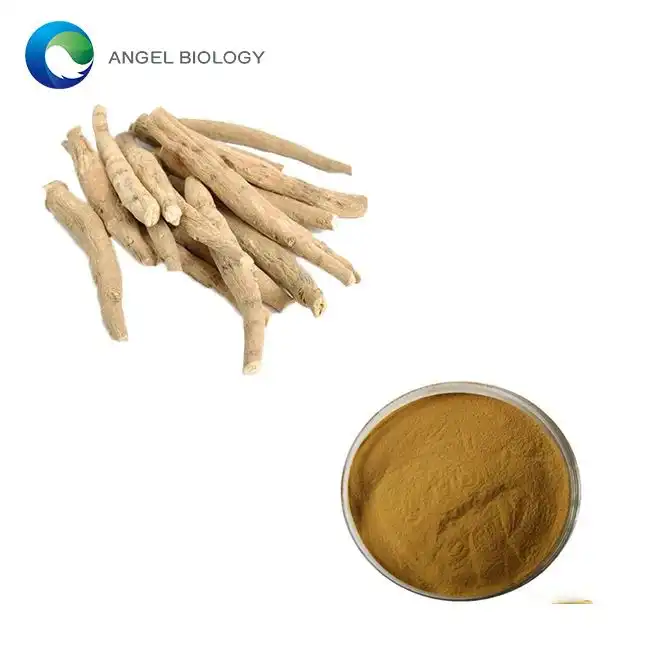
When sourcing Asian ginseng extract for your formulations, understanding High-Performance Liquid Chromatography (HPLC) specifications is essential. Panax ginseng extract powder quality can be evaluated through seven critical analytical parameters: total ginsenoside content, individual ginsenoside profiling (especially Rg1, Rb1, and Re ratios), marker compound verification, residual solvent analysis, batch consistency through chromatographic fingerprinting, quantification limits for target compounds and contaminants, and stability testing data. These specifications help you purchase a standardized ingredient with clearly defined quality attributes, support regulatory documentation, and maintain greater consistency across production batches—turning variable agricultural material into a more reliable functional ingredient for commercial formulations.
Understanding HPLC and Its Importance in Quality Control
In botanical ingredient quality control, High-Performance Liquid Chromatography is a widely used analytical technique for characterizing ginseng extracts. By passing samples through a chromatographic column under controlled conditions, this method separates and quantifies compounds within complex plant matrices. For ginseng preparations, HPLC is commonly used to measure and profile ginsenosides, a group of characteristic triterpenoid saponins that serve as important quality markers for ginseng extracts.
Why HPLC Matters for Procurement Teams
UV spectrophotometry and other general testing methods may provide overall measurements but do not provide the same individual compound profile as HPLC. Different ginsenosides have distinct chemical characteristics and can contribute differently to the overall composition of an extract. A 20% total ginsenoside extract, for example, could have substantially different Rg1, Rb1, and Re profiles depending on the source and processing method. HPLC provides molecular-level composition data, allowing procurement and R&D teams to select ingredients according to defined specifications rather than relying only on total ginsenoside content.
Adulteration Detection Through Chromatographic Analysis
Botanical identity and authenticity are important considerations in the Asian ginseng supply chain. American ginseng (Panax quinquefolius) and other plant materials have different characteristic ginsenoside profiles from Panax ginseng. HPLC can help identify characteristic chromatographic patterns and marker compounds associated with the declared botanical source. Compounds such as ginsenoside Rf can be useful in distinguishing Panax ginseng from some other Panax species, although chromatographic testing should be combined with appropriate botanical, DNA, or other identity testing when authentication requirements are high. This multi-method approach is particularly valuable for regulated markets and applications where traceable raw-material identity is essential.


The 7 Key HPLC Specifications to Evaluate Before Purchase
To judge the quality of ginseng extracts, you have to look at a number of chromatographic and analytical factors that together describe the quality of the product. These standards cover everything from checking potency to evaluating composition, identity, consistency, and stability, providing a practical framework for procurement decisions.
Total Ginsenoside Content
This specification represents the total amount of ginsenosides measured according to the supplier's validated analytical method and reporting standard. Commercial extracts can vary widely in total ginsenoside content, depending on the raw material, extraction process, concentration level, and intended application. The appropriate specification depends on your formulation requirements rather than a universal “premium” percentage. Buyers should request the exact calculation method and reference standards used in the HPLC report, because reported values can differ between analytical methods. Comparing products is therefore more meaningful when the same or equivalent analytical methodology is used.
Individual Ginsenoside Profile
In addition to total content, the distribution of individual ginsenosides can help characterize an extract. Commonly monitored compounds include Rg1, Re, Rf, Rb1, Rc, and Rb2. Their relative proportions can vary with species, cultivation conditions, plant part, extraction process, and processing conditions. Rather than assigning specific Rg1 or Rb1 percentages to a guaranteed physiological effect, procurement teams should define the individual ginsenoside profile according to the intended product specification. Ask for chromatograms showing adequate separation between closely eluting peaks so your laboratory can verify that the reported compounds have been appropriately identified and quantified.
Marker Compound Verification
Specific ginsenosides can help support the identity assessment of Panax ginseng extract powder. Ginsenoside Rf is commonly associated with Panax ginseng and can be useful as part of a species-identification profile, while Rb1 occurs across several Panax species. A robust authentication strategy should therefore evaluate multiple characteristic markers rather than relying on a single compound. Combining HPLC profiling with botanical documentation or complementary identity testing can reduce the risk of species substitution and provide stronger traceability for commercial procurement.
Residual Solvent Analysis
Solvents such as ethanol or other extraction media may be used during botanical processing. Residual solvent levels should be controlled according to the extraction process, intended application, and applicable regulatory requirements. HPLC may be suitable for some analytical applications, but gas chromatography (GC) is commonly used for volatile residual-solvent testing. Specifications should therefore identify the actual analytical method, solvents tested, detection limits, and applicable limits rather than simply stating that the product “meets solvent requirements.” Clear documentation makes supplier qualification and regulatory review much easier.
Batch-to-Batch Consistency Through Fingerprinting
By showing characteristic peaks across a defined retention-time range, chromatographic fingerprinting provides a broader view of an extract's chemical composition. Unlike testing for a single marker compound, fingerprinting can reveal changes in the overall profile that may result from differences in raw-material source or processing conditions. Experienced suppliers can provide overlay chromatograms comparing representative batches with an established reference profile. Similarity calculations may also be used where appropriate, but acceptance limits should be established according to the validated method rather than assuming that one universal similarity value guarantees product consistency.
Quantification Limits and Detection Sensitivity
Every analytical method has defined sensitivity limits. The Limit of Detection (LOD) represents the lowest level that can generally be detected, while the Limit of Quantification (LOQ) represents the lowest level that can be quantified with suitable accuracy and precision under the method conditions. Appropriate LOD and LOQ values depend on the compounds and testing objectives. When evaluating ginsenoside methods, ask suppliers for relevant method-validation information, including linearity, recovery, precision, specificity, and accuracy. This helps procurement teams determine whether the reported analytical results are sufficiently reliable for the intended specification.
Stability-Indicating Testing
Ginsenoside profiles can change under certain storage and processing conditions, making stability evaluation important for commercial ingredients. A stability-indicating analytical method can monitor changes in target ginsenosides and help identify shifts in the chemical profile over time. Suppliers may conduct real-time or accelerated stability studies under defined temperature and humidity conditions. However, accelerated data should not automatically be converted into a specific room-temperature shelf life. The final shelf-life claim should be supported by product-specific stability data and the supplier's validated storage conditions.
If you understand these seven specifications, you can turn HPLC reports from basic analytical documents into useful procurement tools. Each parameter addresses a different quality consideration, and together they help determine whether your ginseng extract meets the required composition, identity, consistency, and stability criteria for production.
How to Interpret HPLC Reports
To read chromatography data, you need to understand several elements that indicate the reliability and usefulness of the analytical result. Most HPLC reports include numerical tables and graphical chromatograms. Each provides different information that can help procurement and R&D teams evaluate the ingredient.
Decoding Retention Times and Peak Areas
The x-axis of the chromatogram for Panax ginseng extract powder shows retention time, representing how long each compound takes to pass through the analytical column under the specified conditions. Ginsenosides appear at characteristic retention times that depend on the column, mobile phase, flow rate, temperature, and other method parameters. The quantity of a compound is generally determined from its peak area against appropriate reference standards. Reputable laboratories should establish retention-time and identification criteria within their validated methods rather than relying on a universal retention time or fixed ±0.2-minute tolerance.
Evaluating Chromatographic Resolution
Compounds that elute closely together may overlap, potentially affecting identification and quantification. Chromatographic resolution describes how effectively adjacent peaks are separated under a defined analytical method. A resolution value around 1.5 or higher is commonly used as a reference for baseline separation, although appropriate acceptance criteria depend on the method and analytes being measured. Buyers should review peak shape, baseline stability, system suitability, and method-validation information rather than judging analytical quality from one chromatogram feature alone.
Comparing Organic Versus Conventional Extracts
Growing and processing conditions can influence the chemical profile of ginseng, but differences should be demonstrated through analytical testing rather than assumed from the cultivation method alone. Organic and conventional materials may show differences in individual ginsenoside patterns depending on cultivation conditions, plant age, plant part, and processing. If you are comparing organic and conventional sources, request corresponding chromatograms and analytical data to determine whether the compositional differences are meaningful for your specification. This approach allows procurement teams to evaluate quality based on measured characteristics rather than unsupported assumptions about performance or bioavailability.
Procurement Considerations Beyond HPLC: Choosing the Right Supplier
Analytical specifications are only one part of the sourcing process. Long-term supply relationships also depend on manufacturing controls, documentation, traceability, technical communication, and the supplier's ability to maintain consistent specifications at commercial scale.
Manufacturing Certifications and Quality Systems
Suppliers operating under GMP, ISO 22000, FSSC 22000, or other relevant quality systems have documented procedures covering production, sanitation, traceability, testing, and quality management. When evaluating potential partners, verify the actual scope of each certification rather than assuming that every certificate covers the same production activities. For food, supplement, and functional ingredient applications, certifications should be relevant to the intended product category and manufacturing site.
Supply Chain Transparency and Origin Verification
Asian ginseng is commercially cultivated in regions including China, Korea, and parts of the Russian Far East. Differences in cultivation environment, plant age, botanical material, and processing can influence the final chemical profile. Reliable suppliers should provide appropriate origin and traceability documentation and clearly identify the botanical species and plant material used. Complementary identity methods, including DNA testing where appropriate, can provide additional assurance. Transparency about extraction methods is also valuable because water extraction, ethanol extraction, and other processes can produce differences in powder characteristics and composition.
Flexible Ordering and Customization Options
Industrial buyers have different requirements depending on product development stage, launch schedule, and expected production volume. Suppliers with practical MOQs can support sample evaluation and pilot production, while scalable manufacturing capacity becomes important as products move toward commercial production. Custom ginsenoside specifications can also help brands develop differentiated formulations. For example, an R&D team may request a defined Rg1/Rb1 profile or a specific total ginsenoside level based on its formulation objectives. Discussing these requirements early helps ensure that the selected raw material can meet both technical and commercial expectations.
Conclusion
Understanding the seven important HPLC specifications that define quality is essential for sourcing high-quality Panax ginseng extract powder. These include total ginsenoside content, individual compound profiling, marker verification, residual solvent testing, batch consistency fingerprinting, quantification sensitivity, and stability data. Together, these parameters turn analytical results into practical procurement criteria. This allows buyers to verify supplier specifications, support regulatory documentation, and maintain greater consistency across production cycles. To understand chromatographic reports, procurement and R&D teams should also review retention times, peak resolution, analytical specificity, and method-validation information. Beyond analytical standards, reliable sourcing depends on manufacturing certifications, supply-chain transparency, traceability, flexible ordering, and customization capabilities that match your formulation and production requirements.

FAQ
1. How often should Panax Ginseng Extract Powder undergo HPLC testing?
Reliable suppliers commonly perform relevant analytical testing on each production batch and provide a Certificate of Analysis (CoA) with the shipment. Buyers should establish incoming-testing requirements according to their quality system, risk assessment, supplier history, and applicable regulations. New suppliers or newly qualified materials may warrant more extensive verification, while established suppliers may operate under an approved supplier program with periodic third-party confirmation. Analytical methods should also be reviewed and revalidated when significant changes occur to equipment, procedures, reference standards, or regulatory requirements.
2. Can HPLC detect synthetic or adulterated substitutes?
HPLC chromatographic profiling can help identify unusual compositional patterns, botanical substitutions, or unexpected peaks when compared with authenticated reference materials. However, HPLC alone does not always conclusively identify every form of adulteration. For more demanding authentication, techniques such as HPLC-MS can provide additional molecular information, while DNA-based or other orthogonal methods may be useful for botanical identity. A multi-method testing strategy generally provides stronger assurance than relying on a single analytical technique.
3. What total ginsenoside range indicates premium quality?
The appropriate total ginsenoside specification depends on the application, formulation target, extraction process, and desired product positioning rather than one universal percentage. Higher total content does not automatically mean higher overall quality. Buyers should also evaluate the individual ginsenoside profile, botanical identity, purity, contaminants, analytical method, batch consistency, and stability. A standardized extract with a clearly defined profile and reliable batch-to-batch performance may be more valuable for commercial formulation than simply choosing the material with the highest total ginsenoside number.
Partner with a Trusted Panax Ginseng Extract Powder Supplier
Every batch of Panax ginseng extract powder that Angelbio supplies is supported by extensive experience in botanical ingredient research, extraction, and quality control. Our manufacturing and analytical processes are designed to monitor ginsenoside profiles, batch consistency, and relevant quality parameters throughout production. We provide analytical documentation, including applicable chromatographic data and quality-testing records, to help procurement and R&D teams evaluate materials against their specifications. Our technical team can also work directly with your R&D team to discuss ginsenoside profiles, application requirements, documentation, and customized specifications. Whether you need a standard extract or a defined ginsenoside profile for a specific formulation, Angelbio can support the qualification process from sample evaluation through commercial supply. Email our team at angel@angelbiology.com to request detailed HPLC information, discuss MOQ and specifications, or explore a supply solution aligned with your product development goals.
References
- World Health Organization. (2019). WHO monographs on selected medicinal plants - Volume 1. World Health Organization.
- United States Pharmacopeia. (2020). General Chapter <621> Chromatography. USP 43-NF 38.
- Lee, S. M., Bae, B. S., Park, H. W., et al. (2015). Characterization of Korean Red Ginseng: History, preparation method, and chemical composition. Journal of Ginseng Research, 39(4), 384-391.
- Kiefer, D., & Pantuso, T. (2003). Panax ginseng. American Family Physician, 68(8), 1539-1542.