



A comprehensive review of Fructus Corni Extract
Fructus Corni Extract stands as a high-value botanical ingredient derived from Cornus officinalis, also known as Asiatic Dogwood or 'Shan Zhu Yu'. This standardized extract concentrates characteristic bioactive compounds—particularly loganin and morroniside—making it a versatile ingredient for nutraceuticals, cosmetics, and functional foods. With research-supported antioxidant properties and functional characteristics of interest in modern ingredient development, this extract bridges traditional botanical knowledge with contemporary formulation needs, offering manufacturers a practical option for clean-label product development.
Understanding Fructus Corni Extract: Key Facts & Functional Properties
What is Fructus Corni Extract?
The sarcocarp of the Cornus officinalis fruit is processed in a factory to make Fructus Corni Extract. This concentrates characteristic iridoid glycosides and improves the consistency of the raw material. Unlike plain fruit powder, this extract is generally produced from the fruit pulp after removing the kernel, helping formulators who need defined specifications and better formulation consistency. Controlled extraction and processing can also help manage variability associated with agricultural raw materials. This makes the ingredient more suitable for commercial applications where reproducible specifications and documented quality are important.
Physical and Chemical Properties
High-quality Cornus extract typically appears as a fine, brownish-yellow to dark brown powder and has a sour, slightly bitter taste. Loganin concentration, which may be standardized according to the supplier's specification and verified through HPLC, is commonly used as a quality parameter. Important physical and chemical factors may include sieve size, bulk density, and loss on drying, depending on the intended application and manufacturing process. The extract's dispersibility and stability depend on its composition, carrier system, processing conditions, packaging, and storage environment. These characteristics should therefore be evaluated against the requirements of the finished formulation rather than assumed to be identical across all commercial grades.
Core Bioactive Compounds and Research-Supported Characteristics
Iridoid glycosides such as loganin and morroniside, together with tannins and organic acids, contribute to the extract's characteristic phytochemical profile. Scientific research has investigated Cornus officinalis for antioxidant activity and other botanical properties. These findings provide useful background for ingredient development, but laboratory or preclinical findings should not be interpreted as proof of therapeutic effects in finished products. In cosmetic applications, the presence of polyphenolic and tannin-related compounds may also support formulation concepts focused on antioxidant and botanical positioning. These research-supported characteristics can help brands differentiate products while maintaining responsible product communication.


Comparing Fructus Corni Extract with Competing Supplements
Antioxidant Strength and Bioactive Profile
Compared with other botanical options such as Goji Berry Extract or Ginkgo Biloba, Cornus Extract has a distinctive iridoid glycoside profile rather than being primarily positioned around polysaccharides or flavonoids. This chemical profile gives formulators another botanical option for combination formulas. For example, it may be evaluated alongside other botanical or nutritional ingredients according to formulation objectives and compatibility testing. Compared with isolated synthetic antioxidant ingredients used in cosmetics, Cornus extract provides a broader plant-derived phytochemical profile. This can support natural ingredient positioning while giving brands another option for developing differentiated botanical formulations.
Extract Forms and Quality Considerations
Standardized powders, spray-dried extracts, and solvent-extracted concentrates are some of the formats that may be available. Buyers should check with suppliers whether they offer ratio extracts with undefined marker levels or standardized Fructus Corni Extracts with confirmed loganin content through HPLC. Organic certification can influence market positioning and pricing. The manufacturing process also affects the composition and physical properties of the finished extract. Appropriate extraction methods are designed to concentrate desired botanical constituents while controlling unwanted components. These factors directly influence batch consistency and help suppliers meet the specification requirements of different applications and markets.
Application Scope and Consumer Preferences
Cornus extract can be considered for a range of applications because of its characteristic phytochemical profile and flexible powder format. Its organic acid and botanical composition may be relevant to functional beverage concepts, although taste, solubility, clarity, and stability should be evaluated during formulation. For topical applications, compatibility with the emulsion system and other ingredients should also be confirmed through formulation testing. Consumers increasingly show interest in recognizable, plant-derived ingredients with transparent sourcing and documented characteristics. This gives Cornus extract potential value for brands that want to communicate botanical heritage while maintaining clear and responsible ingredient positioning.
Quality, Usage, and Application Considerations: What Buyers Should Know
Formulation Guidelines
Usage amounts vary depending on formulation requirements. Standardized extract levels in dietary supplement products should be determined according to product design, extract specifications, serving format, and applicable regulations. Functional beverage applications generally require evaluation of taste, dispersibility, stability, and formulation goals. Topical cosmetics may use the extract in serums and creams at levels determined through formulation development and compatibility testing. These considerations provide a practical framework for different applications while allowing flexibility. Purchasing teams should verify that supplier documentation includes technical specifications appropriate for the intended product category.
Usage Considerations and Quality Requirements
Quality evaluations show that Cornus extract should be used according to the technical requirements of the finished formulation. Procurement professionals should ensure that suppliers provide complete technical documentation, including specifications, testing reports, and product information. Due to its astringent taste and tannin-related composition, formulation developers should consider sensory properties and ingredient compatibility when designing products. Responsible sourcing also requires suppliers to provide documentation supporting consistent manufacturing and traceability. Pilot formulation and stability evaluations can help confirm suitability before commercial-scale production.
Quality Control and Regulatory Compliance
To maintain consistent quality, appropriate analytical and quality-control standards are needed. HPLC analysis can verify the specified level of loganin when loganin is used as a marker compound. Thin-layer chromatography identification may help confirm the botanical identity of Cornus materials and support consistent specifications. Heavy metal testing for Mercury, Arsenic, Cadmium, and Lead should comply with the applicable limits for the target market and product category. Pesticide residues should also be evaluated according to relevant regulations. Where solvent extraction is used, residual solvent testing can help confirm that levels remain within applicable specifications. These checkpoints improve product consistency and support regulatory and procurement requirements.
Procurement Insights: How to Source High-Quality Fructus Corni Extract
Global Supply Markets and Demand Trends
Some of the main supply areas are cultivation regions in East Asia where Cornus officinalis is commercially grown. Understanding yearly crop cycles and potential differences in raw-material quality by region helps procurement managers maintain a more reliable supply chain. Nutraceutical companies developing botanical products and cosmetic companies seeking plant-derived ingredients continue to evaluate standardized extracts for clean-label formulations. Manufacturers of functional drinks may look for Cornus Fructus Corni Extracts with suitable dispersibility and sensory characteristics. This creates demand for clearly specified grades designed for different formulation requirements.
Selecting Reputable Suppliers
More than price needs to be considered when looking for suitable partners. GMP certification can demonstrate that a facility operates under defined manufacturing and quality procedures, where applicable to the intended product category. Organic certification may appeal to brands targeting premium or certified-organic markets. Testing protocols such as microbiological analysis, contaminant screening, and independent verification of marker compounds can provide additional quality assurance. Traceability documentation showing raw-material origin and processing history improves supply-chain transparency. Technical support, formulation guidance, and regulatory documentation can further distinguish experienced suppliers from commodity-focused sellers.
Practical Bulk Purchasing Considerations
Depending on standardization requirements and supplier production scale, minimum order quantities may vary considerably. Pricing depends on factors such as extract specification, loganin standardization, organic certification, packaging, and order volume. Long-term supply agreements may provide opportunities for improved pricing and more predictable availability. During logistics planning, storage conditions should be considered because temperature, humidity, and packaging can influence powder quality over time. Lead times may vary according to raw-material availability, production schedules, and seasonal demand. Testing samples before committing to larger quantities allows buyers to confirm that the actual material matches the required formulation specifications.
Practical Applications and Future Trends of Fructus Corni Extract in B2B Industries
Current Applications Across Industries
In nutraceutical development, Cornus extract can be evaluated as a botanical ingredient for functional and wellness-oriented formulations. It is also of interest to brands looking for plant-derived antioxidant ingredients. The extract can be assessed in combination with other ingredients according to compatibility, sensory, and stability requirements. Functional beverage manufacturers may consider grades designed for suitable dispersion and processing conditions, although finished-product stability should be confirmed through testing. Cosmetic formulators may evaluate Cornus extract in botanical serums and skin-care formulas based on its phytochemical profile and antioxidant characteristics. These applications allow manufacturers to explore different product concepts without making unsupported therapeutic claims.
Emerging Market Trends and Innovation Opportunities
Consumers interested in clean-label products continue to encourage demand for plant-derived ingredients with traditional backgrounds and modern analytical support. Organic and sustainably sourced extracts may command premium positioning when appropriate certifications and supply-chain documentation are available. Advances in extraction, drying, dispersion, and delivery technologies may create additional opportunities for improving ingredient handling and formulation compatibility. OEM customization can also help brands develop differentiated blends for specific product categories. Greater standardization and clearer regulatory frameworks for botanical ingredients may further support international product development by making specifications and documentation easier to evaluate.
Strategic Supply Chain Considerations
Building strong supplier partnerships requires evaluating whether manufacturers can support increasing production as a brand grows. Supply stability can be improved through reliable raw-material sourcing, appropriate inventory planning, and clear production schedules. Monitoring regulatory developments helps reduce compliance risks when products are introduced into different markets. Long-term competitive advantages can come from supplier relationships that prioritize consistent specifications, transparent documentation, and dependable delivery rather than focusing only on the lowest unit price. Collaborative development, including formulation and application testing, can also help reduce development time and improve the transition from laboratory trials to commercial production.
Conclusion
Fructus Corni Extract is a botanical ingredient supported by research into its phytochemical composition and antioxidant characteristics. It provides useful formulation characteristics for companies developing nutraceuticals, cosmetics, and functional foods. Its standardized bioactive profile and flexible application potential make it relevant to brands seeking plant-derived ingredients for clean-label product concepts. To make an informed purchase, buyers should verify HPLC standardization, quality certifications, contaminant testing, traceability, and supplier technical capabilities. As demand for natural and clearly documented ingredients continues to develop, brands can use standardized botanical extracts such as Fructus Corni Extract to create differentiated formulations while maintaining scientifically responsible product communication.
FAQ
1. What differentiates Fructus Corni Extract from other botanical antioxidants?
Cornus contains characteristic iridoid glycosides such as loganin and morroniside, giving it a phytochemical profile that differs from many polysaccharide- or flavonoid-focused botanical extracts. Its composition and physical properties depend on the raw material and extraction process, so formulation performance should be confirmed through supplier specifications and application testing. This distinctive botanical profile can provide brands with another plant-derived option for antioxidant-oriented and clean-label formulation concepts.
2. Can Fructus Corni Extract be customized for specific formulation requirements?
Reliable suppliers may be able to adjust marker-compound specifications, such as loganin content, within their manufacturing capabilities and validated production parameters. Spray-drying and other processing conditions may also be optimized for properties such as particle size, dispersibility, and handling characteristics. Custom specifications should be agreed upon with the supplier according to the intended application, minimum order quantity, analytical method, and regulatory requirements.
3. How can buyers verify supplier authenticity and quality?
Ask suppliers for Certificates of Analysis showing relevant identity and marker-compound testing, including HPLC results where applicable. Review GMP or other relevant quality certifications, manufacturing records, and traceability documentation. Before making large purchases, test representative samples against your own specifications and, when appropriate, use independent laboratory verification. A supplier's responsiveness to technical and regulatory questions is also an important indicator of its ability to support long-term B2B cooperation.
Partner with Angelbio: Your Trusted Fructus Corni Extract Manufacturer
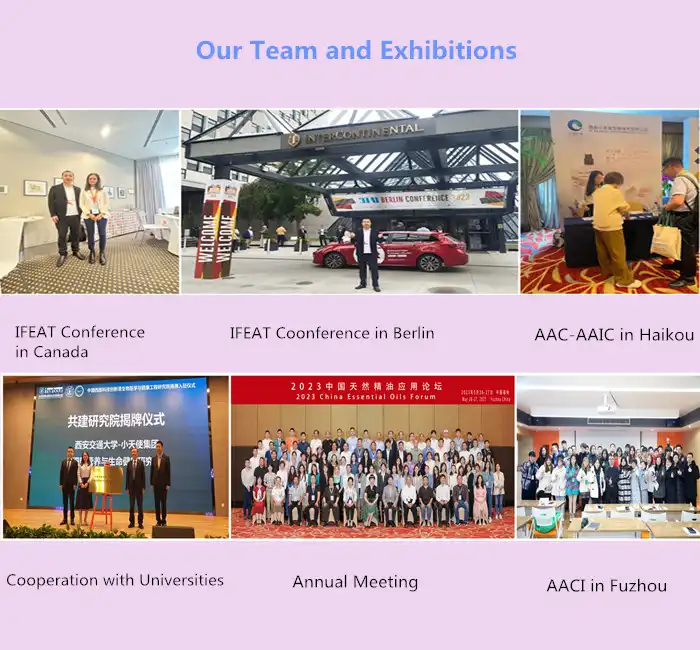
Angelbio has been supplying Fructus Corni Extract and other botanical ingredients for 18 years, with experience in ingredient development, quality control, and customized specifications. Our cooperation with the Institute of Life and Health Research at Xi'an Jiaotong University supports ongoing research and technical development. We operate quality-controlled manufacturing facilities capable of supporting both sample evaluation and larger commercial requirements. Analytical testing can be used to verify marker compounds, contaminant specifications, and microbiological quality according to product requirements. Whether you're developing botanical supplements, functional beverages, or cosmetic formulations, our technical team can help you evaluate suitable extract specifications, application formats, and documentation requirements. Email angel@angelbiology.com to discuss your sourcing requirements, request samples, review specifications, or explore OEM partnership opportunities.
References
1. Zhang, Y., et al. (2019). "Bioactive Components and Pharmacological Effects of Cornus officinalis: A Systematic Review." Journal of Ethnopharmacology, 234, 152-168.
2. Kim, H.J., and Lee, S.M. (2020). "Loganin and Morroniside: Iridoid Glycosides with Antioxidant and Organ-Protective Properties." Natural Product Communications, 15(4), 1-12.
3. Chen, W., et al. (2018). "Quality Control Methods for Fructus Corni Extract in Commercial Products." Phytochemical Analysis, 29(3), 245-253.
4. Park, C.H., et al. (2021). "Cosmetic Applications of Cornus officinalis Extract: Anti-aging and Skin Protection Mechanisms." Journal of Cosmetic Dermatology, 20(6), 1789-1797.
5. Liu, Q., and Wang, X. (2020). "Extraction Optimization and Standardization of Bioactive Compounds from Cornus officinalis." Industrial Crops and Products, 156, 112847.
6. Anderson, R.A., et al. (2022). "Safety Assessment and Dosage Guidelines for Botanical Extracts in Nutraceutical Formulations." Regulatory Toxicology and Pharmacology, 128, 105087.