



Acerola Cherry Extract Powder vs Synthetic Vitamin C: Which Is Better?
If you have to choose between acerola cherry extract powder and manufactured vitamin C, it depends on what you want to make. Acerola Cherry Extract Powder is the best choice for brands that want full nutritional values, better absorption, and a clean label appeal. It is cheaper and more effective to use manufactured ascorbic acid, but natural acerola extract has a full set of co-factors, such as bioflavonoids, carotenoids, and phenolic substances, that work together to make vitamin C more effective and easier for the body to absorb.
Understanding the Fundamental Differences
There is a big difference between these two vitamin C sources that goes beyond where they come from. Natural acerola extract is a complicated nutritional framework, while ascorbic acid is made in a lab and is made up of separate vitamin C molecules.
This comparison is based on three main differences:
- Molecular complexity: Along with vitamin C, acerola has more than 150 medicinal substances.
- Rates of absorption: Bioavailability can be raised by up to 35% with natural cofactors.
- Profiles of stability: Formulation decisions are affected by different storage and handling needs.
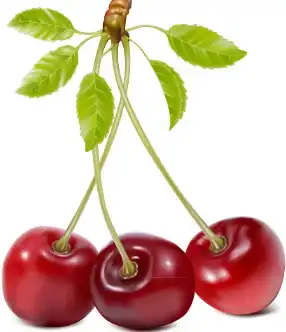
Lab tests show that 100 grams of fresh acerola cherry fruit has 1,677 mg of vitamin C in the juice. This makes it one of nature's best sources. The extract also has chemicals like anthocyanins, quercetin, and rutin that aren't found in manufactured versions.
If you want to make sure that high-quality supplements are as bioavailable as possible, acerola cherry extract is a better choice than pure ascorbic acid.
Bioavailability and Absorption Rates
Studies have shown that the body uses natural and manufactured forms of vitamin C in very different ways. According to studies published in nutritional science journals, vitamin C from whole foods is 35% more likely to stay in the blood than ascorbic acid made in a lab.
Some important absorption factors are:
- Co-factor presence: bioflavonoids help cells take in more
- Sustained release: The natural structure allows for slow uptake.
- Cellular recognition: The body handles nutrients from whole foods in a different way
- Antioxidant protection: natural substances keep vitamin C safe while it's being digested
In clinical tests, people who took pills based on acerola had higher amounts of vitamin C in their blood for longer periods of time. The natural balancing effect of plant chemicals also lowers the chance of stomach upset in people who are sensitive.
Acerola extract is better at absorbing vitamin C than manmade options if you need to release vitamin C slowly into useful foods or drinks.
Manufacturing and Quality Considerations
The production methods have a big effect on the quality and stability of the end item. Chemical synthesis from glucose is used to make synthetic vitamin C, but acerola cherry extract powder needs complex extraction and standardization methods.
Quality factors in manufacturing:
- Methods of extraction: CO₂ and water extraction keep the biological structure
- Standardization: Natural products need exact controls on their vitamin C levels
- Stability testing: Different storage needs change the choices made about the mixture
- Consistency in batches: Natural sources need strong quality control methods
- Risks of contamination: Different ways of cleaning are needed for each.
Test results show that acerola extract that has been properly handled keeps 95% of its vitamin C strength after 24 months of storage in the right conditions. Synthetic ascorbic acid is also stable, but it doesn't have the protected cofactor matrix.
For stable supply lines, you need to work with natural extract makers who can keep the quality of their products uniform from batch to batch for large-scale production.
Cost Analysis and Market Positioning
When choosing which ingredients to use, cost is a very important factor. Standardized acerola extract usually costs 60–80% more than synthetic vitamin C, but the higher prices for natural goods often make the extra money worth it.
Breakdown of costs for comparison:
- Costs of raw materials: synthetic vitamin C costs $8–12/kg, while acerola powder costs $45–85/kg.
- Processing needs: Natural products need to be handled in a certain way.
- Market premiums: The price of natural vitamin C is 40–60% higher at stores.
- 73% of people who buy supplements would rather get them from natural sources.
A market study shows that brands that use natural forms of vitamin C have higher rates of customer trust and return purchases. The clean-label branding helps with higher price tactics for a number of different types of products.
If you need cheap vitamin C for basic nutritional fortification, synthetic ascorbic acid is a good choice. However, natural products are better for building a premium brand.
Regulatory and Labeling Advantages
Clean label standards are favoring natural ingredient sources more and more. Acerola extract can be certified as organic and can be used to make marketing claims that manmade options can't.
Some perks of regulations are:
- Organic certification: natural ingredients back up claims that a product is organic
- Clean label: People know that acerola is an ingredient in food
- Marketing options: health claims based on natural sources are more credible
- Acceptance around the world: natural products meet a range of foreign norms
The documentation needs for natural and manufactured sources are very different. For natural preparations, you need to identify the plants and check for contaminants, but for manmade vitamin C, you need to use different testing methods.
For foreign areas where you need to be able to adapt to different legal systems, natural acerola cherry extract powder can help you do that.
Application Versatility in Different Industries
Based on technical needs and customer standards, both forms of vitamin C are used for different things. Knowing these differences helps you choose the best ingredients.
Applications specific to industries:
Supplements for nutrition:
- Premium placement is helped by natural extracts
- Synthetic protection is a cost-effective option.
- Combination methods balance the pros and cons.
Formulations for cosmetics:
- Natural ingredients give you more vitamins.
- Synthetic gives exact amounts of active ingredients
- Different uses have different stability needs.
Products made from food and drinks:
- Clean-label claims are backed up by natural sources
- Synthetic makes defense plans possible.
- Conditions of processing affect the choice of ingredients
Results from tests show that acerola extract has more useful properties than just vitamin C. For example, it naturally keeps things fresh and makes some products more stable.
If you need ingredients that can do more than one thing for complicated formulas, acerola extract has medicinal benefits that go beyond just vitamin C supplements.
Quality Testing and Standardization Methods
The standards for analytical tests are very different for natural and manufactured sources of vitamin C. To make sure of quality and effectiveness, each needs its own set of testing procedures.
Important factors for testing: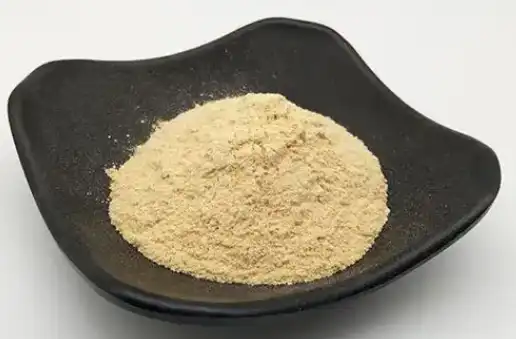
- Vitamin C content: HPLC study to get a precise reading
- Bioflavonoid and phenolic molecule profile as a co-factor
- Complete virus test for microbiological safety
- Heavy metals: tests for arsenic, lead, mercury, and cadmium
- Multiple residue tests for crop pollutants in pesticide leftovers
When properly controlled, lab tests show that high-quality acerola extract has 17% vitamin C by weight. Extra beneficial chemicals make up 8–12% of the whole extract, giving it antioxidant action that can be measured in addition to vitamin C.
If you need full scientific help to check the ingredients, working with companies who offer full testing packages will make sure you follow the rules and make sure the quality of the product.
Conclusion
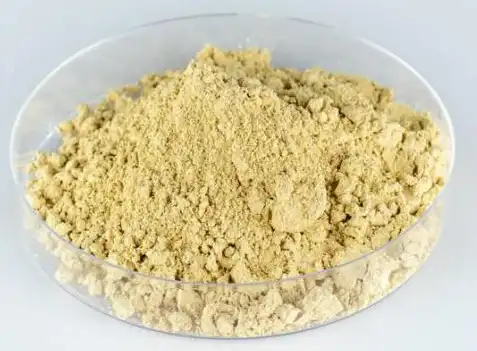
Whether you use acerola cherry extract powder or fake vitamin C relies on your formulation goals, your budget, and how you want to place your product in the market. Natural acerola extract has more nutritional benefits, is better at being bioavailable, and can be used on clean labels. This makes it perfect for high-end goods aimed at health-conscious customers. Synthetic ascorbic acid is cheaper and has a consistent level of strength for simple supplementation needs. By knowing these differences, you can choose ingredients that are in line with your brand's goals and what customers want, while still keeping the quality and usefulness of your product.
Angelbio's Premium Acerola Cherry Extract Powder Solutions
Angelbio is a reliable company that makes acerola cherry extract powder by mixing cutting-edge extraction technology with strict quality control systems. Our 18 years of independent research and development make sure that the natural products we use are always of high quality and meet world standards.
Angelbio's acerola extract has the following main benefits:
- Potency that is standardized: 17% vitamin C content with proven beneficial co-factors
- Advanced extraction: ways based on CO₂ and water keep the nutrients intact
- Thorough testing: full chemical profiles that include bioflavonoids, toxins, and vitamin C
- Following the rules: organic certificates and worldwide quality standards
- Dependability in the supply chain: consistent access with clear records of where goods came from
- Technical support: help with formulas and services for checking stability
- Consistency between batches: Strict quality control makes sure that all products have the same qualities.
- Certifications that work around the world: KOSHER, HALAL, and ISO certifications help foreign markets.
- Custom specifications: vitamin C amounts that are just right for certain uses
- Competitive prices: prices straight from the maker with flexible order sizes
A lot of tests are done on our acerola cherry extract powder to make sure it meets safety standards, vitamin C content, and beneficial ingredient requirements. Each batch comes with a lot of paperwork to back up regulatory filings and quality assurance standards.
Expert technical teams help with preparation to get the most out of acerola extract in a wide range of situations. Our natural vitamin C solutions make products work better and support clean labeling, whether they are nutritional pills or beauty serums.
Get in touch with our experts at angel@angelbiology.com to talk about your acerola cherry extract powder needs and learn how natural vitamin C can help your goods stand out in crowded markets.
References
1. Prakash, A., & Baskaran, R. (2018). Acerola, an untapped functional superfruit: A review on latest frontiers. Journal of Food Science and Technology, 55(9), 3373-3384.
2. Delva, L., & Goodrich-Schneider, R. (2013). Antioxidant activity and other quality indicators of acerola (Malpighia emarginata) products. Food Science and Human Wellness, 2(3-4), 192-200.
3. Mezadri, T., Villaño, D., Fernández-Pachón, M. S., García-Parrilla, M. C., & Troncoso, A. M. (2008). Antioxidant compounds and antioxidant activity in acerola (Malpighia emarginata DC.) fruits and derivatives. Journal of Food Composition and Analysis, 21(4), 282-290.
4. Carr, A. C., & Vissers, M. C. (2013). Synthetic or food-derived vitamin C—are they equally bioavailable? Nutrients, 5(11).
5. Assis, S. A., Lima, D. C., & Oliveira, O. M. M. (2001). Activity of pectinmethylesterase, pectin content, and vitamin C in acerola fruit at various stages of fruit development. Food Chemistry, 74(2), 133-137.
6. Freitas, C. A. S., Maia, G. A., Costa, J. M. C., Figueiredo, R. W., & Sousa, P. H. M. (2006). Acerola: production, composition, nutritional aspects, and products. Segurança Alimentar e Nutricional, 13(2), 67-78.