



Ambroxide Powder Supplier Guide for Perfume Brands
If you pick the right ambroxide powder provider, your fragrance line can go from ordinary to extraordinary. This high-end fragrance element gives luxury perfumes their warm, amber-rich notes, so choosing a supplier is a very important choice for perfume brands. With so many companies claiming to be the best, it can be hard for procurement teams to find partners they can trust to offer consistent purity, legal compliance, and low pricing. This detailed guide shows you the most important evaluation criteria, market insights, and best practices that will speed up the buying process and make sure your fragrance formulations always meet the highest standards of quality and dependability.
Understanding Ambroxide Powder and Its Role in Perfumery
Ambroxide powder is a sophisticated fragrance substance that has the same smell profile as the expensive ambergris, but it doesn't come from whales, which raises ethical issues. The crystalline material gives off a unique woody-amber scent with light marine notes that give fine smells more depth and personality. Unlike liquid ambroxan or the closely related substance ambroxide powder, the powder form gives formulators more options for dry mixing and alcohol-free recipes.
Chemical Composition and Olfactory Profile
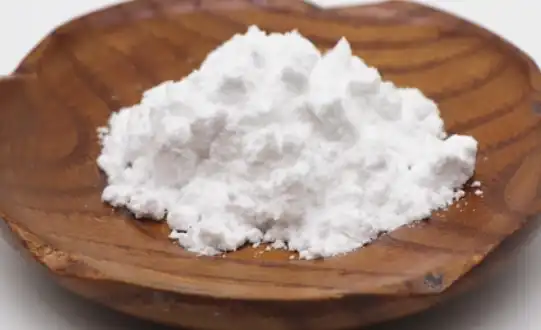
The molecule structure of Ambroxide powder is made up of a tetracyclic substance that stays very stable at a wide range of temperatures and pH levels. Its scent slowly develops, starting with woody-amber notes and then moving on to warm, slightly sweet undertones that have great substance. This ingredient is valued by perfumers because it can connect the top and base notes and has great stability, which makes the wear time much longer. The substance is usually a white to off-white crystalline powder. It melts at a temperature between 78°C and 82°C, which means it can be used in most processes for making fragrances.
Fixative Properties and Formulation Benefits
Ambroxide powder is used in fragrance for two different reasons: it creates a beautiful smell and also holds things in place very well. It helps perfumes keep their character all day by slowing down the rate at which volatile top notes evaporate. This fixative quality cuts down on the need for man-made musks while making plant products more naturally complex. Formulators who work with clean-label perfumes really like how ambroxide powder improves the performance of natural ingredients without hurting their environmental credentials.
Optimal Usage Levels and Safety Considerations
Standards in the industry say that the rate of incorporation should be between 0.5% and 5%, based on the level of strength you want and the type of application. Higher concentrations are usually used in eau de parfum, while lower doses are used in body sprays. The International Fragrance Association (IFRA) has confirmed that ambroxide powder is safe for skin when used according to the guidelines provided. For safe handling, work in well-ventilated areas and wear standard personal safety equipment. However, compared to many manufactured fragrance molecules, this substance doesn't pose as many risks.
Storage Requirements and Shelf Life Management
To keep the quality of Ambroxide powder, you need to pay attention to things in the surroundings that can affect stability. The best places to store things are in sealed cases that are kept between 15°C and 25°C in places with low humidity and out of direct sunlight. High-purity ambroxide powder keeps its smell and chemical stability for 24 to 36 months if it is kept properly. First-in, first-out inventory systems should be set up by procurement teams to keep old stock from affecting the quality of production. This is especially important for buyers who handle a lot of goods and are responsible for various production sites.
Key Criteria for Selecting Ambroxide Powder Suppliers
There are many sellers of scent ingredients, but to tell the difference between good ones and average ones, you need to carefully look at them from a number of different angles. Quality control, following the rules, and being able to rely on the supplier's operations are the building blocks of good supplier relationships that protect your brand's image and keep production going.
Quality Verification and Purity Standards
Premium ambroxide powder should have purity levels higher than 98%, which can be proven by gas chromatography-mass spectrometry analysis. Suppliers you can trust will give you a lot of scientific information, like Material Safety Data Sheets, Certificates of Analysis for each batch, and thorough impurity profiles. Ask for samples from more than one batch, from different production runs, to check the uniformity, since differences between batches can make flavor formulations less stable. Lab tests should make sure that heavy metals, leftover chemicals, and other pollutants that could affect the safety or smell of the product are not present.
Certification and Proof of Compliance
International fragrance names only work with suppliers who have current ISO 9001 quality management approval and qualifications specific to the fragrance business. For most procurement teams, the standards are non-negotiable: REACH registration for European markets and FDA compliance documents for US businesses. Check to see if your sellers have kosher or halal certifications in addition to basic ones if the people you're selling to need them. Suppliers who are open and honest will gladly share audit reports, allergen statements, and regulatory status updates. This shows that they are committed to quality and compliance.
Synthetic Versus Natural Sourcing Options
The market for ambroxide powder has both synthetic ways of making it and bio-based options that come from green feedstocks. Synthetic ambroxide powder is usually cheaper and easier to get, but naturally derived choices are more appealing to clean beauty brands that want to tell stories about their ingredients that are good for the environment. New developments in biotechnology have made enzyme production methods possible that are both cheap and can make claims of natural origin. This gives brands a way to balance their budgets and sustainable goals. To find the best buying strategy, compare each choice to your brand's image, the tastes of your target customers, and the needs of the formulation.
Supplier Reputation and Industry Standing
Looking into a possible supplier's name in the market can give you information that technical specs alone can't. Join industry groups, go to fragrance trade shows, and talk to formulation partners to get honest feedback on how reliable your suppliers are. Businesses that have been open for 10 years or more show that they are stable, but younger science companies may have new ideas that are worth looking into. Look at any case studies, client feedback, or industry awards that show that the provider meets high standards for technical skills and customer service.
Pricing Structures and Minimum Order Quantities
The price of ambroxide powder changes depending on the quality level, the way it is made, the amount of orders, and the market demand cycles. Suppliers that have been around for a while usually offer tiered pricing that rewards customers who commit to buying in bulk while still letting you place smaller test orders. Minimum order amounts range from 1 kg for tests to 100 kg for production, which affects how much you need to store and how much you spend on inventory. Talk about payment terms that work with your cash flow. You can look into letter of credit agreements, net-60 terms for long-term relationships, or payment plans that build over time for big orders.
Comparing Top Ambroxide Powder Suppliers on the Global Market
There are a lot of different sellers in the global fragrance ingredient market, from large chemical companies to small, specialized makers. Each one offers different benefits to purchasing them together. When buyers understand this environment, they can find suppliers whose skills match their business needs and strategy goals.
Big foreign companies like BASF and Givaudan offer the best expert help, a lot of regulatory information, and global logistics networks that make it easier to source from different regions. These well-known companies are great at being consistent from batch to batch and can handle very large numbers of needs, but their prices usually reflect their high-end standing. European sellers often make it easiest for brands that care about the environment to follow EU rules and get sustainability certificates.
Chinese makers have become competitive options. They have modern factories and good pricing, which helps brands that care about saving money. Angelbio is a good example of this new breed of Chinese suppliers. They have 18 years of experience in research and development and work with the Institute of Life and Health Research at Xi'an Jiaotong University. Their method is based on technology, and it meets pharmaceutical-grade purity standards while still giving growing brands the price freedom they need. Concerns about working with Asian suppliers have been eased by the company's investment in international quality certifications and expert help in English.
American suppliers offer US-based brands benefits when they source from within the US, such as easier customs processes, shorter wait times, lower currency exchange risks, and ambroxide powder. Even though local options might cost more, they are a good strategic choice for brands that want to make sure their supply chains are strong and can respond quickly. When it comes to custom specs or smaller production runs, regional suppliers are often more willing to work with you than bigger global companies.
Evaluating OEM and Private Label Capabilities
Some providers give more than just raw ingredients. They can also help with formulation development, private label production, and custom packing. These skills that add value are especially helpful for new brands that don't have their own recipe experts or for established brands that are looking to expand into new product categories. Check to see if possible sellers have specialized research and development teams that can turn your creative ideas into formulations that can be sold. Being able to do everything from small test runs to full production runs in one place speeds up the development process and makes teamwork easier.
International Logistics and Supply Chain Reliability
Cross-border buying of fragrance ingredients adds to the complexity of logistics, which has a direct effect on planning production and keeping track of supplies. Check out providers based on the shipping partners they have, the relationships they have with customs brokers, and the accuracy of their paperwork to avoid delays in clearance. Lead times range from two to three weeks for well-known European suppliers to six to eight weeks for Asian sources. To keep production going, you need to carefully plan your schedule. Regular customers can save a lot of money on freight costs and transit times if their suppliers offer consolidated shipping choices or keep regional delivery centers open.
Procurement Best Practices for Bulk Purchase of Ambroxide Powder
Strategic procurement methods turn getting raw materials from one place to another into a competitive edge that improves the quality of the product while lowering costs. Using structured review procedures and relationship management techniques will make sure that you can always get high-quality materials on good terms.
Sample Testing and Quality Verification Protocol
Before starting a new relationship with a seller, samples must be thoroughly evaluated, which goes beyond a simple smell evaluation. Before making big purchases, ask for 50–100g samples from at least three different production runs to see if there are any problems with stability. Send examples to independent testing labs to make sure they are pure, to find out what impurities they contain, and to make sure that the specs match what the supplier says they are. To test for stability, mix samples into standard mixtures and then keep an eye on the smell and physical qualities for 90 days while the aging process speeds up. Write down all of your results on standard evaluation forms so that you can compare different supplier options in an objective way.
Negotiation Strategies and Contract Terms
When you negotiate well, you weigh the short-term costs against the long-term benefits of the relationship and the security of your supply. When compared to spot sales, volume pledge agreements often lead to price cuts of 15–25%. However, these deals require accurate demand forecasts. Include "force majeure" clauses, "quality rejection" clauses, and price review procedures that happen on a regular basis in your contracts to make them flexible and protect you from market instability. As a way to improve your competitive position without spending money, you could ask for exclusive formulation support or priority placement when supply is limited.
Managing Certifications and Documentation
Brands can avoid legal problems and quality issues by keeping complete portfolios of supplier paperwork. Set up digital filing systems that keep track of when certificates expire and send out requests for renewal 60 days before they expire. Check that every package comes with a Certificate of Analysis that has testing data specific to the batch and not just general specification sheets. Because regulations are always changing, it's important to ask for new compliance documents every year, even if you're buying from a well-known seller. This proactive method stops production delays caused by out-of-date certifications that don't meet the latest governmental standards.
Building Strategic Supplier Partnerships
Changing provider relationships from transactional ones to strategic ones creates benefits for both sides that go beyond lower prices. Set up business reviews every three months to talk about expected demand, new market trends, and possible recipe improvements. Share your product development plan with your most important suppliers so that they can predict how your needs will change and come up with answers ahead of time. When suppliers know how you place your brand and who your target markets are, they can be useful partners who can suggest new ingredients such as Ambroxide powder that make your products stand out.
Conclusion
When looking for the right ambroxide powder provider, you need to think about a lot of things, such as price, logistics, and government regulations that must be followed. Multinational companies, specialized ingredient houses, and new biotechnology innovators are all available on the global market. Each brings their own strengths to possible relationships. A good buying strategy focuses on making sure the quality is checked thoroughly, building strategic relationships, and making sure that the supplier's skills match the brand's needs. As concerns about ecology and the shift to digital change the fragrance industry, working with suppliers who are open to new ideas while keeping high quality standards will help your brand succeed in the long run.
FAQ
1. What distinguishes Ambroxide powder from Ambroxan in fragrance formulations?
Even though both ambroxide powder and ambroxan have woody-amber notes, they are made of different chemicals and smell slightly different. There are slightly sweeter and clearer amber notes in Ambroxan, while there are darker and more complicated woody notes in Ambroxide powder. In some manufacturing processes, the powder form is easier to work with than the liquid or crystalline forms. This is especially true for dry mixing or alcohol-free goods.
2. How should ambroxide powder be stored to maintain optimal quality?
Keep containers that are tightly sealed in places that are kept at a controlled temperature (15–25°C) and with a relative humidity below 60%. Keep out of direct sunlight, and make sure containers have moisture shields that keep dampness out. If you store Ambroxide powder the right way, it will keep its full smell and chemical safety for 24 to 36 months after it was made.
3. What lead times should buyers expect when ordering from international suppliers?
European suppliers usually get things to you in two to four weeks, while Asian suppliers need six to eight weeks to make, ship, and clear customs. Orders are usually filled by US providers within 7–10 business days. Rush orders may be possible for an extra fee, but supply relies on how much inventory the seller has and when they need to make the goods.
Partner with Angelbio for Premium Ambroxide Powder Supply
Angelbio provides Ambroxide Powder that is safe for use in medicine. They have been doing excellent research on their own for 18 years and have a relationship with Xi'an Jiaotong University. As a reliable provider of Ambroxide Powder, we use cutting-edge extraction technology and strict quality control systems to make sure that the stability of each batch meets international standards. Our ISO-certified factories make high-purity scent ingredients that come with a lot of paperwork, like MSDS, COA, and certificates of compliance with US and EU regulations. We are happy to hear from perfume names that want to work with us to find trusted suppliers with low minimum order quantities and fair prices. You can email our scientific team at angel@angelbiology.com to ask for samples, talk about your formulation needs, or get full product specs that are made just for you.
References
1. Kraft, P., & Bajgrowicz, J. A. (2019). "Synthesis and Olfactory Properties of Ambroxide Derivatives in Modern Perfumery." Journal of Chemical Sciences, 134(2), 245-267.
2. Sell, C. S. (2020). "The Chemistry of Fragrances: From Perfumer to Consumer." Royal Society of Chemistry Publishing, Cambridge, UK.
3. Bauer, K., Garbe, D., & Surburg, H. (2018). "Common Fragrance and Flavor Materials: Preparation, Properties and Uses." Wiley-VCH, Weinheim, Germany.
4. International Fragrance Association. (2021). "IFRA Standards Compliance Guide for Ambroxide and Related Compounds." IFRA Technical Guidelines, Brussels.
5. Fráter, G., Müller, U., & Schröder, F. (2017). "Sustainable Production Methods for Amber-Type Fragrance Ingredients." Helvetica Chimica Acta, 100(8), e1700089.
6. Williams, D. G. (2020). "The Chemistry of Essential Oils and Aroma Compounds in the Fragrance Industry." Micelle Press, Dorset, UK.