



Apigenin Powder Benefits for Sleep and Relaxation
Apigenin powder is attracting interest among manufacturers developing ingredients for relaxation-oriented and sleep-related products. Apigenin (CAS: 520-36-5) is a naturally occurring flavonoid found in chamomile flowers and other botanicals. Laboratory research has explored its interaction with components of the GABA-A receptor complex, a system involved in regulating neuronal activity. However, these findings do not establish that apigenin reliably improves sleep or reduces anxiety in humans, nor do they demonstrate that it is free from potential adverse effects or interactions. For B2B formulators, well-characterized apigenin powder may offer a defined ingredient for product development, provided that its specifications, intended use, safety profile, and applicable labeling requirements are carefully evaluated.
Understanding Apigenin Powder and Its Role in Sleep and Relaxation
What Is Apigenin Powder?
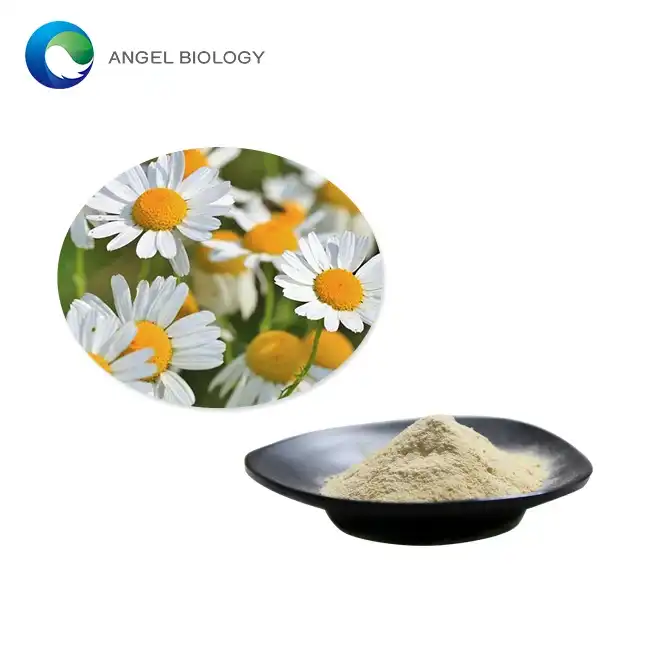
Apigenin, also known as 4',5,7-trihydroxyflavone, is a naturally occurring flavone found in chamomile, parsley, celery, and other plant sources. Commercial apigenin powder may be offered at specified assay levels, including grades targeting 98% purity or higher. Buyers should verify the actual assay, analytical method, and impurity profile through batch-specific documentation rather than assuming that every commercial grade meets the same standard. Compared with whole-plant materials and extracts containing multiple constituents, a high-assay ingredient can provide a more clearly defined apigenin content for formulation calculations. This may help manufacturers establish consistent input specifications, although the final product's performance still depends on the overall formulation and manufacturing process.


How Apigenin Supports Relaxation
Research has investigated apigenin's potential interaction with benzodiazepine-binding sites associated with the GABA-A receptor complex. Findings from laboratory and animal studies suggest possible effects on pathways related to nervous system activity, but they do not establish a reliable calming or sleep-promoting effect in humans. The evidence is not sufficient to conclude that apigenin works as a clinically established relaxation ingredient or that it is free from the risks associated with other bioactive substances. Its mechanisms also differ from those involved in melatonin signaling, but this difference alone does not demonstrate that apigenin is more suitable or effective for a particular consumer group. Manufacturers should align product positioning with the available evidence and the requirements of their target market.
How It Compares to Other Natural Sleep Aids
Melatonin is involved in regulating circadian timing, while apigenin is one of several flavonoids found in chamomile. The presence of apigenin in chamomile does not mean that it is the sole contributor to chamomile's traditional use in relaxation-oriented products. Research into purified apigenin and chamomile preparations also cannot automatically be treated as interchangeable, because their composition and tested doses may differ. For formulators, standardized apigenin powder can make ingredient content easier to specify than an extract with a variable apigenin concentration. Nevertheless, the choice between apigenin, chamomile extract, melatonin, or other ingredients should consider evidence, safety, compatibility, target consumers, and the permitted claims for the intended market.
Optimal Usage and Dosage for Sleep Enhancement
Recommended Dosage Ranges
There is no universally established daily dose of purified apigenin that can be recommended for sleep improvement across all adults and product types. Research findings involving chamomile preparations, animal models, or other experimental settings should not be used directly to establish a human dosage for purified apigenin powder. A high-assay ingredient may help manufacturers calculate the amount of apigenin present in a formulation, but analytical purity does not establish a suitable intake level or guarantee a particular outcome. Before setting a serving level, formulators should review the available safety and evidence base, assess potential interactions, and confirm the regulatory requirements applicable to the intended product and market.
Formulation Strategies by Product Type
Apigenin has limited water solubility, and its lipophilic properties can influence how it behaves in different formulation systems. B2B development teams should assess dispersion, stability, compatibility, and processing requirements before selecting a delivery format. Common considerations include:
Capsules and softgels: These formats may be suitable for ingredients with limited water solubility, subject to formulation testing. Particle size, flow properties, fill weight, excipient compatibility, and content uniformity should be assessed. Lipid-based delivery approaches may be explored during development, but improved absorption should not be assumed without relevant supporting data.
Functional beverages: Limited water solubility can make it challenging to formulate apigenin in aqueous drinks. Approaches such as cyclodextrin complexes or emulsion systems may be evaluated where appropriate. Their suitability depends on the formulation, processing conditions, ingredient interactions, and applicable product requirements. Buyers should confirm whether the supplier's offered grade is intended for beverage applications instead of assuming that a standard powder will dissolve clearly in water.
Cosmetic formulations: Apigenin's antioxidant properties have been investigated in laboratory research, making it a candidate for evaluation in certain cosmetic formulations. However, laboratory findings do not independently establish anti-inflammatory, skin-repair, or anti-aging benefits in finished products. Formulators should assess compatibility with the full ingredient system, skin-contact safety, product stability, and the cosmetic claims permitted in the target market. pH and light exposure should be evaluated experimentally rather than relying on a universal stability range.
Each formulation has specific compatibility and stability requirements. Selecting an appropriate particle size, processing method, and delivery system early in development can help reduce unnecessary reformulation. Requesting technical data and testing samples in the intended formulation can help determine whether the material meets project requirements.
Safety and Testing Protocols
For B2B quality assessment, request relevant testing data for elemental contaminants, microbiological quality, residual solvents where applicable, and other impurities identified through the manufacturing process and risk assessment. Testing requirements should reflect the intended product category and destination market. Storage conditions and shelf life should be based on product-specific stability data, packaging suitability, and the supplier's documented recommendations. Store apigenin powder in a well-sealed container under the specified conditions, with appropriate protection from moisture and light where required. Do not assume a fixed shelf life or retesting interval without supporting documentation. Buyers should also evaluate the available safety information and potential interactions before determining whether an ingredient is appropriate for a particular product.
Quality Criteria and Sourcing: Ensuring Pure and Effective Apigenin Powder
Natural vs. Synthetic Origin
Apigenin may be obtained from botanical sources or produced through other manufacturing routes. Buyers who require a botanical origin should ask the supplier to identify the source material and provide supporting traceability documentation. Analytical techniques, including radiocarbon testing where suitable, may help distinguish certain modern biological carbon sources from fossil-derived carbon. However, such testing does not necessarily identify the exact plant species or prove the full manufacturing history of an ingredient. Companies making botanical-origin or clean-label claims should verify that their supporting evidence is appropriate for the specific claim and meets their target market's requirements.
Key Supplier Certifications to Request
Reliable supplier selection involves reviewing the quality documentation, testing records, and certifications relevant to the product and intended application. Depending on the market and customer requirements, buyers may request quality-system documents, applicable food-safety records, allergen information, and other supporting declarations. Check the issuing organization, validity period, scope, and covered facility or product. A certificate alone does not guarantee that a particular batch meets the required specification or that a finished product is suitable for every market. Regulatory compliance should be assessed in relation to the intended use, composition, claims, and destination.
Bulk Purchasing and Supply Chain Reliability
Purchasing apigenin powder in bulk may help manufacturers plan inventory and compare pricing across order quantities. Actual cost savings depend on the specification, order size, packaging, testing requirements, shipping, and storage costs. When comparing suppliers, confirm the minimum order quantity, lead time, available packaging, and procedures for batch identification and traceability. Reviewing the COA and relevant analytical results for each lot can help determine whether the material consistently meets the agreed specification. Clear acceptance criteria and change-notification arrangements also help reduce the risk of unexpected differences that could require formulation adjustments.
Real-World Applications and Case Studies in Sleep and Relaxation Products
Dietary Supplement Integration
Apigenin may be considered during the development of relaxation-oriented or nighttime supplement concepts, including formulations that also contain ingredients such as L-theanine, magnesium compounds, or lemon balm extract. However, the presence of several ingredients does not establish that they act synergistically or deliver better sleep outcomes. Claims about GABA activity, reduced anxiety, or improved sleep should not be inferred solely from laboratory mechanisms or traditional ingredient use. Before combining ingredients, manufacturers should review the safety information for the complete formulation, consider potential interactions, and verify that the proposed positioning and labeling are appropriate for the destination market.
Functional Beverage Development
Apigenin is a potential ingredient for evaluation in functional beverage development, although its limited water solubility may require additional formulation work. Depending on the system, manufacturers may assess dispersion technologies or suitable delivery approaches to improve physical uniformity. The ingredient's botanical origin may be relevant to a plant-focused product concept, but any related label claims should be accurate and substantiated. Formulators should also assess appearance, sedimentation, flavor compatibility, processing tolerance, and stability throughout the intended shelf life. Clear dispersion or improved performance should be confirmed by testing rather than assumed from the use of a particular delivery technology.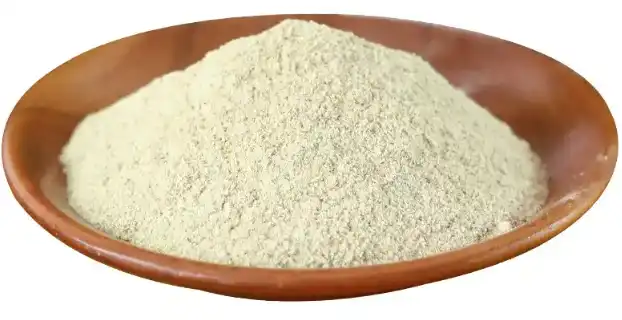
Cosmetic and Topical Applications
Apigenin's antioxidant activity has been investigated in laboratory settings, which may support its evaluation as a candidate ingredient in selected cosmetic formulations. Such findings do not, by themselves, establish that a finished cream or serum repairs skin overnight, reverses aging, or produces a measurable improvement in skin condition. Cosmetic developers should assess the ingredient's compatibility, stability, and safety within the complete formula and substantiate any product-performance claims with appropriate evidence. Botanical extracts can vary in color due to differences in source material and processing, but color alone cannot establish purity or quality. Batch acceptance should be based on agreed specifications, suitable analytical methods, and relevant quality data.
How to Choose the Right Apigenin Powder Supplier for Your Business
Purity Verification and Documentation
A dependable apigenin supplier should be able to provide relevant product documentation, such as a batch-specific Certificate of Analysis (COA), assay results, identity information, and available impurity-testing data. Additional documents may be needed depending on the product grade, intended application, and target market. For material described as naturally sourced, request suitable evidence of origin and traceability. Where appropriate, send a sample to an independent laboratory or have your quality-control team review the results before approving a commercial order. Incomplete or inconsistent records should be clarified before procurement proceeds.
Evaluating MOQ Flexibility and Custom Packaging
Manufacturers have different purchasing volumes and packaging needs. Compare suppliers based on the available order quantities, lead times, packaging options, and ability to support the intended production schedule. Light-resistant outer packaging and suitable inner liners may be considered where they match the material's documented storage requirements. Verify packaging compatibility, sealing, transport conditions, and any special handling needs rather than assuming that a particular package guarantees product stability. These details can help buyers evaluate whether the proposed supply arrangement fits their operational requirements.
Starting the Procurement Process
Begin by requesting a sample, a current technical data sheet, the relevant COA, and a quotation based on your required specification. Confirm available assay levels, particle-size options, physical properties, and application suitability. If the project requires a micronized grade or a defined particle-size distribution, request the relevant measurement method and data instead of relying on a product label alone. Evaluate samples under your intended processing conditions and document the acceptance criteria before placing a larger order. Once the material is approved, confirm the specification, packaging, lead time, delivery terms, and batch-document requirements in writing to support a more predictable supply process.
Conclusion
Apigenin powder is a botanical flavonoid that has attracted research interest for its potential interactions with biological pathways associated with nervous system activity and antioxidant processes. However, the available research should not be interpreted as proof of reliable sleep improvement, anxiety reduction, or anti-aging effects in humans. For manufacturers, its suitability depends on the quality of the raw material, the intended application, formulation performance, safety assessment, and applicable regulatory requirements. A high-assay ingredient can provide a defined input for formulation development, but its value should be assessed through verifiable specifications and application testing rather than assumed health outcomes.
For B2B procurement teams, the first step is to obtain a clear product specification and evaluate the supplier's supporting documents. Comparing batch-specific assay data, identity information, available impurity results, sample performance, packaging, and commercial terms can help your team make a more informed sourcing decision. Early technical communication can also help identify the most suitable grade for your development project.

FAQ
1. How long does it take to see sleep benefits from apigenin?
There is not enough consistent human evidence to specify a reliable timeframe for sleep benefits from purified apigenin. Results reported for chamomile preparations or experimental studies should not be treated as proof of an equivalent effect from purified apigenin powder. Individual responses may vary, and manufacturers should avoid promising a specific time to effect without appropriate evidence for the finished product.
2. Can apigenin powder be combined with other sleep ingredients?
Apigenin can be evaluated alongside ingredients such as magnesium compounds, L-theanine, or lemon balm during formulation development, subject to safety, compatibility, and regulatory review. Combining ingredients does not automatically establish a complementary or synergistic effect. Before making combination claims, assess the complete formula and confirm that the available evidence supports the proposed product positioning.
3. What documents verify apigenin purity for procurement?
Request a batch-specific COA, the assay method and results, relevant identity data, and available testing information for impurities and contaminants. If natural origin is important to your product positioning, request appropriate source and traceability records, with additional analytical verification where suitable. Review the documentation against your purchasing specification and intended market requirements before approving the material.
4. What is the best storage method for apigenin powder?
Follow the supplier's documented storage instructions for the specific grade and packaging. A well-sealed container and appropriate protection from moisture and light may be relevant, but the required conditions and shelf life should be supported by product-specific data. Confirm the manufacturing date, retest or expiry information where applicable, and any handling requirements before arranging storage and transportation.
Partner with Angelbio for Apigenin Powder Supply
Looking for an apigenin ingredient for relaxation-oriented supplements, functional beverages, or cosmetic formulation development? Angelbio can discuss your sourcing requirements and help you evaluate available product specifications, batch documentation, sample options, and bulk purchasing terms. Contact our team to request a COA, technical data, available assay specifications, and a quotation tailored to your project. Share your intended application, target specification, estimated order quantity, packaging preference, and destination market so the team can respond with relevant information.
Email: angel@angelbiology.com.
References
1. Srivastava, J. K., Shankar, E., & Gupta, S. — Molecular Medicine Reports, 2010.
2. Viola, H., Wasowski, C., Levi de Stein, M., et al. — Planta Medica, 1995.
3.Wang, M., Firrman, J., Liu, L., & Yam, K. — Phytomedicine, 2017.
4. Ngan, A., & Conduit, R. — Phytotherapy Research, 2011.
5. Nabavi, S. M., Habtemariam, S., Daglia, M., & Nabavi, S. F. — Current Topics in Medicinal Chemistry, 2015.
6. Bhagwat, S., Haytowitz, D. B., & Holden, J. M. — USDA Database for the Flavonoid Content of Selected Foods, 2011.