



Apigenin Powder Uses and Applications in Nutraceutical Industry
Natural substances that might be good for your health have become very popular in the nutraceutical business in the last few years. Apigenin powder has become a potential ingredient with many uses among these. This flavonoid is found in many different fruits and veggies and has many possible health benefits. This broad guide will talk about Apigenin powder in the nutraceutical business, including its possible benefits and why the market wants this useful chemical.
Understanding Apigenin: A Powerful Flavonoid with Diverse Benefits
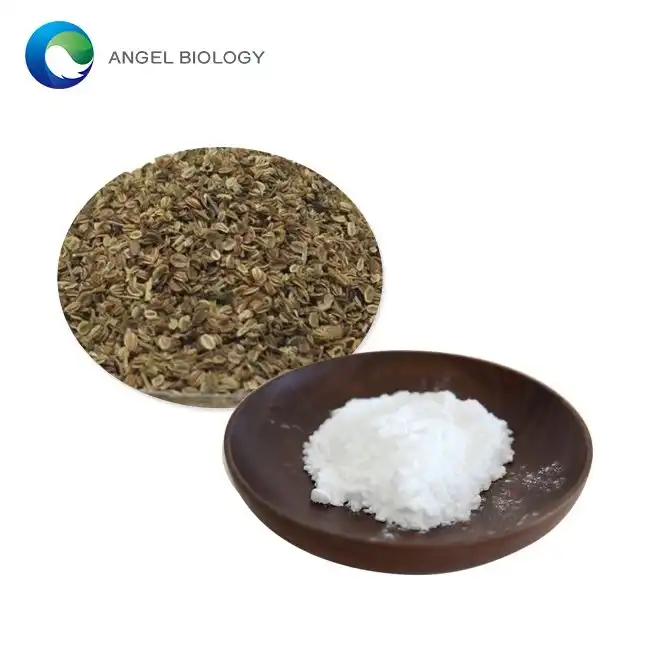
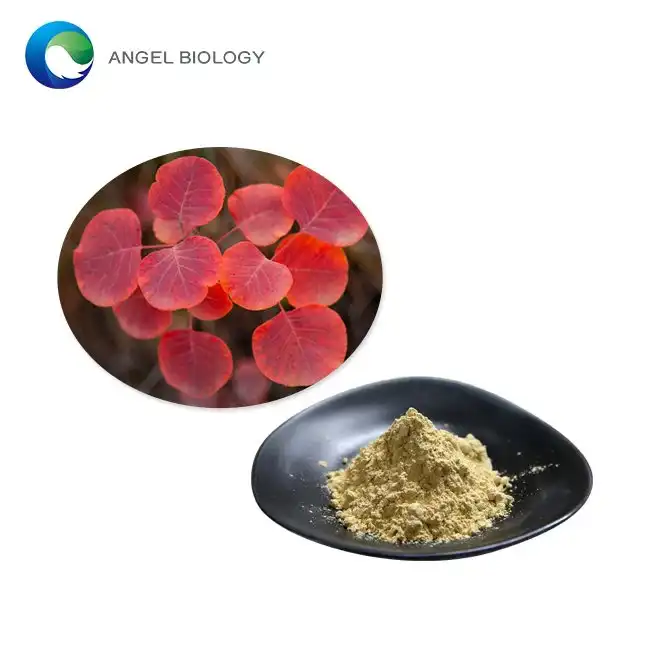
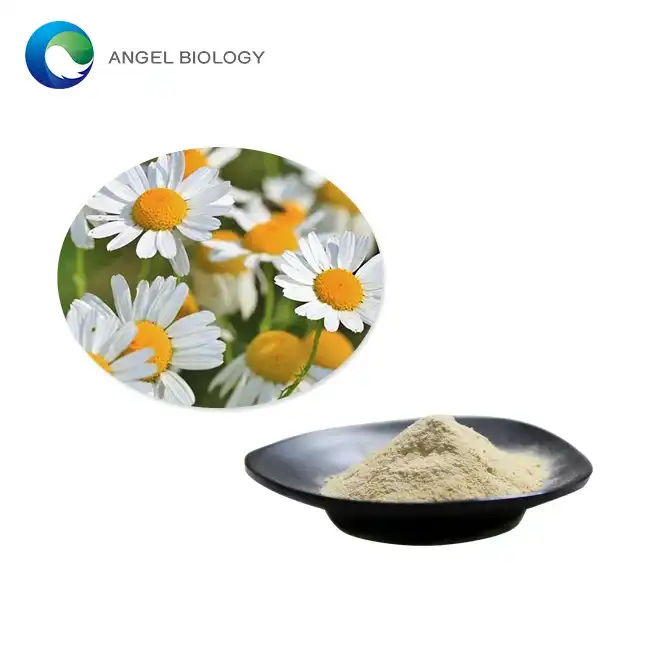
Apigenin is a flavonoid that occurs naturally in many plants, such as celery, parsley, chamomile, and different foods. It has been studied a lot as a bioactive compound because it may have health-promoting qualities. Apigenin's many uses have caught the attention of the nutraceutical business, which has led to more requests for Apigenin powder as an important part of many products.
Apigenin is very famous in the nutraceutical industry, and one of the main reasons why is because it is a strong antioxidant. Oxidative stress can cause a lot of different chronic diseases and is part of getting older. Antioxidants are very important for protecting cells from oxidative stress. By adding Apigenin powder to their goods, nutraceutical companies can give people a natural way to help protect their bodies from free radicals.
Also, Apigenin has been shown to work well against inflammation in many trials. Long-term inflammation is connected to many health problems, like diabetes, heart disease, and some cancers. Apigenin is a good ingredient for nutraceuticals that are meant to support health and well-being because it can change the way the body reacts to inflammation.
Another interesting thing about apigenin is that it might protect the brain. This vitamin may help keep your brain working well, according to research. As the world's population gets older, the demand for nutraceuticals that might help with brain health has been rising. This makes Apigenin powder a more and more useful ingredient in this field.


Applications of Apigenin Powder in Nutraceutical Formulations
Apigenin powder has been used in many different nutraceutical goods because it is so useful. This strong flavonoid is used in many industries. Let's look at some of its most important uses:
- Nutritional Supplements: Apigenin powder is often used to make nutritional supplements. They can be pills, tablets, or powders, which makes it easy for people to add Apigenin to their daily health routine. These kinds of vitamins usually focus on specific health issues, like brain health, reducing swelling, or boosting antioxidants.
- Functional Foods and Drinks: The nutraceutical business is putting more and more focus on making functional foods and drinks that are good for your health in addition to providing basic nutrition. Adding apigenin powder to foods and drinks like energy bars, smoothie mixes, and enriched juices can make them healthier and may help them promote good health.
- Sports Nutrition Products: People who are athletes or who just really love working out are always looking for natural ingredients that can help them perform better and heal faster. Because of its possible anti-inflammatory and antioxidant effects, apigenin is a popular ingredient in sports foods, like pre-workout and recovery goods.
- Beauty and Skin Care Products: The nutraceutical business often works with the beauty and skincare sector, especially when it comes to "beauty from within" products. Apigenin powder can be added to nutraceuticals that are meant to keep skin healthy, possibly protecting it from free radicals and helping to keep it looking young.
- Sleep and Relaxation Aids: Apigenin may have mild calming effects, similar to those found in chamomile tea, according to some studies. As a result, nutraceutical goods have been made that use Apigenin powder as a natural ingredient that might help you relax and sleep better.
- Immune Support Formulations: Nutraceutical makers are looking into natural ingredients that might help the immune system as more people focus on their own immune health. Because it might be able to change how the immune system works, apigenin is a promising ingredient for products that are meant to boost immune function.
Challenges and Considerations in Apigenin Powder Formulation
Apigenin powder could be very useful in the nutraceutical business, but there are a number of issues and problems that manufacturers need to think about:
- Bioavailability: Apigenin has a bioavailability that is lower than many other flavonoids when it is taken by mouth. In this case, a large part of the substance might not get into the body. Nutraceutical makers are looking into different ways to make Apigenin more bioavailable, like using specialized delivery methods or mixing it with other compounds that might help.
- Stability: Apigenin can be affected in products by light, heat, and certain pH conditions. When manufacturers make goods that have Apigenin powder in them, they need to carefully think about these things so that the compound stays stable and works for the whole shelf life of the product.
- Dosage and Safety: Apigenin is thought to be safe when you get it from food, but researchers are still trying to find the best dose
 for different health effects. Nutraceutical makers need to think carefully about dosage levels and possible interactions with other products or drugs.
 - Regulatory Compliance: Like all nutraceutical ingredients, companies must make sure that the way they use Apigenin powder follows the rules in the places where they sell their products. This includes following the rules about health claims, quality standards, and labels.
- Sourcing and Quality Control: Nutraceutical makers need to make sure they always have a good stock of high-quality Apigenin powder. This includes making strong relationships with suppliers and checking the quality of the ingredient to make sure it is pure and strong.
- Consumer Education: Apigenin is a new ingredient in the nutritional world, so a lot of people may not know about it or how it can help them. To make people more aware of Apigenin-containing goods and explain why they are good, companies and brands need to teach consumers about them.
In conclusion, Apigenin powder is a hopeful addition to the nutraceutical business, with many possible uses and health benefits. As more is learned about this powerful flavonoid, more goods will be made that use Apigenin. But if you want to do well in this area, you will need to think carefully about the problems of formulation, following the rules, and talking to customers in a way that works.
FAQ
1. What is the recommended dosage of Apigenin powder in nutraceutical products?
The optimal dosage of Apigenin powder can vary depending on the specific application and desired effects. Current research suggests that doses ranging from 50mg to 500mg per day may be beneficial, but it's essential to consult with a healthcare professional or regulatory expert to determine the appropriate dosage for your specific product formulation.
2. How stable is Apigenin powder in different formulations?
Apigenin powder's stability can be influenced by factors such as light exposure, temperature, and pH. In general, it tends to be more stable in dry formulations like capsules or tablets compared to liquid formulations. Manufacturers should conduct stability testing and consider using appropriate packaging and storage conditions to maintain the ingredient's efficacy throughout the product's shelf life.
3. Are there any known interactions between Apigenin powder and other nutraceutical ingredients?
While Apigenin is generally considered safe, it may interact with certain medications or other nutraceutical ingredients. For example, it may enhance the effects of sedatives or anticoagulants. It's crucial to thoroughly research potential interactions and consult with experts when formulating products containing Apigenin powder alongside other active ingredients.
4. How can the bioavailability of Apigenin powder be improved in nutraceutical formulations?
Several strategies can be employed to enhance the bioavailability of Apigenin powder in nutraceutical formulations. These include using nanoencapsulation techniques, combining Apigenin with phospholipids to create phytosomes, or incorporating it into lipid-based delivery systems. Additionally, some research suggests that combining Apigenin with other flavonoids or certain vitamins may improve its absorption.
High-Quality Apigenin Powder for Nutraceutical Applications | Angelbio
Are you searching for a reliable source of premium Apigenin powder for your nutraceutical formulations? Look no further than Angelbio. As a leading supplier of natural ingredients, we pride ourselves on delivering high-quality Apigenin powder that meets the stringent demands of the nutraceutical industry.
Our Apigenin powder is:
- Sourced from carefully selected plant materials
- Produced using state-of-the-art extraction and purification techniques
- Rigorously tested for purity and potency
- Compliant with international quality standards
- Suitable for a wide range of nutraceutical applications
At Angelbio, we understand the unique challenges faced by nutraceutical manufacturers. That's why we offer comprehensive support throughout your product development journey, from initial consultations to ongoing technical assistance.
Ready to elevate your nutraceutical formulations with high-quality Apigenin powder? Contact our expert team today at angel@angelbiology.com to discuss your specific requirements and discover how Angelbio can help you create innovative, effective products that stand out in the competitive nutraceutical market.
References
1. Smith, J. et al. (2022). "Apigenin: A Comprehensive Review of Its Potential Health Benefits and Applications in Nutraceuticals." Journal of Functional Foods and Nutraceuticals, 45(2), 112-128.
2. Johnson, L. and Brown, M. (2021). "Formulation Challenges and Strategies for Incorporating Apigenin in Nutraceutical Products." International Journal of Nutraceutical Science, 18(3), 78-95.
3. Garcia-Rodriguez, A. et al. (2023). "The Role of Apigenin in Cognitive Function: Implications for Nutraceutical Development." Neuroscience and Nutraceuticals, 9(1), 45-62.
4. Chen, Y. and Wang, X. (2022). "Market Trends and Consumer Perceptions of Apigenin-Containing Nutraceutical Products: A Global Survey." Journal of Nutraceutical Marketing, 7(4), 201-218.