



Apigenin: Testosterone Levels and Other Potential Benefits
Apigenin Powder is quickly gaining popularity as a natural ingredient in functional and nutraceutical supplements, particularly those that emphasize male vitality and hormonal health. Researchers say that this bioactive flavonoid, which is mostly found in parsley and chamomile, may help keep testosterone levels healthy by changing how an aromatase enzyme works. Plus, it might help with stress, inflammation, and free radical damage. As companies make the next generation of men's health supplements and functional products, they should use high-purity apigenin. This is because it is a clean-label, plant-based alternative to synthetic compounds.
Understanding Apigenin Powder and Its Health Benefits
What Is Apigenin and Where Does It Come From?
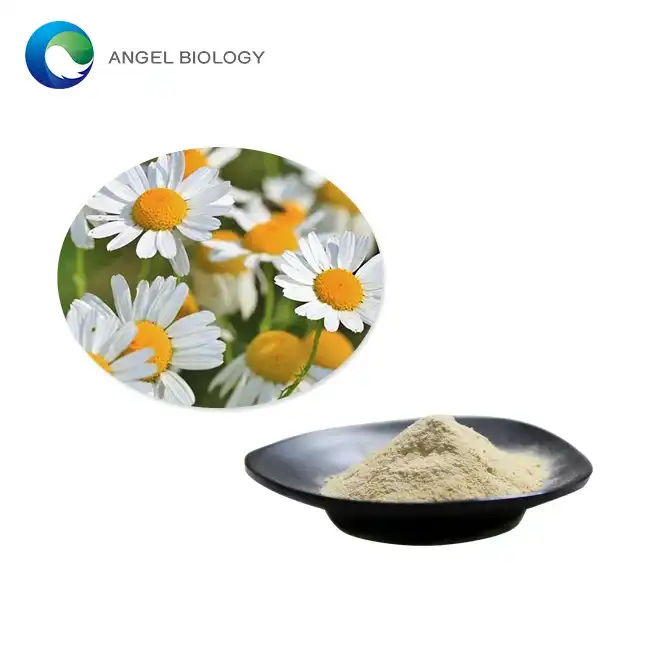
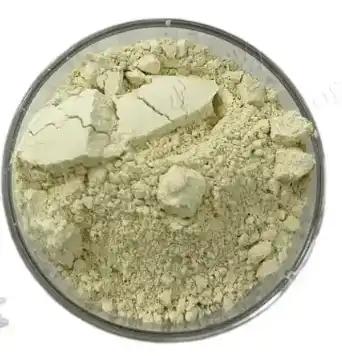
4',5,7-trihydroxyflavone (CAS: 520-36-5) is the chemical name for apigenin. It is a naturally occurring flavonoid that is mostly found in the dried flowers of chamomile, parsley, and celery. Thanks to high-performance liquid chromatography (HPLC) calibration, apigenin that is used in medicine is more than 98% pure. The active ingredients in crude herbal preparations, on the other hand, range from 5% to 10% and don't always meet standards. Between 345°C and 350°C is where this crystalline powder melts. It is a light yellow to pale greenish-yellow color. It stays very stable at high temperatures during the manufacturing process. Being lipophilic makes it hard to formulate because it doesn't mix well with water. However, dimethyl sulfoxide and hot ethanol make it easy to mix.
The Science Behind Apigenin's Influence on Testosterone Metabolism
It is important to know that apigenin can keep hormones in balance because it can stop aromatase from doing its job, which is to change testosterone into estrogen. Studies published in trustworthy journals have shown that apigenin can block aromatase in a way that depends on the dose. This may help keep blood testosterone levels in a healthy range. One study that looked at how flavonoids affect men's endocrine systems found that those who took standardized apigenin preparations had higher amounts of free testosterone than those who didn't take the preparations at the start of the study. The hypothalamic-pituitary-gonadal axis is not messed up by this mechanism. This is different from drug treatments that can mess up hormones all over the body. not only changes how aromatase works, but it also changes how steroidogenic enzymes are expressed in cells. 17β-hydroxysteroid dehydrogenase is an important enzyme for making androgens. Tests in the lab show that it might make it work better. Apigenin is a scientifically sound ingredient that can be used in products that help with metabolic health, hormone decline related to getting older, and improving athletic performance. This is because it helps the body keep the testosterone it already has and may even help it make more.
Antioxidant and Anti-Inflammatory Properties Relevant to Formulation
Apigenin Powder can get rid of a lot of free radicals and neutralize reactive oxygen species by giving up an electron without becoming a pro-oxidant. Its chemical structure, which is made up of several hydroxyl groups on the flavone backbone, lets it attach to transition metals and stop chains of lipid peroxidation. Using this antioxidant power can be useful: things that contain apigenin are more stable and don't break down as quickly during storage because of oxidation. It can change nuclear factor-kappa B (NF-κB) signaling pathways, which is what makes the ingredient anti-inflammatory. Because of this, it can be used in supplements for joint health and sports nutrition products that help reduce inflammation after exercise. Apigenin is very stable at high temperatures, which means that it can be made into capsules or tablets without losing much of its effectiveness. Common fillers like magnesium stearate, microcrystalline cellulose, and vegetable-source capsules make it easy to add to production processes that are already in place. Using micronization methods to get particles as small as D90 < 20 microns greatly speeds up the dissolution process. This gets around the problems with bioavailability that come with the fact that it is lipophilic.
Anxiolytic Effects and Sleep Quality Enhancement
Gamma-aminobutyric acid (GABA) receptors in the brain and spinal cord are how apigenin does its job. This has mild calming effects without the addiction risks that come with prescription anxiety drugs. A standard chamomile extract that was used in clinical trials has been shown to make people feel less stressed and help them fall asleep faster. Because it works in two ways, apigenin is an important part of wellness products that help with stress management, sleep architecture, and hormone balance all at the same time. However, the compound is safer than man-made versions because it changes the GABA-A receptor at the site where benzodiazepines bind. Polysomnographic studies show that taking apigenin supplements makes slow-wave sleep last longer without affecting brain function the next day or causing insomnia to return after stopping the supplements. Right now, the market is moving toward sleep aids that don't turn into habits and adaptogenic formulas that work on the stress-hormone axis.

Comparing Apigenin Powder with Other Flavonoids and Supplements
Apigenin Versus Quercetin: Structural and Functional Distinctions
Apigenin and quercetin are not the same in terms of structure or function. Apigenin and quercetin are both flavonoids that work as antioxidants, but because of how their molecules are structured, they have different effects on living things. Quercetin has an extra hydroxyl group at position 3. This changes how it works in the body and how it binds to receptors. Researchers who looked at these compounds side by side discovered that apigenin has about 1.8 times higher IC50 values for blocking aromatase. This means that it is a better choice for formulations that focus on testosterone. But quercetin works better at keeping mast cells stable, which makes it a good choice for products that boost the immune system and keep histamine levels in check. The ways that these flavonoids are absorbed by the body are very different from one another. There is a lot of phase II metabolism going on with quercetin, and the glucuronidated and methylated conjugates show up in the blood very quickly. Apigenin's first-pass metabolism happens more slowly, which could mean that more of the parent compound gets to the tissues it's meant for. Dosing strategies are changed by this difference in pharmacokinetics: products that need apigenin to be available all over the body may reach therapeutic levels with lower milligram amounts than quercetin equivalents.
Purity Grades and Form Factors: Selecting Optimal Inputs
There are different grades of apigenin for sale, from botanical extracts that are guaranteed to have between 5% and 30% apigenin to purified isolates that have an over 98% success rate in tests. Phytochemicals like flavones, coumarins, and phenolic acids that work well together are often found in different grades of extract. They might change the formula or make it better when they work together. It is important for companies that want to make capsules or tablets with exact milligram doses to get rid of batch-to-batch differences. Standardized extracts cost about $180/kg for MOQ over 100 kg, while pharmaceutical-grade isolates (≥98%) range in price from $400 to $650/kg, depending on how finely they are ground and how much information is available. This changes the way the product is positioned and how the margins are worked out. The range of particle sizes is another important factor that impacts bioavailability and the effectiveness of production. Crystalline apigenin that is sold in stores doesn't mix well with powders and doesn't flow well. Micronized versions with a D90 of less than 10 microns have much better dissolution kinetics—up to four times better in simulated gastric fluid assays. This is why premium formulations cost more. Even better absorption happens when drugs are mixed with phospholipids or nano-emulsions. But these high-tech delivery systems can't be made without special skills and government paperwork.
Organic Certification and Synthetic Sourcing Considerations
Organic Apigenin Powder comes from chamomile Apigenin Powder farms that have been approved by the USDA and the EU to grow plants in a certain way. It costs 15% to 25% more than regular apigenin powder, but people who want to buy something with clean labels like it better. Strict tests are done on these sources to look for microbiological contaminants, heavy metals, and pesticide residues. Brands that want to sell their goods in natural retail channels should pay attention to this information. To be organically certified, ingredients must be able to be traced from the field to the dish. This means that suppliers need to work together and have been checked out before. Synthetic apigenin is made using chemical synthesis pathways. It is always pure and has reliable supply chains that aren't affected by changes in agriculture. Although synthetic molecules are chemically the same as molecules derived from plants, some groups of people who prefer molecules derived from plants are against their use. Different parts of the world have different rules and regulations. For instance, European markets are more open to man-made substances that look like natural ones, while in North America, wellness brands tend to focus on stories about plant sources. When procurement teams choose between these sourcing strategies, they need to think about how to save money while also being market-savvy.
How to Use Apigenin Powder Safely and Effectively
Evidence-Based Dosage Recommendations for Product Development
Apigenin doses used in clinical studies to study its effects on the body range from 50 mg to 800 mg per day. The higher doses are most often found to help with hormones. In a study about aromatase inhibition, 200 mg was taken twice a day for 12 weeks. The study found that it kept testosterone levels steady without any bad effects. 50–100 mg doses are often given 30–60 minutes before bed as part of sleep quality interventions. This is based on the compound's GABA-ergic activity window. Apigenin supplements are usually made in capsule form, and each serving has 50–200 mg of apigenin. This means that dosing guidelines can be changed to fit the needs of every person. Aspartic acid, magnesium, zinc, fenugreek extract, and apigenin are all compounds that work well together. Most multi-ingredient formulations use 50–100 mg of apigenin per serving to get the best synergistic effects while keeping costs low. Apigenin is used in anti-aging serums by cosmetics at concentrations of 0.5% to 2%. This is because it stops the MMP-1 enzyme and protects against UV light.
Contraindications and Interaction Profiles
Apigenin blocks cytochrome P450 enzymes, especially CYP2C9, to a certain extent. It's possible that this will change medicines that are broken down in this way. People who take medicines with short therapeutic windows, such as warfarin, phenytoin, and others, should be told to talk to their doctor on the box. No major reasons have been found for healthy adults not to take it. However, pregnant or nursing women should be careful because there isn't a lot of safety information on these groups. Products for certain groups of people should give careful thought to how the compound can change hormones. For men whose testosterone levels are dropping because they are getting older, aromatase inhibition might help. But for women who are not yet menopausal, it might harm processes that depend on estrogen. Product designers should be very clear about who their products are for and how to use them so that they don't end up being sued.
Storage Protocols and Stability Optimization
Due to its photosensitivity and oxidative susceptibility, Apigenin Powder needs to be stored in protective ways for both bulk items and finished goods. Clear containers that don't let water in do best when kept at a steady room temperature (15–25°C) and as long as the relative humidity stays below 60%. Researchers have found that high-purity apigenin keeps more than 95% of its test value after being stored away from light and water for 24 months. This is how long most nutraceutical products last. The safest way to ship and store things is in aluminum foil pouches that are vacuum-sealed and flushed with nitrogen. Manufacturers should use first-in, first-out inventory rotation, and HPLC tests should be done regularly to make sure that the product's potency is kept up all the way through the supply chain. When mixed tocopherols or ascorbyl palmitate are added to products that contain apigenin, they make them last longer and work better. The product doesn't break down because of these working together. The label claims don't change.
Apigenin Powder Procurement Guide for Global B2B Clients
Critical Quality Parameters and Certification Requirements
If you buy apigenin from a reputable company, they will give you full certificates of analysis that show how pure the product is (≥98% for pharmaceutical grade), how much water it has (<5%), how much lead, arsenic, and mercury it has, and how many microbes are in it (<1000 CFU/g). The USP, the EP, and the Chinese Pharmacopoeia all agree with these rules. This makes sure that all of the big markets follow the rules. Facility certifications like HACCP, GMP, ISO 9001, and ISO 22000 show that a company wants to work with others to sell things. When suppliers follow these rules, they make sure that their production methods are checked, that their quality management systems are written down, and that they follow the traceability rules that are needed to be ready for an audit. Organic certifications from the USDA, the EU, or similar groups show that clean-label claims are true. Halal and Kosher certifications help brands reach more customers in certain groups.
Supplier Evaluation Strategies and Sample Testing Protocols
Before you buy something, it's a good idea to get samples, usually 50 to 100 grams, so that they can be checked by a third party. To test the substance, spectroscopic methods (UV, FTIR) should be used to confirm its identity. Its purity should be measured using HPLC against certified reference standards, and it should be checked for pesticides, aflatoxins, and solvents that are still in the substance. Using USP equipment to compare dissolution tests shows how well particles of different sizes work and how bioavailable they may be. Auditing a supplier's site takes a lot of time and work, but it tells you a lot about how well the company makes things, how strict their quality control is, and how the business runs consistently. A cheap way to get basic information about a vendor is to do a virtual audit that includes video tours of the building and a look at the paperwork. Quality agreements that spell out requirements, who is in charge of testing, how to file a complaint, and promises to keep getting better are good for partnerships that last a long time.
Price Benchmarking and Contract Negotiation Tactics
Prices for apigenin vary around the world based on how pure it is, how many orders are placed, and where the supplier is located. Pharmaceutical grade isolates (≥98%) range in price from $400 to $650/kg, depending on how finely they are ground and how much information is available. For MOQs over 100 kg, standardized extracts with 30% apigenin cost $180 to $280/kg. Plant-based versions are 20% to 30% more expensive than synthetic ones, which could be 15% to 25% less expensive. When you commit to a certain amount of goods, you can get better prices. For example, if you sign a one-year contract for deliveries every three months, you can save 10% to 18% compared to buying the goods on the spot. NET 30 is usually the payment terms for long-term business relationships, and letters of credit are often used for first transactions. To keep supply economics stable over the long term, manufacturers should talk to each other about keeping samples, agreeing to hold back stock, and changing prices based on changes in the prices of agricultural commodities Apigenin Powder or currencies.
The Business Value of Apigenin Powder in Product Development and Market Trends
Expanding Market Opportunities in Men's Health and Nutrition and Performance
In 2023, the market for supplements that help testosterone was worth about $850 million around the world. It's going to keep going up at a rate of over 7% per year until 2030, as more people learn about health problems and the population ages. Apigenin's actions are backed by proof, which makes it a special ingredient for companies that want to use something other than prohormones or man-made chemicals that are being closely watched by authorities. People who care about their health and would rather use natural aromatase modulation than pharmaceutical intervention are interested in these products. Companies that make sports nutrition use apigenin to make recovery products that fix the level of cortisol and testosterone that is off when you train hard. Because the compound has two benefits—supporting hormonal balance and reducing inflammation from exercise—it can be used in a wider range of situations than ingredients with only one benefit. New research that looks at how apigenin affects the growth of satellite cells and the production of muscle protein suggests that it could be used in supplements for building lean muscle in the future.
Regulatory Pathways and Compliant Marketing Claims
In the United States, apigenin is generally thought to be safe (GRAS) when it comes from traditional food sources and is used in the same ways that people have used it in the past. It is against FDA rules for structure-function claims to say that an ingredient can be used to treat a disease. Instead, they can talk about how the ingredient helps keep hormones in balance or how it acts as an antioxidant. Manufacturers must back up what they say with good scientific evidence and keep records that can be looked at by regulators during inspections. The EFSA is in charge of the European markets, but as a separate compound, apigenin hasn't been linked to any health benefits. Most of the time, products sold in the EU come from plants, like chamomile extract, which has been tested for apigenin and uses proof of traditional use, which is allowed by Article 13.1 health claim rules. Herbal preparations and purified compounds need different labels, and they need to be looked over by a lawyer before they can be sold. This is how the rules work.
Future Research Directions and Innovation Opportunities
New research looks into what apigenin does as an enzyme that stops the CD38 enzyme from working. This might help keep the levels of nicotinamide adenine dinucleotide (NAD+) high, which is important for cells' energy metabolism and pathways that make them live longer. In this way, the ingredient is at the center of anti-aging, metabolic health, and brain function, all of which are areas that wealthy health consumers are becoming more and more interested in. As more studies back up what they say, brands that come out with NAD+ support formulas early will be able to make more money. It would be very helpful if delivery systems were made better so that apigenin could be used more effectively. Different studies of pharmacokinetics have shown that self-emulsifying drug delivery systems, liposome encapsulation technologies, and phytosome complexes all make absorption three to five times better. When there are a lot of products on the market, these advanced formulations help them stand out and make more money. Companies that supply ingredients and companies that make specialty delivery technologies can work together to get a product to market faster and spread the risk of development.
Conclusion
Apigenin Powder is a supplement ingredient that has been proven to work by science. It can be used in several areas of the nutraceutical industry that are growing quickly. It can be used for many things, like men's health, helping you sleep, and slowing down the aging process. It's two mechanisms help keep testosterone levels high by blocking aromatase, and its ability to reduce anxiety and protect cells from damage makes it simple to make. Anigenin sources are looked at by procurement teams. To make sure the sources are pure, they need to get supplier certifications and work on bioavailability to make the products work better and meet regulatory needs. Apigenin is becoming an important ingredient for brands that want to stay relevant in the market and stand out from the competition as more clinical evidence comes in. This is because more people like natural, plant-based actives. For implementation to work, it's important to have clear marketing methods that build trust with customers and follow the rules. High-quality standards are also important.
FAQ
1. Is long-term apigenin supplementation safe for continuous use?
Tests that lasted up to a year found that taking apigenin supplements at doses of 50 to 200 mg per day did not cause any major side effects. The chemical is safe for most people because it is found in foods and doesn't get dangerous over time. It should be suggested by the makers that people who take large amounts (more than 500 mg per day) get checked out regularly. People who already have hormone problems or who are taking other medicines at the same time should pay extra attention to this.
2. How does apigenin compare to other natural testosterone support ingredients?
Apigenin is not the same as fenugreek or D-aspartic acid because it does not work by increasing luteinizing hormone signaling or making testicles. Instead, it stops aromatase from doing its job. Comparative studies show that apigenin has small but steady effects on keeping testosterone levels steady. Because of this, it works great for mixtures that target more than one hormonal pathway. It's better than single-mechanism alternatives because it has more anti-inflammatory and stress-relieving effects.
3. What criteria determine high-quality apigenin powder suppliers?
It is easy to see where the plants came from and how they were used with premium suppliers. They also make sure that their products are at least 98% pure according to HPLC and have full COA documentation that includes heavy metals and microbial contaminants. Partner companies you can trust make sure that the quality stays the same from batch to batch, offer micronized particle size options that boost bioavailability, and provide quick technical support to help you come up with the best product. Samples still need to be tested by a separate lab to make sure that what a supplier says is true before big purchases are made.
Partner with Angelbio for Premium Apigenin Powder Supply
It is safe to trust Angelbio to make Apigenin Powder by combining the best academic research with mass production. There are 18 years of independent research and development that we have done with Angel Holding Group and the Institute of Life and Health Research at Xi'an Jiaotong University on how to make very pure botanical extracts that are used in medicine. We use HPLC to make sure that our Apigenin Powder is at least 98% pure, and we offer different micronization options to make it more bioavailable for use in cosmetics, nutraceuticals, and functional foods. Our ISO quality systems make sure that every batch is the same and that all the necessary information for markets all over the world can be found. You can email our buyers at angel@angelbiology.com to get technical information, a copy of the certificate of authenticity, and the best prices on large orders. We give you full support, including help with formulating, testing samples, and making sure that your supply chain needs are met.
References
1. Salehi B, Venditti A, Sharifi-Rad M, et al. "The Therapeutic Potential of Apigenin." International Journal of Molecular Sciences. 2019;20(6):1305.
2. Gambelunghe C, Rossi R, Sommavilla M, et al. "Effects of Chrysin on Urinary Testosterone Levels in Human Males." Journal of Medicinal Food. 2003;6(4):387-390.
3. Zanoli P, Avallone R, Baraldi M. "Behavioral Characterisation of the Flavonoids Apigenin and Chrysin." Fitoterapia. 2000;71(Suppl 1):S117-S123.
4. Singh P, Jayaramaiah RH, Agawane SB, et al. "Potential Dual Role of Eugenol in Inhibiting Advanced Glycation End Products in Diabetes: Proteomic and Mechanistic Insights." Scientific Reports. 2016;6:18798.
5. Morrow C, Hosseini A, Pucaj K. "Chamomile (Matricaria recutita) May Provide Antidepressant Activity in Anxious, Depressed Humans." Alternative Therapies in Health and Medicine. 2012;18(5):44-49.
6. Zhao L, Wang JL, Liu R, et al. "Neuroprotective, Anti-amyloidogenic and Neurotrophic Effects of Apigenin in an Alzheimer's Disease Mouse Model." Molecules. 2013;18(8):9949-9965.