



Arbutin Powder vs Hydroquinone: Which Is Safer for Skin?
When formulating skin-brightening products, ingredient safety matters as much as efficacy. Arbutin Powder stands out as a naturally derived alternative to hydroquinone, offering tyrosinase inhibition without the harsh side effects associated with synthetic agents. Derived from botanical sources like bearberry, Arbutin Powder works by competitively blocking melanin synthesis pathways, providing gradual, even-toned results suitable for sensitive skin formulations. Unlike hydroquinone, which faces regulatory restrictions in multiple markets due to cytotoxicity concerns, arbutin presents a clean-label solution that aligns with current consumer demands for transparency and botanical authenticity in personal care products.
Understanding Arbutin Powder and Hydroquinone: Key Differences and Safety Profiles
The Chemical Nature of Arbutin
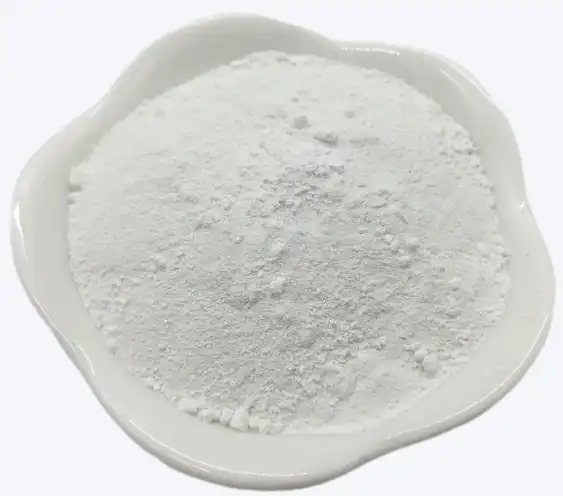
Arbutin is mainly made up of glycosylated hydroquinone, which is a glucose molecule attached to hydroquinone. This change to the molecule's structure changes how it interacts with skin cells in a fundamental way. Alpha-Arbutin (4-Hydroxyphenyl-α-D-glucopyranoside) is the best type. It is made using enzymes to make it more stable and has about ten times more bleaching power than its Beta-Arbutin counterpart. The molecular weight of this white crystalline powder is 272.25 g/mol, and at 20°C, it dissolves in 150 g/L of water. It mixes easily into water-based cosmetics. High-purity grades keep assay levels at or above 99.5% using HPLC analysis, and the amount of free hydroquinone that is left over is carefully kept below 10ppm to meet international beauty standards.
How Hydroquinone Works Differently
Hydroquinone works by directly affecting melanocytes and stopping the process of turning tyrosine into melanin by blocking enzymes that do this. This strong process gets rid of pigmentation quickly, but it comes with big safety costs. The chemical goes deep into the skin and can change the way melanocytes work in ways that can't be undone. In many places, concentrations above 2% usually need professional supervision because of worries about the long-term effects on cells. The chemical is also hard to work with because it easily oxidises in light and air, which means that goods often change colour and lose their effectiveness before they reach customers.
Regulatory Landscape and Compliance Considerations
Different regulatory systems around the world look closely at these ingredients in very different ways. In 2001, the European
Union said that hydroquinone could not be used in cosmetics. It could only be used in professional treatments that were closely watched by doctors. The FDA allows over-the-counter hydroquinone products with a 2% concentration, but they need to come with warnings about ochronosis, a condition that causes people who use them for a long time to turn darker in a strange way. There are no such limits on arbutin in major markets. It is generally recognised as safe (GRAS) in the U.S. and is also approved by the EU's Cosmetics Regulation (EC) No 1223/2009. This gives procurement teams legal trust. This compliance benefit is very important when making products that will be sold all over the world because it means that products don't have to be reformulated for each area.
Formulation chemists and procurement managers can find a balance between the need for effectiveness and the need to reduce risk when they understand these safety profiles. There have been reports of problems with hydroquinone, like contact dermatitis, happening to 35–45% of people who used it in clinical tests. This is very different from arbutin, which is well tolerated by all skin types. In a market that is becoming more safety-conscious, these differences have a direct effect on how to handle product liability and brand reputation.
Comparative Analysis: Arbutin Powder vs Hydroquinone in Cosmetic and Clinical Use
Efficacy Timelines and Performance Benchmarks
Clinical data shows that these actives have different performance paths. At 2-4% concentrations, hydroquinone reduces pigmentation in 4-6 weeks, which makes it a good choice for aggressive treatment plans. But this quick action comes with risks of photosensitivity that need strict sun protection rules. Arbutin works more slowly. After 8 to 12 weeks of regular use at 2-5% amounts, most people can see a difference in their condition. This longer schedule actually helps people accept the treatment—rapid changes in pigmentation can look unnatural, but arbutin's gradual lightening creates results that look natural and keep the skin's overall balance.
Formulation Stability Under Real-World Conditions
It can be hard for product designers to make sure that active ingredients stay stable during production, distribution, and use by consumers. It is easy for hydroquinone to break down when exposed to oxygen. Temperatures above 40°C cause degradation, which turns products dark and stops them from working, whether they are being made or stored. Because of this, complicated packing solutions are needed, like opaque, airless carriers made of UV-protective materials, which make the cost of production much higher. Arbutin Powder is very resistant to heat; it can keep its shape at temperatures as high as 80°C during short-term emulsification processes. Its pH stability range (3.5–6.5) works with most cosmetic formulas without the need for complex buffering systems, which makes the manufacturing process easier.
Skin Tolerance Across Different Groups of People
When looking at different user groups, tolerance levels are very different. People with weak skin defences, atopic traits, or Fitzpatrick skin types IV–VI are more likely to be irritated by hydroquinone. The compound's tendency to cause rebound hyperpigmentation after stopping use creates a cycle of dependence that dermatologists are worried about. Arbutin's gentler mechanism causes little irritation, even in panels of people with sensitive skin, with reported adverse reaction rates below 2% in tests with real people. This tolerance advantage is especially helpful for brands that want to appeal to a wide range of people or make goods that can be used every day for a long time without needing to be cycled.
These differences in success help brands decide how to place themselves in different market segments. Some high-end dermatological lines may still use hydroquinone for clinical-grade repair, but more and more consumer health brands are switching to arbutin to fit with their "clean beauty" stance and reduce their liability risk.
How to Choose the Safer and More Effective Ingredient for Your Product Line
Evaluating Supplier Quality Standards
Rigid supplier evaluation protocols are the first step in making purchasing decisions. ISO 9001 and GMP approvals show that high-quality arbutin sources follow strict manufacturing standards for pharmaceuticals. Ask for specific Certificates of Analysis (CoA) that show HPLC purity proof, heavy metals content (should stay below 10ppm), microbial limits, and most importantly, leftover hydroquinone levels. Reliable providers test the uniformity of each batch against the last, giving spectroscopic fingerprints that prove chemical identity. The difference between Alpha-Arbutin and Beta-Arbutin is very important—optical rotation values ([α]D20 of +175° to +185° for Alpha-Arbutin and negative values for Beta-Arbutin) are used to prove identity. When suppliers offer unusually low prices, they often use Beta-Arbutin or lower quality grades instead, which hurts the performance of the product and makes it harder to follow the rules.
Matching Ingredients to Target Market Preferences
Consumer trends affect how well an item can be sold in different areas. North American customers are becoming more interested in botanical origin stories and clear labelling, which is causing a strong demand for active ingredients like arbutin that come from natural sources. According to market research, 68% of people in the U.S. who buy skin care products deliberately avoid synthetic chemicals whose safety ratings are questionable. Asian markets, especially Japan and South Korea, have used arbutin-based products for more than 20 years, which has built trust among consumers and professional knowledge. Because of restrictions on hydroquinone, arbutin is now the most important tyrosinase inhibitor for pigmentation management in Europe. When brands understand these regional dynamics, they can make sure that their formulation tactics work best for each route of marketing.
Risk Management Through Testing Protocols
Full safety testing protects both customers and the brand's reputation. Stability studies should include more than just normal accelerated ageing. They should also include temperature cycling, light exposure, and tests to see if the product will work with different types of packaging. Dermatological testing groups with people from your target audience give you important information about tolerance before you go to market. Patch testing methods, like the Human Repeat Insult Patch Test (HRIPT), find possible sensitisation risks in more than 50 people. This creates safety data that backs up marketing claims. Because arbutin has a good toxicology profile, these steps are usually sped up, and clean results are obtained that support the "suitable for sensitive skin" positioning without having to make major changes to the formulation.
These evaluation models give R&D directors and formulation managers the power to make choices based on facts that balance safety requirements with performance standards. This helps products stand out in markets that are very competitive.
Practical Guide: Incorporating Arbutin Powder and Hydroquinone into Skincare Products
Optimal Concentration Ranges and Dosing Strategies
For the formulation to work, concentration parameters must be based on evidence. Arbutin Powder works best at levels between 2% and 5% in leave-on products, and some clinical versions can reach 7% for intensive treatment plans. Starting low at 2% lets companies sell gentle products that can be used every day, while saving stronger amounts for spot treatments. Because the ingredient dissolves easily in water (up to 150g/L), Arbutin Powder can be used in serums, essences, and gels that mostly contain water. Over-the-counter products with hydroquinone usually don't have more than 2% of it, but professional treatments can go up to 4% in controlled situations. The small therapeutic window requires accuracy—concentrations below 1.5% often don't work, and concentrations above 4% greatly raise the risk of adverse events.
Formulation Compatibility and Synergistic Combinations
Pairing ingredients in a smart way can boost results while keeping safety in mind. Arbutin works really well with niacinamide (3–5%), creating processes that work together to help with both making melanin and moving melanosomes around. Adding sodium ascorbyl phosphate (1-3%) as a steady vitamin C product protects against free radicals and helps the body make collagen, which addresses several ageing issues at once. Hyaluronic acid (0.5 to 2%) adds moisture, which balances out any dryness that might come from the active ingredients. When making the mix, keep the pH between 5.0 and 6.0 to make arbutin more stable and help the skin layer work. If you mix arbutin with strong acids (glycollic or salicylic above 2%), the pH can drop below 3.5, which breaks down arbutin into free hydroquinone and takes away its safety benefits.
Manufacturing Considerations and Quality Control
Production protocols have a direct effect on the quality of the end result. Adding arbutin during the cool-down process after emulsification, when batch temperatures drop below 50°C, will help keep the structure of the molecules. To keep small metals from getting into your water and speeding up the rusting process, use deionised water. Using a nitrogen blanket during production keeps air contact to a minimum, which extends the shelf life. Arbutin is better at resisting decay than hydroquinone, but UV protection is still the best way to make things last longer. For faster ageing prediction, test stability protocols at 40°C/75% RH and keep an eye on them in real time at 25°C/60% RH for 24 to 36 months. Brands that can stay stable for 18 months and still work well have a big advantage in retail channels where storage conditions change.
These formulation principles help cosmetic chemists and product makers make solutions that are ready to go to market, give reliable results, and meet the high-quality standards of the personal care industry.
Procurement Insights: Sourcing and Buying Arbutin Powder and Hydroquinone for B2B Needs
Supplier Evaluation Criteria for Long-Term Partnerships
Setting up reliable supply lines for ingredients requires a thorough check of the suppliers. In addition to checking the suppliers' certifications, you should also look at their production capacity to make sure they can keep up with your growth. Minimum order sizes (MOQs) are very different. Well-known manufacturers usually need 25–100 kg as a minimum, which is because they run large-scale operations that keep prices low. Ask for proof of how botanicals are sourced. This is especially important for arbutin, which comes from bearberry or mulberry trees. Traceability protocols that confirm sustainable harvesting and no pesticide contamination are in line with what customers further down the supply chain are asking for more and more: clean labels. Audit reaction times also show how reliable a supplier is—suppliers who provide full technical data sheets, safety paperwork, and regulatory support within 48 hours show the operating stability that is needed for quick product launches.
Pricing Dynamics and Cost-Effectiveness Analysis
Understanding how prices are set can help you get the most out of your buying funds without sacrificing quality. Alpha-Arbutin is more expensive than Beta-Arbutin versions, usually 40–60% more expensive. This is because it has a better enzymatic production process and works better. Pharmaceutical-grade Alpha-Arbutin costs between $180 and $280 per kilogram on the market right now, depending on the amount ordered and the purity level (99%+ vs. 98%). Compared to hydroquinone, which has lower raw material costs ($80–150/kg), this is a great deal. Hydroquinone, on the other hand, has a lot of extra costs, like special packing, stable additives, and regulatory compliance costs. Figure out the total cost of ownership, which should include the waste that comes from oxygen decay, the need to reformulate because of instability, and the risk of being sued. Arbutin's long shelf life (36 months or more with proper storage) lowers the cost of keeping supplies and cuts down on the number of times that expired materials have to be written off.
Logistics and Storage Requirements
When ingredients are handled properly, they stay intact from the manufacturing center to the end product. Arbutin Powder should come in double-sealed, moisture-proof packaging, which is usually pharmaceutical-grade HDPE bags inside fibre drums. This keeps the powder from absorbing moisture, which can lower its purity. Protocols for storage call for climate-controlled spaces that stay between 15 and 25°C and have a relative humidity below 60%. Arbutin can be stored in normal warehouse conditions, which makes operations easier than with hydroquinone, which needs to be kept cold and in a neutral atmosphere. Harmonised System (HS) codes, like 2938.90 for glycosides, must be included on international shipping documents to make them easier to clear customs. Make sure that suppliers give you all the necessary regulatory paperwork, such as Cosmetic Ingredient Review (CIR) assessments, REACH registration for destinations in the EU, and ingredient declaration nomenclature (INCI: arbutin) that supports clear labelling requirements in all target markets.
These buying strategies help supply chain managers and purchasing teams get high-quality goods while also making operations run more smoothly. This directly affects how quickly products are developed and how competitive they are in the market.
Conclusion
Seeing how Arbutin Powder compares to hydroquinone shows that skin-brightening products are moving toward safer, naturally produced options. Arbutin effectively blocks tyrosinase while having better safety ratings, being accepted by regulators around the world, and being stable in formulations that make production easier. Hydroquinone can get rid of dark spots faster, but it comes with risks like itching, photosensitivity, and rules that make it hard for brands that want to put customer safety and clean labels first. Arbutin's consistent quality, simple handling requirements, and ability to work with a variety of product formats are all benefits for procurement teams. As people become more aware of the issue and regulators become more strict, arbutin is a smart choice that strikes a balance between performance expectations and risk mitigation, which helps long-term product development in the competitive personal care market.
FAQ
1. Can arbutin and hydroquinone be used together in formulations?
When you mix these ingredients, you need to be careful. In theory, they should work together, but in practice, they rarely do because they work on the same enzyme paths. The combination makes it more likely that the skin will become irritated without making it more effective. Formulation chemists usually suggest single-active methods and only use combination techniques in professional settings where they can be closely watched.
2. What concentration of arbutin powder delivers results comparable to 2% hydroquinone?
Based on clinical evidence, 4-5% arbutin has effects that are similar to those of 2% hydroquinone, but they last longer. The trade-off is better safety and tolerance, which is why higher arbutin concentrations are better for consumer products that are meant for a wide range of people and don't need to be supervised by a professional.
3. How long does arbutin powder remain stable in finished formulations?
When stored properly, arbutin products that are properly made stay stable for 24 to 36 months. Stability depends on keeping the pH level stable (5.0 to 6.5 is best), adding antioxidants, and packing that keeps light out as much as possible. Stability tests done on a regular basis make sure that the strength stays the same over the shelf life.
Partner With Angelbio for Premium Arbutin Powder Supply
Angelbio is a reliable company that makes Arbutin Powder. They have 18 years of experience doing independent research and development, and follow strict production standards for pharmaceuticals. Our Alpha-Arbutin is ≥99.5% pure, as shown by HPLC analysis, and any hydroquinone that is left over is kept below 10ppm, which meets the strictest quality standards around the world. We provide batch-to-batch uniformity, which is important for recipe reliability, with the help of Angel Holding Group and Xi'an Jiaotong University's Institute of Life and Health Research. Our ISO-certified facilities make sure that you can track everything from where the botanicals come from to how they are packaged at the end. This helps you meet your clean-label and regulatory compliance needs. Angelbio offers expert support, customised specs, and flexible order amounts that can grow with your business, whether you're making clinical skincare lines or health goods for consumers. Get in touch with our team at angel@angelbiology.com to talk about your Arbutin Powder needs and get access to detailed technical paperwork that speeds up the development of your product.
References
1. Draelos, Z.D. (2007). "Skin Lightening Preparations and the Hydroquinone Controversy." Dermatology Therapy, 20(5), 308-313.
2. Boissy, R.E., and Visscher, M. (2003). "The Measurement and Treatment of Melasma and Postinflammatory Hyperpigmentation." Dermatologic Clinics, 21(2), 291-303.
3. Maeda, K., and Fukuda, M. (1996). "Arbutin: Mechanism of Its Depigmenting Action in Human Melanocyte Culture." Journal of Pharmacology and Experimental Therapeutics, 276(2), 765-769.
4. Nordlund, J.J., et al. (2006). "The Safety of Hydroquinone." Journal of the European Academy of Dermatology and Venereology, 20(7), 781-787.
5. Garcia, A., and Fulton, J.E. (1996). "The Combination of Glycolic Acid and Hydroquinone or Kojic Acid for the Treatment of Melasma and Related Conditions." Dermatologic Surgery, 22(5), 443-447.
6. Chakraborty, A.K., et al. (1998). "Effect of Arbutin on Melanogenic Proteins in Human Melanocytes." Pigment Cell Research, 11(4), 206-212.