



Ashwagandha Root Extract Powder for Stress & Sleep Formulations
Ashwagandha Root Extract Powder is now an important part of many stress and sleep products in the nutraceutical industry. This standardised plant material comes only from the roots of Withania somnifera. It contains concentrated withanolides that are usually between 2.5% and 10%, which is much higher than the 0.1% to 0.5% found in raw root powder. We know how hard it is to formulate because of things like inconsistent batches, low bioavailability, and the need for ingredients that are ready for compliance. This guide takes care of those problems and helps purchasing managers, R&D leaders, and formulation teams make sure their buying choices are in line with clean-label trends and US market regulations.
Understanding Ashwagandha Root Extract Powder and Its Benefits
Origin and Manufacturing Excellence
To make Ashwagandha Root Extract Powder, the roots of the Withania somnifera plant are carefully chosen. These roots are usually gathered from areas where cultivation is controlled. Modern methods of extraction, such as hydro-alcoholic and water-based ones, reduce the bioactive substances while keeping their therapeutic value. Standardised extracts of herbs are different from raw herb materials because they go through a lot of steps to remove the fibrous parts and combine the active ingredients into a stable, useful ingredient.
Leaf adulteration is a common problem in the business, and the manufacturing method directly addresses it. Some suppliers add aerial parts to boost the amount of withanolide, which increases Withaferin A—a cytotoxic compound that can only be used in adaptogenic settings—by accident. Root-only sourcing policies and HPLC verification make sure that your formulations only contain therapeutic compounds and no other substances that aren't needed.
Evidence-Based Adaptogenic Properties
There is a lot of evidence in the scientific literature that Ashwagandha can change the hypothalamic-pituitary-adrenal axis, which controls the stress reaction. Standardised withanolide extracts have been shown in clinical tests to lower serum cortisol levels and support good sleep architecture. Because it works in two ways, this ingredient is especially useful for stress-relieving products aimed at today's health-conscious customers.
The adaptogenic qualities do more than just control cortisol levels. Research shows that brain function, exercise healing, and general resistance to stress in the environment are all getting better. These many benefits let formulators make goods that stand out in the market and make promises about their effectiveness that can be backed up.
Practical Application Guidelines
The best dose depends on the concentration of withanolide and the results that are wanted. For stress management, 300 mg to 600 mg daily of an extract standardised to 5% withanolides is usually used in clinical studies. For sleep support, similar or slightly higher amounts may be used. The substance works well in a number of different release methods, such as pills, tablets, powders, and functional drinks.
Consumer experience is affected by timing issues. Dosages spread out during the day work well for stress resilience formulations, while doses given in the evening work well for sleep-promoting formulations. Increasing bioavailability with liposomal technology or black pepper extract co-administration is a new method being used by high-end product lines that want to improve absorption rates.
Comparing Ashwagandha Root Extract Powder with Alternatives
Extract Versus Raw Root: Critical Differences
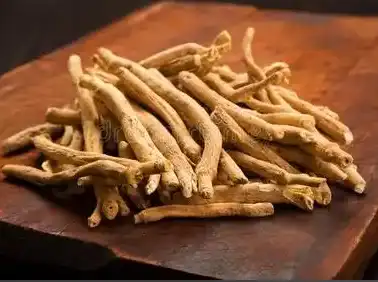
The main difference between standardised extract and raw root powder is how well the mixture works. On average, 0.3% of raw Ashwagandha Root Extract Powder is made up of withanolides. To reach therapeutic levels, large amounts are needed, usually 3 to 6 grams per day. This extra volume makes it harder for people to follow through, and it raises the cost per dose even though the prices of the ingredients are going down.
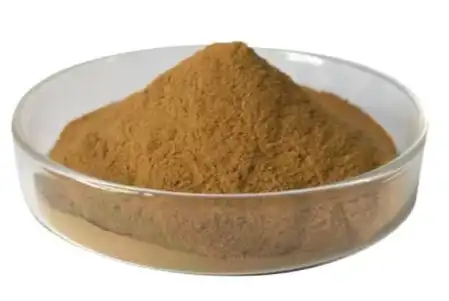
Concentration ratios of standardised extracts, which are usually between 10:1 and 20:1, solve this problem. A 300mg 5% withanolide extract has the same or more bioactive value as several grams of raw material. This makes single-capsule dosing easier, which improves compliance and customer happiness.
Extraction Technology Impact
The standard method for extracting withanolides that are lipophilic is still hydro-alcoholic extraction, which leaves behind solvent profiles below 5000ppm ethanol. Water-based extraction, which is sometimes called "green chemistry," is appealing to brands that make natural processing claims, but it may produce slightly different phytochemical profiles that need to be checked to make sure they are the same.
Cold-processed extraction methods keep heat-sensitive compounds safe, but they usually work less efficiently, which affects the economics of production. For large-scale manufacturing where batch uniformity and cost certainty are important, conventional thermal extraction is better because it gives higher rates and more stable profiles.
Standardized Versus Blended Formulations
Pure, standardised Ashwagandha extract gives formulators the most freedom to mix ingredients in their own unique ways and precisely control dosages. Stress or sleep combinations that already contain Ashwagandha and other herbs that work well together make production easier but make it harder to stand out. It depends on your brand plan whether you want to build a custom formula or get a product to market faster with tested ingredient combinations.
How to Choose the Best Ashwagandha Root Extract Powder Supplier
Essential Quality Certifications
Verifying source documents that show excellent manufacturing is the first step in following the rules. GMP approval proves that current good manufacturing practices are being followed, which is important for quality systems that are used in pharmaceuticals. Organic certification proves that the crops are grown and processed without using pesticides, meeting customer demand for goods with clean labels. Getting ISO 22000 approval shows that you have a complete method for managing food safety.
Check out analytical testing protocols in addition to baseline certifications. Reliable suppliers give Certificates of Analysis that show the amount of withanolide in the product by using HPLC, heavy metal screening to make sure levels are below 10ppm, microbial testing to make sure safety standards are met, and residual solvent analysis. Validation by a third-party lab gives your product more credibility and makes your procurement team's job of making sure quality standards easier.
Evaluating Production Capacity and Reliability
Problems in the supply chain can make it hard to launch new products or keep making old ones. Check to see how much a possible supplier of Ashwagandha Root Extract Powder can produce compared to the amount you need, including extra ability in case demand changes with the seasons. When you do a site check, whether it's online or in person, you can find out about the manufacturing skills, quality control infrastructure, and operating stability indicators.
Ask for stable data that shows how long something will last in a certain type of storage. When stored in a cool, dry place with the right packaging, the material usually stays effective for 24 to 36 months. Understanding degradation curves helps improve inventory management and ensures that the shelf life of finished goods fits market standards across all lines of distribution.
Sample Testing and Trial Orders
Before making large purchases, evaluating samples is a very important step to lower the risk. Request 100g to 500g samples for full testing, which includes evaluating the taste and smell, making sure the analysis matches the supplier's requirements, and testing how well the recipe works with the sample. Check how the powder flows, how it blends, and how stable it is in your specific matrix.
Scale-up validation and production line integration testing can be done with trial orders that weigh between 5 kg and 25 kg. This step-by-step method finds problems that might happen, like when the amount of moisture affects encapsulation, when the size distribution of particles affects the regularity of the blend, or when formula components combine in ways that were not expected. The extra investment prevents expensive bulk purchases of materials that don't work together from happening.
Procurement Process and Logistics for Ashwagandha Root Extract Powder
Streamlined Ordering and Documentation
Efficient procurement workflows shorten the time it takes to develop a product and make sure that compliance paperwork goes with every shipment. Set clear requirements, such as the amount of withanolide, the size of the particles, the bulk density, and the purity levels. Detailed buy orders help keep everyone on the same page and make it easier to check the quality when the goods arrive.
Certificate verification includes more than just Certificates of Analysis. It also checks for allergens, GMOs, BSE/TSE compliance, and country-of-origin certifications. These papers help with government filings, meet retailer standards, and allow you to track your products all the way through the supply chain, which is becoming more and more important as people expect more transparency.
International Shipping Considerations
Costly delays at international borders can be avoided by correctly classifying goods and making sure that paperwork is complete. Ashwagandha Root Extract Powder is usually classified under HS code 1302.19, which is for plant extracts. However, it is best to check with customs dealers to make sure it is properly classified. Phytosanitary certificates may be needed depending on the countries of origin and destination, especially for materials that are certified as organic.
Choosing the right packaging protects the goods while also making processes run smoothly. Putting hygroscopic powders in double-polyethylene bags inside fibre drums keeps them dry while keeping freight costs low. By preventing oxidation during storage and transport, nitrogen flushing increases the shelf life of food. When shipping along tropical routes, where temperature and humidity changes can damage goods, climate-controlled shipping is necessary.
Protocols for Storage and Handling
The quality of the ingredients stays high from the time they are received until they are used in a product. When the temperature is below 25°C and the relative humidity is below 60%, store Ashwagandha extract in containers that can't be opened. Light-resistant packaging keeps sensitive withanolide compounds from breaking down in sunlight. Use first-in, first-out inventory rotation and regular reanalysis for old items that are getting close to their expiration dates.
The way things are handled should make dust production and contact as low as possible. Even though Ashwagandha is not very dangerous, workers should wear dust masks and make sure there is enough air flow while they are weighing and mixing it. Material Safety Data Sheets give you a lot of information about safety and how to handle an emergency at your facility.
Formulating Stress & Sleep Products with Ashwagandha Root Extract Powder
Synergistic Ingredient Combinations
Adding Ashwagandha Root Extract Powder to a formula with other plants that work well together makes it work better in more than one way. Some effective stress-relieving combinations are:
- Pairing with L-theanine has two effects: it modifies cortisol and GABA, making you calm and alert without making you sleepy.
- Rhodiola rosea adds support for mitochondria and better mental focus, which makes it especially useful for stress-relieving formulas for working professionals.
- Magnesium glycinate helps the adaptogenic base by relaxing muscles and calming the nervous system.
Astragalus and valerian root work together to improve GABAergic activity in sleep-specific formulas. Passionflower extract helps serotonin pathways, and melatonin controls your body's internal clock. These mixes improve the quality, length, and start of sleep through different but complementary paths, leading to better results for consumers than single-ingredient methods. To balance the dose, you need to know the therapeutic range of each ingredient and how it might interact with other ingredients. Bioavailability boosters, such as 5 mg to 10 mg of black pepper extract, can help the body absorb more of many formula ingredients.
Delivery Format Considerations
Dosage accuracy, ease of production, and consumer familiarity are all benefits of capsule formulations. Two-piece veggie or gelatin pills can hold Ashwagandha extract mixed with other powders or mixed with oils using softgel technology. Size 00 capsules can hold between 600 mg and 800 mg of powder blend, which makes it easy to use just one capsule for many formulas.
Tablet formats offer more ways to brand because they come in custom shapes and scoring options, but they need extra ingredients to be compressed and may have higher minimum order quantities. Powder delivery methods are appealing to people who want to be flexible and put it into food or drinks, but they need to be better at hiding the bitter taste of Ashwagandha. Concerns about palatability can be solved by encapsulating flavours or mixing them with ingredients that taste good.
Liquid tinctures and functional beverages are new business opportunities, but they are also hard to make technically. Because Ashwagandha doesn't mix well with water, it needs to be dissolved using cyclodextrin complexation or emulsification technology. When the medium is a liquid, stability testing is especially important because changes in pH, temperature, and light speed up degradation. Regular production batch testing makes sure that the manufacturing process is consistent, and checking by a third party on a regular basis improves quality assurance systems and boosts customer trust.
Conclusion
To find good Ashwagandha Root Extract Powder, you have to balance a lot of things: standard potency, source reliability, legal compliance, and compatibility with formulations. The ingredient's proven ability to help with stress relief and sleep makes it a key player in the growing health market, where demand for natural choices keeps rising. In the competitive nutraceutical market, your company can make unique products that meet strict quality standards and meet real consumer needs by evaluating suppliers thoroughly, using staged procurement processes, and formulating products based on evidence.
FAQ
1. What safety considerations apply to ashwagandha extract?
In clinical studies, standard doses of ashwagandha were found to be very safe. However, it should not be taken while pregnant or breastfeeding. Because they might stimulate the thyroid, reactions between thyroid medications need to be closely watched. Root-only extracts with controlled levels of Withaferin A are less likely to cause cell death than materials that also contain leaves.
2. How can I verify extract purity and standardization?
Ask a third-party lab to give you Certificates of Analysis that show the HPLC-verified amount of withanolide, heavy metal screening, microbial testing, and pesticide residue analysis. Reliable suppliers keep testing protocols clear and provide batch-specific documentation. Think about having outsiders try the first samples to make sure the supplier's claims are true before you buy a lot of them.
3. Does ashwagandha interact with other sleep-supporting ingredients?
Ashwagandha can be safely mixed with most herbal sleep aids and nutrients, and these combinations may work better together by working in different ways. Because it supports many biochemical processes without directly sedating, it can be used with herbs that increase GABA, magnesium, and melatonin. Formulation testing makes sure that certain mixes work with your product grid.
Partner with Angelbio for Premium Ashwagandha Root Extract Powder Supply
Reliable chemical partnerships are needed for high-quality formulas. Angelbio has been doing research and development for more than 18 years and can test Ashwagandha Root Extract Powder to make sure it meets the high standards of businesses that make nutraceuticals, functional supplements, and sports nutrition. Our partnership with the Institute of Life and Health Research at Xi'an Jiaotong University guarantees the use of cutting-edge extraction technology and strict quality standards throughout production.
We offer standardised extracts with confirmed amounts of withanolide, full analytical reports, and certificates that meet international safety standards. Our supply chain integration makes sure that your products are always available and delivered on time, no matter how many you need for a test run or how many you need for mass production. As your reliable provider of Ashwagandha Root Extract Powder, email angel@angelbiology.com right now to get technical details, trial amounts, or to talk about special bulk prices. Visit angelbiology.com to see our full line of natural ingredients that are improving health around the world through innovation and high quality.
References
1. Kumar, A., & Kalonia, H. (2018). Ashwagandha root extract: A comprehensive review on traditional use, phytochemistry, pharmacology, and toxicology. Journal of Ethnopharmacology, 233, 174-201.
2. Chandrasekhar, K., Kapoor, J., & Anishetty, S. (2012). A prospective, randomized, double-blind study examining the efficacy and safety of an ashwagandha extract in stressed adults. Indian Journal of Psychological Medicine, 34(3), 255-262.
3. Singh, N., Bhalla, M., de Jager, P., & Gilca, M. (2011). An overview of ashwagandha: A Rasayana of Ayurveda. African Journal of Traditional, Complementary and Alternative Medicines, 8(5S), 208-213.
4. Salve, J., Pate, S., Debnath, K., & Langade, D. (2019). Adaptogenic and anxiolytic effects of ashwagandha root extract in healthy adults. Cureus, 11(12), e6466.
5. Lopresti, A. L., Smith, S. J., Malvi, H., & Kodgule, R. (2019). An investigation into the stress-relieving and pharmacological actions of an ashwagandha extract. Medicine, 98(37), e17186.
6. Deshpande, A., Irani, N., Balkrishnan, R., & Benny, I. R. (2020). A randomized, double-blind, placebo-controlled study to evaluate the effects of ashwagandha extract on sleep quality in healthy adults. Sleep Medicine, 72, 28-36.