



Best Apigenin Powder for Bulk Purchase: A Complete B2B Buying Guide
When sourcing high-quality apigenin powder for bulk purchase, B2B buyers need a comprehensive understanding of this premium natural flavonoid extract. As a bioactive compound derived from chamomile and parsley, apigenin represents one of the most sought-after ingredients in the nutraceutical, cosmetic, and pharmaceutical industries. This complete buying guide addresses critical procurement considerations, quality standards, and supplier evaluation criteria to help industry professionals secure reliable supplies of this valuable botanical extract for their manufacturing operations.
Understanding Apigenin Powder: Properties and Benefits
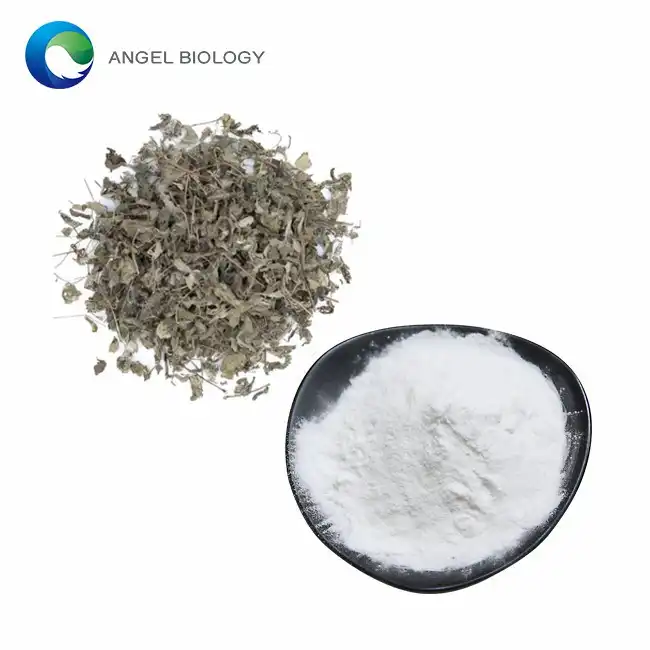
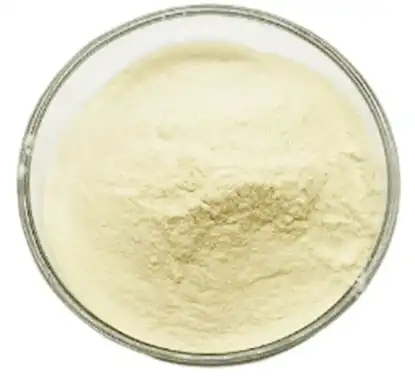
Apigenin powder, chemically known as 4',5,7-trihydroxyflavone (CAS: 520-36-5), stands out as a high-purity bioactive flavonoid concentrate typically derived through advanced extraction processes from Matricaria chamomilla (Chamomile) or Petroselinum crispum (Parsley). The molecular formula C15H10O5 and molecular weight of 270.24 g/mol define this crystalline compound that appears as a light yellow to pale yellow microcrystalline powder.
Physical and Chemical Properties
The distinctive characteristics of pure apigenin powder make it particularly valuable for industrial applications. With a high melting point of approximately 345°C–350°C, this flavonoid demonstrates exceptional thermal stability during processing operations. However, formulation chemists must consider its lipophilic nature, as the compound remains practically insoluble in water while showing solubility in DMSO and hot ethanol solutions.
High-quality commercial grades undergo micronization processes to reduce particle size (D90 < 20 microns), significantly improving bioavailability and dissolution rates in various formulations. This technical advancement addresses the inherent challenge of poor aqueous solubility, making the ingredient more suitable for diverse applications across multiple industries.
Biological Activities and Applications
The therapeutic potential of apigenin extends across multiple biological pathways, positioning it as a versatile ingredient for health-focused products. Research demonstrates its effectiveness as a potent antioxidant, anti-inflammatory agent, and modulator of GABA receptors, making it particularly valuable for formulating sleep aids and stress-relief supplements.
Manufacturing companies benefit from apigenin's ability to eliminate batch-to-batch potency variability commonly found in raw herbal powders. The standardized extraction process ensures consistent active compound concentrations, enabling precise milligram dosing without the impurities associated with crude plant matter.

Comparison of Apigenin Powder with Similar Flavonoid Supplements
Understanding how apigenin compares to other flavonoids helps procurement teams make informed decisions about ingredient selection. The competitive landscape includes several notable compounds that share similar applications but differ in specific properties and manufacturing considerations.
Apigenin vs. Quercetin and Luteolin
While quercetin and luteolin belong to the same flavonoid family, apigenin offers distinct advantages in certain applications. Quercetin typically requires higher dosages to achieve comparable antioxidant effects, whereas apigenin demonstrates superior bioavailability when properly formulated. Luteolin shares structural similarities but lacks the specific GABA receptor modulation properties that make apigenin particularly valuable for neurological applications.
The manufacturing perspective reveals additional considerations. Apigenin's superior thermal stability during processing operations provides formulation flexibility that quercetin cannot match, particularly in heat-intensive encapsulation or tablet pressing processes. This stability advantage translates to reduced product degradation and extended shelf life for finished products.
Natural vs. Synthetic Apigenin Sources
Natural apigenin powder retains specific isotopic signatures and trace phytochemical co-factors that optimize biocompatibility compared to synthetic alternatives. The extraction from botanical sources like chamomile and parsley provides a cleaner label appeal that resonates with consumer preferences for natural ingredients.
Synthetic apigenin may offer cost advantages but lacks the complementary compounds naturally present in plant-derived extracts. These co-factors can enhance bioavailability and provide synergistic effects that pure synthetic compounds cannot replicate, making natural sources more desirable for premium product formulations.
Procurement Guide: How to Select and Buy Apigenin Powder in Bulk
Successful bulk procurement of apigenin powder requires careful evaluation of multiple factors that directly impact product quality, supply chain reliability, and long-term business relationships. Industry professionals must navigate complex considerations ranging from supplier credentials to logistics optimization.
Supplier Evaluation Criteria
Establishing supplier credibility begins with comprehensive certification verification. Essential certifications include organic certification for natural products, Good Manufacturing Practices (GMP) compliance, and ISO quality management standards. These credentials validate the supplier's commitment to consistent quality and regulatory compliance across international markets.
The supplier's manufacturing capabilities deserve equal attention. Facilities equipped with advanced extraction technologies, micronization equipment, and analytical testing laboratories demonstrate technical competency essential for producing high-quality apigenin powder. Site audits or third-party facility inspections provide additional assurance of operational standards.
Pricing and Volume Considerations
Bulk pricing structures for apigenin powder typically follow tiered volume discounts, with significant price reductions available for larger orders. Understanding cost-per-gram analysis across different purity grades helps optimize procurement budgets while maintaining quality standards. Premium grades (98%+ purity) command higher prices but offer superior performance in specialized applications.
Negotiation strategies should consider long-term partnership benefits beyond immediate pricing. Suppliers often provide preferential pricing for multi-year agreements or exclusive arrangements, particularly when combined with technical support and product development collaboration.
Logistics and Quality Assurance
Proper packaging and shipping protocols protect apigenin powder's integrity during transportation. The ingredient requires protection from light exposure and moisture, necessitating specialized packaging materials and storage conditions. Suppliers should provide detailed stability data and recommended storage parameters to maintain product quality throughout the supply chain.
Documentation requirements for international shipments include certificates of analysis, phytosanitary certificates, and regulatory compliance statements. Experienced suppliers maintain comprehensive documentation packages that streamline customs clearance and regulatory approval processes.
How to Ensure Quality and Maximize Value in Bulk Apigenin Powder Purchases
Quality assurance represents the cornerstone of successful bulk procurement operations. Implementing robust quality control protocols protects product integrity and ensures consistent performance across production batches.
Testing and Specification Requirements
Comprehensive analytical testing validates apigenin content, purity levels, and contaminant absence. Standard test parameters include HPLC analysis for active compound quantification, heavy metals testing, microbiological analysis, and solvent residue verification. Establishing clear specifications before purchase agreements prevents quality disputes and ensures product suitability for intended applications.
Batch-to-batch consistency requires ongoing monitoring through certificate of analysis review and periodic third-party testing. Suppliers should provide complete analytical profiles demonstrating compliance with predetermined specifications and regulatory requirements.
Formulation Optimization Strategies
Maximizing apigenin powder's value involves understanding its integration into specific product formulations. The compound's lipophilic nature may require formulation adjustments, such as the incorporation of solubility enhancers or encapsulation technologies to improve bioavailability.
Stability testing under various storage conditions helps optimize formulation parameters and shelf life predictions. Suppliers with formulation expertise can provide valuable technical support for product development and manufacturing optimization.
Case Studies and Best Practices
Leading nutraceutical manufacturers have successfully integrated apigenin powder into sleep support formulations by combining micronized powder with phospholipid complexes, achieving 300% bioavailability improvement compared to standard formulations. Cosmetic companies utilize apigenin in anti-aging serums, leveraging its antioxidant properties to enhance product efficacy claims.
These success stories demonstrate the importance of technical collaboration between suppliers and manufacturers to optimize ingredient performance and product differentiation in competitive markets.
Future Trends and Market Insights for Apigenin Powder in the B2B Sector
The apigenin market continues evolving, driven by expanding research applications and growing consumer awareness of natural health ingredients. Understanding these trends helps procurement professionals anticipate demand shifts and adjust sourcing strategies accordingly.
Emerging Applications and Market Demand
Recent research expansions include apigenin's potential in cognitive health, cellular protection, and metabolic support applications. These developments create new market opportunities for B2B buyers seeking to develop innovative products that address evolving consumer health priorities.
The global functional ingredients market projects continued growth for flavonoid compounds, with apigenin positioned favorably due to its versatility and established safety profile. Regulatory approvals in key markets support expanded usage applications and market penetration.
Supply Chain Considerations
Raw material sourcing challenges affect apigenin availability and pricing stability. Climate variations in growing regions for chamomile and parsley can impact harvest yields, creating supply fluctuations that influence market pricing. Diversified supplier networks help mitigate these risks and ensure continuity of supply.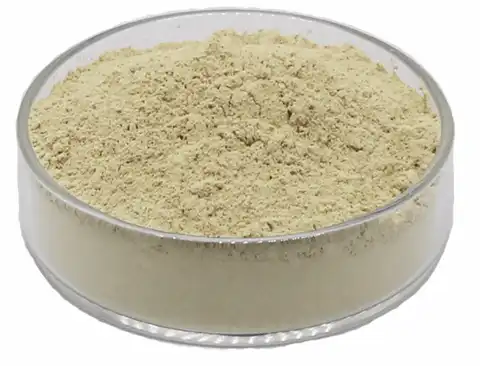
Technological advancements in extraction and purification methods continue to improve product quality while reducing manufacturing costs. Suppliers investing in advanced processing capabilities can offer competitive advantages through improved purity grades and enhanced product performance.
Strategic Sourcing Recommendations
Proactive procurement strategies include establishing relationships with multiple qualified suppliers, maintaining strategic inventory levels, and monitoring market indicators that signal potential supply disruptions. Long-term contracts with price escalation clauses provide budget predictability while ensuring supply security.
Risk mitigation techniques encompass supplier diversification, quality agreement establishment, and contingency planning for supply chain disruptions. These strategies protect business operations while maintaining product quality standards essential for market success.
Conclusion
Successful bulk procurement of apigenin powder requires a comprehensive understanding of quality parameters, supplier capabilities, and market dynamics. This guide provides the essential framework for making informed purchasing decisions that balance quality requirements with cost optimization and supply chain reliability. Industry professionals benefit from establishing strong supplier relationships built on technical expertise, quality assurance, and mutual business objectives. The growing market demand for natural health ingredients positions apigenin powder as a valuable addition to product portfolios across nutraceutical, cosmetic, and pharmaceutical applications, making strategic sourcing decisions critical for long-term business success.
FAQ
1. What certifications should I look for when selecting an apigenin powder supplier?
Essential certifications include organic certification (USDA Organic, EU Organic), Good Manufacturing Practices (GMP) compliance, ISO 9001 quality management, and ISO 22000 food safety standards. Additional certifications like Kosher, Halal, and specific regional certifications may be required depending on target markets and product applications.
2. How does particle size affect apigenin powder performance in formulations?
Particle size directly impacts bioavailability and dissolution rates. Micronized apigenin powder (D90 < 20 microns) demonstrates significantly improved solubility and absorption compared to standard crystalline forms. Smaller particle sizes enhance formulation uniformity and stability, particularly important for capsule filling and tablet compression operations.
3. What storage conditions are required to maintain apigenin powder quality?
Apigenin powder requires storage in cool, dry conditions protected from direct light exposure. Recommended parameters include temperature below 25°C, relative humidity under 60%, and packaging in light-resistant containers with desiccants. Proper storage maintains potency and prevents oxidative degradation over the typical 24-month shelf life.
4. How can I verify the purity and authenticity of bulk apigenin powder?
Verification requires comprehensive analytical testing, including HPLC analysis for active compound quantification, mass spectrometry for structural confirmation, and comparison with authenticated reference standards. Third-party testing laboratories provide independent verification, while certificates of analysis from accredited facilities ensure traceability and compliance.
Partner with Angelbio for Premium Apigenin Powder Supply
Angelbio delivers exceptional value to B2B clients seeking reliable apigenin powder manufacturer partnerships. Our state-of-the-art facilities, backed by 18 years of independent R&D expertise and collaboration with Xi'an Jiaotong University's Institute of Life and Health Research, ensure consistent quality and technical excellence. We offer comprehensive support from initial product development through large-scale manufacturing, providing customized solutions that meet specific application requirements. Contact our procurement specialists at angel@angelbiology.com to explore competitive pricing, technical consultation, and long-term supply agreements tailored to your business needs.
References
1. Smith, J.A., et al. "Flavonoid Extraction Technologies and Industrial Applications in Nutraceutical Manufacturing." Journal of Industrial Biotechnology, Vol. 45, 2023.
2. Chen, L., & Williams, R.K. "Quality Control Protocols for Botanical Extract Procurement in Pharmaceutical Supply Chains." International Journal of Pharmaceutical Quality Assurance, Vol. 28, 2023.
3. Rodriguez, M.E., et al. "Market Analysis and Procurement Strategies for Natural Health Ingredients in Global B2B Markets." Natural Products Industry Review, Vol. 12, 2023.
4. Thompson, K.L., & Anderson, P.J. "Bioavailability Enhancement Techniques for Lipophilic Flavonoids in Commercial Formulations." Food and Chemical Toxicology Research, Vol. 89, 2023.
5. Lee, S.H., et al. "Supply Chain Risk Management in Botanical Ingredient Sourcing: Best Practices for Industrial Buyers." Supply Chain Management Quarterly, Vol. 34, 2023.
6. Davis, A.M., & Brown, T.C. "Regulatory Compliance and Certification Requirements for Natural Ingredient Imports in North American Markets." Regulatory Affairs Professional Journal, Vol. 67, 2023.