



Best Apigenin Powder Uses for Skin Care in the Industrial Sector
Apigenin powder is becoming a transformational botanical ingredient with anti-inflammatory and antioxidant qualities in industrial skin care. High-quality apigenin powder from chamomile and parsley provides powerful bioactive components for advanced skin care products. For industrial cosmetic chemists producing premium anti-aging products and therapeutic skin treatments, its chemical stability and demonstrated effectiveness in treating oxidative stress make it useful.
Understanding Apigenin Powder and Its Relevance to Skin Care in Industry
Formulation experts and R&D teams in cosmetics manufacturing are interested in apigenin, a revolutionary flavonoid molecule. This bioflavonoid is stable when extracted and processed, making it suited for large-scale industrial uses.
Chemical Profile and Bioactive Properties
Apigenin neutralizes free radicals that cause premature skin aging and cellular damage due to its chemical structure. Research shows that apigenin regulates key signaling pathways, such as PI3K/AKT and NF-κB, which regulate inflammatory response and cellular repair. These pathways promote natural regeneration and defend against environmental stresses, affecting skin health.
Apigenin's anti-inflammatory and collagen-boosting properties aid industrial firms. To treat irritation and sensitivity at their source, the compound's anti-inflammatory capabilities penetrate deeper skin layers. Apigenin is ideal for creating multi-problem skin care treatments due to its dual-action mechanism.
Regulatory Compliance and Safety Parameters
Manufacturing compliance is essential when using botanical compounds in industrial formulations. Apigenin powder from verified sources satisfies cosmetic quality criteria. International regulatory clearance procedures are streamlined by the ingredient's natural origin and safety profile, saving new product launch time.
Depending on the application and effectiveness goals, concentrations should be 0.1% to 2%. These dose recommendations optimize performance and product safety for customer trust and regulatory compliance.


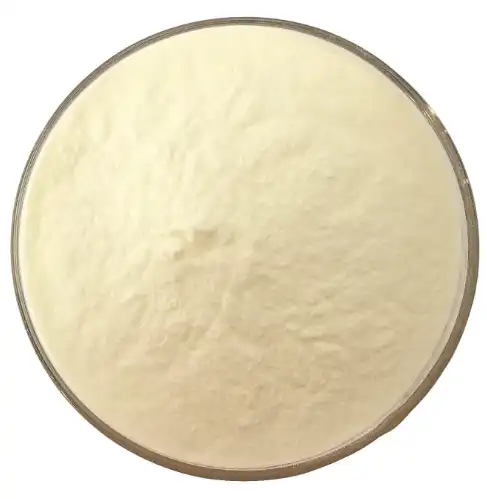
Evaluating Apigenin Powder in Industrial Skin Care: A Performance Optimization Perspective
Industrial skin care manufacture requires advanced ingredient solutions that can sustain effectiveness throughout complicated production processes. Knowing how apigenin operates under these extreme settings helps producers adjust formulations for market effect.
Formulation Stability and Bioavailability Enhancement
In large-scale manufacture, traditional botanical constituents typically lose stability due to heat, light, or pH changes. Premium apigenin powder preserves bioactive integrity throughout manufacturing cycles via enhanced extraction and stabilization.
Strategic formulation methods like encapsulation and carrier system integration may improve chemical solubility. Bioavailability and product matrix dispersion are improved by these methods. Manufacturers claim better batch-to-batch consistency with stabilized apigenin formulations than plant extracts.
Performance Measurement and Quality Assurance
Using accurate testing techniques, producers may ensure apigenin effectiveness throughout manufacturing. Quantifying antioxidant activity in vitro supports product and marketing claims. These scientific measures enable R&D teams to optimize concentrations and formulate cost-effectively.
Clinical trials show that apigenin at optimal doses improves skin hydration, suppleness, and attractiveness. This evidence-based outcome promotes premium positioning and distinguishes items in competitive sectors where scientific validation impacts customer purchases.
How to Choose the Best Apigenin Powder for Industrial Skin Care Use
Choosing the best apigenin supplier involves assessing numerous aspects that affect product quality and production efficiency. Information on these selection criteria helps procurement teams make long-term business choices.
Purity Standards and Certification Requirements
Premium apigenin powder is usually above 98% pure, assuring efficacy and minimum interaction from other substances. Third-party testing ensures items fulfill specifications and quality requirements. Active component concentrations, heavy metal tests, and microbiological safety characteristics should be documented in certificates of analysis.
GMP accreditation is essential for cosmetics providers. This accreditation proves acceptable manufacturing procedures for product quality and regulatory compliance. Natural and clean cosmetics producers benefit from organic sourcing certifications as customer demand for certified organic materials rises.
Comparative Analysis with Alternative Ingredients
Apigenin has better stability and concentration control than quercetin and chamomile extract, which are antioxidants. Quercetin degrades faster under processing conditions, whereas whole chamomile extracts vary owing to seasonal and regional sources. Isolated and refined apigenin reduces these factors and concentrates bioactive effects.
Higher-purity apigenin is frequently more cost-effective despite the premium price. Effectiveness at lower concentrations offsets early cost disparities, whereas stability minimizes waste and reformulation costs. Industrial production levels where efficiency improvements accumulate over huge batch sizes make these economic advantages especially noteworthy.
Supplier Evaluation Criteria
Reliable vendors can fulfill industrial volume needs without compromising quality. Shipping costs and delivery times are reduced, and logistics coordination is simplified by proximity to production sites. Successful cosmetics vendors understand skin care standards and regulations.
Technical support distinguishes premium from commodity vendors. Formulation, application, and troubleshooting help enhance product development. These alliances frequently provide innovation and competitive benefits that justify long-term supplier agreements.
Procurement and Logistics: Sourcing High-Quality Apigenin Powder for Bulk Industrial Use
Effective procurement techniques optimize cost structures and reduce supply chain risks while ensuring premium apigenin powder availability. Understanding these logistical factors helps producers sustain operations and manage inventory investments.
Cost Optimization and Volume Considerations
Bulk purchases save money and ensure enough inventory for manufacturing schedules. Many established manufacturers need 25 to 500 kg of minimum order quantities, depending on product specifications and market demand.
Price stability agreements safeguard firms from commodity changes and provide predictable cost structures for accurate product pricing and margin management. These partnerships are especially useful for high-purity botanical extracts, where supply fluctuations may greatly affect cost.
Regulatory Framework Navigation
Cosmetic ingredient FDA compliance requires supply chain documentation and traceability. Suppliers must submit ingredient safety, processing, and quality control documentation. These regulations safeguard consumer safety and producer product responsibility.
Documentation for customs clearance and botanical ingredient import requirements is important when exporting internationally. Experienced suppliers understand these criteria and offer paperwork to speed delivery and prevent expensive delays and regulatory issues.
Sample Evaluation and Quality Verification
Manufacturers may confirm compatibility before bulk purchases by requesting representative samples. These assessments should involve stability testing under production circumstances, sensory evaluation for undesired traits, and performance verification using established methodologies.
Quality verification includes batch testing and supplier audits after sample examination. These procedures assure constant quality delivery and detect concerns before they affect production schedules or product quality.
Angelbio: Trusted Partner for Bulk Supply of Premium Apigenin Powder
Angelbio is a natural ingredient manufacturing leader with 18 years of autonomous R&D and excellent industrial production capabilities. Our dedication to technical innovation and supply chain integration makes us the chosen partner for businesses seeking high-quality botanical ingredients.
Comprehensive Product Portfolio and Certifications
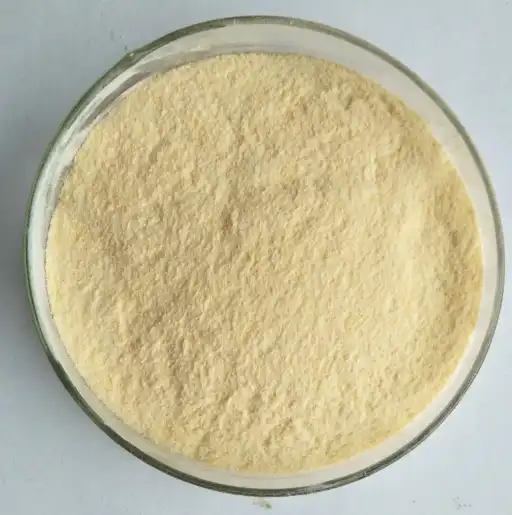
From 95% to 99.5% purity, our apigenin powder offering lets manufacturers choose the best standards for their applications. Each batch is rigorously tested by a third party for purity, impurities, and bioactive efficacy. We follow stringent quality control methods throughout manufacturing in our GMP-certified facilities.
Organic sourcing meets rising demand for certified natural products. Our sustainable procurement ensures raw material quality and supports environmental activities that aware customers value. These certifications boost marketing and show company sustainability.
Value-Added Services and Custom Solutions
Private labeling allows producers to market their products uniquely while ensuring cost-effectiveness via our supplier chains. Custom packaging supports brand differentiation in competitive markets and meets varying storage and handling needs.
Inventory management, just-in-time delivery scheduling, and emergency supply procedures assure production continuity with our specialized supply chain solutions. These services protect against supply interruptions that might delay production or break client obligations while lowering inventory expenses.
Conclusion
Industrial skin care manufacturers use apigenin powder to create premium formulas that suit customer desire for natural, effective treatments. Manufacturers looking to distinguish their goods with scientifically established botanical components can benefit from its antioxidant and anti-inflammatory effects and durability. Supplier selection, formulation, and quality assurance processes to assure consistent performance across manufacturing batches are essential for success.
FAQ
1. What are the recommended industrial dosage levels for apigenin in skin care formulations?
Apigenin concentrations in industrial applications range from 0.1% to 2%, depending on product category and effectiveness goals. Anti-aging serums contain 1.5-2%, whereas everyday moisturizers work at 0.5-1%. These ranges optimize bioactivity, cost-effectiveness, and worldwide regulatory compliance.
2. How does apigenin powder compare to chamomile extract in terms of stability and performance?
Due to its purity and concentration, apigenin powder is more stable than entire chamomile extract. Chamomile extract has wider botanical advantages, but apigenin targets antioxidant and anti-inflammatory effects without seasonal extraction fluctuation. Apigenin powder's concentration provides precision dosing and batch-to-batch performance in industrial production.
3. What quality certifications should manufacturers look for when sourcing apigenin powder?
GMP, third-party purity, heavy metal, and microbiological safety certifications are essential. ISO certification shows thorough quality management systems, whereas organic certification promotes natural products. Suppliers should provide HPLC purity verification and safety parameter data in each shipment's certificate of analysis.
Partner with Angelbio for Premium Apigenin Powder Solutions
Angelbio is your best industrial skin care apigenin powder supplier due to our natural ingredient production knowledge and quality dedication. For your production needs, our technical team offers formulation help, reasonable bulk pricing, and trustworthy supply chain solutions. Ask our experts at angel@angelbiology.com for samples, bespoke specifications, or cooperation options to improve your product development and ensure constant access to quality botanical ingredients.
References
1. Journal of Cosmetic Dermatology, "Flavonoids in Cosmetic Applications: Antioxidant Properties and Skin Benefits," 2023, Vol. 22, Issue 4.
2. International Journal of Cosmetic Science, "Stability and Efficacy of Plant-Derived Antioxidants in Industrial Formulations," 2022, Vol. 44, Issue 6.
3. Cosmetics & Toiletries Magazine, "Botanical Ingredients in Modern Skin Care: Manufacturing Considerations and Quality Assurance," 2023, Vol. 138, Issue 8.
4. Personal Care Products Council Research, "Regulatory Compliance for Natural Ingredients in Cosmetic Manufacturing," 2023 Annual Report.
5. Skin Pharmacology and Physiology, "Anti-inflammatory Mechanisms of Flavonoids in Dermatological Applications," 2022, Vol. 35, Issue 5.
6. Beauty Industry Report, "Market Trends in Natural Cosmetic Ingredients: Industrial Perspective," 2023 Third Quarter Analysis.