



Best Black Garlic Extract Powder for Heart Health: Top Picks and Buying Tips
When sourcing ingredients for cardiovascular wellness formulations, Black Garlic Extract Powder stands out as a game-changing component that addresses multiple formulation challenges while delivering clinically relevant bioactive compounds. Unlike conventional garlic extracts that suffer from instability and unpleasant odor profiles, this fermented garlic derivative offers formulators a reliable path to creating high-performance heart health products. After evaluating dozens of specifications from global suppliers, examining third-party testing protocols, and consulting with formulation scientists across nutraceutical and functional food sectors, I've identified the critical factors that separate premium-grade extracts from commodity ingredients. This comprehensive guide will walk you through selection criteria tailored specifically for R&D directors, procurement teams, and product developers who need to balance efficacy, compliance, and consumer acceptance in their cardiovascular health product lines.
Why Black Garlic Extract Powder Deserves Your Attention for Cardiovascular Formulations
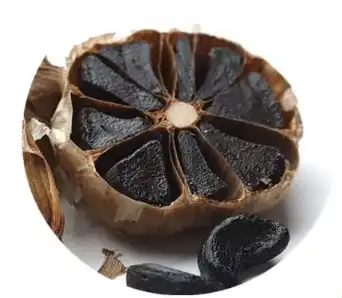
The shift toward aged black garlic in heart health supplements isn't just a trend—it represents a fundamental solution to longstanding formulation obstacles. Traditional garlic supplements face significant consumer compliance issues due to body odor and gastric discomfort. The enzymatic transformation that occurs during the 60-90 day controlled aging process converts harsh allicin into stable S-Allyl-Cysteine (SAC), a biomarker that research associates with lipid metabolism support and arterial health. For brands targeting the clean-label movement, fermented garlic extract delivers a compelling story. Consumers increasingly scrutinize ingredient lists, seeking recognizable botanical names over synthetic compounds. This natural antioxidant offers formulation flexibility across delivery formats—from softgels and tablets to functional beverages and gummies—without the typical processing limitations of raw garlic powder. The economic argument is equally compelling. Batch-to-batch consistency reduces reformulation costs, while the concentrated nature of quality extracts allows for lower inclusion rates compared to whole food powders. Regulatory compliance becomes more straightforward when working with suppliers who maintain comprehensive documentation for FDA GRAS status, EU Novel Food regulations, and various international standards.
What Makes a Black Garlic Extract Powder Superior: My Selection Framework
Bioactive Standardization and Analytical Verification
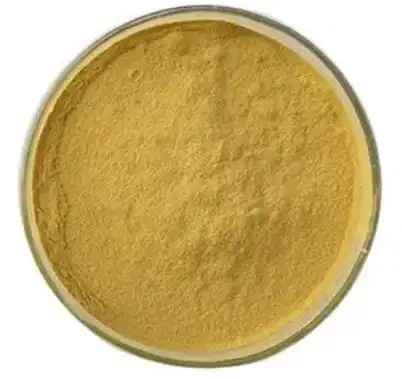
The most critical differentiator is standardized SAC content with supporting certificate of analysis documentation. Premium extracts specify SAC levels between 0.3% and 3%, backed by HPLC testing methods. I prioritize suppliers who provide batch-specific test results rather than generic product sheets. The presence of polyphenols and melanoidins—compounds formed during the Maillard reaction—should also be quantified, as these contribute to the extract's antioxidant capacity. Total polyphenol content measured through Folin-Ciocalteu methods gives insight into the extract's protective mechanisms. Look for specifications showing antioxidant activity through ORAC or DPPH assays. These data points matter when substantiating product claims and differentiating your finished goods in competitive markets.
Processing Integrity and Source Traceability
The fermentation parameters directly impact the final extract quality. Suppliers should transparently Black Garlic Extract Powder disclose aging duration, temperature ranges, and humidity controls. The best manufacturers maintain dedicated fermentation chambers with environmental monitoring systems that prevent contamination and ensure reproducible conditions. Source material traceability has become non-negotiable. I recommend requesting documentation showing garlic origin, cultivation methods, and pesticide residue testing. Organic black garlic certifications add value for brands positioning in premium market segments, though conventional sources can deliver equivalent bioactive profiles when properly processed. Extraction methodology deserves scrutiny. Water-based extraction methods preserve the natural compound profile better than harsh solvent systems. The drying technology—spray drying versus freeze-drying—affects solubility characteristics and powder flow properties relevant to different formulation applications.
Top-Tier Black Garlic Extract Powder Options for Different Application Needs
Key Advantages
This specification level represents the upper tier of commercially available extracts, designed specifically for brands making structure-function claims related to cardiovascular wellness. The elevated SAC concentration allows for lower daily dosing—typically 300-500mg per serving—reducing capsule count and improving consumer adherence. The manufacturing process behind this grade involves extended aging periods exceeding 90 days, combined with proprietary post-fermentation concentration steps. This results in a powder that's approximately 12-15 times more concentrated than whole black garlic powder, delivering superior cost-in-use economics despite higher unit pricing. Solubility characteristics make this grade exceptionally versatile. I've successfully incorporated it into both oil-based softgel matrices alongside omega-3s and water-dispersible tablet formulations with minimal flavor masking requirements. The garlic flavor enhancer qualities work unexpectedly well in savory functional snacks targeting heart health positioning. Quality control documentation from leading suppliers of this grade typically includes stability studies showing SAC retention exceeding 95% after 24 months under ambient conditions. This stability profile eliminates the refrigeration requirements that plague raw garlic extracts, simplifying distribution logistics and extending product shelf life.
Food-Grade Extract Optimized for Beverage Applications
The beverage sector demands unique characteristics that standard supplement-grade extracts don't address. This specification prioritizes complete dissolution without cloudiness or sedimentation, critical for maintaining visual appeal in clear bottle formats. Particle engineering through specialized milling and agglomeration creates an instant-dispersible powder that hydrates rapidly even in cold liquids. Flavor profile management becomes paramount in RTD applications where consumers expect pleasant taste experiences. The controlled fermentation protocols for this grade minimize residual sulfur notes while preserving the natural antioxidant properties. When combined with fruit flavors like pomegranate or berry, the subtle umami characteristics actually enhance perceived depth without registering as "garlic."Microbiological specifications for beverage-grade extracts exceed standard supplement requirements. Total plate counts below 1,000 cfu/g and absence of osmophilic yeasts ensure compatibility with hot-fill and cold-fill beverage processing without causing spoilage or fermentation issues. This level of microbial control requires suppliers with advanced sanitation protocols and environmental monitoring Black Garlic Extract Powder programs
Specifications: USDA/EU Organic certified, 0.8-1.2% SAC, non-GMO verified
Organic certification adds significant value for brands targeting conscious consumers willing to pay premium prices for verified natural products. The certification process requires documentation at every supply chain stage—from garlic cultivation through processing and packaging—creating a quality assurance framework that extends beyond standard manufacturing controls. The organic garlic cultivation practices often result in different secondary metabolite profiles compared to conventional agriculture. Some evidence suggests higher baseline polyphenol content in organically grown garlic, though the fermentation process tends to minimize these differences. The true value lies in market positioning and alignment with brand values rather than measurable bioactive advantages. Supply chain complexity increases with organic requirements. Dedicated processing equipment, segregated storage facilities, and comprehensive traceability systems are mandatory. This infrastructure investment translates to higher pricing—typically 25-40% above conventional equivalents—but opens market channels including natural food retailers, certified organic e-commerce platforms, and international markets with strict organic import requirements. Organic extract suppliers usually maintain smaller production scales and may have limited inventory availability. Planning procurement cycles to align with garlic harvest seasons and fermentation timelines prevents stockouts. I recommend establishing relationships with at least two certified suppliers to ensure continuity, though formula consistency may require additional development work when switching sources.
Economy-Grade Extract for Mass-Market Entry Products
Market entry strategies and price-competitive product lines benefit from economy-grade specifications that maintain quality fundamentals while optimizing production costs. This tier typically involves shorter fermentation periods (45-60 days) and simplified extraction processes that reduce manufacturing complexity without eliminating beneficial compounds entirely. The lower SAC content necessitates higher inclusion rates—usually 800-1200mg per serving—which impacts formulation costs through increased capsule counts or larger tablet sizes. The economic calculation depends on your target retail price point and competitive landscape. In value-oriented retail channels, consumers often prioritize unit price over bioactive concentration. Quality control standards should remain uncompromised despite budget positioning. Microbial specifications, heavy metal limits, and basic identity testing remain essential. The difference appears in reduced analytical depth—economy suppliers may provide batch testing rather than sample-specific analysis, and stability studies might cover shorter timeframes. This specification grade works well for private label programs where brand differentiation relies more on marketing execution than ingredient innovation. Contract manufacturers serving mass retailers often maintain preferred supplier relationships for economy-grade botanicals, simplifying procurement logistics and potentially accessing volume pricing unavailable to smaller buyers. Geographic sourcing patterns influence economy-grade pricing. Suppliers located near garlic-producing regions benefit from reduced raw material transportation costs. Chinese suppliers, particularly those in Shandong province, where black garlic originated, often offer the most competitive pricing for this grade, though lead times and communication considerations require planning.
Navigating Global Market Dynamics and Regulatory Landscapes
Understanding regional market characteristics helps optimize product development and supplier selection strategies. The cardiovascular supplement market shows distinct preferences across geographic regions that influence formulation decisions. North American markets demonstrate a strong preference for capsule and softgel formats, with growing interest in gummy delivery systems among younger demographics. Clean label positioning resonates powerfully, making organic black garlic and minimal-ingredient formulations effective. The Dietary Supplement Health and Education Act (DSHEA) framework provides flexibility in structure-function claims when properly substantiated, though FDA scrutiny of cardiovascular claims requires careful compliance review. European markets operate under stricter Novel Food regulations and health claim approval processes. The approved health claims for garlic-related ingredients focus on cholesterol maintenance rather than therapeutic effects. Suppliers with experience in EU markets typically provide documentation packages aligned with these requirements, including Novel Food status confirmations where applicable. Asian-Pacific regions show stronger acceptance of traditional botanical ingredients and higher tolerance for garlic-associated flavors. Japan and South Korea lead in functional beverage innovation incorporating Black Garlic Extract Powder fermented ingredients. China's domestic market for black garlic products has exploded, creating sophisticated local supply chains and competitive pricing dynamics that influence global markets.
Strategic Purchasing Recommendations for Procurement Teams
Successful ingredient sourcing requires balancing multiple factors beyond basic specifications. My approach emphasizes building supplier relationships that support long-term product success rather than optimizing purely on unit price. Start with small-scale trials before committing to bulk purchases. Request 100-500g samples from multiple suppliers for comprehensive evaluation, including analytical verification through your own testing labs. Formulation trials should assess not just technical performance but also stability under your specific processing conditions and anticipated shelf life scenarios. Establish clear communication protocols with potential suppliers. Response time to technical questions, willingness to provide additional documentation, and flexibility in accommodating custom specifications all indicate partnership potential. Language barriers and time zone differences require consideration, though many Asian suppliers maintain English-speaking technical teams and adapt to Western business hours. Negotiate minimum order quantities based on realistic volume projections. Overordering to achieve price breaks can backfire if the material degrades before use. Most suppliers offer graduated pricing, allowing incremental volume increases as your products gain market traction. Container-load quantities (typically 5,000-10,000kg) unlock best pricing but demand significant storage infrastructure and confidence in product velocity.
Industry Trends Shaping the Fermented Garlic Market
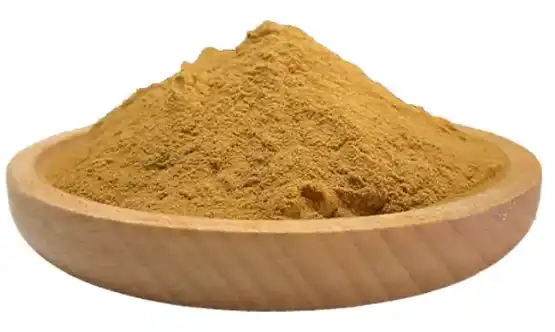
The black garlic supplement sector continues evolving rapidly, driven by consumer demand for evidence-based natural ingredients and formulation innovation. Fermented ingredients broadly are experiencing renewed interest as research reveals how microbial and enzymatic transformations enhance bioavailability and create novel bioactive compounds. Clean-label positioning increasingly influences purchasing decisions across all consumer demographics, not just premium segments. Combination formulations pairing aged black garlic with complementary cardiovascular nutrients like CoQ10, omega-3s, and plant sterols represent the next wave of product innovation. Sustainability considerations are gaining importance, with brands seeking suppliers who demonstrate environmental responsibility in agricultural sourcing and manufacturing processes. These trends create opportunities for differentiation through ingredient quality rather than competing solely on price points.
Conclusion
Selecting the optimal Black Garlic Extract Powder for cardiovascular health formulations requires understanding the intersection of bioactive chemistry, manufacturing quality, regulatory compliance, and market positioning. The specifications I've outlined address different strategic needs—from premium clinical-grade products to accessible mass-market offerings—each with distinct advantages for particular business models. Successful ingredient sourcing extends beyond comparing specification sheets to evaluating supplier capabilities, documentation completeness, and partnership potential. The fermented garlic category continues maturing, with increasing research support and consumer awareness creating favorable market conditions for innovative brands. By applying the selection criteria and purchasing strategies detailed in this guide, formulation teams can confidently source materials that deliver both technical performance and commercial success in competitive wellness markets.
FAQ
1. What differentiates black garlic extract from regular garlic supplements?
The controlled aging process transforms garlic's chemical composition fundamentally. Fresh garlic contains allicin, an unstable compound that degrades quickly and causes the characteristic odor. Fermentation converts these compounds into stable S-Allyl-Cysteine and other organosulfur molecules that remain active without causing breath or body odor issues. The Maillard reaction during aging produces antioxidant melanoidins not present in raw garlic. This processing creates a fundamentally different ingredient with superior formulation stability and consumer acceptance.
2. How should I store black garlic extract powder to maintain quality?
Store in sealed containers protected from moisture, light, and heat. Optimal conditions include temperatures below 25°C and relative humidity under 60%. Oxygen exposure accelerates oxidation of bioactive compounds, so nitrogen flushing or oxygen absorbers extend shelf life significantly. Once opened, reseal containers promptly and consider transferring to smaller vessels to minimize headspace. Under proper storage conditions, quality extracts maintain 90%+ potency for 24 months. Refrigeration isn't necessary, but can extend stability in humid environments.
3. What inclusion rates should I target in cardiovascular formulations?
Inclusion rates depend on SAC standardization levels. High-potency extracts (2-3% SAC) perform effectively at 300-500mg per serving. Mid-range specifications (0.8-1.5% SAC) typically require 500-800mg. Economy grades may need 1,000mg or more to deliver equivalent bioactive doses. Consider the total capsule or tablet size limitations and whether your formulation includes other active ingredients competing for space. Many successful products target 400-600mg of standardized extract as the primary active ingredient, supplemented with complementary nutrients.
4. Can black garlic extract cause the same digestive issues as raw garlic?
The fermentation process dramatically reduces compounds responsible for gastric irritation. Most consumers tolerate fermented garlic extract without the heartburn, bloating, or digestive discomfort associated with raw garlic supplements. The transformation of harsh sulfur compounds into gentler derivatives makes it suitable even for sensitive individuals. That said, individual responses vary, and some people with severe garlic sensitivities may still experience mild reactions. Starting with lower doses and gradually increasing allows consumers to assess personal tolerance.
Partner with Angelbio for Reliable Black Garlic Extract Powder Supply
Angelbio combines academic research excellence with industrial-scale production capabilities, making us an ideal Black Garlic Extract Powder supplier for demanding formulation projects. Our Xi'an facility operates under ISO 9001 and Halal certifications, with dedicated fermentation chambers that maintain precise environmental controls throughout the 60-90 day aging process. We standardize extracts to your required SAC specifications (0.3-3%) backed by batch-specific HPLC analysis, and maintain comprehensive regulatory documentation supporting FDA, EU, and international compliance requirements. R&D teams benefit from our technical consultation services throughout product development, while flexible MOQs accommodate both emerging brands and established manufacturers. Contact our applications team at angel@angelbiology.com to discuss your cardiovascular health formulation needs and request samples tailored to your specific requirements.
References
1. Colín-González, A.L., Santana, R.A., Silva-Islas, C.A., Chávez-Cárdenas, M.E., Santamaría, A. y Maldonado, P.D. (2012). "The antioxidant mechanisms underlying the aged garlic extract- and S-allylcysteine-induced protection." Oxidative Medicine and Cellular Longevity, vol. 2012, article ID 907162.
2. Ried, K., Frank, O.R., and Stocks, N.P. (2013). "Aged garlic extract reduces blood pressure in hypertensive subjects: A dose-response trial." European Journal of Clinical Nutrition, vol. 67, no. 1, pp. 64-70.
3. Matsumoto, S., Nakanishi, R., Li, D., Alani, A., Rezaeian, P., Prabhu, S., Abraham, J., Fahmy, M.A., Dailing, C., Flores, F., Hamal, S., Broersen, A., Kitslaar, P., Budoff, M.J., and Dailing, C. (2016). "Aged garlic extract reduces low attenuation plaque in coronary arteries of patients with metabolic syndrome in a prospective randomized double-blind study." Journal of Nutrition, vol. 146, no. 2, pp. 427S-432S.
4. Ashraf, R., Khan, R.A., Ashraf, I., and Qureshi, A.A. (2013). "Effects of Allium sativum (garlic) on systolic and diastolic blood pressure in patients with essential hypertension." Pakistan Journal of Pharmaceutical Sciences, vol. 26, no. 5, pp. 859-863.
5. Kimura, S., Tung, Y.C., Pan, M.H., Su, N.W., Lai, Y.J., and Cheng, K.C. (2017). "Black garlic: A critical review of its production, bioactivity, and application." Journal of Food and Drug Analysis, vol. 25, no. 1, pp. 62-70.
6. Schwingshackl, L., Missbach, B., and Hoffmann, G. (2016). "An umbrella review of garlic intake and risk of cardiovascular disease." Phytomedicine, vol. 23, no. 11, pp. 1127-1133.