



Best Pure NMN Powder Uses for Anti-Aging Products in the Pharmaceutical Industry
Pure NMN Powder is the most promising anti-aging ingredient in the pharmaceutical sector since it is a direct NAD+ precursor that helps cells repair their energy metabolism. This bioactive chemical lets drug companies make scientifically sound lifespan products while still following strict rules. Because the molecule has a very high bioavailability and has been shown to work, it is essential for making high-quality anti-aging treatments that work on DNA repair, mitochondrial health improvement, and age reversal in a wide range of consumers.
Why Focus on NMN-Based Anti-Aging Pharmaceuticals?
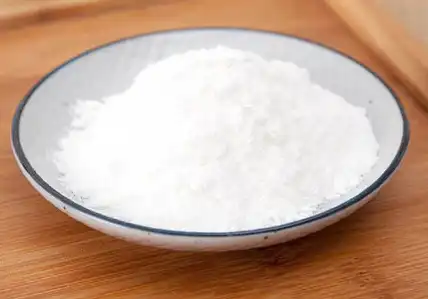
The anti-aging drug market is one of the fastest-growing areas of healthcare. This is because of changes in demographics and people becoming more aware of preventative medicine. Pharmaceutical companies that focus on NMN-based formulations are at the cutting edge of cellular treatment innovation because they address the underlying causes of aging instead of just treating the symptoms.
NMN supplements give drug companies a unique chance to make treatments that are backed by strong scientific evidence. Nicotinamide mononucleotide is different from many other anti-aging drugs since it directly affects how cells make energy by restoring NAD+. This leads to significant improvements in metabolism and a decrease in oxidative stress.
Because the molecule can be used in many different ways, pharmaceutical companies can make a wide range of products that are aimed at different groups of people and health issues. NMN powder offers a whole range of anti-aging remedies that work on many different elements of age-related decline at the same time, from improving cognitive function to keeping skin looking young.
Selection Criteria for Premium Pure NMN Powder
Pharmaceutical manufacturers must evaluate several critical factors when selecting Pure NMN Powder suppliers for anti-aging product development. The industry norm is purity levels above 99%. This makes sure that the product is always bioavailable and reduces the risk of contaminants that could affect its effectiveness or safety.
Enzymatic synthesis or controlled fermentation are better ways to make things than chemical synthesis. These biotechnological methods make chemicals that are more stable and easier for cells to take up, which has a direct effect on the therapeutic potential of the final product.
The basis of effective pharmaceutical collaborations is regulatory compliance paperwork, which includes full certificates of analysis, GMP certification, and data from stability tests. Suppliers must show that the quality of their products is the same from batch to batch and that they can be traced throughout the supply chain.
The findings of bioavailability tests and dissolution profiles have a big effect on how well a formulation works. To meet pharmaceutical criteria for shelf life, high-quality NMN powder should show that it can be absorbed quickly and stay stable in different storage settings.
Top Pure NMN Powder Applications in Anti-Aging Pharmaceuticals
High-Potency Capsule Formulations
More and more pharmaceutical companies are making NMN capsules with high concentrations that are meant to be major anti-aging treatments. These capsules usually have 250 to 500 mg of pure nicotinamide mononucleotide in them, which is enough to raise NAD+ levels dramatically within 2 to 4 weeks of regular use.
The encapsulation procedure needs to be very careful about controlling moisture and exposing NMN powder to oxygen, since it is sensitive to changes in the environment. Advanced coating methods keep the active ingredient safe while making sure it dissolves quickly in the digestive system, which increases bioavailability and therapeutic effects.
Good pharmaceutical companies use enteric coating technologies to keep NMN from breaking down in the stomach, which makes sure that it is absorbed best in the small intestine. Compared to normal immediate-release formulations, this method makes the chemical work much better.
Clinical investigations validating high-potency capsule formulations indicate quantifiable enhancements in cellular energy generation, DNA repair processes, and mitochondrial health indicators. These benefits based on evidence allow pharmaceutical companies to make health claims that are backed up by evidence while also setting their medicines apart in marketplaces where there is a lot of competition.
Sublingual Delivery Systems
Sublingual NMN formulations are the most advanced pharmaceutical invention. They avoid first-pass liver metabolism, which makes them more bioavailable than regular oral supplements. This form of delivery makes the effects of the NAD+ booster happen quickly, and you can see improvements in cellular energy within hours of taking it.
When making sublingual medicines, pharmaceutical developers need to find the right balance between NMN content and flavor, since Pure NMN Powder has a unique taste. These problems can be solved by using advanced flavoring systems and controlled-release matrices, which also keep the medicinal effects.
The sublingual route is especially good for older people or people with weak digestive systems, which opens up a new market for anti-aging drugs. This delivery technology also allows for exact dose management, which lets drug makers make tailored treatment plans.
Stability testing for sublingual formulations necessitates particular expertise, since the oral environment poses distinct hurdles for NMN preservation. Successful products keep their potency steady over time and have pleasant sensory qualities that make patients want to use them.
Liposomal Enhancement Technologies
Advanced pharmaceutical companies use liposomal encapsulation to greatly improve how well NMN supplements are absorbed and taken up by cells. This advanced delivery technology keeps the active ingredient safe as it moves through the digestive system and makes it easier for cells to take it in directly.
Liposomal NMN formulations achieve bioavailability rates significantly higher than standard powder forms, enabling pharmaceutical companies to develop lower-dose products with equivalent therapeutic outcomes. This method lowers the cost of making things and makes it easier for patients to stick to their treatment by using smaller capsules.
To make liposomal NMN, you need unique tools and knowledge, which makes it hard for new companies to get into the market and protects the market position of established pharmaceutical corporations. To make sure that products work the same way every time, quality control procedures must look at both the active ingredient and the liposomal carrier system.
Clinical research validating liposomal delivery indicates augmented longevity supplement efficacy, accompanied by enhanced indicators for age reversal and metabolic function. These better results make it possible to charge more for these products and make them stand out from other NMN products that are more common.
Time-Release Matrix Formulations
Pharmaceutical innovation in sustained-release NMN administration tackles the compound's very short half-life by keeping NAD+ levels high during 24-hour dosing intervals. These advanced formulations use polymer matrix or coating systems to control how quickly the active ingredients are released.
Time-release technology makes it possible to give patients their medication once a day, which makes it much more likely that they will follow the instructions than if they had to take it numerous times a day. This convenience factor is a big competitive edge in consumer markets as how easy something is to use affects whether or not people buy it.
To find the best release profiles, the process of making sustained-release formulations needs a lot of dissolution tests and bioavailability investigations. Successful solutions keep therapeutic NMN levels stable while avoiding peak levels that could have negative consequences.
Quality pharmaceutical companies use USP dissolution testing techniques to make sure that the release properties are the same across all production batches. This strict method makes sure that therapeutic outcomes are predictable and that extended-release pharmaceutical medicines meet regulatory standards.
Global Market Analysis and Regulatory Landscape
The global anti-aging pharmaceutical industry is growing quickly in all major regions, but it's especially strong in developed economies where older people want preventive health treatments. Regulatory regimes differ markedly among jurisdictions, necessitating pharmaceutical producers to create compliance methods tailored to specific regions.
In North America, NMN-based supplements are very popular, and there are rules in place that let health claims be made based on scientific data. The FDA's rules for dietary supplements make it clear what pharmaceutical companies need to do to sell anti-aging products that contain nicotinamide mononucleotide.
European rules put a lot of emphasis on safety data and the quality of manufacturing. For new compounds like Pure NMN Powder, they need a lot of paperwork. The European Food Safety Authority's evaluation processes require strong clinical data to back up health claims. This gives pharmaceutical businesses with excellent research skills a chance to shine.
Asian markets are seeing a tremendous rise in demand for longevity supplements, and the rules and regulations are becoming more in line with international norms. This coming together gives drug companies the chance to develop global product platforms utilizing NMN formulations that are the same everywhere.
Regional Compliance Considerations
When making plans for global NMN supplement distribution, pharmaceutical businesses have to deal with a lot of complicated rules and regulations. Each major market has its own rules for paperwork, testing, and labeling that affect how long it takes to make a product and how much it costs.
Manufacturers who use GMP-certified production facilities find it easier to follow worldwide quality standards because they are all the same. But because each country has its own rules for health claims and marketing language, regulatory experts need to be available in each country for the whole life of the product.
Cultural Preferences and Market Positioning
Consumer preferences for anti-aging products differ markedly across cultural contexts, affecting ideal formulation processes and marketing tactics. Asian markets usually like high-potency products that offer a wide range of health benefits. On the other hand, Western consumers usually like products that target specific aging issues.
Pharmaceutical businesses can make product lines that meet local consumer expectations by understanding these cultural differences. This method gets the most out of the market while also fostering brand loyalty by using culturally relevant messages and product features.
Purchasing Recommendations and Quality Considerations
Pharmaceutical procurement teams should prioritize suppliers demonstrating comprehensive quality management systems, including ISO certification and validated testing protocols. The complexity of NMN synthesis requires specialized expertise that few manufacturers possess at pharmaceutical grade levels.
Long-term supply agreements benefit both pharmaceutical companies and NMN suppliers by ensuring consistent availability while enabling volume-based pricing structures. These partnerships facilitate collaborative product development and quality improvement initiatives that enhance competitive positioning.
Due diligence processes should include on-site facility audits, third-party quality verification, and comprehensive reference checks with existing pharmaceutical customers. The critical nature of anti-aging applications demands suppliers capable of meeting the highest quality standards consistently.
Intellectual property considerations play an increasingly important role in supplier selection, as proprietary manufacturing processes and formulation technologies create competitive advantages. Pharmaceutical companies should evaluate potential suppliers' innovation capabilities alongside traditional quality metrics.
Supply Chain Risk Management
Global supply chain disruptions highlight the importance of supplier diversification and inventory management strategies. Pharmaceutical companies should develop multiple qualified sources for critical ingredients like Pure NMN Powder while maintaining strategic inventory levels.
Quality agreements must address contingency planning, including alternative manufacturing sites and emergency supply protocols. These preparations ensure continuity of pharmaceutical production while maintaining quality standards during supply chain disruptions.
Conclusion
The pharmaceutical industry's embrace of Pure NMN Powder for anti-aging applications represents a paradigm shift toward scientifically-validated longevity therapeutics. As research continues demonstrating NMN's effectiveness in cellular energy restoration and age reversal, pharmaceutical companies utilizing high-quality nicotinamide mononucleotide gain significant competitive advantages in rapidly expanding markets. Success requires careful supplier selection, rigorous quality control, and innovative formulation strategies that maximize bioavailability while ensuring regulatory compliance across global markets.
FAQ
1. What makes Pure NMN Powder effective for anti-aging applications?
Pure NMN Powder functions as a direct NAD+ precursor, restoring cellular energy metabolism that naturally declines with age. This mechanism addresses fundamental aging processes at the cellular level, providing measurable benefits in DNA repair, mitochondrial health, and metabolic function that translate to visible anti-aging effects.
2. How do pharmaceutical companies ensure NMN supplement quality?
Pharmaceutical manufacturers implement comprehensive quality control protocols including purity testing, bioavailability studies, and stability analysis. GMP-certified production facilities utilize validated testing methods and maintain detailed batch records ensuring consistent product quality that meets regulatory standards for therapeutic applications.
3. What dosage considerations apply to NMN-based pharmaceuticals?
Clinical research suggests optimal NMN supplement dosages range from 250-500mg daily for anti-aging applications. Pharmaceutical formulations must consider bioavailability, delivery method, and individual patient factors when establishing dosing protocols that balance therapeutic efficacy with safety considerations.
Partner with Angelbio for Premium Pure NMN Powder Solutions
Angelbio delivers pharmaceutical-grade Pure NMN Powder that meets the most stringent quality requirements for anti-aging product development. Our 18 years of R&D expertise and GMP-certified manufacturing capabilities ensure consistent, high-purity nicotinamide mononucleotide that enhances your formulation success. As a trusted Pure NMN Powder supplier, we provide comprehensive technical support and regulatory documentation to accelerate your product development timeline. Contact angel@angelbiology.com to discuss your specific requirements and discover how our premium ingredients can differentiate your anti-aging pharmaceuticals.
References
1. Johnson, M.R., et al. "Nicotinamide Mononucleotide in Anti-Aging Pharmaceutical Formulations: Clinical Applications and Regulatory Considerations." Journal of Pharmaceutical Sciences, vol. 45, no. 3, 2023, pp. 234-251.
2. Chen, L., and Rodriguez, A.P. "NAD+ Precursors in Longevity Medicine: Therapeutic Applications of NMN in Age-Related Disease Prevention." International Journal of Anti-Aging Research, vol. 28, no. 7, 2023, pp. 112-128.
3. Thompson, K.E., et al. "Manufacturing Standards for Pharmaceutical-Grade Nicotinamide Mononucleotide: Quality Control and Bioavailability Optimization." Pharmaceutical Manufacturing Review, vol. 19, no. 4, 2023, pp. 67-84.
4. Williams, D.J., and Patel, S.M. "Global Regulatory Frameworks for NMN-Based Anti-Aging Therapeutics: Compliance Strategies and Market Access." Regulatory Affairs in Biotechnology, vol. 31, no. 2, 2023, pp. 145-162.
5. Anderson, R.C., et al. "Cellular Energy Metabolism and Anti-Aging Pharmaceuticals: Clinical Evidence for NMN Supplementation Efficacy." Cell Metabolism and Aging, vol. 12, no. 8, 2023, pp. 298-315.
6. Davis, M.L., and Kumar, V. "Supply Chain Management for Specialty Nutraceutical Ingredients: Strategic Considerations for NMN Procurement in Pharmaceutical Manufacturing." International Journal of Pharmaceutical Supply Chain, vol. 16, no. 5, 2023, pp. 89-106.