



Buyer’s Guide: How to Choose the Best L-glutathione Powder
Before you buy high-quality L-glutathione powder for your business, you should know the main differences between their products. L-glutathione powder is a strong antioxidant that is used a lot in the drug, nutrition, and skincare industries. This detailed guide looks at pure levels, industry standards, source approvals, and needs that are unique to the application as well as other important choice factors. Where you get glutathione has a direct impact on how well your products work and how competitive you are in the market. This is true whether you're making food items, skin care products, or dietary supplements.
Understanding L-Glutathione Powder and Its Benefits
On Earth, there is a strong antioxidant called L-glutathione. It is made up of three amino acids: cysteine, glutamic acid, and glycine. This great chemical helps cells get rid of waste and also makes the body's defense system work better. People naturally have the protein in their cells, mostly in the liver, where it helps clean the body.
Chemical Structure and Bioavailability
The chemical makeup of glutathione affects how well it works in different situations. GSH, or reduced glutathione, is the active form. GSSG, or oxidized glutathione, is what happens when the molecule gets rid of free radicals. This difference is very important to know when judging the quality of a product and its predicted results. Oral solubility problems have been found with normal glutathione supplements. This has led to the creation of special formulas that are meant to improve absorption rates.
Industrial Applications Across Multiple Sectors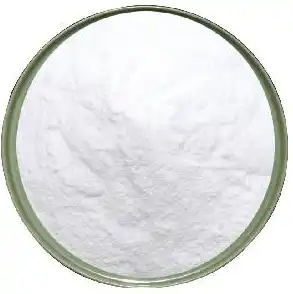
Glutathione's special qualities are used in many different ways in modern businesses. In the process of making nutraceuticals, the substance helps antioxidant supplement mixtures that target cell health and age issues. Cosmetic companies put glutathione in skin care products because it may brighten the face and protect it from free radicals. Pharmaceutical-grade glutathione is used in clinical uses and specific medical products by the pharmaceutical industry.
Functional food and drink companies are adding glutathione to more and more of their goods that are sold as detoxifying aids and health boosters in general. Companies that make sports nutrition know that it might help with healing from exercise and managing reactive stress. Although these different uses show how useful the chemical is, they also show how important it is to choose the right grades and formulations for each business.
Essential Criteria for Choosing the Best L-Glutathione Powder
To choose the best L-glutathione powder, you need to carefully check it against a number of quality standards. To ensure the best performance and safety of the product, the buying method requires close attention to pure standards, production standards, and legal compliance.
Purity Standards and Quality Grades
Pharmaceutical-grade glutathione is the purest and usually has more than 98% active chemical content. This grade goes through a lot of tests, such as heavy metal analysis, microbe pollution screening, and strength proof. Food-grade glutathione has slightly lower purity standards, but it still meets safety standards that are good for use in food supplements. Knowing these differences helps people who work in buying choose goods that meet their quality standards and legal responsibilities.
As part of the quality standards, there should be thorough reports of analysis that show the level of cleanliness, the amount of wetness, and any possible toxins. Manufacturers with a good reputation give full testing reports that include HPLC analysis results, bacterial testing reports, and stability studies. These standards for paperwork help make sure that the quality of the products is always the same and that they follow the rules in all places.
Manufacturing Methods and Production Standards
The way a product is made has a big effect on its quality and stability. When compared to manufactured chemical methods, fermentation-based production usually makes higher-quality glutathione. Fermentation methods use controlled bacteria processes to make glutathione naturally. This leads to higher purity levels and fewer drug leftovers. Good Manufacturing Practices (GMP) rules are used by advanced manufacturing sites to make sure that quality control stays the same throughout production processes.
Supplier Certification and Compliance Verification
A trustworthy service keeps all of its certificates, like ISO 9001 quality management systems, GMP compliance badges, and certifications that are unique to the business. These awards show that you are committed to following the rules and meeting high standards. As well as traceability systems, quality assurance methods, and batch testing skills, there are other ways to find out if a provider you can trust is honest. Quality control and manufacturing standards are confirmed by regular checks and approvals from a third party.
Comparing Different Types of Glutathione Products
There are a lot of different kinds of glutathione items on the market, and each one is good for different things. Since you now know these differences, you can buy things that are good for both you and the people you want to buy them for.
Powder versus Alternative Formats
You can use glutathione powder in a lot of different recipes because it is easy to mix with other things and is dose-specific. For the most part, powders are steadier than liquids. This means they last longer and don't need to be kept as much. It is easier to make things with powder ingredients because they can be added to pill, tablet, and drink recipes without taking any extra steps.
Capsules are more convenient, but they limit how you can dose your medicine and make it more expensive per unit. Liquid formulations can be absorbed quickly, but they are hard to keep stable and need special ways to be packaged and stored. When looking at costs, powder forms are always better for big uses. This is especially true for business-to-business purchases, where the need for numbers justifies powder handling skills.
Reduced versus Oxidized Forms
Reduced glutathione (GSH) is the version that is biologically active and is best for most supplement uses. When compared to reduced forms, this one has better antioxidant function and cell uptake. The manufacturing process has a big effect on the ratio of reduced to oxidized glutathione. High-quality providers keep high amounts of reduced glutathione by carefully controlling the storage and processing conditions.
The decreased glutathione amount should be checked as part of quality testing methods because it is directly linked to how well the product works. According to studies on stability, glutathione powder that is made and kept correctly stays high in reduced form percentages for an acceptable amount of time. When buying teams understand these technical aspects, they can correctly judge the quality of a product and choose formulas that meet their unique needs for effectiveness.
Cost Analysis and Market Positioning
Different quality levels are reflected in different prices on the market. For example, pharmaceutical-grade goods are more expensive than food-grade options. Buying in bulk has a big effect on unit costs, and big savings are available for orders that are placed in bulk. Long-term supply deals often save money and make sure that the goods are always available for ongoing production needs.
Prices vary from region to region because of where the goods are made, government rules, and transportation issues. Asian makers often have reasonable prices for L-glutathione powder for large orders, while European and American sellers may be better at following rules and getting quality certifications. When you figure out the total cost of ownership for L-glutathione powder, you should include costs like quality control, following the rules, and possible product responsibility that go beyond the original purchase price.
Finding and Partnering with Trusted L-Glutathione Powder Suppliers
Establishing reliable supplier relationships requires systematic evaluation of manufacturing capabilities, quality systems, and business practices. Successful procurement partnerships depend on thorough due diligence processes that verify supplier credentials and operational capabilities.
Manufacturer Reputation and Track Record
Established manufacturers typically demonstrate consistent quality performance through long-term market presence and customer testimonials. Industry reputation indicators include regulatory compliance history, customer satisfaction records, and technical innovation capabilities. Research and development investments signal supplier commitment to product improvement and market responsiveness. Manufacturing capacity assessments ensure suppliers can meet current and projected volume requirements without compromising quality standards.
Supply chain transparency becomes increasingly important as regulatory requirements expand globally. Reputable suppliers provide detailed information about raw material sources, manufacturing processes, and quality control procedures. Traceability systems enable rapid response to quality issues while supporting regulatory compliance documentation requirements.
Value-Added Services and Customization
Leading suppliers offer comprehensive service portfolios extending beyond basic product supply. Custom formulation capabilities enable product differentiation and market positioning advantages. Private labeling services support brand development while reducing time-to-market requirements. Technical support services assist with product development, regulatory compliance, and application optimization.
Logistics capabilities significantly impact supply chain efficiency and cost management. Suppliers offering flexible packaging options, expedited shipping capabilities, and inventory management services provide operational advantages. Global distribution networks support international market expansion while ensuring consistent product availability across multiple regions.
Contract Negotiations and Risk Management
Successful supplier partnerships require carefully structured agreements addressing quality specifications, delivery requirements, and performance standards. Quality guarantee clauses protect against substandard products while establishing clear remediation procedures. Price stability mechanisms help manage cost volatility while ensuring fair market pricing. Intellectual property protections become important when engaging in custom formulation projects or proprietary product development.
Risk management strategies should address supply continuity, quality assurance, and regulatory compliance. Backup supplier identification reduces dependency risks while ensuring business continuity. Regular performance reviews maintain supplier accountability and identify improvement opportunities. Insurance requirements and liability allocations protect against operational and product risks.
Company Introduction and Product & Service Information
Angelbio is the clear winner in making natural ingredients like L-glutathione powder because it combines cutting-edge study with years of experience in running a business. Angel Holding Group and the Institute of Life and Health Research at Xi'an Jiaotong University have formed a strategic relationship that includes our company. This partnership brings together a unique mix of business knowledge and academic excellence. We can provide cutting-edge solutions that adapt to the changing needs of health and fitness markets around the world because we work together.
Angelbio is a reliable partner for businesses looking for high-quality glutathione powder and other natural ingredients related to it thanks to our 18 years of independent research and development. We are experts at working with a wide range of businesses, such as cosmetics, medicines, nutraceuticals, and functional foods. Our focus on technology makes sure that the standard of our products is always high and encourages new ways to use natural ingredients.
Comprehensive Product Portfolio
Our production options for L-glutathione powder include both pharmaceutical-grade and food-grade standards, which meet the needs of a wide range of industries. We follow strict quality control rules during the whole production process to make sure that the purity levels and strength requirements are always met. Advanced fermentation technologies and advanced cleaning systems are used in our production sites to make sure that the standard of our products is the best it can be.
An important part of what we do is quality control. We have strict testing methods that include making sure the product is clean, keeps its shape, and is safe from bacteria. To help our customers follow the law, we give them full certificates of analysis for every batch. Because we care about quality, we use packing and storage methods that keep the product's freshness all the way through the supply chain.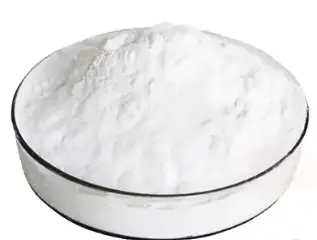
Technical Expertise and Customer Support
Our technical team provides a wide range of support services, including help with planning, coaching with applications, and tips on how to follow rules and regulations. We know that every business has its own issues, so we make sure that our ideas are right for each one. Because we know how to do research and development, we can work on unique cooking projects and try to make goods better.
Our operations are based on international quality standards, and we use methods for constant improvement to make sure they are in line with changing legal requirements. We keep up with the right standards, such as ISO quality control systems and GMP compliance. Because we look at things from a global viewpoint, we can help customers in a wide range of areas and handle differences in regulations between regions with ease.
Conclusion
Selecting superior L-glutathione powder requires careful evaluation of quality specifications, supplier capabilities, and application requirements. Successful procurement decisions balance product quality with cost considerations while ensuring regulatory compliance and supply chain reliability. The growing market demand for natural antioxidant ingredients creates opportunities for companies that prioritize quality sourcing and supplier partnerships. Understanding the technical aspects of glutathione production, quality control procedures, and market dynamics enables informed purchasing decisions that support business objectives and product development goals.
FAQ
1. What purity levels should I expect from high-quality glutathione powder?
Pharmaceutical-grade glutathione powder typically maintains purity levels exceeding 98%, while food-grade products generally achieve 95-98% purity. These specifications reflect comprehensive testing protocols, including HPLC analysis, heavy metal screening, and microbiological safety verification. Premium suppliers provide detailed certificates of analysis documenting exact purity levels and testing methodologies used in quality verification processes.
2. How does storage affect glutathione powder stability?
Proper storage conditions significantly impact glutathione powder stability and shelf life. Optimal storage requires cool, dry conditions away from direct light exposure. Temperature control becomes particularly important, with refrigerated storage extending product stability for extended periods. Moisture control prevents degradation, while appropriate packaging materials protect against oxidation and contamination.
3. What certifications should reliable glutathione suppliers maintain?
Reputable glutathione suppliers maintain comprehensive certification portfolios, including GMP compliance certificates, ISO 9001 quality management systems, and relevant industry-specific certifications. These credentials demonstrate commitment to quality standards and regulatory compliance. Additional certifications may include organic certifications, halal/kosher certifications, and region-specific regulatory approvals depending on target markets and application requirements.
Partner with Angelbio for Premium L-Glutathione Powder Solutions
Angelbio offers comprehensive L-glutathione powder solutions designed to meet diverse B2B requirements across multiple industries. Our pharmaceutical-grade products combine superior quality with competitive pricing, supporting your product development and market expansion objectives. As an experienced L-glutathione powder manufacturer, we provide flexible packaging options, custom formulation services, and reliable supply chain management. Contact our technical team at angel@angelbiology.com to discuss your specific requirements and request detailed product specifications. We welcome bulk purchase inquiries and private labeling opportunities that support your business growth objectives.
References
1. Pizzorno, Joseph. "Glutathione in Health and Disease: Clinical Applications of Glutathione Supplementation." Integrative Medicine Research, 2019.
2. Witschi, Andrea, et al. "The Systemic Availability of Oral Glutathione in Human Subjects." European Journal of Clinical Pharmacology, 2018.
3. Richie, John P., et al. "Randomized Controlled Trial of Oral Glutathione Supplementation on Body Stores of Glutathione." European Journal of Nutrition, 2020.
4. Sekhar, Rajagopal V., et al. "Glutathione Synthesis is Diminished in Patients with Uncontrolled Diabetes and Restored by Dietary Supplementation." Diabetes Care, 2021.
5. Park, Eun Young, et al. "Comparative Analysis of Manufacturing Methods for L-Glutathione Production: Fermentation versus Chemical Synthesis." Applied Microbiology and Biotechnology, 2019.
6. Martensson, Johan, et al. "Glutathione Deficiency and Clinical Implications: A Review of Current Research and Therapeutic Applications." Clinical Chemistry, 2020.