



Can Berberine HCI Powder Improve Gut Microbiome?
Berberine HCl Powder has attracted growing interest in gut microbiome research because of its potential interactions with intestinal microbial communities and related metabolic pathways. Research suggests that berberine can influence the composition and activity of certain microorganisms, although the direction and magnitude of these effects may vary according to dose, formulation, study population, diet, and baseline microbiota. Studies have also investigated its relationship with intestinal barrier signaling, inflammatory pathways, and AMPK-related cellular metabolism.
For nutraceutical brands and ingredient procurement teams, this makes Berberine HCl Powder an interesting option for formulations positioned around gut health, metabolic wellness, and cellular support. More importantly, a standardized berberine HCl ingredient can give manufacturers a defined active specification, consistent quality parameters, and greater flexibility when developing differentiated supplement products.
The key is to distinguish research-supported mechanisms from finished-product health claims while selecting a supplier capable of providing reliable specifications, testing documentation, samples, and commercial supply support.


Understanding Berberine HCl Powder and Its Role in Gut Health
Chemical Composition and Molecular Distinction
Berberine hydrochloride is a commonly used salt form of berberine for standardized ingredient applications. It is a yellow crystalline powder with a chemical formula of C20H18ClNO4 and a molecular weight of approximately 371.81 g/mol.
Its defined chemical identity and established analytical profile make it suitable for manufacturers seeking a consistent berberine specification. Actual solubility, hygroscopicity, dissolution behavior, and stability should nevertheless be evaluated according to the specific raw material and finished formulation.
For B2B buyers, the more practical question is whether a supplier can consistently deliver the required assay, purity, stability, and documentation. High-quality Berberine HCl can be verified using validated analytical methods such as HPLC, helping procurement teams confirm active content and maintain batch-to-batch consistency.
This is particularly important for brands developing products at commercial scale, where small variations in active content can affect formulation calculations, specifications, labeling, and quality control.
Mechanisms of Gut Microbiome Modulation
Berberine has been investigated for its interactions with intestinal microbial ecology through several potential mechanisms. Research suggests that it may influence the abundance and metabolic activity of certain bacterial populations, although microbial responses are not necessarily consistent across all studies.
Some experimental studies have examined changes involving Akkermansia muciniphila and other microbial groups following berberine administration. These findings have contributed to growing interest in berberine as an ingredient for microbiome-oriented formulations.
However, microbial responses may depend on the starting microbiome, dose, duration, diet, formulation, and individual physiological factors. Therefore, berberine should not be positioned as a guaranteed method for “restoring” or “balancing” the gut microbiome.
From a product-development perspective, its value lies in providing a well-characterized botanical ingredient with multiple research pathways that can be incorporated into gut-health and wellness concepts.
Berberine may also interact with bacterial metabolic pathways and microbial metabolites, including short-chain fatty acids. These mechanisms provide additional areas for formulation research.
For manufacturers, berberine can also be evaluated alongside probiotics, prebiotics, fibers, or other botanical ingredients. The compatibility and performance of each combination should be validated in the specific finished formulation.
Berberine-related activation of AMPK has also been investigated in relation to cellular energy metabolism. Because AMPK participates in glucose and lipid metabolism, this pathway provides part of the scientific rationale for ongoing research into berberine and metabolic wellness.
However, cellular pathway activity should not automatically be translated into guaranteed clinical outcomes.
Impact on Intestinal Barrier Integrity
Intestinal barrier function is another area of berberine research. Experimental studies have investigated its potential relationship with tight-junction proteins such as occludin and zonula occludens-1 (ZO-1).
Some preclinical research suggests that berberine may influence signaling associated with intestinal barrier integrity and inflammatory responses. These findings provide a scientific basis for further investigation of berberine-containing formulations positioned around gut and cellular support.
For B2B manufacturers, this research can help build scientifically grounded product positioning without claiming that berberine directly repairs intestinal damage or treats gastrointestinal disorders.
This distinction also provides greater flexibility for international marketing, where permitted claims can differ substantially between markets.
Benefits of Berberine HCl Powder for Gut Microbiome and Beyond
Microbiome Balance and Metabolic Synergy
The connection between the gut microbiome and metabolic wellness continues to attract attention in nutritional research. Berberine HCl Powder has been investigated in this context because of its potential interactions with microbial composition, bile-acid-related pathways, glucose metabolism, lipid metabolism, and cellular signaling.
Some studies have reported changes in specific microbial populations, including Akkermansia muciniphila, following berberine supplementation. However, these findings do not establish that berberine will consistently increase Akkermansia levels in every individual or that a particular microbial change will necessarily produce a defined health outcome.
For product developers, the research nevertheless provides useful opportunities for gut-health, metabolic-wellness, and multi-pathway botanical formulations.
Berberine products have been studied at different doses and durations, with gastrointestinal tolerance being an important formulation consideration. Rather than applying one universal dosage to every product, manufacturers should establish serving sizes based on the specific raw material, intended application, human evidence, and target-market requirements.
For procurement teams, this makes accurate assay data particularly valuable: knowing the actual berberine concentration allows formulation managers to calculate serving sizes and maintain consistent finished-product specifications.
Comparative Positioning Against Alternative Compounds
The comparison of berberine with other ingredients can help formulation teams determine where it fits within a differentiated product concept.
Berberine has been studied in relation to AMPK and other metabolic pathways, while metformin is a pharmaceutical drug with a different regulatory status, pharmacological profile, and clinical application. Although certain molecular pathways may overlap, berberine should not be positioned as a natural equivalent or substitute for metformin.
Alpha-lipoic acid has also been studied for antioxidant and metabolic applications, but its mechanisms differ from those investigated for berberine. Cinnamon extracts provide another botanical option with a different phytochemical profile.
For B2B formulation teams, the better comparison is therefore based on: mechanism of action, active-compound standardization, formulation compatibility, dosage-form requirements, available research, regulatory positioning, supply consistency.
This approach helps manufacturers select ingredients based on commercial product requirements rather than broad efficacy comparisons.
Dosage, Safety, and Quality Considerations for Procurement
Recommended Administration Protocols
Berberine has relatively low systemic oral bioavailability because of limited absorption and extensive metabolism. This pharmacokinetic characteristic makes formulation design and serving-size considerations particularly relevant.
Human studies have used different dosing schedules and amounts, and gastrointestinal tolerance can vary between individuals. Therefore, one dosing protocol should not be treated as universally optimal for every Berberine HCl product.
For manufacturers, serving size should be established according to the specific raw-material assay, dosage form, intended application, available human evidence, and regulatory requirements of the target market.
Advanced delivery approaches—including particle-size optimization, lipid-based systems, and other formulation technologies—have been investigated to modify berberine's dissolution or absorption characteristics.
For B2B buyers, the commercial value of these technologies should be evaluated using measurable data rather than marketing claims. Finished-product testing can help determine whether a specific delivery system provides the intended formulation advantage.
Safety Profile and Contraindication Awareness
Berberine has been investigated in numerous human studies, but gastrointestinal effects such as abdominal discomfort, constipation, diarrhea, or changes in bowel habits may occur in some users.
Berberine may also interact with drug-metabolizing enzymes and transport pathways, which is relevant when developing products for consumers who use prescription medications.
Products positioned around metabolic wellness should receive particular attention when intended for consumers using glucose-lowering medications or other products that may affect related pathways.
Pregnancy and breastfeeding require additional caution because sufficient safety evidence is not available to support routine supplementation in these populations.
For B2B manufacturers, appropriate safety review, labeling, and regulatory assessment should therefore be considered alongside raw-material quality.
Quality Standards and Verification Protocols
For commercial procurement, quality verification is one of the most important factors differentiating suppliers.
Depending on the intended market and product category, buyers may establish specifications for berberine hydrochloride identity, assay, related substances, contaminants, and microbiological quality.
HPLC assay verification helps confirm berberine content and provides a measurable basis for batch acceptance. A batch-specific Certificate of Analysis should identify the analytical method, assay result, specification, and relevant quality parameters.
Heavy-metal testing should be conducted according to applicable specifications and intended use. Where appropriate, analytical methods such as ICP-MS can provide sensitive contaminant verification.
Residual-solvent testing should also be considered according to the manufacturing and purification process. Specifications should follow applicable regulations or agreed customer requirements.
Microbiological testing may include total aerobic counts, yeast and mold, and relevant pathogen testing depending on the finished-product application.
For procurement teams, a complete quality package—including COA, specifications, testing records, traceability information, and stability data where available—can significantly simplify supplier qualification.
How to Source and Evaluate Berberine HCl Powder Suppliers
Critical Evaluation Criteria for Procurement Teams
Choosing a trustworthy Berberine HCl Powder supplier requires more than comparing price and stated purity.
A qualified supplier should be able to provide:
- batch-specific Certificates of Analysis;
- HPLC assay results;
- product specifications;
- contaminant and microbiological testing;
- botanical-source information where applicable;
- stability and storage information;
- packaging specifications;
- relevant regulatory documentation.
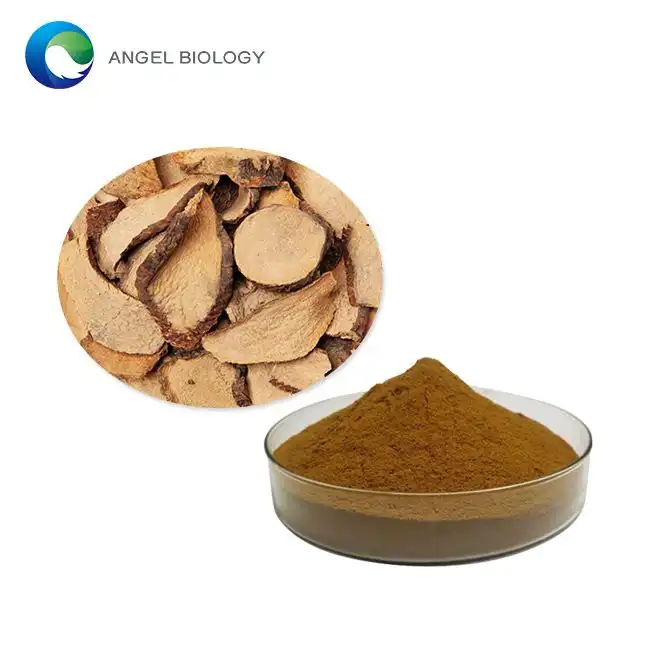
Transparency regarding botanical source and manufacturing processes is also important. Depending on the material, berberine may be derived from botanical sources such as Coptis chinensis, Phellodendron species, or Berberis species. The source and manufacturing process should be clearly documented.
Supply reliability and scalability are equally important. A supplier may offer excellent laboratory samples but still struggle to maintain consistent specifications at commercial volume.
Procurement teams should therefore evaluate production capacity, quality systems, lead times, inventory planning, and supply-continuity procedures before committing to large-volume purchasing.
Minimum order quantities, pricing, payment terms, shelf life, storage requirements, and packaging should also be clarified during supplier qualification.
Building Strategic Supplier Relationships
A strong supplier relationship can provide value beyond the purchase of raw materials.
Experienced ingredient manufacturers may support customers with sample evaluation, specification matching, technical documentation, formulation discussions, packaging options, and customized requirements.
For brands developing differentiated products, customization may include particle-size requirements, packaging formats, assay specifications, or other agreed quality parameters.
Supply-chain transparency is equally important. Buyers should understand botanical sourcing, production capacity, inventory management, lead times, and contingency planning.
Maintaining qualified alternative suppliers can also strengthen supply continuity for brands operating across multiple markets.
Price remains an important purchasing factor, but the lowest unit price does not necessarily produce the lowest total cost. Inconsistent assay values, inadequate documentation, failed testing, or unstable supply can increase downstream development and manufacturing costs.
A more effective procurement strategy evaluates total cost of ownership, quality consistency, technical support, documentation, customization, and supply reliability alongside price.
Future Trends and Market Outlook for Berberine HCl Powder in Gut Health
Expanding Application Beyond Traditional Metabolic Health
Interest in the gut microbiome continues to expand into areas such as digestive health, metabolic wellness, immune-related research, and the gut-brain axis.
Berberine is being investigated across several of these areas because of its interactions with microbial and cellular pathways. Emerging research should nevertheless be treated as an opportunity for product development rather than evidence that berberine treats neurological, immune, or mental-health conditions.
For manufacturers, the commercial opportunity lies in developing clearly positioned, research-informed botanical formulations rather than relying on broad medical claims.
Berberine may also be evaluated alongside probiotics or prebiotics. Such combinations can create differentiated formulation concepts, but any claimed synergy should be substantiated for the specific combination and dosage.
Technological Innovations Enhancing Bioavailability
Berberine's limited oral bioavailability has encouraged research into nano-emulsions, liposomal delivery, phospholipid complexes, particle engineering, and other approaches.
These technologies may modify dissolution or absorption characteristics, but their actual advantages should be supported by appropriate analytical, pharmacokinetic, or formulation data.
For B2B formulators, the key question is whether a delivery technology can provide a measurable formulation advantage while remaining scalable, stable, cost-effective, and compatible with the intended manufacturing process.
Sustained-release systems are another development area. Matrix tablets, coated particles, and other controlled-release technologies may be explored to modify release profiles.
However, claims of superior efficacy or reduced side effects should only be made when supported by evidence for the specific finished formulation.
Regulatory Landscape and Compliance Considerations
The regulatory status of berberine varies across markets, making regulatory review an essential part of international product development.
European and North American markets may have different requirements concerning ingredient safety, intended use, labeling, and permitted claims.
Because requirements can vary according to jurisdiction and product category, manufacturers should work with qualified regulatory professionals and suppliers capable of providing appropriate technical documentation.
For procurement teams, a supplier with organized specifications, COA, traceability records, quality documentation, and technical support can reduce qualification time and improve development efficiency.
Sustainability and responsible sourcing are also becoming increasingly relevant to ingredient procurement. Buyers may evaluate botanical sourcing practices, supply-chain traceability, environmental policies, and relevant certifications according to brand requirements.
Conclusion
Berberine HCl Powder is a well-researched botanical ingredient attracting growing interest in gut microbiome, metabolic-wellness, and multi-pathway formulation concepts.
Research has investigated its interactions with intestinal microbial communities, AMPK-related pathways, microbial metabolites, and intestinal barrier signaling. However, current evidence does not justify positioning berberine as a clinically validated treatment for gut microbiome disorders or as a guaranteed way to improve microbiome composition.
For B2B product developers, the stronger commercial opportunity lies in its research-supported mechanisms, defined chemical identity, standardized active content, formulation flexibility, and compatibility with differentiated wellness products.
For procurement teams, ingredient quality is equally important. HPLC-verified assay, batch consistency, contaminant testing, stability, traceability, documentation, customization, and reliable supply can directly influence product-development efficiency and commercial scalability.
As interest in microbiome-focused products continues to grow, a well-characterized Berberine HCl Powder can provide manufacturers with a practical ingredient platform for developing evidence-informed botanical formulations.
The right supplier can add further value through samples, COA, technical support, customized specifications, and dependable bulk supply—helping brands move from ingredient evaluation to commercial production with greater confidence.
FAQ
1. Why is berberine hydrochloride specifically more effective for gut health applications compared to other berberine salts?
Berberine hydrochloride is a widely used salt form with established analytical and formulation specifications. Its defined chemical profile can make it convenient for manufacturers seeking consistent raw-material specifications.
However, it should not automatically be described as clinically more effective for gut health than every other berberine salt. Comparative performance depends on purity, dosage form, dissolution, formulation, and the specific product specification.
For procurement teams, consistent assay, stability, documentation, and formulation compatibility are generally more useful selection criteria than broad claims of superiority.
2. Can berberine interact with pharmaceutical medications commonly used by target consumer populations?
Yes. Berberine has been investigated for interactions with several drug-metabolizing enzymes and transport pathways, so potential interactions should be considered when developing products for consumers who use medications.
Particular attention may be appropriate for products intended for individuals taking glucose-lowering medications or other drugs with relevant metabolic pathways.
Manufacturers should ensure that labeling, safety information, and product positioning are appropriate for the target market.
3. What verification methods confirm authenticity and prevent adulteration during bulk procurement?
HPLC testing is an important starting point for confirming berberine identity and assay. Depending on procurement requirements, buyers may also request chromatographic fingerprinting, related-substance testing, contaminant analysis, microbiological testing, and third-party laboratory verification.
Supplier audits and traceability documentation can provide additional assurance regarding botanical sourcing and manufacturing controls.
For larger-volume procurement, batch-specific COA, clearly defined specifications, and supplier qualification procedures should form part of the purchasing process.
Partner with Angelbio for Reliable Berberine HCl Powder Supply
Angelbio supplies Berberine HCl Powder for nutraceutical and botanical product manufacturers seeking consistent specifications, quality documentation, and dependable commercial supply.

Our quality-control approach includes analytical verification such as HPLC testing, together with relevant quality and contaminant testing according to product requirements.
With experience in natural-ingredient R&D and collaboration with the Institute of Life and Health Research of Xi'an Jiaotong University, Angelbio supports B2B customers with:
- Product specifications
- Batch-specific COA
- Sample evaluation
- Quality documentation
- Customized requirements
- Packaging discussions
- Technical communication
- Bulk supply planning
For manufacturers developing gut-health, metabolic-wellness, or botanical supplement products, our team can help evaluate suitable Berberine HCl specifications according to your formulation and market requirements.

Need a Berberine HCl sample, COA, specification, or MOQ quotation?
Contact angel@angelbiology.com to discuss your sourcing requirements and evaluate a suitable supply solution for your next formulation.