



Can CoQ10 help with dizziness?
Millions of people around the world experience dizziness, which can feel like lightheadedness, unsteadiness, or a spinning feeling that gets in the way of daily life and work. When people who work in sourcing in the nutraceutical business look at supplement ingredients, they need to know that molecules like Coenzyme Q10 can be used as medicine. By promoting heart health and cellular energy production, Coenzyme Q10, also known as Coenzyme Q10, may help with some dizzy symptoms. Even though the study is still going on, there is some clinical proof that suggests that taking CoQ10 supplements may help people who are dizzy because of problems with their mitochondria or their circulation. Because of this link, CoQ10 is an important thing for formulation managers to think about when they are making goods that help with energy production and balance.
Understanding Dizziness and Its Underlying Causes
Dizziness is not a single condition; it is a sign of a number of physiological problems that affect balance and the sense of one's surroundings. Heart problems are one of the most common causes, because not enough blood flow to the brain causes temporary oxygen shortages that show up as dizziness. Problems with the inner ear make it harder for the vestibular system to keep your balance, and changes in the brain can mess up the complex signalling paths that connect movement and direction.
Cardiovascular Factors Contributing to Balance Issues
Changes in blood pressure make it very hard to keep the flow of blood to the brain areas steady. When heart output goes down or vascular resistance goes up, brain perfusion falls below what it should be. This decrease in the flow of oxygen-rich blood can make you feel unsteady or lost. People whose circulatory systems aren't working as well as they should often have repeated episodes that happen when they work out or change their posture.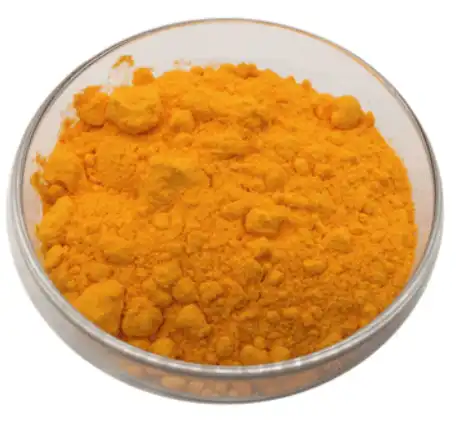
Mitochondrial Energy Deficits and Spatial Orientation
A lot of cells in the nervous system depend on making ATP all the time to keep working right. Inefficient mitochondria make it harder for the body to make neurotransmitters and send nerve signals. To properly handle sensory information, the vestibular organs and the neural pathways that connect to them need a lot of metabolic support. When energy production slows down, these systems have a hard time staying perfectly coordinated, which could throw the balance off.
Nutritional Approaches to Supporting Balance Function
More and more B2B clients in the supplement industry know that focused nutritional treatments can help the body's natural balance systems. In addition to traditional methods, formulas that focus on energy digestion, antioxidant defense, and circulatory health can also be helpful. When purchasing ingredients, teams need a lot of information on bioavailability, stability, and clinical proof so they can make smart choices about where to get them that meet both legal and effectiveness standards.
How Does Coenzyme Q10 Influence Balance and Energy Metabolism?
Coenzyme Q10, which is also called Ubiquinone-10 in science, is an important part of the electron transport chain in mitochondria. This quinone that dissolves in fat makes it easier for electrons to move during oxidative phosphorylation, which directly helps make ATP. In addition to making energy, CoQ10 is a lipophilic antioxidant that keeps cellular membranes safe from oxidative damage that can hinder tissue performance in the brain and circulatory systems.
Mechanisms Supporting Circulatory Efficiency
CoQ10 helps keep blood vessels healthy by supporting endothelial function and encouraging blood vessels to be as flexible as they can be. Better circulation makes sure that brain tissues and sensory structures get more oxygen and nutrients on a regular basis. Clinical observations show that people with higher amounts of CoQ10 often have stronger cardiovascular resistance, which means that blood flow patterns in the brain are more stable. This steadiness may make dizziness events caused by changes in circulation happen less often.
The molecular weight of 863.34 g/mol and its high lipophilicity (log P greater than 10) make it hard to formulate, which is something that buying experts have to deal with. Coenzyme Q10 that comes from fermentation is guaranteed to have a 100% all-trans isomer configuration, which is the same structure that is naturally made in human cells. This consistency makes sure that biological action can be predicted, which is very important when making supplements that are meant to be taken every day.
Antioxidant Protection for Neural Tissues
When oxidative stress happens, it hurts cells all over the nervous system, which could affect the sensitive parts that help us sense balance. CoQ10's antioxidant power gets rid of reactive oxygen species (ROS) before they damage membrane structure or mess up signalling between cells. This defensive action goes all the way to the mitochondria, making a positive feedback loop that keeps the ability to make energy going over time.
Researchers who looked at people who took CoQ10 supplements saw lower levels of signs of oxidative damage and higher levels of energy. While more research is needed to prove a clear link between taking CoQ10 and less dizziness, the compound's dual role in energy metabolism and cellular defence makes it a good candidate for inclusion in focused formulations.
Quality Control Standards for Coenzyme Q10 Procurement
To get high-purity CoQ10, strict obedience to pharmacopeial standards set by USP, EP, and JP papers is needed. These requirements make sure that the materials that are bought meet the strict needs of making nutraceuticals, where stability from batch to batch has a direct effect on how well the product works and how well it meets legal requirements.
Critical Quality Parameters for Raw Material Assessment
The HPLC test must show that the amount of CoQ10 is between 98.0% and 101.0%, and the amount of all other chemicals that are linked must stay below 1.0%. The cis-isomer content needs extra attention because amounts higher than 0.5 to 1.0% make cellular compatibility less likely. This worry is not a problem with fermentation-derived sources because they naturally produce only the trans form. This makes them different from semi-synthetic versions that might contain impurities.
Organic solvents are often used in extraction and filtering processes for Coenzyme Q10, so residual solvent testing is another important step. Class 2 liquids, such as methanol, hexane, and toluene, used in Coenzyme Q10 must stay well below the limits set by the government. Advanced standards, such as ethanol levels below 5000 ppm in Coenzyme Q10, demonstrate a commitment to cleanliness that aligns with the clean-label market's requirements.
The way particles are distributed affects how well finished formulas dissolve. Micronised grades with D90 values below 10 to 20 microns improve absorption in situations where the drug is not dissolved. This measure is especially important for hard capsules because it affects absorption rates directly by how well the capsules dissolve.
Products that are meant to be used for a long time should not be contaminated with heavy metals. Lead levels must stay below 0.5 ppm, and arsenic levels must not go above 1 ppm. Full microbiology testing keeps total plate numbers within safe limits, which protects end users and keeps the brand's image.
Temperature Sensitivity in Supply Chain Management
The relatively low freezing point of 48–52°C of CoQ10 makes it hard to transport, which is something that buying teams can't ignore. If the powder is transported or stored in a place with temperatures above 40°C, it will sinter into solid blocks, which will stop the automatic dose equipment from working. Temperature-controlled shipping methods keep things honest all the way through the supply chain, which stops expensive material losses and production delays.
Because the substance is photosensitive, it needs to be packed in a way that keeps light from getting to it. When the colour changes from bright orange-yellow to brownish, it means that UV light is breaking down the material and making decomposition products like ubichromenol. Proper keeping conditions and opaque cases keep the product's potency for as long as it lasts.
Comparing Ubiquinone and Ubiquinol Forms for Different Applications
The oxidised form, Ubiquinone, is the usual API used in most supplements because it is stable and behaves as expected during production. The body changes Ubiquinone into Ubiquinol when it needs to, so the oxidised form is good for most formulation methods.
The reduced form of Ubiquinol has gotten a lot of attention because it is said to help the body absorb things better. Theoretically, this pre-converted state has benefits, especially for groups that have trouble converting. Because Ubiquinol is very unstable when exposed to oxygen in the air, it is hard to make. This is because the molecule quickly changes back to Ubiquinone. Specialized nitrogen-inert sealing equipment is needed, which makes production much more difficult and raises the cost of raw materials.
Formulation scientists have to weigh these trade-offs against the wants of end users and the goals of placing the product in the market. Ubiquinone is the better choice for most uses because it is more stable and costs less. Ubiquinol is better for niche groups that are ready to spend more on special positioning.
Bioavailability Enhancement Strategies for CoQ10 Products
Crystalline CoQ10 doesn't dissolve well in water, which makes it less effective when made as simple powder-filled pills. To get around this problem and get useful clinical results, modern formulation methods use a number of improvement technologies.
Adding cyclodextrin inclusion complexes or microencapsulation technologies to water-soluble grades changes the naturally lipophilic molecule into forms that can work in wet environments. These changed forms greatly speed up the breakdown process in the digestive system, which increases bioavailability without needing to eat fat at the same time.
Using lipid-based solutions for softgel packing is another tried-and-true method. The pre-dissolved CoQ10 skips the step that slows down the dissolving process, which makes it easier for the body to absorb across intestinal walls. To keep this delivery method from recrystallising during storage, you must choose the lipids and ensure the solution is safe.
Nano-emulsion technologies are cutting-edge methods that make particles as small as a few nanometres, which greatly increases the surface area that can be absorbed. These advanced formulas cost more than others, but they have better bioavailability measures that support their place in high-performance product lines.
Sourcing Strategies for B2B Procurement Teams
A systematic review of a number of factors that go beyond price considerations is needed to find reliable CoQ10 providers. Quality approvals from well-known organisations are important to ensure that factory standards and testing procedures are followed. A supplier's ISO licenses, GMP compliance, and obedience to pharmacopeial standards all show that they are dedicated to quality.
Being open about where products come from and how they are made builds trust and makes it easier to fill out governmental paperwork. Suppliers who are willing to share thorough specs, analytical reports, and information about the production process show that they are willing to work with you for a long time. Tracking systems that go from the sources of raw materials to finished products are very important for responsibility in markets that are becoming more regulated.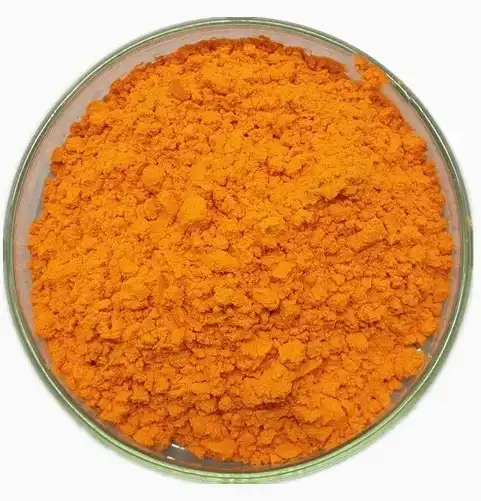
One of the main things that procurement workers who run just-in-time manufacturing processes worry about is the reliability of the supply chain. Suppliers who have well-established methods for managing their goods and a range of output options lower the risk of disruption. Checking a possible partner's past success at meeting deadlines and communicating clearly can help you guess how well they will do in the future.
As consumers expect more ethical sourcing, brands are making sustainability standards more and more important in buying decisions. In competitive markets, suppliers who do things that are good for the earth and try to get certifications like organic or non-GMO stand out. These features make the molecule more valuable by backing brand stories and market positioning strategies.
Instead of just unit price, pricing should take into account the total cost of ownership. The original savings from cheap suppliers are often outweighed by the hidden costs that come with poor quality, shipping delays, or lack of expert support. A full cost study looks at more than just the headline price. It also looks at quality uniformity, service levels, and the value of a long-term connection.
Conclusion
Coenzyme Q10 gives nutraceutical companies great chances to make goods that help the body's energy production and circulatory health. As more studies are done on the direct links between taking CoQ10 supplements and reducing dizziness, it is clear that this substance should be included in targeted formulations because it is known to play important roles in mitochondrial function and antioxidant defence. To get materials that always work, procurement pros have to deal with a lot of complicated quality issues, such as making sure that all-trans isomers are pure and that operations are kept under control at a certain temperature. Because Ubiquinone and Ubiquinol are different, and because there are different ways to improve absorption, there are many ways to formulate them that are good for different price points and market groups. To support product development goals and regulatory compliance, good buying relationships strike a balance between quality certifications, supply stability, and open communication.
FAQ
1. Is Coenzyme Q10 suitable for all age groups in supplement formulations?
When made according to pharmacopeial standards, CoQ10 has great safety ratings across a wide range of people. Natural amounts of CoQ10 drop with age, which is why supplementation is especially important for older people. When formulating goods for certain groups of people, formulation managers should look at age-appropriate dosing guidelines and clinical data that is readily accessible. For paediatric uses, we need to look more closely at the right intake amounts.
2. How quickly might individuals notice changes when using CoQ10 supplements?
Response times depend on the person and their initial CoQ10 level. In clinical studies, results are usually looked at over 4 to 12 weeks so that changes in signs of energy metabolism can be relevant. To make sure that product claims are true, procurement teams should give marketing departments reasonable deadlines. In competitive supplement markets, setting realistic goals helps keep customers happy and builds brand trust.
3. What distinguishes Coenzyme Q10 from references to Coenzyme 010?
The name "Coenzyme 010" is often spelled incorrectly or typographically as "Coenzyme Q10". The correct formal name for this chemical is Coenzyme Q10 or Ubiquinone-10, which comes from the ten isoprenoid units that make up its side chain. Specific names should be used in procurement documents to keep things clear when communicating with suppliers and checking for quality. Clear language makes sure that everyone in the supply line is talking about the same things.
Partner with Angelbio for Premium Coenzyme Q10 Supplier Solutions
Angelbio has more than 18 years of experience developing natural ingredients and can help supplement brands, functional food makers, and companies that make nutraceuticals get reliable Coenzyme Q10 bulk powder. Our CoQ10 comes from fermentation and is 100% pure in its all-trans-isomer form. It meets the standards of USP, EP, and JP and comes with full certificates of analysis for every batch. From our factories in Xi'an to your plant floor, temperature-controlled transport and light-resistant packaging keep the integrity of the materials. We know how hard it can be to get things when you need to test for leftover solvents, different particle sizes, and heavy metal limits. We can help you with all of these issues and more as you work on developing your recipe. Please email our team at angel@angelbiology.com to talk about custom CoQ10 powder specifications, cheap price structures, and supply deals that are made to fit your quality standards and production numbers.
References
1. Garrido-Maraver J, Cordero MD, Oropesa-Ávila M, et al. "Coenzyme Q10 Therapy in Clinical Practice." Journal of Clinical Medicine Research, 2014; 6(4): 251-262.
2. Littarru GP, Tiano L. "Bioenergetic and Antioxidant Properties of Coenzyme Q10: Recent Developments." Molecular Biotechnology, 2007; 37(1): 31-37.
3. Hargreaves IP. "Coenzyme Q10 as a Therapy for Mitochondrial Disease." International Journal of Biochemistry & Cell Biology, 2014; 49: 105-111.
4. Shen Q, Pierce JD. "Supplementation of Coenzyme Q10 among Patients with Type 2 Diabetes Mellitus." Healthcare, 2015; 3(2): 296-309.
5. Mortensen SA, Rosenfeldt F, Kumar A, et al. "The Effect of Coenzyme Q10 on Morbidity and Mortality in Chronic Heart Failure." JACC: Heart Failure, 2014; 2(6): 641-649.
6. Ernster L, Dallner G. "Biochemical, Physiological and Medical Aspects of Ubiquinone Function." Biochimica et Biophysica Acta, 1995; 1271(1): 195-204.