



Can Niacinamide Powder Be Combined with Other Skincare Actives?
Niacinamide powder mixes with many beauty products. It's one of the most versatile cosmetic ingredients. Niacinamide powder goes well with many items due to its stable chemical structure and normal pH (5-7). Not like certain actives that need a specific sequence or pH level. If blended properly, water-soluble vitamin B3 works with retinol, AHAs/BHAs, vitamin C, and hyaluronic acid. You must know the optimal dose ratios and strategies to create your product to maximize its benefits and stability.
Understanding Niacinamide Powder and Its Role in Skincare Formulations
One of the most researched active substances in cosmetics and skin care products is niacinamide powder. This yellow powder is vitamin B3 amide. Its unique cellular action benefits the skin in various ways.
Chemical Properties and Purity Grades
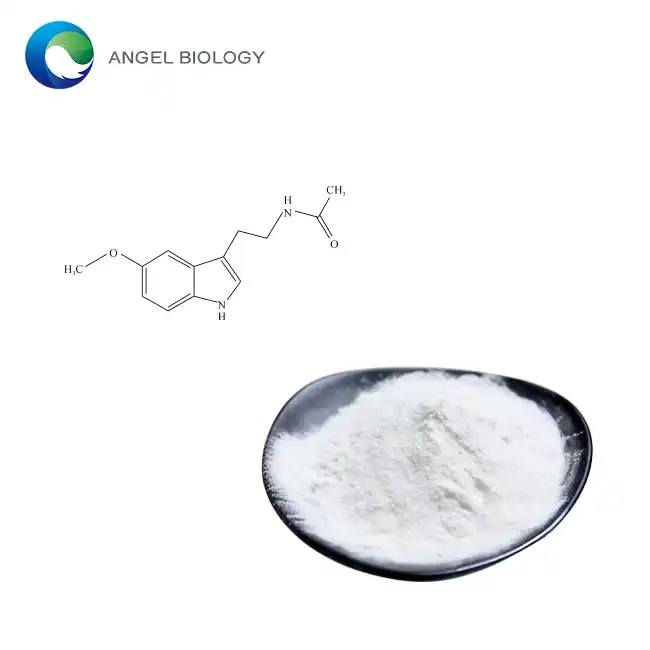
Pyridine-3-carboxamide (CAS No. 98-92-0) niacinamide powder dissolves in water and is pure. It is different from niacin. Lower-purity grades lack vasodilator advantages due to their production. It may be used in sensitive skin masks.
Cosmetic-grade niacinamide powder is 98–99% pure, whereas USP/EP/BP pharmacopeia requires 99.0% to 100.5% purity. B2B purchasing teams who create high-performance skin care products need to know this since higher purity grades are more stable and reduce formulation compatibility issues.
Mechanism of Action and Skin Benefits
Niacinamide powder generates NAD and NADP, which activates cells. Coenzymes set energy utilization and DNA retention. Better protection, reduced redness, and smoother skin are seen.
Niacinamide inhibits tyrosinase and lightens skin by stopping melanosome transfer in clinical trials. Additionally, it lowers sebum, which benefits acne-prone skin. As an anti-inflammatory, it may suppress pro-inflammatory cytokines, making it suitable for sensitive skin care.
Stability and Formulation Considerations
Niacinamide powder is more stable than other vitamins under light, heat, and oxidation. The solid's structure is stable from pH 3.0 to 7.5, although it's most stable in the center. It is stable, making it ideal for complicated recipes with several active ingredients that might reduce efficacy due to interactions.
The powder dissolves readily in water (691 g/L), making it easy to combine with water-based systems. Moderate ethanol and glycerol solubility gives formulators additional options. Formulators may improve transportation methods and ensure product consistency by recognizing these qualities.
Compatibility of Niacinamide Powder with Common Skincare Actives
Niacinamide powder is widely used in high-tech cosmetics since it blends nicely with other skin care treatments. If formulators understand these relationships, they may create things that operate together to benefit without losing stability.
Vitamin C and Antioxidant Combinations
People thought niacinamide and vitamin C wouldn't function well together, but a recent formulation study shows they do when stable. You must choose the proper vitamin C products and maintain the right pH throughout production.
Niacinamide powder prefers neutral pH; however, L-ascorbic acid needs pH 3.5–4.0. Because they remain stable at niacinamide-friendly pH values, magnesium or sodium ascorbyl phosphate are ideal choices. This blend contains numerous vitamins, improves skin, and delays aging.
Benefits include improved barrier function, collagen synthesis, and UV protection. In production, sequential addition procedures provide the highest security. The cooling water phase should include niacinamide powder because the pH is established.
AHA/BHA Integration Strategies
Alpha and beta hydroxy acids are acidic, making recipe mixing difficult. However, niacinamide powder softens, improving these mixes. Niacinamide decreases inflammation, so chemical exfoliants don't harm skin.
Glycolic acid, lactic acid, salicylic acid, and niacinamide may complete acne, redness, and skin treatment options. For optimal efficiency and comfort, utilize niacinamide concentrations between 2 and 5 percent and AHA/BHA concentrations between 0.5 and 2 percent.
The order of mix components is crucial here. Adding niacinamide powder during balancing keeps the pH constant and exfoliates. This keeps things from becoming sour and preserves both active groups' advantages.
Retinol and Peptide Combinations
Niacinamide powder, retinol, and other peptide actives comprise a powerful anti-aging blend. Retinol acts on several aging processes and is less likely to irritate the skin due to its blend.
Niacinamide lowers inflammation, making encapsulated retinol systems perform better. Higher quantities may be utilized without affecting tolerance. Because niacinamide maintains pH, peptide actives such as palmitoyl tripeptide-1 and acetyl hexapeptide-8 remain stable.
Keep the temperature low and utilize the correct antioxidants to preserve retinol while creating anything. You should add niacinamide powder to the water phase and retinol to the lipophilic phase until you blend them.
Best Practices for Using Niacinamide Powder in B2B Skincare Product Manufacturing
Niacinamide-using product lines must follow tight regulations to ensure quality and performance. These suggestions assist B2B producers in solving frequent problems and improving productivity.
Optimal Concentration Ranges and Application Protocols
For optimal healing and safety, various skin issues need different concentrations. Anti-aging products include 2–5% niacinamide powder. This strengthens the barrier and optimizes collagen without irritating skin.
Because it controls sebum, higher doses (4–10%) of niacinamide cure acne better. To prevent these combinations from drying out, monitor pH and add relaxing substances. Sensitive skin care products should have 1%–3% concentrations. This will make them operate smoothly and create few issues.
Various goods and uses need various application times. You may use more leave-on creams and serums safely. Use less for rinse-off cosmetics, which linger on the skin briefly. When B2B clients recognize this, they may create goods that satisfy local needs and make consumers pleased.
Storage and Stability Management
Weather and storage must be carefully considered to maintain niacinamide powder quality throughout the supply chain. Powder must be kept dry with relative humidity below 60% to be safe.
Studies demonstrate that keeping items below 25°C is safest. But shipping at higher temperatures for a short period doesn't affect quality. The vacuum-sealed packing prevents the innards from caking and breaking down during shipping, so it will operate properly when it arrives.
Cleaning, moisture, and microbial contamination should be monitored routinely for quality control. Tracking paper groups helps uncover stability issues and fulfills foreign market legal criteria.
Excipient Selection and Mixing Techniques
Use the correct fillers and processing procedures to manufacture effective niacinamide powder products. Powders dissolve better with propylene glycol or butylene glycol, preserving their luster.
High-shear mixing tools blend all the powder without overheating it. Niacinamide powder doesn't crystallize when gently added to boiling (40–50°C) and cooled water. This also distributes powder uniformly.
Choose a protection carefully since certain antibiotic systems don't like high niacinamide levels. Phenoxyethanol-based systems combine well with other compounds; however, formaldehyde-releasing preservatives should be avoided.
How to Choose and Procure High-Quality Niacinamide Powder for Your Business
Buying from the correct locations and knowing what to consider influences product quality and process efficiency. B2B purchasers must verify several factors to ensure meals and supplies operate effectively.
Quality Standards and Certification Requirements
Dried pharmaceutical-grade niacinamide powder should test 99.0 to 100.5% pure. Maintaining cGMP and ISO 9001:2015 quality control standards is essential for manufacturers.
Full testing for heavy metals, solvents left behind, microbiological contamination, and similar compounds should be in analytical findings. Following EP and USP regulations ensures that authorities in all major nations will approve the goods.
Documents for tracking commodities are becoming increasingly important in global marketing. This applies primarily to North American and European products. Suppliers should provide comprehensive chain of control evidence if authorities request their records.
Cost Considerations and Supply Chain Management
Buy quantity, purity, and supplier quality determine niacinamide powder prices. Nowadays, cosmetic products cost 20–30% less than medicinal ones. However, changing the mix may negate the savings. The minimum order might be 25 kg to 500 kg if the supplier can manage it and the market is favorable. Bulk buyers save money and ensure they have supplies.
You must have the correct documents to get through customs and keep your commodities at the right temperature when sending them abroad. Working with global shipping firms reduces delays and ensures product safety.
Supplier Evaluation and Partnership Development
A complete supplier analysis should examine their ability to accomplish company objectives, resolve quality concerns, and use technology. Site assessments reveal manufacturing and quality control processes.
When constructing complex calculations or solving stable difficulties, expert assistance is crucial. Suppliers provide recipe advice and professional assistance in addition to basic goods.
Longtime partners profit from working together to create new products and gain clients. When merchants invest in R&D, they frequently inform consumers about new grades and shipping methods first.
Conclusion
One of the most popular skincare substances is niacinamide powder. It works well with vitamin C, retinol, and AHAs, making it useful for comprehensive skin care solutions. Niacinamide powder is stable, has a normal pH, and helps with many skin issues; thus, firms that sell to other businesses should use it. You must know how to create items, maintain quality standards, and collaborate with trusted people to achieve your long-term company development and new concept objectives.
FAQ
1. Is niacinamide powder safe for sensitive skin formulations?
Niacinamide powder is safe for people with sensitive skin as long as they use the right amount. Clinical tests show that amounts up to 5% don't irritate the skin much, so it can be used in products for people with sensitive skin. Because it's anti-inflammatory, it helps calm down skin irritation that other chemicals cause.
2. Can niacinamide powder be combined with high-concentration vitamin C?
Niacinamide powder and vitamin C goods can be mixed successfully with the way they are made today. Pick types of vitamin C that don't change with pH, like magnesium ascorbyl phosphate, and make sure you do it the right way. Mismatch problems can't happen when you add things in order during construction.
3. What certifications should I look for when purchasing niacinamide powder?
Some of the most important certificates are cGMP manufacturing compliance, ISO 9001:2015 quality management, and pharmacopeia conformance (USP/EP/BP). It may need extra licenses like Halal, Kosher, and REACH registration depending on where it will be sold and who it is meant for.
4. How does powder form compare to liquid niacinamide for manufacturing?
Powder forms of niacinamide are more stable, last longer, and can be used in more ways than liquid forms. The powder form lets you exactly control the amount, saves money on shipping, and takes away the worry that the product will break down too fast while it's being stored.
5. What is the optimal storage condition for niacinamide powder?
This powder should be kept in a cool, dry place that is less than 25°C and has less than 60% relative humidity. Packaging that is vacuum-sealed keeps wetness out and stops clumping. Powder can be used for 24 to 36 months if it is kept correctly and as directed.
Partner with a Trusted Niacinamide Powder Supplier Today
Angelbio spent over 18 years developing pharmaceutical-grade niacinamide powder to suit the demanding standards of global skin care firms. We operate contemporary factories with Xi'an Jiaotong University's Institute of Life and Health Research. They guarantee high quality and purity exceeding 99%. B2B formulators struggle; thus, we provide comprehensive technical assistance, a low minimum order size (beginning at 25 kg), and inexpensive, customizable costs. As one of the largest niacinamide powder manufacturers, we can help you create innovative recipes to speed up production. We can export your goods internationally with complete documentation bundles. Email angel@angelbiology.com to acquire samples and discuss your needs.
References
1. Bissett, D.L., Oblong, J.E., & Berge, C.A. (2005). Niacinamide: A B vitamin that improves the aging facial skin appearance. Dermatologic Surgery, 31(7), 860-865.
2. Chen, A.C., Martin, A.J., Choy, B., Fernández-Peñas, P., Dalziell, R.A., McKenzie, C.A., & Damian, D.L. (2015). A Phase 3 randomized trial of nicotinamide for skin-cancer chemoprevention. New England Journal of Medicine, 373(17), 1618-1626.
3. Draelos, Z.D., Matsubara, A., & Smiles, K. (2006). The effect of 2% niacinamide on facial sebum production. Journal of Cosmetic and Laser Therapy, 8(2), 96-101.
4. Hakozaki, T., Minwalla, L., Zhuang, J., Chhoa, M., Matsubara, A., Miyamoto, K., & Greatens, A. (2002). The effect of niacinamide on reducing cutaneous pigmentation and suppression of melanosome transfer. British Journal of Dermatology, 147(1), 20-31.
5. Levin, J., & Momin, S.B. (2010). How much do we really know about our favorite cosmeceutical ingredients? Journal of Clinical and Aesthetic Dermatology, 3(2), 22-41.
6. Wohlrab, J., & Kreft, D. (2014). Niacinamide—mechanisms of action and its topical use in dermatology. Skin Pharmacology and Physiology, 27(6), 311-315.