



Ceramide Powder products for sensitive skin are a completely new way to take care of the complicated needs of skin layers that have been damaged. These unique lipid molecules, which can be found in both natural and man-made forms, give beauty and skin care companies new ways to address problems and create solutions that heal skin while causing as little pain as possible. Ceramide-based formulations are at the cutting edge of dermatological innovation, especially for people with sensitive or weakened skin conditions. This is because there is a growing need for gentle yet effective skin care products.
Understanding Ceramide Powder and Its Benefits for Sensitive Skin
About half of the intercellular lipids in the stratum corneum are ceramide molecules. This makes them very important for maintaining a good skin barrier. Sphingolipid compounds work by filling in the gaps between skin cells. This makes a shield that keeps wetness in the skin and keeps dangerous external factors from getting through.
The Science Behind Ceramide Function
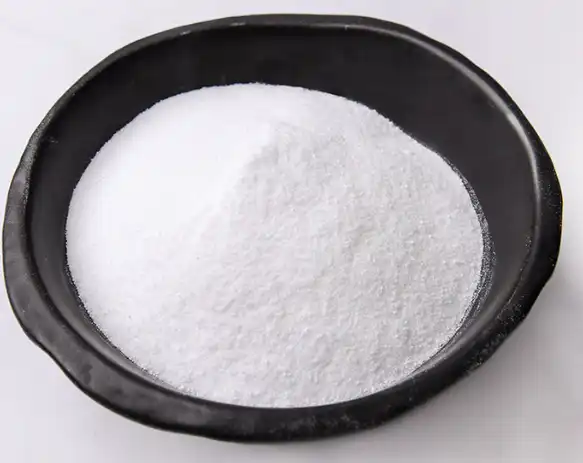
Dermatological schools have done research that shows a lack of ceramide is directly linked to more sensitive skin and problems with the barrier function. When these active substances are made into a powder, they stay more stable than when they are made into a liquid. This makes it possible to give the right dose and improve bioavailability. Ceramides can be added to a wide range of products because they come in powder form. These include serums, lotions, and even treatment formulas made especially for sensitive skin.
Natural Versus Synthetic Ceramide Sources
Natural ceramides, typically derived from plant sources such as rice or wheat, offer excellent compatibility with sensitive skin due to their structural similarity to human ceramides. Synthetic ceramides, while chemically identical, provide greater consistency and purity control, making them particularly valuable for pharmaceutical-grade formulations. Both sources demonstrate efficacy in restoring barrier function and reducing inflammatory responses associated with sensitive skin conditions.
How to Use Ceramide Powder Effectively in Sensitive Skin Formulations?
When adding ceramide powder to products for sensitive skin, it's important to think about the dosage levels, how well they work with other active ingredients, and how the powder is delivered. Best practices for preparation make sure that the treatment effect is maximized while product stability and user safety are maintained.
Concentration Guidelines and Dosage Recommendations
Clinical studies indicate that ceramide concentrations between 0.1% and 2% provide optimal results for sensitive skin applications without irritation. Lower concentrations (0.1-0.5%) are recommended for extremely sensitive or compromised skin, while higher concentrations (1-2%) may be appropriate for more resilient skin types requiring intensive barrier repair. The powder form allows for precise measurement and consistent dosing across production batches.
Synergistic Ingredient Combinations
Combining ceramide powder with other ingredients that help the barrier makes it work better. Niacinamide helps reduce inflammation even more, and hyaluronic acid makes the effects of hydration even stronger. When cholesterol and fatty acids come together, they make a full lipid matrix that looks and acts like healthy skin defenses. This makes ceramide products more effective as medicines.
Product Integration Strategies
Ceramide powder can be used in a lot of different product forms, and each one has its own benefits for caring for sensitive skin. In market products, these are the main merging methods that have worked best:
- Serum Formulations: Lightweight delivery systems that allow for high active concentrations while maintaining comfortable application properties. These formulations typically achieve rapid absorption and immediate barrier support benefits.
- Cream and Lotion Integration: Traditional emulsion systems that provide sustained release of ceramides throughout the day. These formulations offer enhanced moisturization and long-lasting barrier protection suitable for daily use.
- Powder-Based Products: Direct application systems that allow consumers to customize concentration levels based on their specific sensitivity needs. These innovative formats provide maximum flexibility and extended shelf stability.
These integration strategies enable manufacturers to create comprehensive product lines that address varying degrees of skin sensitivity while maintaining consistent therapeutic outcomes across different application preferences.
Selecting the Right Ceramide Powder for Sensitive Skin: Procurement Insights
Procurement decisions significantly impact the final product quality, regulatory compliance, and commercial success of ceramide-based formulations. Understanding the key evaluation criteria enables informed supplier selection and risk mitigation throughout the supply chain.
Quality Specifications and Purity Standards
Ceramide powder of good quality should be very pure, usually having more than 95% active material and very few impurities. Suppliers must give full certificates of analysis that include tests for heavy metals, bacteria counts, and leftover liquid levels. Independent labs that are checked by a third party make sure that quality standards are met and that regulations are followed across all foreign markets.
Supplier Evaluation Criteria
There are a few key things that set reputable ceramide powder providers apart from others in the market. Good Manufacturing Practice (GMP) approval, ISO quality management systems, and written quality control processes should all be part of a manufacturer's skills. Reliability in the supply chain is especially important for keeping production plans steady and keeping promises to customers.
Regulatory Compliance and Documentation
For big markets like the FDA (United States), INCI (International), and other regional bodies, international markets need a lot of regulatory paperwork. This includes safety data sheets, allergy statements, and compliance certificates. Suppliers should keep providing legal help and changes to make sure that customers can continue to reach the market even as laws change.
Formulation Innovations and Trends in Ceramide Powder for Sensitive Skin
The ceramide powder business is always changing because of new technologies and shifting customer tastes. By knowing about these trends, producers can guess what the market will want and make competitive products that meet new skin care needs.
Advanced Delivery Systems
Microencapsulation technology has changed the way ceramide is delivered by allowing controlled release processes that make the product work better all day. Nano-emulsion technology improves absorption and lowers the risk of discomfort in users with sensitive skin. Liposomal transport methods help get into deeper layers of skin.
Sustainable Sourcing and Clean Beauty Trends
Consumer demand for sustainable and environmentally responsible ingredients drives innovation in ceramide production methods. Plant-based ceramide sources align with clean beauty trends while maintaining efficacy standards. Biodegradable packaging solutions and carbon-neutral production processes increasingly influence purchasing decisions among environmentally conscious brands.
Personalized Skincare Applications
New trends in personalized skin care make it possible for ceramide formulas to be changed to fit specific needs. Powder forms allow exact dose changes based on each person's skin sensitivity, changes in the seasons, or special treatment goals. This adaptability helps meet the rising need for customized skin care products that meet the specific needs of each customer.
Practical Guide to Integrating Ceramide Powder into Your Product Line
For ceramide powder to be successfully added, the whole development and production process needs to be carefully planned, with strict quality control measures in place. This all-around method makes sure that the product works and is accepted by the market while lowering the risks of growth.
Development Workflow and Testing Protocols
Stability testing is the first step in making a new product. This helps find the best ways to store it and how long it will last. Compatibility testing makes sure that the ceramide powder works well with the other ingredients in the mixture and doesn't break down or combine in a way that isn't intended. Claims of effectiveness are backed up by clinical testing, which also backs up marketing messages with scientific proof.
Manufacturing Considerations
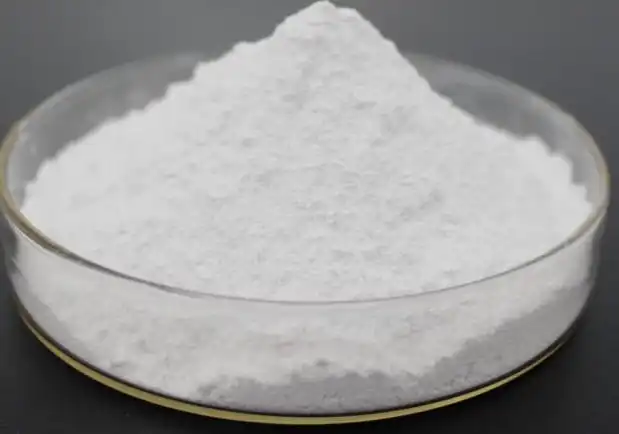
Production scaling requires careful attention to mixing procedures, temperature control, and packaging requirements that preserve ceramide stability. Quality control checkpoints throughout the manufacturing process ensure consistent product quality and regulatory compliance. Batch documentation and traceability systems support quality assurance and enable rapid response to any quality issues.
Market Launch Strategies
Successful market introduction depends on clear positioning, educational content, and evidence-based marketing claims. Healthcare professional endorsements and clinical study results strengthen product credibility and consumer confidence. Distribution partnerships with appropriate retail channels ensure product accessibility to target consumer segments.
Angelbio: Your Trusted Partner for Premium Ceramide Solutions
Angelbio is a new company that was started by Angel Holding Group and the Institute of Life and Health Research at Xi'an Jiaotong University. Its goal is to improve natural ingredient technology for the health and beauty industries around the world. We have been doing our own research and development for more than 18 years, and we are experts at making high-purity ceramide powder formulas that are safe for sensitive skin. Our strict quality control systems make sure that all of our products always meet the requirements of foreign laws and regulations, such as FDA compliance and GMP approval. We offer full expert support throughout the whole development process, from helping with the initial recipe to helping with manufacturing on a larger scale. Our low minimum order sizes and customized packing options make us a good choice for both new brands and established companies that need a reliable source for ceramide powder. The business has smart relationships with top research schools that allow it to keep coming up with new ways to remove and clean ceramides. By working together, we can make sure that our clients get the most up-to-date ingredients that help sensitive skin in a way that can be measured, all while upholding the greatest standards of safety and effectiveness.
Conclusion
Ceramide powder formulations are a revolutionary way to care for sensitive skin, giving you more ways than ever to make your products stand out and help them work better. The scientific evidence for ceramide's benefits, along with improvements in preparation technologies, puts these ingredients at the head of new skincare ideas today. To ensure the best results for both makers and end users, execution must pay close attention to quality sources, recipe knowledge, and legal compliance. As the market for gentle but effective skin care products grows, brands that invest in high-quality ceramide recipes backed by scientific study and clinical proof will have a lot of possibilities.
FAQ
1. What concentration of ceramide powder is optimal for extremely sensitive skin formulations?
Extremely sensitive skin responds best to ceramide concentrations between 0.1% and 0.5%. This range provides effective barrier repair benefits while minimizing the potential for irritation. Clinical studies demonstrate that lower concentrations often prove more beneficial for compromised skin barriers compared to higher doses that might overwhelm sensitive skin systems.
2. How does ceramide powder stability compare to liquid ceramide formulations?
Ceramide powder demonstrates superior stability characteristics compared to liquid formulations, with extended shelf life and reduced degradation under various storage conditions. The powder form prevents oxidation and maintains potency for longer periods, making it particularly valuable for manufacturers requiring consistent product performance throughout extended distribution cycles.
3. What regulatory documentation is required for international ceramide powder procurement?
International ceramide powder procurement requires comprehensive documentation, including certificates of analysis, safety data sheets, allergen declarations, and compliance certificates for target markets. Suppliers should provide FDA registration documentation for US markets, INCI compliance for international markets, and relevant certifications for specific regional requirements such as EU REACH registration.
Partner with Angelbio for Superior Ceramide Powder Solutions
Elevate your sensitive skin product line with Angelbio's pharmaceutical-grade ceramide powder formulations designed specifically for reactive and compromised skin conditions. Our comprehensive research and development capabilities, combined with rigorous quality control standards, ensure consistent product performance that meets international regulatory requirements. We provide complete technical support from initial formulation development through commercial production, enabling successful product launches that deliver measurable benefits for sensitive skin consumers. As a leading ceramide powder manufacturer with over 18 years of industry expertise, we offer competitive pricing, flexible order quantities, and customizable packaging solutions tailored to your specific business requirements. Contact us at angel@angelbiology.com to discuss your ceramide powder needs and discover how our innovative solutions can enhance your product portfolio.
References
1. Coderch, L., López, O., de la Maza, A., & Parra, J.L. (2003). Ceramides and skin function. American Journal of Clinical Dermatology, 4(2), 107-129.
2. Meckfessel, M.H., & Brandt, S. (2014). The structure, function, and importance of ceramides in skin and their use as therapeutic agents in skin-care products. Journal of the American Academy of Dermatology, 71(1), 177-184.
3. Proksch, E., Brandner, J.M., & Jensen, J.M. (2008). The skin: an indispensable barrier. Experimental Dermatology, 17(12), 1063-1072.
4. Sahle, F.F., Gebre-Mariam, T., Dobner, B., Wohlrab, J., & Neubert, R.H. (2015). Skin diseases associated with the depletion of stratum corneum lipids and stratum corneum lipid substitution therapy. Skin Pharmacology and Physiology, 28(1), 42-55.
5. van Smeden, J., Janssens, M., Gooris, G.S., & Bouwstra, J.A. (2014). The important role of stratum corneum lipids for the cutaneous barrier function. Biochimica et Biophysica Acta, 1841(3), 295-313.
6. Wertz, P.W. (2018). Lipids and the permeability and antimicrobial barriers of the skin. Journal of Lipids, 2018, Article ID 5954034, 7 pages.