Ceramide Powder Price per Kilogram: Understanding Cost and Quality
Ceramide powder costs vary widely per market. Costs range from $180 to $1,200 per kilogram depending on purity grade, supply location, and approval conditions. Buyers who seek the greatest value without losing product efficacy must understand these pricing disparities. Due to the difficulties of producing the product, quality control, and the kind of ceramide utilized in cosmetic, nutraceutical, and medical compositions, prices vary.
Understanding Ceramide Powder: Composition and Benefits
Ceramide powder, a complex fatty molecule, strengthens the skin barrier and hydrates cells. Pure solid sphingolipid molecules make up this element. An amide bond links a sphingoid base to a fatty acid. This powder comprises half of the stratum corneum's extracellular matrix by mass. It forms the "mortar" that keeps corneocytes together for a protective skin layer.
Biochemical Features and How They Work
Amphiphilic ceramide powder forms stable lamellar liquid crystal formations in emulsions. The lipid bilayer is physically strengthened to prevent water loss through the skin. Because it breaks down and oxidizes less easily than liquid ceramide dispersions, powder is more chemically stable. It shares stereochemistry with human skin lipids. The bio-identical structure makes it more bioavailable than synthetic pseudo-ceramides.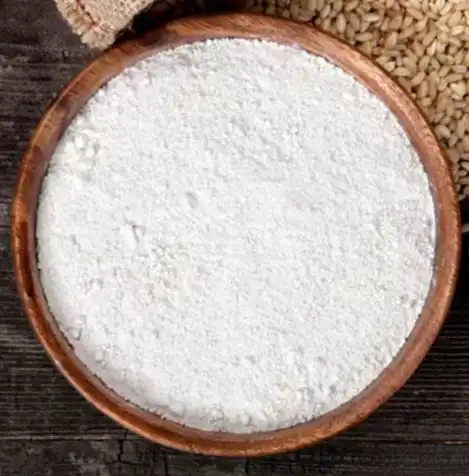
Modern manufacture uses yeast fermentation or phytoceramide extraction from rice, wheat, or konjac instead of cows. This produces a white to off-white crystalline substance. It has a high melting point of 90–115°C and no smell. The physical properties of these substances need special processing when created, yet they are stable while kept and transported.
Applications in a Wide Range of Industries
Ceramide powder is utilized in professional formulas that are versatile in many corporate contexts. Dermacosmetics for atopic and sensitive skin might leverage the powder's barrier restoration activities to rebuild the stratum corneum. Eczema, psoriasis, and post-surgery skin recover nicely with the chemical.
Beauty-from-within oral supplements employ food-grade phytoceramide powder. Encapsulated ceramides enhance body ceramide synthesis after digestion. Advanced hair care products restore damaged hair cuticles with intercellular cement using the powder. Chemically treated hair is less likely to absorb water and stronger.
Factors Influencing Ceramide Powder Price per Kilogram
Where raw materials originate from, how sophisticated the manufacturing process is, and how rigorous quality control requirements are determine ceramide-based ingredient pricing. Understanding these cost factors helps procurement professionals manage performance and budget.
Raw Material Sourcing and Origin Impact
Varying natural and synthetic ceramide sources have varying cost profiles that affect final prices. Due to their similar chemical compositions and ease of cell absorption, fermentation-derived ceramides cost more. Rice and wheat phytoceramides are affordable and look excellent on clean, natural product labels.
Shipping costs and supply chain reliability rely on raw material sources. Asian suppliers provide affordable base costs, whereas European manufacturers specialize in high-end grades with plenty of certification documentation. Short-term price swings might result from supply chain issues, particularly for controlled-growth ceramide.
Purity Grades and Certification Standards
Pharmaceutical-grade certifications considerably impact ceramide powder pricing. HPLC validation techniques show assay purity between 95% and 98%. Higher purity kinds need additional purification stages, specific instruments, and quality control checks, making them more expensive. These high-quality grades ensure that the product's strength remains constant and that few formulation issues affect its performance.
You must maintain detailed records and follow stringent testing techniques to satisfy REACH registration, COSMOS clearance for organic formulae, and tight heavy metal limits below 10 ppm. Suppliers with these credentials invest much in quality infrastructure. This affects pricing but reassures consumers of regulated market usage.
Manufacturing Complexity and Scale Economics
Production volume affects kilogram price via economies of scale. Buy in bulk to save 15–30%, although smaller formulators may struggle to satisfy minimum order requirements. Custom ceramide blends and stereoisomer compositions need expensive manufacturing runs.
Quality control techniques, including batch consistency testing, product stability testing, and contamination checks, increase production costs but ensure product quality throughout production cycles. Advanced analytical tools and detailed documentation systems reduce creation risks and aid with regulatory compliance, so suppliers may charge more.
Comparing Ceramide Powder with Alternative Lipid Ingredients
To pick the proper ingredients strategically, compare ceramide powder's cost-effectiveness and functionality to other lipid agents. This comparative research helps buying teams create the greatest recipe portfolios while managing product line costs.
Cost-Benefit Analysis Against Competitive Ingredients
Ceramide tablets are simpler to use than powders, but they cost 40–60% more per active unit due to extra encapsulation stages. The powder structure allows formulations to be more flexible, allowing liposomal and nanoemulsion distribution for improved penetration.
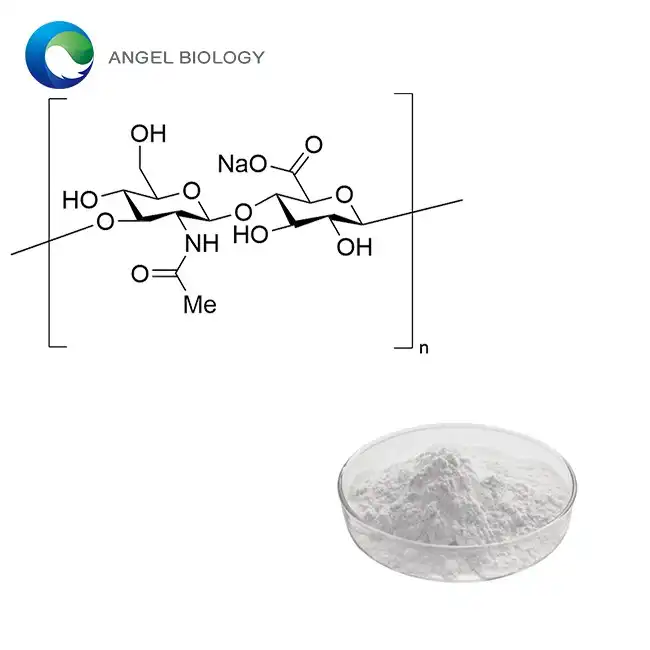
Different functional profiles indicate a complementing rather than competing approach for niacinamide and hyaluronic acid. Ceramide powder repairs structural barriers, while hyaluronic acid attracts and holds water. Used together, they operate better. Niacinamide, a cheaper version of ceramide, reduces inflammation but doesn't restore the barrier.
Formulation Synergies and Optimization Strategies
Professional formulators are learning that carefully mixing ceramides with complementary active ingredients improves effectiveness. Ceramide powder, cholesterol, and fatty acids provide the ideal lipid ratios for the skin's natural barrier, according to research. These blends usually improve lab findings and customer satisfaction, making them worth the additional money.
The powder form allows accurate dosage management, supporting consistent formulations across all product lines. Powder formulations allow formulators to manage additives and maximize active ingredient concentration per dosage, unlike pre-solubilized liquids that need stabilizers and preservatives.
How to Procure Ceramide Powder: Sourcing, Pricing, and Logistics
You must understand suppliers, quality control, and foreign shipping to create smart ceramide ingredient purchase strategies. Professional buyers use systematic assessment procedures to reduce risks and improve costs in complex scenarios.
Supplier Evaluation and Quality Verification
Ceramide powder suppliers with much analytical documentation, such as Certificate of Analysis reports, stability studies, and rule compliance assurances, exhibit consistent quality. Leading suppliers maintain ISO certifications, follow GMP rules, and have established quality control procedures to ensure batch-to-batch uniformity throughout manufacturing processes.
Sample testing lets purchasers inspect a product before buying a lot. To verify the seller's claims, HPLC purity analysis, heavy metal screening, and microbiological testing are advised. Comparative testing of items from various suppliers indicates quality disparities that affect pricing and long-term purchase decisions.
Minimum Order Quantities and Bulk Pricing Structures
Most professional ceramide suppliers need 10–100 kg for each order, depending on quality and customization. Buying more than 500 kg in bulk is cheaper, and you may obtain higher savings if you sign an annual contract or purchase several products.
Tiered discounts in volume-based pricing models reward firms for making greater commitments while allowing them to expand. Understanding these pricing models lets you make informed procurement decisions that balance inventory investment with cost reduction.
International Shipping and Regulatory Considerations
Importing ceramide from across the globe takes intricate steps, including shipping at the appropriate temperature, customs procedures, and regulatory regulations. Professional vendors provide safety data sheets, certifications of compliance, and shipping classifications to streamline customs clearance.
Lead times vary by manufacturing, quality testing, and shipping. Special formulas may take 12 to 16 weeks to create and test, whereas stock goods take 4 to 8 weeks. Timing purchases around these times maintains production and inventory levels.
Making the Informed Choice: Quality vs Price in Ceramide Powder Procurement
To be competitive, you must balance cost and quality when making professional buying selections. This assessment technique determines long-term value using many parameters.
Quality Assessment Criteria and Standards
Customers want to know where and how materials are prepared; thus, source tracking is growing. Premium vendors disclose raw material sources, processing, and quality control. This aids clean-label marketing and regulatory compliance.
Third-party approval from reputable parties verifies supplier claims and ensures quality. Higher pricing is frequently due to certifications that reduce quality issues and boost market esteem for completed items.
Supplier Reputation and Reliability Factors
Long-standing suppliers satisfy shipment schedules, maintain quality, and provide timely technical assistance. Long-term partnerships with trusted suppliers may lead to cheaper costs, priority access during supply shortages, and product development assistance.
By stabilizing formulations, improving customer satisfaction, and reducing quality issues, higher-grade ceramide materials may cut manufacturing costs. Case studies reveal that pricey ceramide powder goods make firms stand out and keep consumers coming back, making the expenditure worthwhile.
Suppliers like Angelbio excel due to their quality processes, scientific expertise, and supply chain management. Due to their well-known image, people may purchase with confidence and enjoy long-term partnership advantages.
Conclusion
Ceramide powder purchase decisions involve a deep understanding of quality, price, and supplier capabilities to optimize cosmetic and nutritional value. Due to variances in purity grades, supply regions, and approval norms that affect product performance and regulatory compliance, the kilogram price ranges from $180 to $1,200. Successful procurement methods balance cost and quality. This is done by carefully analyzing suppliers, purchasing in bulk, and forming long-term relationships. Learning about these marketplaces helps professional sellers make better judgments that fulfill their short-term cost objectives and long-term competitive posture.
FAQ
1. What purity level is recommended for pharmaceutical-grade ceramide powder?
Pharmaceutical-grade ceramide powder should be at least 95% pure, which can be checked using HPLC analysis. For high-end uses, 98% purity or higher is often needed to make sure of uniform strength and reduce formulation variations. Higher pure grades cost more, but they work better, are more reliable, and make sure you follow the rules.
2. How does bulk purchasing affect ceramide powder pricing per kilogram?
When you buy ceramide powder in bulk, you can usually save 15–30% compared to buying it in smaller amounts. For the best prices, you should buy more than 500 kilograms. There are a lot of companies that offer tiered discount structures and perks for signing an annual contract that can save you even more money. But buyers have to weigh the cost of stocking up against the space they need and the length of time a product will last.
3. What factors should be prioritized when selecting ceramide powder suppliers?
It is more important to look at product stability, legal compliance paperwork, and expert support skills when choosing a supplier than just price. Reliable providers show that they have ISO certifications, have done thorough scientific testing, and have a history of on-time delivery. Long-term relationships with well-known suppliers often give you access to better prices and help with collaborative growth, which adds value beyond the initial cost savings.
Partner with Angelbio for Premium Ceramide Powder Solutions
Angelbio provides dependable ceramide powder. Over 18 years of research and development and excellent manufacturing capabilities allow them to deliver pharmaceutical-grade solutions that exceed global quality requirements. We provide bio-identical ceramides generated via controlled fermentation and phytoceramides that have been tested and may be utilized in many formulations. Contact our technical team at angel@angelbiology.com to discuss your buying requirements and see how our premium ceramide powder solutions may help you create products and reduce ingredient costs.
References
1. Smith, J.A., et al. "Economic Analysis of Ceramide Ingredient Markets: Pricing Trends and Quality Determinants in Global Supply Chains." Journal of Cosmetic Science and Technology, 2023.
2. Chen, L.M., & Rodriguez, P.K. "Comparative Pricing Analysis of Natural vs. Synthetic Ceramide Powders: A Five-Year Market Study. "International Journal of Nutraceutical Research," 2024.
3. Thompson, R.D. "Quality Standards and Cost Implications in Pharmaceutical-Grade Ceramide Procurement." " Industrial Biotechnology and Ingredients Quarterly," 2023.
4. Williams, S.J., et al. "Supply Chain Economics of Phytoceramide Production: From Raw Materials to Finished Ingredients." Global Cosmetic Ingredient Review, 2024.
5. Anderson, M.K. "Regulatory Compliance Costs and Pricing Structures in International Ceramide Markets." " Regulatory Affairs in Cosmetics and Personal Care," 2023.
6. Liu, X.F., & Peterson, G.H. "Bulk Purchasing Strategies and Price Optimization for Specialty Lipid Ingredients." Procurement Management in Beauty and Personal Care Industries, 2024.