



Chlorogenic Acid Benefits: Science-Backed Appetite Control
As part of a broader metabolic wellness product concept, chlorogenic acid powder has attracted interest in research on appetite-related processes and metabolic markers. However, current human evidence is limited, and it does not establish chlorogenic acid as a reliable appetite suppressant or weight-loss ingredient. Chlorogenic acid (CGA) is a polyphenol found in green coffee beans, honeysuckle, and other plants. Laboratory and early human studies have investigated its possible relationship with glucose absorption, post-meal glucose responses, and metabolic pathways associated with satiety. These findings provide research context rather than proof of a predictable effect in finished products. In this article, we examine what chlorogenic acid powder is, what current research suggests, how to evaluate dosage and solubility, the differences between 50% and 98% grades, and how to select a qualified supplier.
What Is Chlorogenic Acid Powder?
Chlorogenic Acid, CGA, and 5-CQA Explained
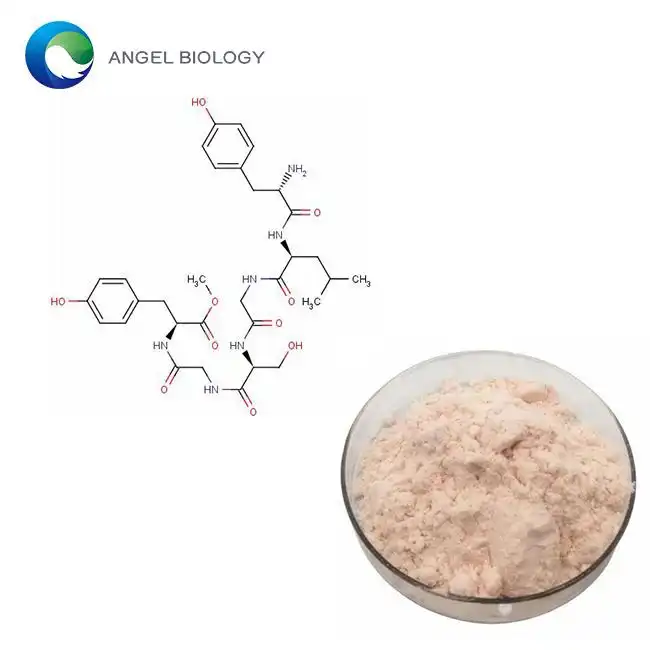
Chlorogenic acid is a collective term commonly used for a group of caffeoylquinic acids formed from caffeic acid and quinic acid. One of the most widely studied compounds in this group is 5-caffeoylquinic acid (5-CQA), which is frequently used as an analytical reference compound. It has the molecular formula C16H18O9, a molecular weight of approximately 354.31 g/mol, and CAS number 327-97-9.
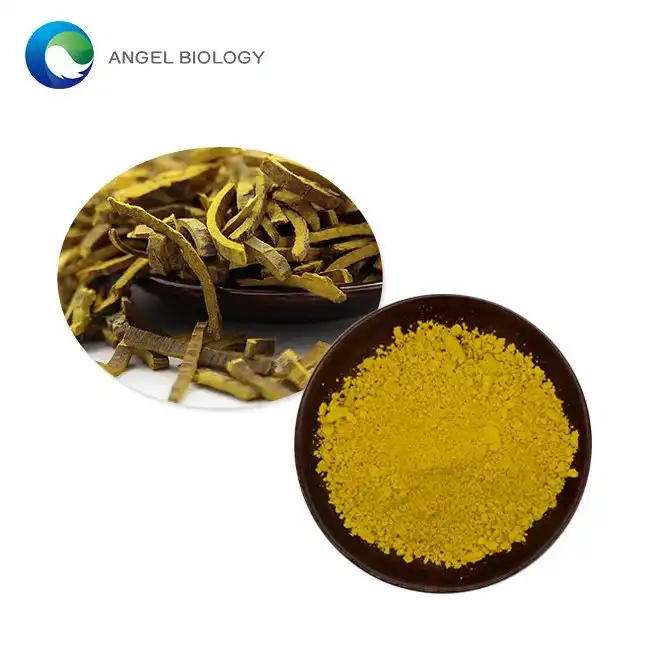
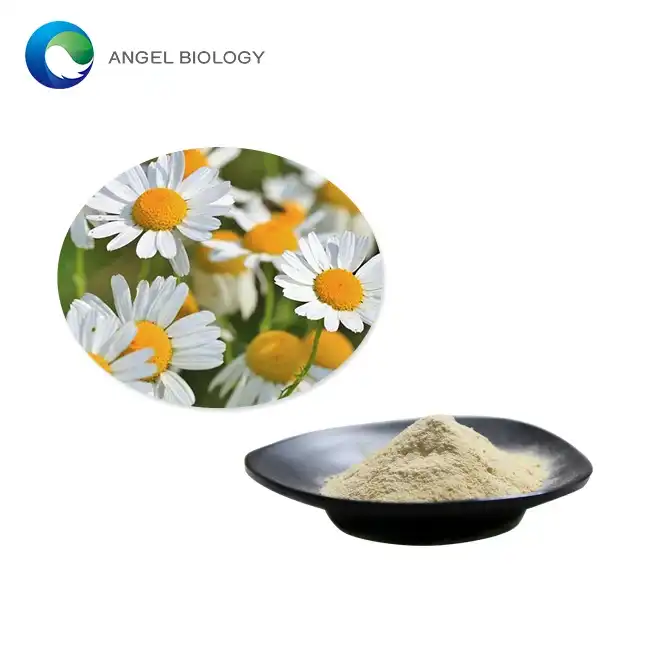
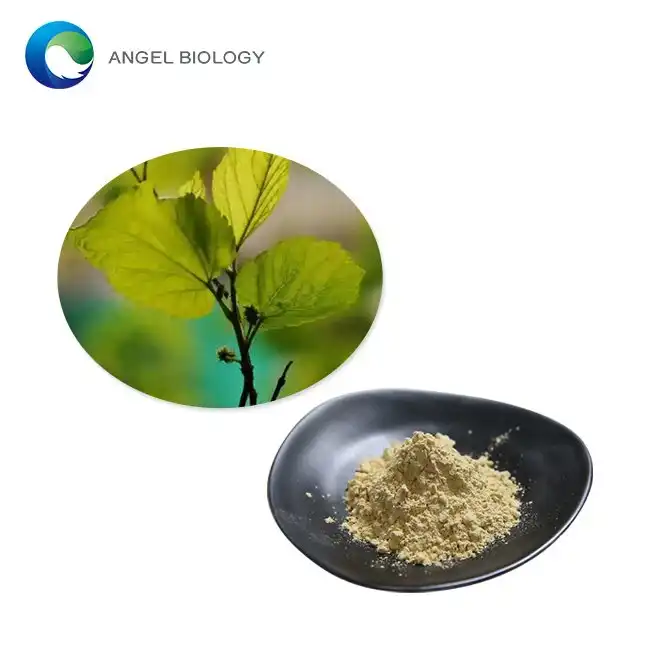
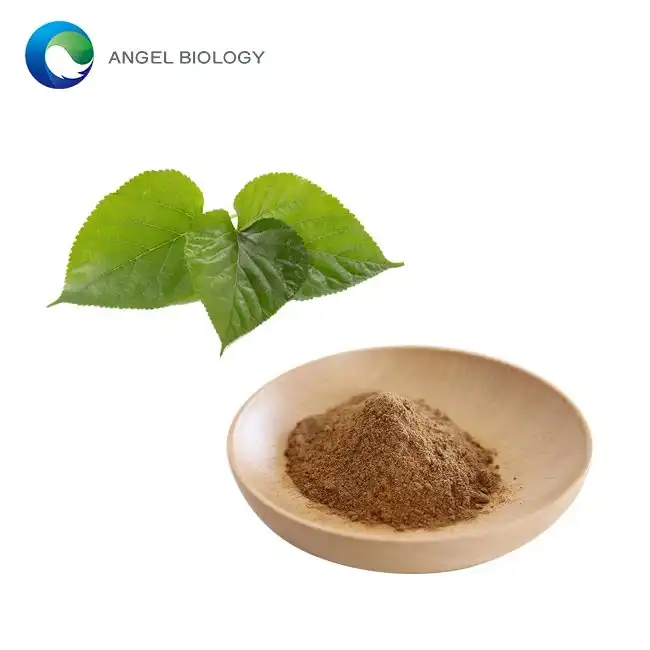
Chlorogenic acids occur naturally in green coffee beans, Eucommia ulmoides, honeysuckle (Lonicera japonica), artichoke, and other plant materials. Research reviews have examined their distribution in foods and botanical sources. For buyers, the important point is that different plant materials may contain different proportions of caffeoylquinic acid isomers and related compounds.
When evaluating a specification, ask which compounds are included in the reported assay. A label stating "total chlorogenic acids" may represent a different measurement from one reporting only "5-CQA." The botanical source and extraction process can also influence the profile of related substances. Buyers should therefore request an analytical method and a clear definition of the reported assay before comparing products.


Chlorogenic Acid vs. Caffeine
Caffeine and chlorogenic acid are two separate compounds naturally found in coffee. Caffeine is a methylxanthine stimulant, while chlorogenic acid is a group of plant-derived polyphenols. Their chemical properties and analytical specifications are different.
Green coffee bean extracts may contain both compounds, although the actual caffeine level depends on the raw material and processing method. Extracts from sources such as Eucommia ulmoides or honeysuckle are not naturally expected to contain coffee-derived caffeine, but the final product should still be assessed according to its sourcing and manufacturing history.
This distinction matters when developing caffeine-controlled or caffeine-free formulations. Ask for a caffeine result on the batch-specific certificate of analysis (CoA), particularly when sourcing green coffee bean extract. HPLC or another suitable analytical method can be used to verify the reported caffeine content. The finished product label should reflect the actual composition and applicable market requirements.
Commercial Grades: Extract, High-Purity Powder, and Dispersible Forms
Commercial chlorogenic acid powder is available in several formats. A standardized green coffee bean extract is a broader botanical ingredient with a declared chlorogenic acid content. A refined or enriched powder is designed to provide a more concentrated and defined chlorogenic acid profile. Some suppliers also offer specially processed grades intended to improve dispersion in beverage systems.
The appearance of chlorogenic acid materials can vary with botanical source, purity, extraction, and drying conditions. High-assay materials may appear white to off-white or pale yellow, while botanical extracts may range from yellow to brown. Colour alone cannot confirm purity or authenticity.
Buyers should compare four important details: total chlorogenic acids, individual marker compounds such as 5-CQA, extract ratio where applicable, and the presence of carriers or other botanical components. A broader extract may suit products that require a botanical ingredient profile, while a concentrated powder can offer more precise control over the target compound. The appropriate grade depends on formulation requirements, analytical evidence, and cost per active ingredient rather than the highest number on a product label.
Chlorogenic Acid Benefits: What Does the Science Suggest?
Post-Meal Glucose Response and Energy Metabolism
With the ingredient defined, it is useful to examine the research without overstating what it demonstrates. Some laboratory studies have investigated chlorogenic acid's interaction with enzymes and pathways involved in glucose metabolism. For example, research has examined its effects on glucose-6-phosphatase, an enzyme involved in glucose release from the liver. A 2013 review in Evidence-Based Complementary and Alternative Medicine discussed these and other findings related to glucose and lipid metabolism.
Human research has also explored chlorogenic acid-containing coffee preparations. A 2007 study in the Journal of International Medical Research examined chlorogenic acid-enriched coffee in relation to glucose absorption, while a 2003 study in the American Journal of Clinical Nutrition investigated coffee, chlorogenic acid, caffeine, gastrointestinal hormones, and glucose tolerance.
These studies provide possible explanations for why chlorogenic acid has attracted research interest. However, findings from laboratory experiments or specific coffee preparations cannot automatically be applied to every commercial chlorogenic acid powder. They also do not establish a predictable appetite-control effect or guarantee a particular result in a finished product.
Satiety Signaling and Lipid Metabolism
Satiety is another area of scientific interest. Gut hormones such as GLP-1 participate in appetite regulation and signals associated with fullness. Researchers have examined whether coffee components may influence certain gastrointestinal responses, but findings from coffee-based preparations do not necessarily demonstrate the same effects for isolated chlorogenic acid.
Lipid metabolism has also been discussed in laboratory and animal research. The 2013 review summarizes several possible mechanisms, but these findings should be interpreted according to the type of study and the material tested. A systematic review published in Gastroenterology Research and Practice in 2011 evaluated green coffee extract research related to body weight. It noted limitations in the available trials, including small study sizes and methodological concerns, and called for better-designed research.
For product developers, these findings can help identify research directions and formulation concepts. They should not be used as proof that chlorogenic acid powder independently reduces appetite, body weight, or body fat. More robust human studies using clearly characterized ingredients are needed before stronger conclusions can be made.
Antioxidant Activity and Responsible Claims
Chlorogenic acid is a plant-derived polyphenol that has been investigated for antioxidant activity. A 2018 review in Biomedicine & Pharmacotherapy discussed its reported biological properties and potential research applications. Such literature provides background for ingredient development, but it does not establish that a particular commercial powder will produce a specific effect in consumers.
Laboratory antioxidant tests, including radical-scavenging assays, measure activity under defined experimental conditions. These results cannot be directly translated into clinical outcomes or used as proof of a finished product's performance. Buyers should distinguish between analytical properties of the ingredient and claims made about the final formulation.
For commercial product descriptions, focus on verifiable information such as botanical source, chlorogenic acid content, analytical method, and formulation characteristics. Phrases relating to general wellness or product positioning should be reviewed against the applicable rules in each target market. Avoid promising appetite suppression, rapid weight reduction, or specific metabolic outcomes. Responsible, evidence-based wording helps maintain credibility with customers and supports a more consistent regulatory review.
Using Chlorogenic Acid Powder in Formulas: Dosage, Solubility, and Purity
Product Formats and Dosage: Inclusion Rate vs. Active Dose
In commercial formulation, chlorogenic acid powder may be incorporated into capsules, tablets, drink mixes, functional beverages, nutrition bars, and meal-replacement powders. Its taste can be bitter and astringent, so beverage and bar developers should consider sensory characteristics during product development. Polyphenols may also interact with certain mineral ingredients or other formulation components, making compatibility testing important.
The appropriate inclusion rate depends on the product format, ingredient specification, intended market, and applicable regulatory requirements. It should not be determined simply by copying a competitor's label or a research dosage from a different preparation.
Start with the analytical result, then evaluate the botanical source, caffeine content, and assay basis. For example, 500 mg of a 50% powder contains approximately 250 mg of chlorogenic acids if the assay is reported on the same weight basis. By comparison, 500 mg of a 98% powder contains approximately 490 mg under the same assumption. These calculations illustrate the difference between raw material inclusion and the amount of the declared marker compound; they do not establish a recommended serving size.
Always distinguish raw material inclusion rate from the target compound content on the formulation sheet. Before launch, conduct bench trials, sensory evaluations, compatibility assessments, stability studies, and finished-product testing. The final serving size and label claims should be reviewed by the relevant technical and regulatory teams.
Solubility, pH, and Dispersibility
Chlorogenic acid has measurable solubility in water, although its actual dissolution performance depends on temperature, concentration, pH, purity, particle size, and the composition of the commercial material. Its solubility in organic solvents also varies by solvent type and test conditions. Therefore, a general solubility statement should not replace product-specific test data.
Formulation performance may be influenced by the botanical matrix, drying process, excipients, and processing conditions. Chlorogenic acid can undergo changes under certain environmental conditions, particularly when exposed to unsuitable pH, temperature, or storage conditions. However, a single pH range should not be presented as a universal stability guarantee for every commercial grade.
Do not use the terms "water soluble," "water dispersible," and "instantized" interchangeably. A powder that dissolves in a laboratory solvent may not produce a clear or stable beverage. Conventional powders may be suitable for capsules and dry blends, while ready-to-drink or transparent beverage applications may require a specially processed grade.
Before purchasing in bulk, ask the supplier for test conditions, including concentration, temperature, mixing time, pH, appearance, and sedimentation behaviour. Then verify the findings using a representative sample in your own beverage or dry-mix formulation.
50% vs. 98%: Which Purity Is Better?
A 50% standardized extract may offer a broader botanical profile and a lower price per kilogram, making it an option for cost-sensitive formulations where the additional plant components are acceptable. A 98% grade provides a higher concentration of the declared compound and may allow a lower raw material inclusion rate. However, the suitability of either grade depends on the analytical method, composition, formulation needs, and target-market requirements.
Buyers should verify whether the percentage refers to total chlorogenic acids or a single compound such as 5-CQA. These values are not automatically equivalent. Also review the botanical source, related-substance profile, caffeine content where relevant, and presence of carriers.
Compare cost per gram of the measured chlorogenic acid content rather than cost per kilogram alone. A 98% material may have a higher unit price but could require less powder to meet a defined formulation target. Physical properties such as hygroscopicity and flowability should also be assessed using the actual product data. Store and handle each grade according to its supplier-recommended conditions.
Extraction, Quality Control, and U.S. Compliance
How Chlorogenic Acid Is Extracted
The manufacturing process can influence the composition, appearance, and application characteristics of chlorogenic acid powder. A typical botanical extraction process begins with raw material identification and preparation, followed by extraction, filtration, concentration, and enrichment or purification. The resulting material may then be dried, milled, sifted, blended where appropriate, and packed.
Each step can affect the final specification. Extraction parameters influence chlorogenic acid recovery and the profile of related compounds. When green coffee bean is used as the source, processing may also influence the caffeine content. Drying conditions can affect powder colour, physical properties, and the composition of heat-sensitive constituents.
Process controls are important for residual solvents, moisture, particle size, flowability, and batch-to-batch consistency. Buyers should request clear information about the botanical origin, plant part, extraction solvent, purification approach, and relevant manufacturing controls. A written process description helps distinguish a well-documented botanical ingredient from a product supported only by general marketing claims.
Quality Control and Testing
Quality control turns a written specification into measurable evidence. A suitable CoA for chlorogenic acid powder may include HPLC assay, caffeine content where relevant, heavy metals, pesticide residues, residual solvents, microbiological results, and moisture. Additional tests may be appropriate depending on the botanical source, manufacturing process, and target market.
HPLC or another validated analytical method can be used to measure chlorogenic acid content and, where the method allows, distinguish relevant isomers. Buyers should check whether the assay reports total chlorogenic acids or individual compounds such as 5-CQA. Related substances and possible degradation products should be evaluated when relevant to the product specification.
Radiocarbon (C14) analysis may provide information about the biogenic or fossil-derived carbon content of a material, but it does not by itself establish a specific botanical source or prove the full manufacturing history. Isotope ratio mass spectrometry (IRMS) may be used in certain authenticity investigations, but it should not be treated as a universal method for identifying every type of added caffeine. Test selection should be based on the specific authenticity question and the capability of the analytical method.
Not every project requires every possible test. Develop a testing plan that reflects the product's composition, supplier claims, intended application, and target market. Request batch-release documents and compare results from multiple lots to assess consistency.
Labeling and Claims in the United States
In the United States, dietary supplements are subject to the Dietary Supplement Health and Education Act (DSHEA) and applicable FDA regulations. Companies responsible for marketing dietary supplements must ensure that product composition, labeling, and claims meet the requirements relevant to their products. Requirements under 21 CFR Part 111 apply to dietary supplement manufacturing, packaging, labeling, and holding operations.
For certain structure/function claims on dietary supplement labels, the responsible company must meet applicable notification and disclaimer requirements. The notification is generally submitted to FDA within 30 days after the product is first marketed with the relevant claim. This does not mean that every marketing statement is automatically permitted. Claims must have appropriate substantiation and must not be misleading or imply disease treatment or prevention.
Labels should accurately identify the ingredient and its botanical source where required, declare serving information, and disclose caffeine content when applicable and required. Requirements differ by product category and target market. Companies selling in the EU, United Kingdom, Canada, and Australia should review the relevant local rules rather than reusing a U.S. label without modification.
Organic claims require appropriate certification and supporting sourcing records where applicable. Supplier allergen, GMO, and origin statements may also support label and customer reviews. A regulatory assessment should be completed before product launch, particularly when the product is marketed with appetite-management or metabolic-related positioning.
Sourcing Chlorogenic Acid Powder: Suppliers, Pricing, and Grade Selection
How to Choose a Supplier?
Once the specification is established, define the intended application, target markets, required assay, annual volume, certification needs, packaging, delivery schedule, and OEM or private-label requirements. Then compare manufacturers, distributors, and trading companies according to the level of technical support and documentation they can provide.
Direct manufacturers may offer closer access to production information, batch records, customization discussions, and supply planning. Distributors may provide local stock, smaller order quantities, or convenient sample arrangements. Neither business model should be judged by its label alone; the actual service capability and supporting documentation matter more.
Ask each supplier about botanical source, extraction process, assay method, caffeine limits where relevant, recent batch CoAs, facility certifications, MOQ, lead time, packaging, complaint handling, and traceability procedures. Review the actual documents rather than relying on general marketing statements. Finally, request a representative sample and evaluate it in your own formulation before committing to a commercial volume.
Bulk Pricing and Commercial Terms
Bulk pricing depends on purity, botanical source, extraction yield, purification process, testing scope, certification requirements, packaging, order volume, freight, and Incoterms. Compare products with equivalent specifications. Calculate the cost per kilogram, cost per gram of measured chlorogenic acid, and cost per finished serving where relevant.
A quotation should also account for documentation, export handling, customs-related requirements, packaging, duties, and taxes. Confirm the trial-order MOQ, sample availability, production lead time, reorder schedule, shelf life at shipment, safety stock, batch reservation options, and export documents.
Destination-market requirements may influence the documentation and delivery schedule. Buyers should identify these requirements early so that customs review, incoming material approval, and formulation planning do not delay the first manufacturing run. A clear commercial comparison helps prevent unexpected costs after the product specification has been approved.
Matching the Grade to Your Application
Select the grade according to the formulation rather than choosing the highest assay automatically. A 50% standardized extract may be suitable for botanical formulations that accept a broader plant profile and have a cost-sensitive target. A documented 98% grade may be more appropriate when a concentrated chlorogenic acid input and more precise inclusion calculation are required.
Beverage manufacturers should focus on dissolution or dispersion performance, flavour, colour, and stability in the complete formula. Capsule and tablet developers should assess assay uniformity, powder flow, compressibility, moisture, and inclusion volume. For every application, the supplier's analytical data should be confirmed through representative sample testing.
For OEM and private-label projects, also assess formulation assistance, packaging options, regulatory documentation, production capacity, communication, and after-sales support. Angel Holding Group and the Institute of Life and Health Research at Xi'an Jiaotong University jointly invested in Angelbio. Angelbio has more than 18 years of research and testing experience in natural ingredients for supplements, food, cosmetics, and flavour and fragrance applications. Buyers can discuss their technical and commercial requirements with the team before requesting a sample or bulk quotation.
Conclusion
Chlorogenic acid powder is a botanical polyphenol used in ingredient development for supplements, functional foods, beverages, and other formulations. Research has investigated its possible relationship with glucose metabolism, satiety-related pathways, and antioxidant activity, but current human evidence does not establish it as a reliable appetite suppressant or guarantee specific weight-management results. Product descriptions should therefore focus on verifiable ingredient information and use cautious, market-appropriate language.
The quality of a commercial product depends on botanical source, caffeine content, analytical method, chlorogenic acid profile, solubility, pH compatibility, taste, and batch consistency. Choosing between 50% and 98% grades requires consideration of the measured compound, target inclusion rate, cost per gram of chlorogenic acid, and intended application. Reliable sourcing also depends on documented extraction, appropriate analytical testing, stability information, and accurate labeling.
For buyers, a complete COA, clear specification, representative sample, and supplier assessment are more useful than a headline purity claim alone. By comparing technical data and commercial terms before purchasing, formulation and procurement teams can select a suitable grade and establish a more dependable supply relationship.
FAQ
Q1: Is chlorogenic acid an appetite suppressant?
A: Chlorogenic acid has been investigated in studies involving glucose metabolism and appetite-related pathways, but current human evidence is limited. It should not be described as a proven appetite suppressant or a guaranteed weight-management ingredient. Buyers should review the available research and have their finished-product claims assessed for each target market.
Q2: How does it differ from green coffee bean extract?
A: Green coffee bean extract is a broader botanical ingredient that may contain chlorogenic acids, caffeine, and other naturally occurring compounds. Refined chlorogenic acid powder is a more concentrated ingredient with a defined assay, provided the specification and analytical method support that claim. Solubility and formulation performance depend on the actual grade, purity, particle size, and processing method.
Q3: When should I choose 50% or 98%?
A: A 50% standardized extract may suit formulations that accept a broader botanical profile and have a cost-sensitive target. A 98% grade may be preferable when a higher concentration of the declared chlorogenic acid content is needed. Always confirm whether the assay refers to total chlorogenic acids or a specific compound such as 5-CQA. The final choice should be based on formulation trials, specifications, and cost per gram of the measured compound.
Q4: Which documents should a supplier provide?
A: Request a current batch-specific CoA, TDS, SDS, botanical origin information, allergen and GMO declarations where applicable, relevant facility certificates, and storage instructions. Depending on the source and target market, you may also need pesticide, heavy metal, residual solvent, microbiological, and stability data. Comparing CoAs from several batches can help assess consistency in assay, caffeine content, and other relevant parameters.
Request Chlorogenic Acid Powder Samples from Angelbio
Looking for a reliable chlorogenic acid powder supplier for your supplement, food, or beverage formulation? Angelbio offers ingredient sourcing and technical support for buyers evaluating botanical extracts and standardized powders. Contact us at angel@angelbiology.com with your intended application, target market, required purity, annual volume, and packaging needs.
You can request the current product specification, batch-specific CoA, technical data sheet, sample, and quotation. Sharing your target assay and formulation requirements at the inquiry stage helps our team discuss suitable product options, MOQ, lead time, documentation, and delivery arrangements.

References
1. Journal of the Science of Food and Agriculture, 1999 – Review of the nature, occurrence, and dietary intake of chlorogenic acids and other cinnamates. Verify the exact article title, authors, volume, and page details before publication.
2. Evidence-Based Complementary and Alternative Medicine, 2013 – Review of the roles of chlorogenic acid in regulating glucose and lipid metabolism. Verify the exact article title and bibliographic details.
3. Biomedicine & Pharmacotherapy, 2018 – Review of chlorogenic acid (CGA), its reported biological properties, and areas requiring further research. Verify the exact article title and publication details.
4. Gastroenterology Research and Practice, 2011 – Systematic review and meta-analysis of green coffee extract as a weight-management supplement. Verify the exact article title, authors, and publication details.
5. American Journal of Clinical Nutrition, 2003 – Study of coffee, chlorogenic acid, and caffeine in relation to gastrointestinal hormone secretion and glucose tolerance in humans. Verify the exact article title and bibliographic details.
6. Journal of International Medical Research, 2007 – Study of chlorogenic acid-enriched coffee and glucose absorption in healthy volunteers. Verify the exact article title and publication details.