Does Peony Extract Regulate Melanin Production Safely?
Peony extract has been studied for its potential to influence melanin-related pathways, including tyrosinase activity, while also showing antioxidant and skin-comfort properties in experimental research. Derived from Paeonia lactiflora roots and available in grades standardized to paeoniflorin content, this botanical ingredient is of interest to formulators developing products for uneven skin tone and sensitive-skin positioning. Its combination of botanical origin, standardized active content, and formulation flexibility makes it a useful option for brands seeking plant-derived ingredients with defined specifications for skincare and selected nutraceutical applications.
Understanding Peony Extract and Melanin Regulation
Botanical Origins and Extraction Technology
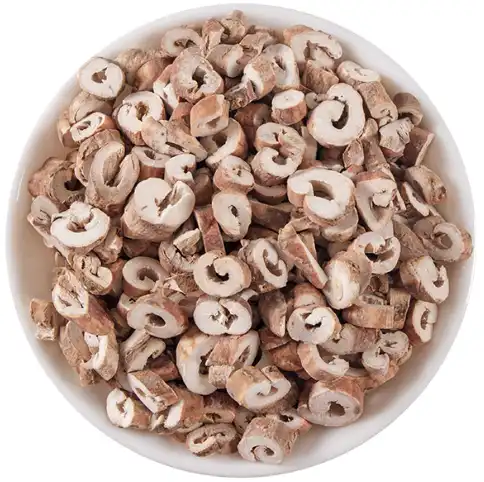
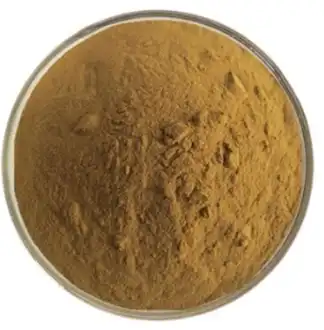
A significant portion of peony extract is derived from Paeonia lactiflora Pall., which is often referred to as "white peony." For more than 1,800 years, white peony has been documented in the practice of traditional Chinese medicine. Hydro-ethanolic procedures may be used in the extraction process, followed by concentration and spray drying to produce standardized powders. Commercial specifications can include paeoniflorin contents ranging from 10% to 98%, depending on the extraction and purification process. Standardization provides formulators with a more consistent way to control the amount of the selected marker compound compared with unstandardized botanical powders. For procurement teams, defined active content can also simplify batch comparison, quality control, and formulation calculations.
Melanin Synthesis and Tyrosinase Inhibition
Melanin synthesis involves multiple enzymes and cellular pathways. Tyrosinase is a key enzyme involved in the conversion of tyrosine through intermediate compounds toward melanin formation. Paeoniflorin, one of the characteristic monoterpene glycosides associated with white peony root, has been investigated for its potential influence on tyrosinase-related activity in experimental models. These findings provide a scientific basis for exploring paeoniflorin-rich peony extracts in cosmetic formulations designed to support a more even-looking skin tone. However, laboratory activity should not be interpreted as proof that the ingredient will produce the same degree of pigmentation change in human skin. Finished-product testing remains important when specific cosmetic claims are planned.
Inflammation-Related Pathways and Pigmentation Research
In addition to studies involving pigmentation-related pathways, research on paeoniflorin and Paeonia lactiflora has examined signaling molecules associated with cellular responses to environmental or inflammatory stimuli. Pathways involving mediators such as Prostaglandin E2 and Leukotriene B4, as well as NF-κB-related signaling, have been investigated in experimental systems. These findings may be relevant when developing formulations positioned around skin comfort and an even-looking complexion, particularly for products designed for sensitive or redness-prone skin. Nevertheless, evidence from cellular or laboratory models should not be presented as proof that peony extract treats inflammation, melasma, or post-inflammatory hyperpigmentation in consumers. Claim language should be supported by appropriate finished-product evidence for the intended market.
Safety Profile and Dosage Guidelines of Peony Extract
Safety Evidence and Tolerance Considerations
Standardized white peony extract has been investigated in both traditional and modern research contexts, including topical and oral applications. Some studies have examined preparations containing defined amounts of total glucosides of peony, while topical use depends on the specific extract, purity, concentration, and finished formulation. Rather than assuming that a particular concentration is universally safe or non-irritating, formulators should evaluate the toxicological and safety profile of the specific ingredient and finished product. Factors such as impurities, residual solvents, preservation systems, pH, application area, and exposure frequency can influence final product tolerance. For sensitive-skin products, appropriate compatibility and patch testing can help support responsible product development.
Optimal Dosage Across Product Formats
Concentration strategies should be established according to the delivery system, ingredient specification, and intended application. Nutraceutical formulations may use standardized peony extracts at defined inclusion levels, but the appropriate amount depends on the extract specification, formulation purpose, local regulations, and available safety data rather than a universal therapeutic dose. Premium skincare serums may use grades standardized to higher paeoniflorin levels at formulation-specific concentrations, with the final inclusion rate determined through compatibility, stability, sensory, and safety testing. Water-compatible extracts can also be considered for functional beverages when the ingredient specification and processing conditions are suitable. For procurement teams, selecting the appropriate grade before setting an inclusion rate can help control cost, color, solubility, and batch-to-batch consistency.
Quality Standards and Regulatory Compliance
International markets require appropriate quality systems and documentation for botanical ingredients, including GMP-related controls, ISO-based quality management systems where applicable, and market-specific regulatory requirements. For the US market, cosmetic and dietary supplement requirements differ and should be evaluated according to the intended use and product category. Quality documentation may include accurate paeoniflorin assay results, heavy metal specifications, microbiological limits, pesticide residue testing, residual solvent data, and botanical identity information. Purchasing teams should request supplier documentation such as Certificates of Analysis (CoAs), allergen statements, traceability records, and botanical source authentication documents. These materials provide a stronger basis for supplier qualification and regulatory review than broad claims about ingredient safety or efficacy.
Comparative Analysis: Peony Extract vs Other Natural Melanin-Related Ingredients
Peony Extract Versus Ginseng in Skin Brightening
Ginseng extracts from Panax species are widely investigated for antioxidant and cosmetic applications and contain characteristic compounds such as ginsenosides. Their potential influence on pigmentation-related pathways differs according to species, extract composition, and experimental conditions. Some comparative laboratory research has investigated the tyrosinase-related activity of paeoniflorin and other botanical compounds, but differences observed in vitro should not automatically be translated into superior brightening performance in finished products. For formulators, the more practical distinction is often the standardized marker profile, solubility, color, extract ratio, and compatibility with the target formula. White peony root extract can therefore be considered when a formulation requires a standardized botanical ingredient for even-tone and skin-comfort positioning.
Positioning Against Turmeric and Curcumin
Turmeric extracts standardized to curcuminoids are widely used in cosmetic and nutraceutical formulations, but curcumin presents formulation considerations such as limited water solubility, strong yellow coloration, and sensitivity to certain processing and storage conditions. Peony extract specifications can offer different formulation characteristics depending on extraction method and paeoniflorin content. Where a water-compatible peony extract is selected, it may be easier to incorporate into certain aqueous systems without introducing the strong yellow color associated with curcumin. However, actual solubility, color, and stability should be confirmed for the specific commercial grade. Combining botanical ingredients can be considered as a formulation strategy, but any claimed synergistic effect should be supported by appropriate compatibility and performance testing.
Powder Versus Liquid Extract Forms
Whether to buy powder or liquid extracts depends on manufacturing infrastructure, product format, and processing requirements. Spray-dried powders can offer advantages in storage, transportation, and flexible dosing across solid and liquid formulations. They may require suitable dissolution procedures or solubilization strategies when used in clear aqueous systems. Pre-dissolved liquid extracts can simplify certain manufacturing steps, but their water content, preservation system, packaging, and storage requirements need to be evaluated. For bulk purchasing, powder formats can be attractive for manufacturers handling larger production volumes because transportation and storage can be more straightforward. Liquid concentrates may be preferred when rapid incorporation or specific production equipment makes them operationally convenient. The final decision should consider total processing cost rather than ingredient price alone.
Procurement Insights: Sourcing Peony Extract for Melanin-Related Products
Identifying Qualified Suppliers
Reputable peony extract suppliers should be able to provide clear quality documentation, relevant analytical testing, and traceable manufacturing information. Current GMP-related documentation, ISO 9001 quality management systems where applicable, and batch-specific HPLC verification of paeoniflorin content are useful supplier-evaluation criteria. Traceability should ideally connect the botanical source with extraction, processing, testing, and final packaging records. Organic, non-GMO, or sustainable sourcing documentation can also be requested when these attributes are relevant to the finished product and target market. Beyond commodity pricing, technical support such as specification selection, formulation guidance, stability information, and documentation assistance can add practical value for B2B buyers.
Bulk Purchasing Dynamics and Pricing Trends
The market price for white peony root extract depends on factors such as paeoniflorin concentration, extraction and purification requirements, order volume, testing standards, and supply conditions. Standardized 10–20% extracts may occupy a different cost range from highly purified paeoniflorin-rich grades, and actual quotations can vary substantially between suppliers and specifications. Rather than treating a single market price as universal, purchasing teams should compare quotations on an equivalent specification basis. Volume discounts may become available at higher order quantities, while longer-term contracts can provide greater supply planning visibility. International purchasing also requires consideration of import duties, currency changes, freight, customs procedures, and warehousing. Comparing total landed cost can provide a more accurate basis for procurement decisions.
Private Label and Custom Formulation Opportunities
Strategic relationships with ingredient suppliers offering technical or OEM/ODM support can help shorten development cycles and simplify sourcing. Custom formulation services may include selecting a suitable paeoniflorin specification, improving dispersion or solubility, combining compatible botanical ingredients, or developing liquid concentrates suited to particular production systems. Encapsulation and other delivery technologies can also be evaluated where they provide a clear formulation advantage, but their performance should be validated rather than assumed. Private label programs may allow brands to select concentration ranges, packaging formats, and positioning strategies according to their market requirements. When marketing claims are planned, suppliers and brands should ensure that claims are supported by appropriate evidence and comply with the regulations of the target market.
Application Cases and Recommendations for B2B Clients
Formulation Examples
Skincare formulators may combine standardized white Peony Extract with stable vitamin C derivatives such as sodium ascorbyl phosphate in formulas designed for an even-looking complexion. A starting formulation level can be established through compatibility and stability testing rather than assuming a universal effective concentration. Nutraceutical companies may also evaluate standardized peony extracts alongside other botanical ingredients when developing products based on traditional botanical positioning, provided that the intended use and claims comply with applicable regulations. Manufacturers of functional beverages can consider water-compatible peony extracts when their solubility, sensory profile, processing stability, and regulatory status are appropriate. For all product categories, finished-product testing is preferable to relying solely on ingredient-level laboratory findings when supporting consumer-facing performance claims.
Formulation Best Practices
Attention to matrix compatibility and processing conditions is important for maintaining consistent ingredient performance. The appropriate pH range, processing temperature, addition stage, and storage conditions should be established from supplier stability data and formulation testing for the selected peony extract grade. Where the ingredient is sensitive to processing conditions, incorporation during a controlled cool-down stage may be considered, provided that this approach has been validated for the specific formulation. Combinations with ingredients such as niacinamide can be explored in cosmetic formulas, but compatibility and finished-product performance should be tested rather than assuming that combining ingredients will automatically improve pigmentation-related outcomes. Preservation systems should likewise be evaluated through appropriate stability and preservative-efficacy testing.
Regulatory Compliance for Global Markets
In the United States, cosmetic and dietary supplement products are subject to different regulatory frameworks, so the intended application and product category should be established before making compliance decisions. The botanical INCI name should accurately reflect the ingredient used in cosmetic formulations, while dietary supplement products require appropriate identity, quality, labeling, and manufacturing controls. Structure/function claims for supplements must be appropriately substantiated and should not be presented as disease-treatment claims. European cosmetic products must comply with the applicable Cosmetic Regulation and ingredient requirements, while REACH considerations depend on the substance, use, and applicable exemptions or registration obligations. Asian markets, including Japan and South Korea, may have additional requirements for importation, product notification, ingredient use, or safety documentation. Suppliers should therefore provide documentation suitable for the specific destination market rather than relying on a single global compliance statement.
Conclusion
For cosmetic and selected nutritional applications, peony extract is a botanical ingredient of interest for formulations focused on even-looking skin tone, antioxidant positioning, and skin comfort. Research into paeoniflorin and related pathways provides a scientific basis for further formulation development, including investigation of tyrosinase-related activity and cellular response pathways. However, these findings should not be interpreted as proof that peony extract treats hyperpigmentation, melasma, inflammation, or other medical conditions. Standardized grades ranging from 10% to 98% paeoniflorin can provide formulators with flexibility in selecting concentration, color, processing characteristics, and cost according to product requirements. For procurement teams, the most important considerations include specification consistency, analytical verification, safety documentation, regulatory suitability, supply reliability, and technical support. As interest in plant-derived cosmetic ingredients continues, white peony root extract can offer brands a differentiated botanical story when supported by transparent specifications and appropriate product-level evidence.
FAQ
1. Is peony extract suitable for all skin types when used in brightening formulas?
Peony extract may be suitable for a range of cosmetic formulations, but suitability cannot be assumed for every skin type or every finished product. The tolerance of a formula depends on the extract specification, concentration, solvent system, preservatives, pH, and other ingredients used. Laboratory or published research does not replace a safety assessment of the finished cosmetic. For products intended for sensitive or reactive skin, formulators should conduct appropriate compatibility and tolerance testing before making consumer-facing claims. A patch test can also be considered as part of responsible product development, although it does not establish universal safety.
2. Can peony extract be combined with other botanical melanin-related ingredients?
Peony Extract can be formulated with other botanical ingredients such as licorice root, mulberry extract, or bearberry-derived arbutin, provided that the combination is compatible with the intended product system. Using multiple ingredients that influence different formulation targets may help create a broader product concept, but combined use does not automatically mean that the total effect will be greater. Stability, solubility, color, pH compatibility, preservation, and sensory performance should be assessed at the intended concentrations. Ginseng and turmeric can also be considered in multi-botanical formulas when their individual characteristics fit the product design. Any synergistic performance claim should be supported by suitable evidence.
3. What certifications should suppliers provide for B2B procurement?
Priority documentation can include current GMP-related certification, ISO 9001 quality management verification, and batch-specific Certificates of Analysis confirming paeoniflorin content through an appropriate analytical method such as HPLC. Depending on the target market, buyers may also request organic certification, Kosher/Halal documentation, non-GMO verification, pesticide residue testing, microbiological results, heavy metal testing, residual solvent data, and traceability records. Suppliers should also provide relevant regulatory statements for the intended application and destination market. For procurement teams, matching documentation to the actual product specification and intended use is more useful than relying on generic claims of global compliance.
Premium Peony Extract Solutions from Angelbio
Angelbio provides white peony root extract standardized to defined paeoniflorin specifications for customers developing nutraceutical, cosmetic, and functional food products. Our manufacturing and quality-control processes are designed to support consistent botanical ingredients with documented specifications and analytical testing. By combining botanical sourcing, extraction capabilities, quality procedures, and technical documentation, Angelbio supports B2B customers that require greater visibility across ingredient selection and supply. Available specifications can be evaluated according to the requirements of the finished product, including active content, application format, processing conditions, and target market.
If you need support with formulation, stability, specification selection, or a concentration suitable for your product, our technical team can help evaluate the appropriate peony extract grade. Angelbio supports bulk purchasing, custom specifications, samples, technical documentation, and international supply arrangements for customers with different production requirements. Whether you are sourcing a standardized lower-paeoniflorin extract or a higher-purity grade for a specialized cosmetic application, we can provide product specifications and supporting documents for your evaluation. Contact angel@angelbiology.com to discuss your project, request samples, review COA information, or obtain a quotation for your required volume and specification.
References
1. Journal of Cosmetic Dermatology (2019). "Tyrosinase inhibitory activity and skin-lightening effects of paeoniflorin-rich extracts."
2. International Journal of Molecular Sciences (2020). "Anti-inflammatory mechanisms of Paeonia lactiflora in dermal applications."
3. Phytotherapy Research (2018). "Pharmacological effects of paeoniflorin in traditional and clinical applications."
4. Journal of Ethnopharmacology (2021). "Comparative analysis of natural tyrosinase inhibitors from botanical sources."
5. Evidence-Based Complementary and Alternative Medicine (2020). "Safety profile and therapeutic applications of Paeonia species extracts."
6. Cosmetics (2022). "Formulation strategies for plant-derived brightening agents in modern skincare."