



Does Rye Grass Pollen Help Benign Prostatic Hyperplasia?
Some clinical studies have investigated specific pollen preparations for urinary symptoms associated with benign prostatic hyperplasia (BPH). However, the available evidence is limited, and results from one branded preparation cannot automatically be applied to every rye pollen flower pollen extract on the market. Current research does not establish rye pollen extract as a cure for BPH or demonstrate that it reliably reduces prostate size. This guide is designed for formulators, ingredient buyers, and brand owners who want to understand the research background, ingredient composition, manufacturing considerations, and supplier documentation before making a purchasing decision.
Rye Pollen Flower Pollen Extract and BPH: What the Research Shows
What Is Rye Pollen Flower Pollen Extract?
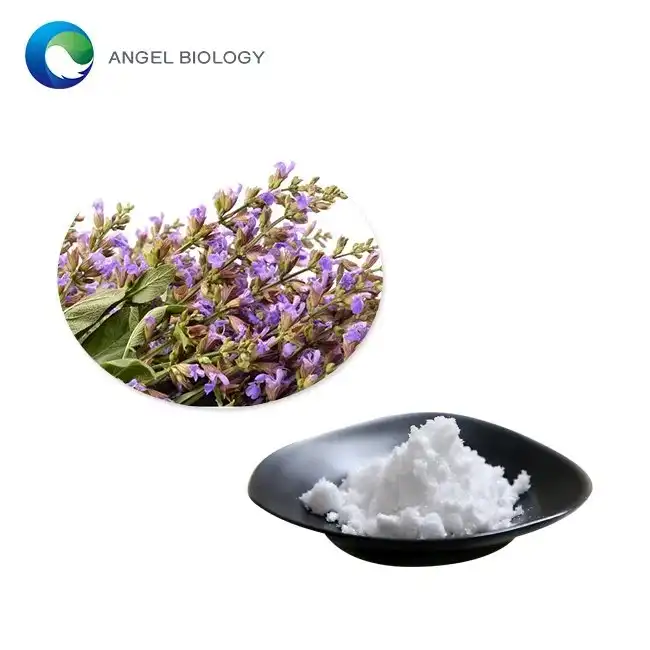
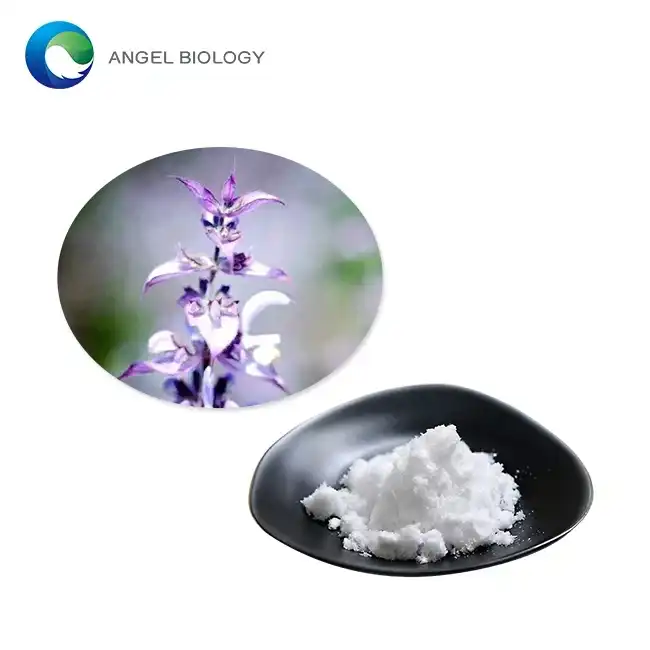
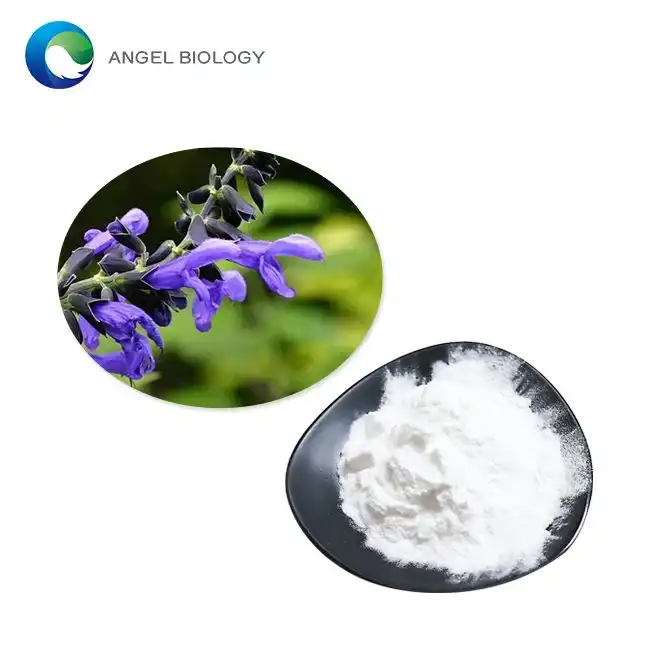
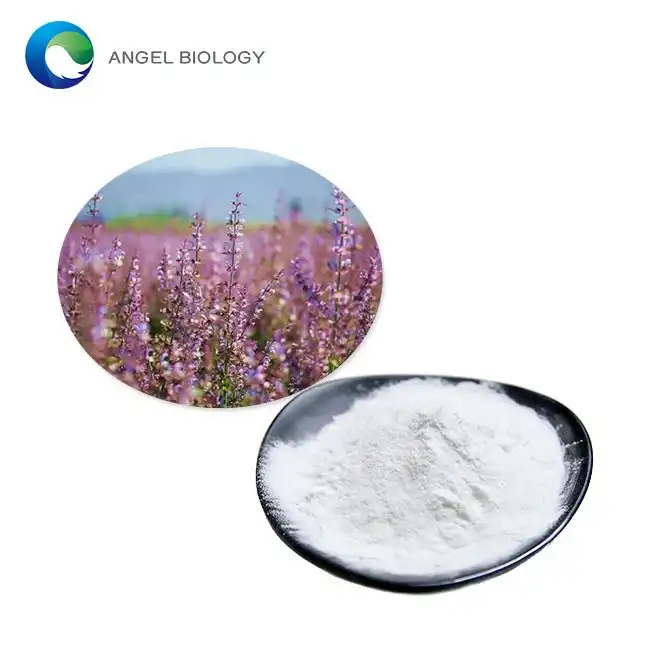
Rye pollen products are derived from the pollen of rye plants, commonly identified by the botanical name Secale cereale. Commercial pollen ingredients may differ in their botanical sources, extraction methods, processing techniques, and composition. Rye pollen extract, rye flower pollen extract, and other pollen-based ingredients should not automatically be treated as identical materials. Some preparations contain different pollen fractions, while others use processing methods designed to separate the inner contents from the outer pollen wall. These differences can influence the ingredient's composition and physical characteristics. Before comparing prices or requesting samples, buyers should confirm the Latin botanical name, plant source, pollen fraction, extraction method, and specification of the rye pollen flower pollen extract they intend to purchase.


Why Researchers and Brands Link It to BPH
Benign prostatic hyperplasia is a non-cancerous enlargement of the prostate that may be associated with lower urinary tract symptoms. These can include frequent urination, urgency, weak urine flow, difficulty starting urination, night-time urination, and a feeling of incomplete bladder emptying. Clinical guidelines, including the American Urological Association's guidance, describe the evaluation and management of these symptoms. Importantly, similar urinary symptoms can also be associated with other conditions, so medical assessment is necessary before attributing them to BPH. Interest in pollen preparations developed through clinical investigations of specific products, including Cernilton. These studies provide a research background for pollen-derived ingredients, but they do not establish that all rye pollen extracts have the same composition or effects. For ingredient brands, it is important to distinguish historical clinical research from claims that can be supported for a particular commercial raw material.
What the Evidence Does and Does Not Show
Clinical evidence should be reviewed according to the exact preparation, study design, population, and measured outcomes. Earlier reviews of Cernilton trials reported some improvements in self-reported urinary symptoms, while evidence for changes in prostate size, urinary flow rate, and post-void residual volume was less conclusive. The studies had limitations, including small sample sizes, relatively short follow-up periods, and differences in research methods. A later clinical study investigated a pollen extract preparation in people with chronic prostatitis and chronic pelvic pain syndrome, which is a different condition from BPH. Findings from that research should not be presented as proof of BPH treatment. Other pollen-based ingredients, including rye pollen flower pollen extract, may be investigated for their composition and potential applications, but laboratory or animal findings cannot establish clinical benefits in humans. Overall, current evidence does not support describing ordinary rye pollen extract as a proven treatment for BPH, a prostate-shrinking ingredient, or a replacement for medical care.
Composition, Functional Properties, and Production
Nutritional Profile and Functional Properties
Rye pollen extracts may contain lipids, phytosterols, flavonoids, amino acids, and other naturally occurring plant compounds. Their composition depends on the botanical source, growing conditions, raw-material selection, drying temperature, extraction solvent, and concentration ratio. These factors can influence the chemical profile and physical properties of the finished powder. For manufacturers, it is more useful to evaluate measurable composition and batch consistency than to rely on broad marketing descriptions such as "men's health support" or "antioxidant protection." Formulation teams should also assess colour, odour, flowability, dispersibility, and storage stability before approving an ingredient for production. These characteristics can affect blending, filling, packaging, and finished-product consistency.
Dual-Fraction Composition and Typical Specifications
Some commercial rye pollen preparations contain two fractions with different compositional characteristics. A water-soluble fraction may contain amino acids and certain flavonoids, while a lipid-soluble fraction may contain fatty acids, phytosterols, and compounds such as beta-sitosterol. However, the actual composition depends on the manufacturing process and the specific grade. Parameters such as alpha-amino acid content, phytosterol content, and loss on drying should be confirmed through the product specification and batch COA. Extraction ratios such as 20:1 or 63:1 describe processing concentration relationships and should not be interpreted as direct measures of clinical potency. The powder may range from light yellow to brown, depending on its source and processing conditions. Buyers should evaluate its suitability for capsules, tablets, or powder blends through formulation trials and confirm that all stated specifications match the current batch documentation.
How the Extract Is Made
Manufacturing begins with botanical sourcing, raw-material identification, cleaning, and drying under controlled conditions. Depending on the target composition, extraction may use water, ethanol, other suitable solvents, or supercritical carbon dioxide. Some processes may also use enzymes to separate or process different pollen fractions. The resulting extract can undergo concentration, filtration, and drying, including spray drying or freeze drying where appropriate. Commercial products may be supplied as powders or liquid extracts, with different processing and storage requirements. Buyers should review the botanical identity, origin, extraction solvent, extraction ratio, processing temperature, and relevant manufacturing controls. Supporting safety and quality data should address applicable parameters such as allergens, heavy metals, pesticides, mycotoxins, residual solvents, moisture, and microbiological quality.
Dosage, Allergen Status, and Ingredient Comparisons
Why Dosage Depends on the Specification
The amount of rye pollen flower pollen extract used in a finished product depends on the extract composition, marker compounds, dosage format, and intended application. There is no universal dosage that can be applied to every commercial rye pollen extract. Some clinical studies involving specific pollen preparations have reported daily amounts in the range of approximately 126 mg to 378 mg, but these amounts relate to the products and conditions investigated in those studies. They should not be transferred directly to a different extract with another composition or extraction ratio. Finished-product developers should determine formulation levels based on ingredient specifications, safety information, applicable regulations, and relevant product research. It is useful to document the extract ratio and marker-compound content in the raw-material specification so that formulation teams can evaluate consistency between batches.
Allergen Status and Label Transparency
Pollen-derived ingredients require careful consideration of allergen information. Buyers and finished-product manufacturers should assess the potential relevance of grass-pollen sensitivity and review the supplier's allergen declaration. Some exine-free preparations are processed to remove the outer pollen wall, but this does not automatically establish that the material is allergen-free. Finished-product manufacturers should evaluate the actual ingredient and determine appropriate labelling according to the target market. Product labels should clearly identify relevant ingredients, including flavourings, sweeteners, stabilizers, capsule materials, carriers, and anti-caking agents where used. Individuals with known pollen allergies or related health concerns should seek appropriate medical advice before using pollen-derived products. Manufacturers should avoid implying that a pollen extract can resolve persistent urinary symptoms or replace professional evaluation.
Rye Pollen Compared With Bee Pollen and Saw Palmetto
Rye pollen extract is not interchangeable with bee pollen, general flower pollen extract, or other botanical ingredients marketed for men's health. Bee pollen may contain pollen collected from multiple plant species, so its botanical composition and allergen profile can vary. Rye pollen products have a more specific botanical source, but their composition still depends on processing and raw-material controls. Saw palmetto is a separate botanical ingredient with its own chemical profile and research background. It is sometimes combined with pollen-derived ingredients in multi-component formulations, but the evidence for each ingredient should be assessed independently. Powder extracts may be suitable for capsules and tablets, while liquid products and beverages require additional evaluation of dispersion, stability, taste, and packaging compatibility. Cultivation and processing conditions can influence ingredient characteristics, but they do not automatically establish superior nutritional or functional performance.
How to Choose a Rye Pollen Extract Supplier
Documents to Request Before You Order
Documented product information is essential when evaluating a botanical ingredient supplier. Request a recent batch certificate of analysis (COA), product specification, allergen and source declarations, relevant certification documents, stability information, manufacturing flow chart, traceability records, and evidence of botanical origin. The sample identification and batch number should be consistent with the corresponding analytical documents. If the product is intended for a specific export market, ask the supplier about the supporting documentation and labelling information available for that destination. A supplier with clear quality procedures and organized technical records can make ingredient evaluation and procurement more efficient. Review each document against your own product requirements rather than relying on general statements about quality.
Quality Control Tests That Matter
Quality evaluation should cover botanical identity, composition, safety, and physical properties. Microscopic examination may help assess whether an exine-free grade has undergone the intended pollen-wall removal process. HPLC or GC fingerprinting can help characterize selected compounds, such as beta-sitosterol, alpha-amino acids, and fatty acids, depending on the product and validated analytical method. Testing may also include pesticides, heavy metals, residual solvents, and microbiological parameters. Where relevant standards or market-specific requirements apply, testing limits should be selected accordingly. Salmonella and E. coli are examples of microorganisms that may be included in a suitable microbiological testing program. These checks are important because botanical raw materials can be affected by growing, harvesting, and processing conditions. Buyers should request methods and batch-specific results rather than relying on the presence of a test name alone.
Capacity, MOQ, and Lead Time
Supply capability is another important part of supplier evaluation. Confirm whether the raw material comes from a single source or multiple approved sources, and ask about botanical origin, annual production capacity, available inventory, lead time, and maximum order volume. Buyers and distributors need consistent batches and complete documentation, particularly when planning repeat orders or export shipments. Starting with a sample or small trial order allows your formulation team to assess the material's identity, physical properties, and compatibility with the intended product. Angelbio has more than 18 years of R&D and testing experience and continues to focus on production management and quality control. Buyers can discuss specifications and technical requirements with the team during the evaluation process.
Bulk, Private Label, and a Practical Suitability Check
Product Formats and Applications
Bulk rye pollen flower pollen extract may be evaluated for use in capsules, tablets, powders, sachets, and selected functional-food premixes, depending on its stability, dispersibility, flow properties, taste, and applicable regulatory requirements. Capsules and tablets may be suitable for formulations containing pollen extracts with different compositional fractions. Powder blends and drink premixes require additional evaluation of dispersion, taste, sedimentation, and compatibility with other ingredients. Lipid-rich fractions may require suitable emulsification or encapsulation technologies for certain product formats. Formulators should not assume that a particular extract is completely water-soluble or suitable for every beverage system. Select the grade according to the target format at an early stage to reduce unnecessary reformulation and testing.
Bulk, Wholesale, and Private Label Support
The price per kilogram depends on the extract specification, order quantity, packaging, testing requirements, and shipping method. To compare supplier quotations fairly, provide the same product requirements and delivery information to each supplier. Private-label and OEM projects may involve support with product documentation, ingredient sourcing, formulation development, packaging, stability evaluation, and export paperwork, depending on the supplier's available services. Decide on the required bag or drum size, packaging material, storage conditions, and expected order frequency before confirming the purchase. Since botanical powders may interact with moisture, packaging and handling should be considered from the beginning. Buyers should first clarify their main objectives, such as cost control, specification consistency, or long-term supply planning. This makes it easier to select an appropriate grade and pack size.
A Four-Step Suitability Check
Before making a sourcing decision, I recommend completing these four steps:
1. Define the finished-product format, target consumer group, intended market, and product positioning.
2. Review all proposed health-related and structure/function wording to ensure that it is accurate and permitted in the target market. Do not describe the ingredient as a treatment or cure for BPH.
3. Define sample requirements, including appearance, odour, taste, dispersibility, flow properties, packaging, and key analytical specifications. Confirm that the results are consistent with the product documentation.
4. Compare price, MOQ, lead time, payment terms, shelf life, technical support, and the supplier's ability to support future orders.
Establishing these requirements before procurement can reduce unnecessary revisions and improve project efficiency. Product documentation, formulation compatibility, substantiated claims, and market requirements should all be considered when evaluating rye pollen flower pollen extract.
Conclusion
Research into whether rye pollen flower pollen extract may be relevant to urinary symptoms associated with BPH has mainly involved specific pollen preparations. Some studies reported improvements in certain self-reported urinary symptoms, but the evidence does not establish a reliable effect on prostate size or urinary flow rate. It also does not demonstrate that every commercial rye pollen extract produces the same results. Ingredient composition varies with botanical source, processing method, extraction ratio, and pollen fraction. For this reason, botanical identity, marker-compound content, analytical methods, and batch-specific COAs are more useful for product evaluation than the ingredient name alone. Buyers should also review allergen information, product labelling, and supplier documentation. Rye pollen and bee pollen are different materials and should not be treated as interchangeable. A suitable supplier should be able to provide clear specifications, relevant test results, technical information, and consistent supply support.
FAQ
Q1: Does rye pollen extract cure BPH?
No. Clinical research has investigated certain pollen preparations for urinary symptoms, but current evidence does not establish rye pollen extract as a cure for BPH or demonstrate that it reliably reduces prostate enlargement. It should not replace medical evaluation or treatment.
Q2: How does rye pollen differ from bee pollen?
Rye pollen comes from the rye plant, commonly identified as Secale cereale. Bee pollen is collected by bees from different plant sources and may contain a mixture of botanical pollens. Their composition, sourcing, and allergen profiles can therefore differ.
Q3: What dosage should I use?
The appropriate formulation level depends on the extract specification, composition, intended product, and applicable safety and regulatory requirements. Dosages reported in clinical studies relate to the specific preparations tested and should not automatically be applied to other commercial extracts. Review the supplier's technical documents and obtain appropriate professional guidance when needed.
Q4: Does grass-pollen allergy matter?
Yes. Buyers and finished-product manufacturers should review the ingredient's allergen information and consider the needs of the target consumer group. Exine-free grades have undergone processing to remove the outer pollen wall, but this does not automatically mean they are allergen-free. Individuals with known pollen allergies should seek appropriate medical advice.
Request Rye Pollen Flower Pollen Extract Samples from Angelbio
Angelbio, jointly invested by Angel Holding Group and the Institute of Life and Health Research of Xi'an Jiaotong University, brings more than 18 years of R&D and testing experience to rye pollen flower pollen extract inquiries. If you are looking for a rye pollen flower pollen extract supplier for supplement, functional-food, or ingredient distribution projects, send your intended application, target market, required specification, estimated order volume, and preferred product format to angel@angelbiology.com. Our team can provide available product information, samples, batch COAs, MOQ details, and lead-time information to support your evaluation.
References
1. Cernilton for benign prostatic hyperplasia, Cochrane Database of Systematic Reviews, 2000.
2. A systematic review of Cernilton for the treatment of benign prostatic hyperplasia, BJU International, 2000.
3. Treatment of outflow tract obstruction due to benign prostatic hyperplasia with the pollen extract, Cernilton: a double-blind, placebo-controlled study, British Journal of Urology, 1990.
4. A pollen extract (Cernilton) in patients with inflammatory chronic prostatitis–chronic pelvic pain syndrome: a multicentre, randomised, prospective, double-blind, placebo-controlled phase 3 study, European Urology, 2009.
5. Management of Benign Prostatic Hyperplasia/Lower Urinary Tract Symptoms: AUA Guideline, The Journal of Urology, 2021.
6. Effects of pollen extract preparation Prostat/Poltit on lower urinary tract symptoms in patients with chronic nonbacterial prostatitis/chronic pelvic pain syndrome: a randomized, double-blind, placebo-controlled study, Urology, 2006.