



Does Tribulus Terrestris Really Enhance Athletic Performance? Science Explained
The sports nutrition business is still looking for natural alternatives that work well and don't cause any problems with the law. Tribulus Terrestris Extract is a plant-based ingredient that is often sold as a way to improve athletic ability, but the scientific proof shows a more complex picture. This substance, which is tested for steroidal saponins like protodioscin, works by stimulating luteinizing hormones instead of replacing hormones directly. There were mixed results in clinical trials when it came to strength gains, but the extract showed more consistent support for endurance and recovery metrics. Formulators and purchasing managers who are looking at this item for use in sports nutrition need to know about the molecular processes and differences in quality.
Understanding Tribulus Terrestris Extract and Athletic Performance
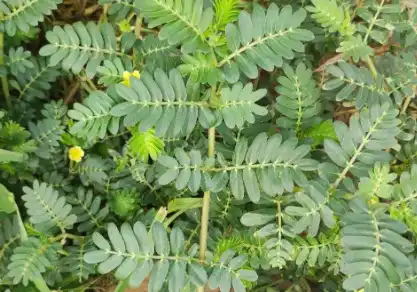
Botanical Origins and Active Compounds
The puncture vine plant grows naturally in warm temperate and tropical areas. It makes a strong extract that is full of furostanol saponins. Professional-grade material is extracted with hydro-ethanol and then sprayed dry to get amounts of 40% to 90% total saponins, and premium standards aim for 20% to 45% protodioscin through HPLC analysis. Pharmaceutical-grade Tribulus Terrestris extract has a certain saponin profile that sets it apart from raw plant powders that have uneven bioavailability and batch variability.
Geographic origin has a big effect on the phytochemical makeup. In the past, Bulgarian sources were more expensive because they had unique saponin profiles. However, modern extraction technologies used in approved facilities now make HPLC-verified materials that meet traditional standards for effectiveness while also offering reasonable pricing for large purchases.
Physiological Mechanisms in Athletic Contexts
The Tribulus Terrestris extract mostly changes testosterone levels without using hormones. It does this by telling the anterior pituitary gland to produce luteinizing hormone. Because it works in a different way than synthetic anabolics, it is a legal ingredient that can be used in sports nutrition products. The higher LH levels then tell the testicular Leydig cells to make more testosterone on their own, but response rates vary a lot between people depending on their initial hormonal state.
In addition to working with hormones, the saponin molecules have antioxidant qualities that may help the body heal by lowering the oxidative stress that comes from exercise. These processes help repair the damage that cells take during intense training, which might shorten the time it takes to heal between performance sessions.
Scientific Evidence: What Studies Actually Show
Meta-analyses that look at Tribulus terrestris extract nutrition in sports groups show that there are some important differences. There aren't many statistically significant improvements in strength in resistance-trained people compared to placebo groups in controlled trials. A thorough analysis of eight randomized controlled trials found that supplementing with standardized Tribulus Terrestris extracts at doses ranging from 450 mg to 1250 mg daily for 4 to 12 weeks did not significantly improve body composition or maximal strength.
The data from endurance markers is more promising. Studies that use time-to-exhaustion methods and anaerobic capacity tests show small but measurable gains, especially in people who have never trained before or who are only active for fun. It looks like the Tribulus Terrestris extract is better at supporting submaximal exercise ability than peak power output. This could affect how the product is positioned and who the target customers are.
There are still big gaps in the research. Cross-study comparisons are hard to do because most published trials use small sample groups and different standardization methods. Because there aren't any large, multi-center trials that meet the standards for pharmaceutical-grade research, procurement teams have to rely on early evidence to decide if ingredient claims are true.
Benefits and Potential Side Effects for Athletes
Documented Performance Benefits
The Tribulus Terrestris extract's effect on testosterone levels is the one that varies the most between clinical trials. Some studies show that people whose testosterone levels were low at the start have their levels rise by 16% to 21%. However, well-controlled studies of healthy athletes whose testosterone levels were normal at the start show that the hormones don't change much. This means that the ingredient might work better as a healer than a performance booster for people whose bodies are making enough hormones on their own.
Recovery speeding up is a benefit that has been shown to work more often. 24 to 48 hours after working out, athletes who take standardized Tribulus terrestris extracts report lower felt exertion scores and lower muscle soreness signs. Objective measures that show lower creatine kinase levels are in line with these subjective changes. This suggests that exercise-induced muscle damage is actually lessened.
Libido boost and sexual health support have the most clinical evidence, but these effects aren't directly related to athletic success. The Tribulus Terrestris extract increases the production of nitric oxide, which improves vasodilation and blood flow in ways that are important for both heart health and reproductive health.
Safety Profile and Dosage Considerations
Few side effects were seen in clinical trials that used daily doses of 500 mg to 1500 mg of standardized Tribulus Terrestris extract. About 3% to 5% of users experience occasional mild stomach pain, which usually goes away when the dose is changed or the drug is taken with food. Toxicology tests have shown that the ingredient does not harm the liver or kidneys at doses up to ten times the suggested supplement range.
Gender-specific reactions should be taken into account when the design is being made. Most of the written study has been done on men, but the little that has been done on female athletes shows that the endurance effects are similar and don't cause major hormonal changes. Cycle-specific dosing methods are best for goods aimed at women because the effects on reproductive hormone ratios may be stronger in women.
There is still not a lot of long-term safety data available for Tribulus Terrestris extract use that lasts longer than 12 months. As a safe precaution, conservative risk management offers cycle regimens that alternate 8 to 12 weeks of supplementation with equal amounts of rest until more longitudinal data is available.
Comparing Tribulus Terrestris Extract with Other Natural Supplements
Efficacy Against Alternative Botanicals
The main natural options used in testosterone-boosting products are maca root and fenugreek seed extract. Comparative research shows different workings and patterns of effectiveness that are important for differentiating products.
Maca mostly works through adaptogenic pathways, which change how stress response systems work instead of directly affecting the release of gonadotropins. The benefits to performance seem to be stronger for endurance and stress tolerance than for strength or power. There are chemicals in fenugreek that stop an enzyme from changing testosterone into dihydrotestosterone. This makes more testosterone available in the body through a different process than the luteinizing hormone route.
There haven't been many head-to-head tests comparing these plants yet, but the data we do have shows that Tribulus Terrestris Extract may work faster, with benefits starting in 2 to 4 weeks instead of 6 to 8 weeks like maca. Fenugreek causes more consistent changes in hormones, but because it has more fiber, it has a higher risk of stomach problems.
Product Form Considerations
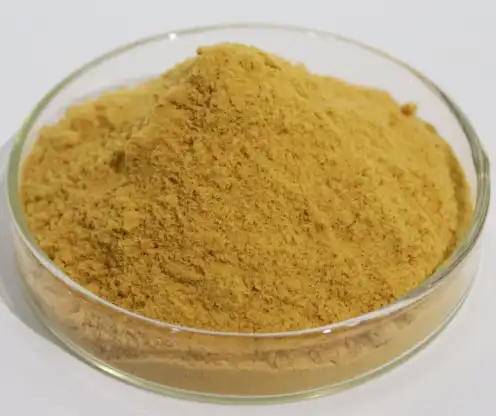
Powder vs. capsule forms have different effects on production and placement in the market. Standardized Tribulus Terrestris extract powders allow for more formulation options, letting you precisely change doses and work with a range of delivery methods, such as functional drinks, protein blends, and custom tablet formulas. Because high-saponin powders are hygroscopic, they need to be carefully controlled for moisture during processing and packing to keep them stable and stop them from sticking.
Encapsulated forms make things easier for consumers and hide tastes better, but they cost more because of the extra ingredients and methods used to encapsulate them. Specifications for bulk density between 0.45 and 0.65 g/ml make capsule filling more efficient, and controls on particle size to 100% pass 80 mesh make sure that the mixture is evenly mixed.
Organic Certification and Purity Standards
Certified organic Tribulus Terrestris extracts earn 30% to 50% higher prices and meet the growing demand for clean labels in North American and European markets. The certification method requires proof of getting from confirmed organic farms and doesn't allow the use of synthetic fertilizers or pesticides anywhere in the supply chain.
Quality control includes more than just checking for an organic state. It also includes tests for heavy metals, microbial limits, and leftover solvents. Premium providers keep the total amount of heavy metals below 10 ppm, and they control the levels of lead, arsenic, cadmium, and mercury to pharmacopeial limits. Independent labs that do third-party verification are needed to make sure that regulations are followed and that the brand is protected.
Procurement Insights for B2B Buyers
Supplier Qualification Criteria
Certification in accordance with GMP standards is the minimum requirement, but not all certifications are as strict. Facilities with NSF GMP Sport approval or informed-sport registration show better quality systems that deal with the risks of banned substances getting into sports nutrition products. Regular unannounced checks and testing of finished products are required for these certifications, which add to the normal GMP requirements and provide extra security.
Analytical skills set sophisticated suppliers apart from commodity traders. In-house HPLC testing for protodioscin quantification makes sure that each batch is the same and that the label claims are true. HPTLC fingerprinting, on the other hand, finds tampering with cheaper saponin sources like fenugreek or synthetic diosgenin. Asking for certificates of analysis that show actual test results instead of just specifications shows how technically competent the supplier is.
As traceability rules get stricter, buying choices are affected by supply chain transparency more and more. Suppliers who keep written records of their relationships with cultivation partners and provide proof of where the Tribulus Terrestris Extract came from help brands back up their claims of sustainability and lower the image risks that come with supply lines that aren't clear.
Bulk Purchasing and Pricing Dynamics
Prices on the market for standardized Tribulus terrestris extract vary a lot depending on the level of specification. On average, material that is standardized to 40% total saponins costs between $18 and $28 per kilogram, with a minimum order quantity of 100 kg to 500 kg. Premium types with 45% protodioscin by HPLC cost between $45 and $70 per kilogram, which is because they need more expensive extraction methods and quality control checks.
Unit economics are greatly affected by volume agreements. Buyers who sign yearly contracts for 1000 kg or more often get 12% to 18% savings compared to spot prices. However, they need to be able to accurately predict demand and keep track of their inventory. Payment terms also affect how much something costs. Standard net terms are 30 days, and you can get a 2% to 3% discount for paying early or setting up a letter of credit.
Authentication and Quality Verification
Sophisticated methods of adulteration are always a problem and need strong proof processes. Baseline HPTLC fingerprinting creates real reference profiles that can be used to compare new runs to. Changes in peak trends could mean that there is pollution or an attempt to switch species.
Isotope ratio mass spectrometry is a more advanced way to check if something is real because it can find synthetic chemical adds that regular chromatography might miss in Tribulus Terrestris Extract. Although this method is too expensive for regular testing, it can be used to prove for sure that high-value purchases are genuine or when fraud is suspected.
Conclusion
The evidence for using Tribulus Terrestris extract to improve athletic performance is very mixed and needs to be carefully interpreted. Big gains in strength don't have strong clinical support, but small gains in endurance, healing, and hormone support in some groups do have real practical value. The quality specification turns out to be the most important factor, and protodioscin-standardized extracts obtained through HPLC offer stability that cheaper options lack. A successful product creation process involves matching the requirements for ingredients to the needs of the target consumers and communicating openly about both the benefits that have been shown and the limitations of the study. The Tribulus Terrestris Extract can still be sold in sports nutrition products as long as it is positioned correctly and made to pharmaceutical-grade standards that guarantee consistency from batch to batch.
FAQ
1. Does tribulus extract actually increase testosterone in healthy athletes?
There is some clinical proof that testosterone levels rise slightly in athletes whose levels are already within normal physiological ranges. The Tribulus Terrestris extract has more constant hormonal effects in people whose testosterone levels are low, which suggests that it may have healing qualities rather than stimulating ones. Total or free testosterone levels don't change significantly in well-controlled studies of skilled athletes who took Tribulus Terrestris Extract for 4 to 12 weeks.
2. What dosage range provides optimal results without safety concerns?
Research protocols that successfully show benefits use 500 mg to 1500 mg of Tribulus Terrestris extract standardized to at least 40% total saponins every day. Higher protodioscin ratios allow for more effective effects at lower doses—600 mg of 45% protodioscin extract gives you the same amount of bioactive chemicals as 1200 mg of standard-grade material. Splitting the daily dose into two doses improves absorption and keeps blood levels more stable throughout the day.
3. How can buyers verify extract authenticity and prevent receiving adulterated material?
The first thing that needs to be done is to ask for HPLC reports of analysis that specifically measure the amount of protodioscin present. This is because UV-based total saponin tests can't find common adulterants. By using HPTLC fingerprinting to compare the Tribulus terrestris extract being sent against authenticated reference standards, it is possible to find instances of substitution or contamination. By building ties with wholesalers, keeping direct cultivation partnerships, and giving proof of origin, you can make the supply chain less opaque, which is where most adulteration happens. For large purchases or mission-critical uses, third-party testing by independent labs adds another level of verification.
Partner With Angelbio for Premium Tribulus Terrestris Extract
Angelbio provides top grade Tribulus Terrestris Extract powder that has been standardized to verified protodioscin specifications using advanced HPLC analysis. This solves the problem of inconsistent quality that sports nutrition manufacturers face. Our GMP-certified facilities combine 18 years of experience with extraction with strict third-party testing methods. This makes sure that all batches are the same and that all foreign markets follow the rules. We help with formulation development by giving technical advice, offering custom standardization options, and providing all the necessary supply chain documentation to protect your brand. Purchasing managers looking for a trustworthy Tribulus Terrestris extract seller will appreciate our customizable MOQ structures, low bulk prices, and dedication to open quality verification. Email our team at angel@angelbiology.com to talk about your specific formulation needs and find out how our botanical extract solutions can help your product stand out in the sports nutrition market, which is very competitive.
References
1. Rogerson S, Riches CJ, Jennings C, Weatherby RP, Meir RA, Marshall-Gradisnik SM. The effect of five weeks of Tribulus terrestris supplementation on muscle strength and body composition during preseason training in elite rugby league players. Journal of Strength and Conditioning Research, 2007; 21(2): 348-353.
2. Neychev V, Mitev V. The aphrodisiac herb Tribulus terrestris does not influence the androgen production in young men. Journal of Ethnopharmacology, 2005; 101(1-3): 319-323.
3. Pokrywka A, Obmiński Z, Malczewska-Lenczowska J, Fijałek Z, Turek-Lepa E, Grucza R. Insights into supplements with Tribulus terrestris used by athletes. Journal of Human Kinetics, 2014; 41: 99-105.
4. Qureshi A, Naughton DP, Petroczi A. A systematic review on the herbal extract Tribulus terrestris and the roots of its putative aphrodisiac and performance-enhancing effect. Journal of Dietary Supplements, 2014; 11(1): 64-79.
5. Saudan C, Baume N, Emery C, Strahm E, Saugy M. Short-term impact of Tribulus terrestris intake on doping control analysis of endogenous steroids. Forensic Science International, 2008; 178(1): e7-e10.
6. Zhu W, Du Y, Meng H, Dong Y, Li L. A review of traditional pharmacological uses, phytochemistry, and pharmacological activities of Tribulus terrestris. Chemistry Central Journal, 2017; 11(1): 60.