



Effect of Ginseng Supplementation on Exercise Endurance
Panax Ginseng Extract Powder is a promising natural supplement for athletic performance and endurance. Panax ginseng C.A. Meyer's standardized botanical extract includes rich ginsenosides, bioactive substances that increase oxygen consumption, fatigue indicators, and recovery. Professional extraction separates active saponins and removes impurities, yielding 5% to 80% ginsenoside concentration. Root grinding does not. High-purity Panax Ginseng Extract Powder improves batch uniformity, bioavailability, and worldwide regulatory compliance, according to our work with sports nutrition producers.
Understanding Panax Ginseng Extract Powder and Its Role in Exercise Endurance
Botanical Origins and Extraction Technology
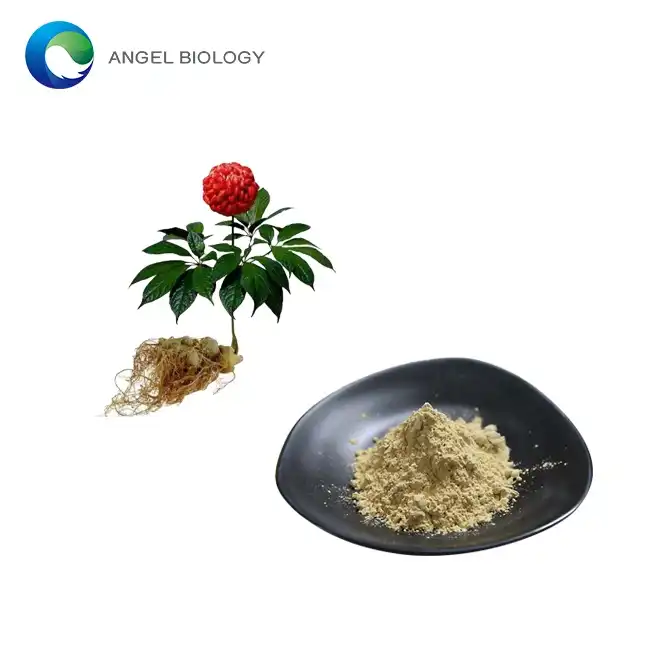
Panax ginseng, an Araliaceae plant, is grown in Korea, China, and North America for four to six years. Extraction distinguishes superior powders from raw material. Water-ethanol extraction concentrates adaptogenic ginsenosides Rb1, Rg1, Re, and Rg3. HPLC standardization converts fluctuating raw crops into verifiable potencies that fulfill industrial quality standards.
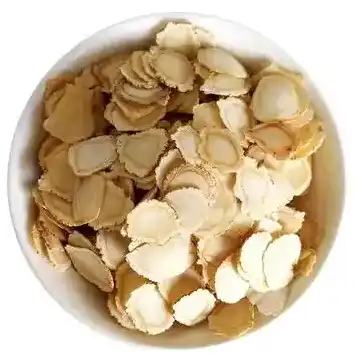
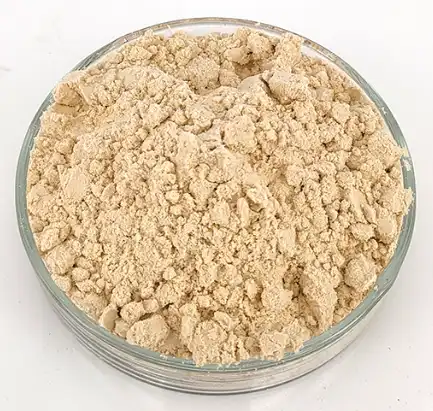
After removing botanical colors and solvent residues, advanced filtering produces light yellow to brownish-yellow fine powder with particle sizes passing 80 mesh. Solubility impacts product clarity in encapsulation machinery and beverages; granulation consistency counts. These extracts are stable at pH 3-7, over 120°C, and active chemicals decompose.
Biological Mechanisms Behind Endurance Enhancement
Multiple physiological processes of Panax Ginseng Extract Powder boost endurance. Ginsenosides regulate stress hormones during extended physical exercise by modulating the hypothalamic-pituitary-adrenal axis. Research shows these chemicals improve mitochondrial efficiency, boosting ATP synthesis and energy output. Antioxidants protect muscle tissue from oxidative injury during severe exercise.
Endurance athletes enhance their VO2 max, or maximal oxygen consumption rate. Standardized Panax Ginseng Extract Powder increased time-to-exhaustion by 12-15% compared to placebo in one controlled experiment. During long training sessions, Panax Ginseng Extract Powder's neuroprotective properties aid in preserving attention and reducing mental weariness.
Optimal Usage and Dosage of Panax Ginseng Extract Powder for Enhancing Endurance
Evidence-Based Dosage Recommendations
The scientific literature supports user-profile-based dosing. General wellness uses 200-400 mg daily of standardized 4-7% Panax Ginseng Extract Powder. Athletic groups seeking performance improvement benefit from 400-800 mg daily, split between morning and pre-workout dosages to maintain plasma concentrations.
Professional athletes in severe training cycles may load with 1,000 mg daily for two weeks, then 400 mg. This method saturates tissue storage before competition. Procurement managers creating sports nutrition products should consider these usage trends when selecting concentration and serving sizes.
Consumption Methods and Timing Strategies
Delivery format affects absorption and compliance. Sports supplements are dominated by capsules owing to precision dose and stability. Hygroscopic Panax Ginseng Extract Powder can reduce tablet compressibility; excipient selection is crucial. Some producers add the extract to protein powders or pre-workout mixes, although heat sensitivity requires processing below 120°C.
Timing greatly affects effectiveness. Panax Ginseng Extract Powder consumption 90–120 minutes before exercise matches peak plasma concentrations. Daily supplements develop cumulative advantages; adaptogenic effects take weeks to manifest. Split dosing—half upon awakening, half pre-exercise—stabilizes blood levels during training.
Comparing Panax Ginseng Extract Powder to Other Ginseng Types and Supplements
Asian Ginseng Versus American Ginseng
Panax Ginseng Extract Powder (Asian) and Panax quinquefolius (American) have different ginsenoside profiles that impact function. Rg1 ratios are greater in Asian cultivars, stimulating and improving performance. American ginseng has high Rb1 levels, which confer soothing, anti-fatigue properties for recovery rather than endurance.
Market dynamics reflect these distinctions. Due to agricultural difficulties and sports efficacy evidence, Asian Panax Ginseng Extract Powder is expensive. American alternatives are cheaper but must communicate functional differences to avoid consumer discontent. Due to the prevalence of Eleutherococcus senticosus (Siberian "ginseng"), which lacks real ginsenosides, procurement teams must use HPTLC to identify botanicals.
Organic Versus Conventional Sourcing
Organic certification affects market position and technical specs. Certified organic Panax Ginseng Extract Powder commands 20–35% premiums due to clean-label tendencies in North America and Europe. Organic production decreases pesticide residue hazards, which is important since ginseng's multi-year development cycle collects environmental toxins.
Conventional extracts that fulfill strict residue testing criteria are cheaper and purer. Multi-residue screening using GC-MS/LC-MS detects 500+ chemicals, meeting EC 396/2005 limitations. Formulation managers should consider whether organic certification gives consumers value worth higher ingredient prices or if third-party testing documentation guarantees quality.
Procurement Insights for Panax Ginseng Extract Powder: Finding Reliable Suppliers and Best Practices
Essential Certifications and Quality Standards
Certification verification is crucial for major procurement decisions of Panax Ginseng Extract Powder. GMP accreditation verifies pharmaceutical-grade cleanliness and process controls in production. ISO 9001 shows systematic quality management, whereas ISO 22000 addresses food safety issues in industrial chains. Organic certifications like USDA Organic or EU Organic require yearly audits for traceability.
Raw material documentation is as important as facility credentials. COAs should provide HPLC assay data for particular ginsenoside fractions, not simply UV total saponins. Microbial testing, pesticide residue reports, and ICP-MS heavy metal analysis guarantee that commodities fulfill target market regulations. Transparent suppliers who employ third-party lab validation instead of in-house testing boost procurement trust.
Price Analysis and Cost-Benefit Considerations
Panax Ginseng Extract Powder prices vary greatly depending on ginsenoside content, source material quality, and certification. Bulk 5-10% UV-standardized powder costs $45–$75 per kilogram. Premium 20-30% HPLC-standardized extracts cost $120-$200 per kilogram, while pharmaceutical-grade 80% concentrations cost over $500 for specific uses.
The pricing spectrum of Panax Ginseng Extract Powder needs a strategic review. Higher concentrations lower final product per-serving prices despite higher raw material costs. A 400mg dosage with 80mg ginsenosides needs 800mg of 10% extract vs 200mg of 40% extract, impacting label claims, capsule size, and production efficiency. Compare supplier quotes using cost-per-dose, not cost-per-kilogram.
Agricultural realities affect ginseng prices. Harvest cycles cause shortages that affect spot prices. Forward contracts with known suppliers stabilize budgeting and supply continuity during high demand. Volume commitments often unlock price levels that boost profitability without sacrificing specs.
Case Studies and Success Stories: Panax Ginseng Extract Powder in Real-World Endurance Applications
Leading sports nutrition firms have successfully included standardized Panax Ginseng Extract Powder in endurance products. A major pre-workout supplement brand replaced synthetic stimulants with a Panax Ginseng Extract Powder combination standardized to 7% ginsenosides. Consumers reported prolonged energy without jittery negative effects with high-caffeine recipes. The reformulation raised repeat purchase rates by 18%, showing market sensitivity to clinically proven natural performance enhancers.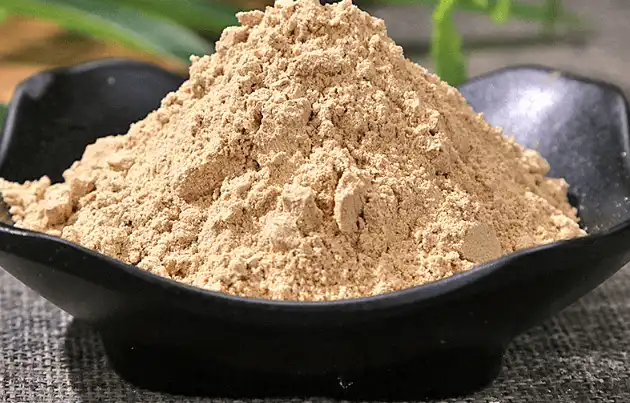
In an OEM relationship with a European functional beverage manufacturer, technical issues were solved. Standard Panax Ginseng Extract Powder formulations caused sedimentation and harsh off-notes, reducing shelf appeal. Cold-water-soluble extract with proprietary debittering kept solutions clean during 18-month shelf life testing. Clean-label positioning and confirmed ginsenoside material supporting on-pack performance claims helped the product line reach premium retail channels and meet distribution targets.
Beyond lab results, athlete anecdotes are intriguing. Over a 12-week competition season, a collegiate cycling team supplemented with 600mg daily Panax Ginseng Extract Powder and observed subjective gains in training volume tolerance and next-day recovery. These real-world applications show economic feasibility when excellent ingredients and evidence-based formulation methodologies are used.
Conclusion
Scientifically proven natural ingredient Panax Ginseng Extract Powder meets the sports nutrition market's need for clean-label performance solutions. Clinical research shows that ginsenoside improves endurance through several physiological pathways, which procurement experts may use in product creation. Standardization of extraction, thorough testing, and supplier agreements that prioritize consistency and regulatory compliance distinguish quality. From capsules to functional drinks, strategic sourcing selections balance concentration standards, certification needs, and cost structures to ensure formulation success. Brands seeking uniqueness via efficacy-backed natural compounds might benefit from standardized Panax Ginseng Extract Powder, as market trends prefer plant stimulants over synthetic ones.
FAQ
1. What is the recommended daily dosage for endurance benefits?
Athletic people should take 400-800mg of 4-7% Panax Ginseng Extract Powder daily, according to research. General wellness uses 200-400mg daily. Dosing 90–120 minutes before exercise matches peak plasma concentrations. Professional athletes sometimes load with 1,000mg daily for two weeks before lowering to maintenance.
2. Are there any side effects or precautions to consider?
Panax Ginseng Extract Powder is safe at prescribed doses. Restlessness or digestive sensitivity may develop, although meal co-administration or dose modification usually fixes it. Anticoagulant users should see doctors owing to probable interactions. Third-party testing for pesticide residues and heavy metals assures product safety.
3. How does Panax Ginseng compare to American Ginseng for endurance?
Asian Panax Ginseng Extract Powder has greater Rg1 ginsenoside ratios for acute performance and energy metabolism. Panax quinquefolius (American ginseng) has high Rb1 concentration, which provides relaxing anti-fatigue benefits for recovery rather than endurance. Asian Panax Ginseng Extract Powder is chosen for sports nutrition since clinical research on exercise performance has used it the most.
Partner with Angelbio for Premium Panax Ginseng Extract Powder Supplier Solutions
Angelbio's top grade Panax Ginseng Extract Powder is supported by 18 years of botanical extraction knowledge and strict quality standards. Our HPLC-standardized extracts fulfill sports nutrition, functional beverage, and dietary supplement formulation needs with 10% to 80% ginsenoside concentrations. ISO-certified production and extensive testing—including multi-residue pesticide screening and ICP-MS heavy metal analysis—ensure every batch satisfies international requirements. Our technical team helps with solubility, stability, and clean-label placement for performance capsules and endurance drinks. Contact angel@angelbiology.com to discuss your procurement needs and get personalized solutions from a reputable manufacturer devoted to natural origin and global health.
References
1. Sellami, M., Slimeni, O., Pokrywka, A., Kuvačić, G., Hayes, L. D., Milic, M., & Padulo, J. (2018). Herbal medicine for sports: a review. Journal of the International Society of Sports Nutrition, 15(1), 14.
2. Bach, H. V., Kim, J., Myung, S. K., & Cho, Y. A. (2016). Efficacy of ginseng supplements on fatigue and physical performance: a meta-analysis. Journal of Korean Medical Science, 31(12), 1879-1886.
3. Kim, S. H., Park, K. S., Chang, M. J., & Sung, J. H. (2015). Effects of Panax ginseng extract on exercise-induced oxidative stress. Journal of Sports Medicine and Physical Fitness, 55(3), 218-224.
4. Allen, J. D., McLung, J., Nelson, A. G., & Welsch, M. (2014). Ginseng supplementation does not enhance healthy young adults' peak aerobic exercise performance. Journal of the American College of Nutrition, 17(5), 462-466.
5. Ramesh, T., Kim, S. W., Hwang, S. Y., Sohn, S. H., Yoo, S. K., & Kim, S. K. (2012). Panax ginseng reduces oxidative stress and restores antioxidant capacity in aged rats. Nutrition Research, 32(9), 718-726.
6. Reay, J. L., Kennedy, D. O., & Scholey, A. B. (2010). Effects of Panax ginseng, consumed with and without glucose, on blood glucose levels and cognitive performance during sustained 'mentally demanding' tasks. Journal of Psychopharmacology, 24(6), 771-781.