



Elderberry Extract: Anthocyanin Standardization Trends to Watch
Anthocyanin standardization is moving black elderberry extract powder from a loosely described fruit ingredient toward a measured, specification-driven material. Buyers increasingly ask for the anthocyanin assay value, analytical method, carrier content, and batch-specific results before approving a supplier. Key trends include method-based reporting, application-specific specifications, traceable botanical identity, cleaner-label options, and stability data. This guide is designed for formulators, R&D teams, and procurement managers who want to compare elderberry ingredients using clear technical information rather than headline numbers. It also explains how Angelbio supports sample evaluation and product documentation.
What Is Black Elderberry Extract Powder?
Whole-Fruit Powder Versus Extract Powder
Whole elderberry powder is produced by drying and grinding the fruit. Because it generally contains the fruit's original fiber, sugars, and other natural components, its anthocyanin concentration is usually lower than that of a concentrated extract. Black elderberry extract powder is produced by extracting selected compounds from the fruit and concentrating them into a powder. Depending on the extraction and drying process, it may provide a higher anthocyanin concentration per gram and a more concentrated colour profile.
These two ingredient types serve different formulation purposes. Whole-fruit powder may be suitable for products that emphasize whole-fruit composition, while extract powder may be preferred when a more defined anthocyanin specification or stronger colour contribution is required. Capsule, confectionery, and beverage manufacturers should compare the assay value, carrier content, flavour, dispersibility, and cost per finished serving before choosing between them.
A third product format includes liquid or syrup-like elderberry concentrates. These may be convenient for certain liquid applications, but their water content, sugar content, concentration, and transportation requirements need to be considered. The format can also affect packaging choices, storage conditions, and private-label product development.


What Shapes the Anthocyanin Profile
Elderberry fruit contains several anthocyanins, including cyanidin-3-sambubioside and cyanidin-3-glucoside. Other anthocyanins, such as cyanidin-3-sambubioside-5-glucoside, may also contribute to the overall profile. Their relative proportions and total concentration can vary with the plant variety, growing location, harvest maturity, drying conditions, and storage environment.
Anthocyanins are sensitive to processing and storage conditions. Exposure to heat, light, oxygen, and unsuitable pH conditions may contribute to colour changes or degradation. The Haschberg cultivar is commonly discussed in elderberry cultivation and ingredient research, but cultivar name alone cannot guarantee a particular anthocyanin content or finished-product specification.
Elderberries also contain other phenolic compounds and naturally occurring constituents that contribute to their overall composition. This is why a single assay number cannot fully describe the ingredient. When reviewing a supplier's information, buyers should first check the botanical identity and the analytical method. These details help explain differences between batches and make supplier comparisons more meaningful.
From Berry to Powder: Manufacturing Steps
Manufacturing decisions can influence the colour, stability, dispersibility, and flow properties of elderberry extract powder. A typical process may begin with fruit preparation and extraction using water or a suitable water-alcohol mixture. The extract is then clarified or filtered to remove insoluble material, concentrated, and prepared for drying. Depending on the process, additional steps may include blending, standardization, sieving, testing, and packaging. Spray drying is one commonly used powder-production method.
Each stage can affect the final anthocyanin profile. Excessive heat exposure, long processing times, oxygen contact, and unsuitable storage conditions may contribute to anthocyanin degradation. Particle size and carrier selection can also influence powder flow, dispersibility, and handling characteristics.
Research on thermal processing has shown that anthocyanin stability can be affected by temperature and processing time, although the degree of change depends on the food matrix and process conditions. Buyers should therefore ask suppliers about extraction conditions, concentration methods, drying technology, carrier materials, and the analytical results used to monitor the finished powder. Reviewing the actual process is more useful than relying on a general claim about manufacturing technology.
The Shift Toward Anthocyanin Standardization
Why Generic Labels Are Losing Ground
Terms such as "fruit powder" or "elderberry extract" do not provide enough information for a technical purchasing decision. An extract ratio, such as 10:1 or 64:1, describes the relationship between the starting material and the resulting extract under a particular production process. It does not directly indicate the anthocyanin concentration in the finished powder.
A clearly defined anthocyanin specification provides a more useful basis for comparing products. It can support batch consistency, formulation calculations, cost evaluation, and finished-product label development. However, a higher anthocyanin value should not be the only selection criterion. Botanical identity, appearance, flavour, dispersibility, moisture content, carrier level, and contaminant results are also important.
Black elderberry extract powder may be used in beverages, confectionery, and dietary supplement formulations where consistent ingredient composition and colour contribution are required. In some applications, a moderate anthocyanin level with better flavour, dispersibility, or processing performance may be more suitable than a highly concentrated material. The best choice depends on the finished product and the buyer's technical priorities.
Testing Methods and COA Content
Reported anthocyanin values can vary depending on the analytical method. The pH differential method, including the collaborative method developed through AOAC work, is commonly used to determine total monomeric anthocyanins. Results are often expressed as cyanidin-3-glucoside equivalents. This method provides an overall measurement of monomeric anthocyanin content, but it does not identify or quantify every individual anthocyanin separately.
HPLC can provide a more detailed anthocyanin profile by separating and quantifying individual compounds when the method and reference standards are appropriate. It can therefore help buyers understand the relative contribution of different anthocyanins. However, the method must be validated for the sample matrix and intended analytical purpose.
Colour-based measurements alone may be affected by other coloured compounds or formulation components. Where botanical identity or authenticity is a concern, chromatographic fingerprints and suitable reference materials can provide additional supporting information. HPTLC may also be used as part of a botanical identification or fingerprinting approach, but no single fingerprint should be treated as conclusive proof of authenticity without appropriate reference comparison.
A useful COA should state the assay result, analytical method, unit, and reporting basis. Buyers should also confirm whether the result represents an average value, a guaranteed minimum, or an individual batch result. The batch number and test date should be traceable. Depending on the product specification, other information may include moisture content, particle size, microbiological results, heavy metals, pesticide residues, residual solvents, and relevant GMO or allergen declarations.
Emerging Trends to Watch
Several trends are changing how buyers evaluate elderberry ingredients. A higher anthocyanin assay does not automatically mean better formulation performance. Concentration, carrier content, flavour, colour intensity, dispersibility, and cost per serving all need to be considered together. A highly concentrated powder may require different handling or formulation adjustments compared with a less concentrated grade.
Buyers are also asking for application-specific specifications. Beverage manufacturers may prioritize colour stability, flavour, and dispersibility, while capsule producers may focus on assay consistency, moisture, particle size, and powder handling.
There is growing interest in organic options, plant-based formulations, reduced-carrier or carrier-free products, alcohol-related extraction information, and traceable raw-material sourcing. Stability data and protective packaging are also receiving more attention. For US dietary supplement projects, manufacturers need reliable ingredient identity, specification, and batch documentation to support their own product quality and regulatory responsibilities. Clear supplier records and documented product evaluation are therefore important parts of supplier approval.
Comparing Processing and Product Formats
Spray-Dried and Freeze-Dried Powders
Spray drying is widely used for producing fruit extract powders because it can support efficient processing, relatively consistent particle characteristics, and commercial-scale production. Carriers such as maltodextrin or other suitable drying aids may be used to improve powder recovery, flow, and handling. The type and amount of carrier should be clearly stated because they affect the actual anthocyanin concentration per gram of finished powder.
Freeze drying removes water under low-temperature conditions and may be selected for products where certain heat-sensitive characteristics need to be considered. However, it generally involves longer processing times and higher production costs. The resulting powder may also have different density, flowability, and handling characteristics from spray-dried material.
Angelbio produces black elderberry extract powder using a process that includes filtration and spray drying. Buyers should evaluate the resulting anthocyanin content, colour, dispersibility, flavour, carrier level, and cost rather than assuming that one drying method is universally superior. The appropriate technology depends on the target specification, production scale, and finished-product requirements.
Powder Versus Syrup
Dry elderberry extract powder and liquid or syrup concentrates serve different manufacturing needs. Powder is generally easier to weigh, dose, transport, and store in concentrated form. It may also be easier to incorporate into capsules, tablets, dry blends, and powdered beverage mixes. Its actual shelf life depends on the product composition, packaging, and storage conditions.
Syrup or liquid concentrate can be convenient for beverage and liquid-formulation manufacturers because it can be incorporated directly into certain processing systems. However, its water and sugar content, shipping weight, storage requirements, and concentration need to be considered when calculating the total formulation cost.
Powder can absorb moisture from the surrounding environment, so appropriate handling and packaging are important. Double-layer liners, moisture-resistant containers, and suitable desiccants may help protect the material during storage and transportation. The recommended room humidity and packaging conditions should follow the supplier's product-specific handling instructions rather than a universal humidity target.
For private-label projects, powder can provide flexibility across capsules, tablets, sachets, and beverage mixes. Buyers should nevertheless check whether the selected grade is compatible with their equipment and formulation process.
Matching Format to Application
Each application has different technical priorities. For ready-to-drink beverages, formulators should evaluate pH, colour stability, flavour, dispersibility, sedimentation, and compatibility with other ingredients. Elderberry anthocyanins are pH-sensitive pigments, so the colour may change under different formulation conditions. A pH range between 3.0 and 4.0 may be relevant to certain beverage concepts, but it does not guarantee colour stability or prevent sedimentation.
For confectionery, product developers should assess the effects of heating, moisture, pH, and the selected gelling system. Pectin and gelatin formulations may require different processing conditions. Colour retention should be tested under the actual cooking and storage conditions rather than assumed from the ingredient's original powder colour.
In sachets and capsules, buyers may focus more on anthocyanin content per serving, carrier level, moisture, particle size, flowability, and compatibility with other ingredients. A higher concentration may help reduce the amount of extract needed in some formulations, but the actual dosage and carrier requirement depend on the full recipe and product specification.
Powder handling and flow properties can also influence high-speed filling and packaging operations. These are useful starting points for formulation trials, but laboratory and pilot-scale testing are necessary before confirming commercial suitability.
Selecting and Buying Standardized Powder
Start With the Finished Product
The intended finished product should guide ingredient selection rather than price per kilogram alone. First, define the application, target market, product format, and required anthocyanin level. Then establish specifications for moisture, particle size, dispersibility, shelf life, microbiological quality, and relevant contaminants.
Next, compare each supplier's technical support, minimum order quantity (MOQ), lead time, sample availability, and customization options. These factors can affect product development schedules and procurement planning.
Finally, calculate the total ingredient cost per finished serving or per defined anthocyanin unit. Comparing only the price per kilogram may give a misleading result. A black elderberry extract powder with a higher price per kilogram may require a smaller inclusion rate, while a less concentrated grade may offer better value when flavour, colour, or processing performance is considered. This calculation helps buyers compare quotations using the actual requirements of their formulation.
Documents and Terms for Bulk Orders
Bulk buyers commonly request a product specification sheet, current COA, sample test report, safety data sheet (SDS), relevant certificates or declarations, allergen statement, country-of-origin information, packaging details, shelf-life information, MOQ, quotation, lead time, and export terms.
For products with specific anthocyanin requirements, buyers should also confirm the analytical method, reference standard, reporting basis, and whether the specified value is a minimum or a batch result. Organic sourcing, custom packaging, reduced-carrier options, and private-label services may affect the MOQ and production schedule. Discussing these requirements early can help avoid delays during sample approval and order confirmation.
Packaging is another important consideration. Inner liners, drums, cartons, bags, palletization, and clear batch marking all contribute to product protection and traceability during storage and ocean transportation. Suitable packaging also helps the receiving team identify and inspect each batch more efficiently.
Common Mistakes to Avoid
Several purchasing mistakes can be avoided through a more complete evaluation. Buyers may focus only on the anthocyanin percentage without checking flavour, dispersibility, carrier content, or actual formulation performance. Others may assume that a COA alone represents a complete supplier evaluation or overlook supply continuity and batch variation.
A more reliable approach is to review the analytical method, carrier materials, solubility or dispersibility, batch-to-batch results, and contaminant data. Then test the sample in a laboratory using conditions that reflect the intended finished product.
Buyers should also understand how the supplier manages product changes, production capacity, demand forecasting, alternative sourcing, and batch documentation. Asking these questions before placing a large order can help reduce uncertainty and support a more consistent supply relationship.
Formulation Guidance and the Future of Standardization
Practical Formulation Tips
For gummies, formulators should consider the anthocyanin content per serving, colour consistency, moisture management, and compatibility with pectin or gelatin systems. Processing temperature, pH, and storage conditions may all influence the final colour and product characteristics.
For beverages, evaluate how well the powder disperses, its sensitivity to pH, the potential for sedimentation, colour stability, and compatibility with minerals, acids, sweeteners, and other ingredients. Elderberry extract may be combined with vitamin C in certain formulations, but the compatibility and stability of the combination should be tested. Under some conditions, formulation ingredients and storage factors may influence anthocyanin stability.
Where a product contains several sensitive ingredients, separate packaging or multi-compartment formats may be considered to reduce contact during storage. However, packaging design should be based on stability testing of the actual formulation.
Tea and food manufacturers should consider flavour intensity, processing temperature, particle size, and blending uniformity. Before placing a large order, a sample evaluation and pilot production trial can help identify potential formulation issues.
Performance-Based Specifications
Future purchasing specifications may go beyond a single anthocyanin assay value. Buyers may increasingly define requirements based on several performance-related parameters, including anthocyanin content, dispersibility, colour stability, sensory characteristics, contaminant limits, traceability, and compatibility with the intended application.
This approach reflects the practical needs of formulators. A laboratory assay is important, but it does not fully predict how a powder will perform in a beverage at a particular pH or in a heated confectionery mixture. Sharing application details early in the sourcing process helps suppliers recommend a more suitable grade and allows buyers to establish realistic acceptance criteria.
Sustainability and Supplier Collaboration
Sustainability is becoming a more visible part of supplier evaluation. Buyers may consider responsible raw-material sourcing, traceable botanical origin, processing efficiency, packaging materials, and transportation arrangements when reviewing potential suppliers.
Close technical collaboration can also reduce unnecessary reformulation and improve the efficiency of product development. Sharing formulation targets, processing conditions, and testing requirements allows both parties to coordinate sample evaluation, pilot trials, stability assessments, and private-label development more effectively.
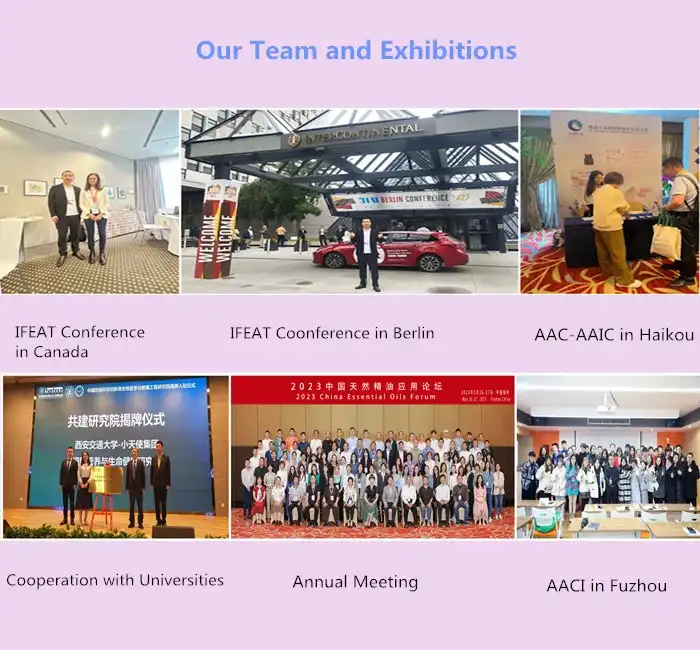
Angelbio has investment support from Angel Holding Group and the Institute of Life and Health Research of Xi'an Jiaotong University. With more than 18 years of experience in ingredient research and development, Angelbio focuses on product development, process improvement, and technical support for natural ingredient projects. Buyers can request relevant product information and documentation to assess whether a specific elderberry extract grade meets their requirements.
Conclusion
The way buyers evaluate black elderberry extract powder is becoming more specification-driven. A defined anthocyanin level can support batch comparison and formulation calculations, but it is most useful when accompanied by information about botanical identity, carrier content, dispersibility, moisture, contaminant results, and stability.
The pH differential method and HPLC provide different types of analytical information, so the test method and reporting basis matter. Spray-dried, freeze-dried, and liquid or syrup formats also have different processing and handling characteristics. Gummies, beverages, capsules, and other products require their own formulation evaluations.
When comparing quotations, buyers should consider the cost per finished serving or per defined anthocyanin unit rather than relying only on price per kilogram. Complete documentation, representative sample testing, and technical collaboration can help reduce purchasing uncertainty and improve formulation planning. Working with a supplier that can provide clear specifications, batch information, and responsive technical support is an important part of building a reliable ingredient supply relationship.
FAQ
1. How does black elderberry extract powder differ from whole elderberry powder?
Whole elderberry powder is made by drying and grinding the fruit, so it retains more of the fruit's original fiber and natural sugars. Black elderberry extract powder is produced by extracting and concentrating selected constituents. It generally provides a higher anthocyanin concentration per gram, depending on the extraction process and product specification.
2. Why is there no universal anthocyanin percentage?
Anthocyanin content depends on the botanical variety, growing location, harvest maturity, processing conditions, carrier level, and analytical method. Different suppliers may also use different specifications and reporting bases. Buyers should compare products using the same or suitably comparable analytical methods.
3. How should I store the powder?
Elderberry extract powder can absorb moisture, so it should be stored in suitable moisture-resistant packaging and protected from heat, light, and humidity. Double-layer liners and appropriate desiccants may help protect the material. Follow the supplier's recommended storage conditions and check the product-specific shelf-life information.
4. Is it suitable for gummies and beverages?
Elderberry extract powder can be evaluated for both gummies and beverages, but formulation testing is necessary. For gummies, assess colour retention, processing temperature, moisture, and compatibility with the gelling system. For beverages, evaluate pH, dispersibility, sedimentation, flavour, and colour stability under the intended processing and storage conditions.
Request a Standardized Black Elderberry Extract Powder Specification
Angelbio supports supplement, beverage, and food manufacturers, distributors, and private-label brands with black elderberry extract powder samples and technical product information. If you have a specific anthocyanin target, application, or packaging requirement, contact our team at angel@angelbiology.com.
Share your target anthocyanin level, intended application, estimated order quantity, destination market, and packaging preferences. Our team can provide available specifications, batch COA information, sample details, MOQ, lead time, and bulk pricing to support your ingredient evaluation and purchasing decision.
References
1. Determination of Total Monomeric Anthocyanin Pigment Content of Fruit Juices, Beverages, Natural Colorants, and Wines by the pH Differential Method: Collaborative Study. Journal of AOAC International, 2005.
2. Anthocyanin Composition of Different Wild and Cultivated Berry Species. LWT – Food Science and Technology, 2015.
3. Botanical Adulterants Prevention Bulletin: Elderberry (Sambucus nigra). American Botanical Council, 2018.
4. Chemical Studies of Anthocyanins: A Review. Food Chemistry, 2009.
5. Effect of Thermal Processing on Anthocyanin Stability in Foods: Mechanisms and Kinetics of Degradation. Trends in Food Science & Technology, 2010.