



Everything You Need to Know About Black Elderberry Extract Powder
The black elderberry extract powder comes from the fruit Sambucus nigra, especially grown types like Haschberg that have higher amounts of anthocyanin. This plant ingredient has been proven to work by science. This powder compresses bioactive flavonoids into a shelf-stable form that is perfect for use in vitamin products, cosmetics, and functional food development. It does this by using advanced extraction methods that combine ethanol-water systems and membrane filtering. The ingredient solves important problems in the industry, like inconsistent raw materials, the need for standards, and the growing demand from customers for natural ingredients that boost immunity and are in line with global rules.
What Is Black Elderberry Extract Powder?
Botanical Origin and Extraction Technology
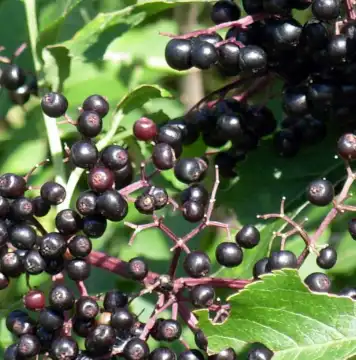
The dark purple berries of the bush Sambucus nigra L. are used to make black elderberry extract powder. This plant is native to Europe but is now grown in colder places. For the extraction process, special liquid systems are used to separate and concentrate the fruit's medical substances while getting rid of the sugars, fibers, and other parts that aren't needed. These systems are usually a mix of ethanol and water. They use high-tech membrane filters to keep the powder full of the vitamins that were wanted. The powder is a deep purple color because of anthocyanins like cyanidin-3-glucoside and cyanidin-3-sambubioside.
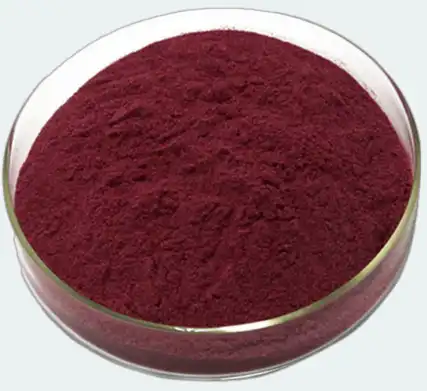
The standardized powder usually looks like a fine, dark violet powder that passes through an 80 mesh screen with 95% of it. This makes sure that the powder is evenly distributed in formulas. This standard for particle size makes it easy to incorporate into pill bases, capsule mixes, drinking systems, and skin treatments. The mass density is between 0.40 and 0.60 g/ml, which affects how it needs to be packaged and how accurately it needs to be dosed in industrial settings.
Phytochemical Profile and Standardization
The concentrated anthocyanin content of elderberry extract powder is what makes it healthy. This content is measured between 6% and 25% by HPLC analysis, based on the grade. With ORAC levels that are much higher than many popular fruit products, these polyphenolic chemicals work very well as antioxidants. In addition to anthocyanins, the powder also has flavonols, phenolic acids, and small amounts of vitamins that help it work biologically.
A good elderberry powder has a certain chromatography fingerprint that lets you tell the difference between real Sambucus nigra and cheap fillers like peanut skin colors or black rice extract. This tracking solves a major problem in global supply chains: the validity of ingredients has a direct effect on how well products work and how well they follow the rules. Using testing techniques like UV-Vis spectroscopy and HPLC profiling gives buying teams objective ways to make sure that providers meet their needs.
Industrial Applications Across B2B Sectors
Elderberry powder is used in many different ways in industry. It is used by nutraceutical companies to make immune support pills, chews, and stick packs. Its concentrated bioactives allow for high-potency doses in small forms. The natural color of the ingredient supports clean-label formulas that don't use manufactured colorants. This meets customer tastes that affect how a brand is positioned.
Cosmetic companies use the powder's antioxidant qualities to make natural skin care lines, anti-aging serums, and repair creams. Because it doesn't change when mixed with other substances and works with a wide range of pH levels, it can be used in both water-based and dry products. Instant elderberry powder versions are used by functional beverage makers in ready-to-drink immunity shots and fizzy pills, where quick dispersion and clarity are important quality characteristics. The powder's stability keeps it from setting, which can happen with whole fruit powders. This keeps the powder looking good and ensures that the doses are always the same during the product's shelf life.
Health Benefits and Applications of Black Elderberry Extract Powder
Immune System Modulation and Antioxidant Capacity
Folks who study the immune system have found that the anthocyanins in elderberries help immune cells stay healthy in the winter. Taking elderberry pills in the first 48 hours after getting a cold has been shown to shorten and ease the symptoms. It is suggested that cytokines be changed to stop viruses from binding to cell membranes. However, the people who are formulating the medicines need to make sure that these effects don't go too far and are still legal.
The powder's ability to eliminate free radicals at the cellular level, as seen in Black Elderberry Extract Powder, has been confirmed by the ORAC and DPPH tests. Because of this trait, it is used in formulas that target oxidative stress, like healing goods for athletes, vitamins for longer life, and routines for cellular health. The amount of polyphenols is a measurable indicator that R&D teams can use to connect to the performance of the end product.
Formulation Considerations and Dosage Parameters
Food supplements are usually taken every day in amounts between 500 mg and 1500 mg of standardized extract powder. The exact dose is based on the amount of anthocyanin. When formulating, people have to remember that the ingredient draws water quickly. To keep this from happening during storage, it needs to be covered by wrapping or treated with carriers like maltodextrin. The powder can change form at different temperatures, so the temperature at which it is worked with should not go above 60°C.
The way the drug is delivered affects its metabolism. For encapsulated powders, taste doesn't matter, but for sweets and chewables, the natural astringency of the extract has to be hidden by sweeteners and flavorings. Instant powders work well in liquid uses because they dissolve fully in cold water without leaving a cloudy film. This meets buyer standards for convenient goods. Each style has its own production issues that need to be taken into account in the ingredient specs.
Safety Profile and Quality Assurance
In clinical tests, elderberry extract powder was well tolerated, and only mild stomach problems were noted at amounts higher than what is normally recommended. Raw blackberry parts have cyanogenic glycosides that need to be taken out during extraction, so they must be processed correctly. Along with heavy metal testing, microbial screening, and pesticide residue proof, good providers give reports of analysis that say these chemicals are not present.
Teams in charge of buying things should make sure that sellers follow GMP rules and use in-process controls to keep stability from batch to batch. Shelf-life claims for finished goods are backed up by data from stability tests that show the anthocyanin content stays the same for 24 months when stored properly. These quality standards have a direct effect on government reports and the image of a brand in markets with lots of competition.
Comparing Black Elderberry Extract Powder with Alternative Forms
Powder Extract Versus Liquid Syrups
Liquid elderberry syrups offer convenience for direct consumption but present challenges in B2B contexts. They require cold chain logistics, occupy greater shipping volume, and contain added sugars or preservatives that conflict with clean-label positioning. Extract powders eliminate these constraints through ambient temperature stability, concentrated potency per gram, and formulation flexibility. A single kilogram of standardized powder replaces multiple liters of syrup, reducing freight costs and warehouse space requirements.
Manufacturing operations benefit from powder's ease of weighing and mixing compared to viscous liquids that require specialized pumping equipment. The powder format enables precise dosing in automated encapsulation lines and blending systems where flowability and particle size consistency ensure uniform distribution. Syrups serve retail consumer markets effectively, but powders dominate ingredient procurement for large-scale production environments.
Whole Fruit Powder Versus Concentrated Extract
Whole fruit powders preserve the complete nutrient matrix of elderberries through freeze-drying or spray-drying processes. While this maintains fiber content and trace minerals, it results in lower anthocyanin concentration per gram. Extract powders remove non-active components, delivering 10-20 times greater polyphenol density. This concentration advantage allows smaller serving sizes in finished products, reducing cost-in-use despite higher per-kilogram pricing.
Formulation compatibility differs significantly. Whole fruit powders contain sugars and organic acids that affect flavor profiles and may interfere with certain encapsulation materials. Extract powders provide neutral bases that adapt to diverse formulation strategies without unexpected interactions. Quality control parameters for extracts center on standardized marker compounds, whereas whole fruit powders face variability linked to seasonal harvest conditions and drying process efficiency.
Organic Certification and Sourcing Considerations
Organic elderberry extract powder commands premium pricing but addresses market segments where certification directly influences purchasing decisions. The organic designation requires traceability from farm cultivation through processing, with annual audits verifying compliance with USDA NOP or EU organic standards. Non-organic options utilize conventionally grown fruit with pesticide residue testing, ensuring safety within regulatory limits.
Price differentials between organic and conventional grades typically range 30-50%, affecting formulation economics. Brands targeting natural health retailers and certified organic product lines require organic ingredients, including black elderberry extract powder, throughout their supply chain. Procurement teams must balance certification costs against target market preferences and competitive positioning strategies that justify retail price points.
How to Source and Procure Black Elderberry Extract Powder Efficiently?
Supplier Evaluation and Quality Verification
Identifying reliable suppliers begins with assessing manufacturing capabilities and quality management systems. Priority factors include GMP certification, analytical testing infrastructure, and traceability documentation. Suppliers should provide detailed specifications, including anthocyanin content by HPLC, heavy metal testing results, microbiological limits, and pesticide screening reports. These data points enable direct comparison between vendors and verification against internal quality standards.
Request chromatographic fingerprints that confirm botanical identity and detect potential adulteration. Authentic elderberry extract displays distinct anthocyanin peak patterns that differ from substitute materials. Suppliers who proactively provide this analytical evidence demonstrate technical competence and transparency. Visiting manufacturing facilities, though resource-intensive, offers insights into process controls, sanitation practices, and raw material handling that documentation alone cannot convey.
Pricing Dynamics and Budget Planning
Elderberry extract powder pricing reflects multiple variables, including raw material availability, extraction complexity, standardization level, and order volume. Market prices typically range from $40 to $120 per kilogram FOB, depending on anthocyanin percentage and organic status. Seasonal fluctuations in berry harvests create supply constraints that influence annual contracts, making multi-year agreements with price adjustment clauses prudent for consistent budgeting.
Minimum order quantities vary by supplier, with established manufacturers often requiring 50-100 kilogram commitments. Smaller orders incur premium pricing that may be acceptable during product development phases, but become cost-prohibitive at commercial scale. Volume discounts typically begin at 500-kilogram thresholds, with further reductions at metric ton quantities. Procurement strategies should align order volumes with demand forecasts and warehouse capacity to optimize landed costs.
Regulatory Compliance and Documentation Requirements
International ingredient procurement demands attention to import regulations, customs documentation, and Food Safety Modernization Act requirements. Suppliers should provide certificates of analysis with each shipment lot, allergen declarations, BSE/TSE statements, and non-GMO affidavits as standard documentation. FDA registration numbers for foreign facilities exporting to the United States facilitate customs clearance and demonstrate regulatory awareness.
Kosher and Halal certifications extend market access for brands serving specific consumer communities and Black elderberry extract powder markets. ISO 22000 or FSSC 22000 certification indicates systematic food safety management beyond basic GMP compliance. These credentials reduce audit burdens when customers require vendor qualification documentation. Procurement contracts should specify required certifications and allow for verification through certificate review and periodic supplier audits.
Conclusion
Black elderberry extract powder serves as a versatile botanical ingredient meeting diverse needs across nutraceutical, cosmetic, and functional food sectors. Its concentrated anthocyanin profile delivers scientifically supported benefits while addressing industry demands for standardization, stability, and clean-label positioning. Successful procurement requires understanding quality parameters, supplier evaluation criteria, and formulation considerations that influence finished product performance. Strategic sourcing partnerships with qualified suppliers ensure a consistent supply of authenticated ingredients that meet regulatory requirements and support brand differentiation in competitive wellness markets.
FAQ
1. What anthocyanin percentage should I specify for immune support formulations?
Most clinical research on elderberry uses extracts standardized to 12-15% anthocyanins, providing a benchmark for efficacy claims within appropriate regulatory frameworks. Higher concentrations allow smaller doses but may increase cost without proportional benefit increases. Match standardization to your target serving size and price point.
2. How do I verify that elderberry extract powder is not adulterated?
Request HPLC chromatograms showing the characteristic anthocyanin profile of Sambucus nigra, which differs distinctly from common adulterants. Independent third-party testing through qualified laboratories provides unbiased verification. Suppliers willing to provide reference standards for your testing demonstrate confidence in their product authenticity.
3. What storage conditions preserve anthocyanin stability?
Store elderberry extract powder in sealed containers protected from light, heat, and moisture. Ideal conditions include ambient temperatures below 25°C with relative humidity under 60%. Proper storage maintains anthocyanin content for 24 months or longer, though periodic testing confirms stability throughout the intended shelf life.
Partner with Angelbio for Premium Black Elderberry Extract Powder
Angelbio delivers top grade black elderberry extract powder backed by 18 years of botanical extraction expertise and rigorous quality protocols. Our partnership with Xi'an Jiaotong University Institute of Life and Health Research ensures cutting-edge processing technologies that preserve bioactive integrity while meeting international compliance standards. As a trusted black elderberry extract powder supplier, we provide standardized extracts from 6% to 25% anthocyanins with complete analytical documentation, organic certification options, and flexible order quantities suited for both product development and commercial production. Our ISO-certified facilities and comprehensive supply chain management eliminate sourcing uncertainties that compromise product timelines. Contact our technical team at angel@angelbiology.com to request samples, discuss custom specifications, or explore private label opportunities that leverage our formulation capabilities and regulatory knowledge to accelerate your product success.
References
1. Hawkins J, Baker C, Cherry L, Dunne E. Black elderberry supplementation and respiratory outcomes: A systematic review. Complementary Therapies in Medicine. 2019;42:361-365.
2. Ulbricht C, Basch E, Cheung L, et al. An evidence-based systematic review of elderberry by the Natural Standard Research Collaboration. Journal of Dietary Supplements. 2014;11(1):80-120.
3. Sidor A, Gramza-Michałowska A. Advanced research on the antioxidant and health benefit of elderberry in food products. Journal of Functional Foods. 2015;18:941-958.
4. Torabian G, Valtchev P, Adil Q, Dehghani F. Anti-influenza activity of elderberry extract. Phytotherapy Research. 2019;33(4):1212-1217.
5. Młynarczyk K, Walkowiak-Tomczak D, Łysiak GP. Bioactive properties of Sambucus nigra L. as a functional ingredient for food and pharmaceutical industry. Journal of Functional Foods. 2018;40:377-390.
6. Chrubasik C, Roufogalis BD, Müller-Ladner U, Chrubasik S. A systematic review on the Rosa canina effect and efficacy profiles. Phytotherapy Research. 2008;22(6):725-733.