



Everything You Need to Know About Sclareolide Powder
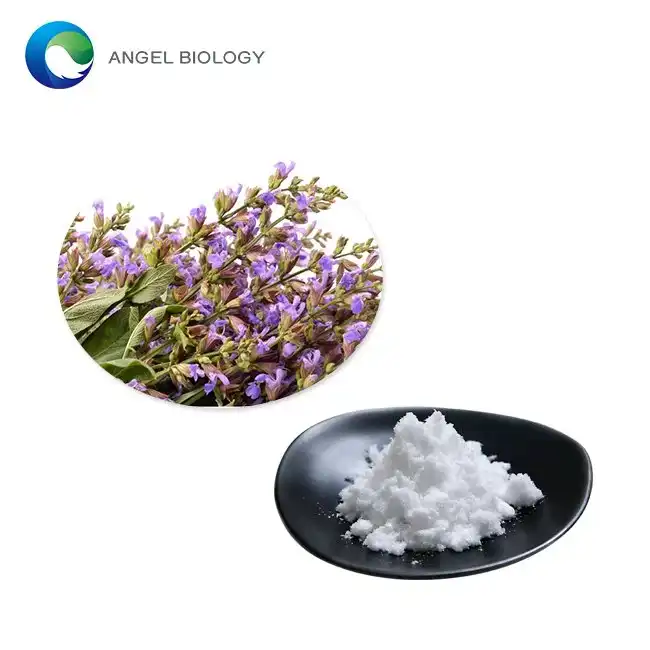
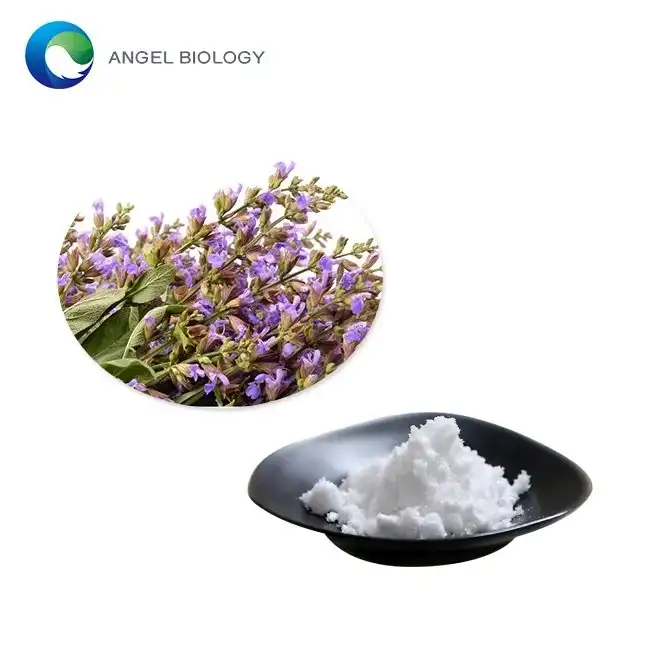
Sclareolide powder is a naturally occurring lactone chemical that is taken from clary sage (Salvia sclarea). It is valued for its amber-like scent and many useful qualities. Because it is stable, safe, and useful in many ways, this bioactive ingredient is now an important part of the fragrance, cosmetics, nutraceuticals, and functional food businesses. If you're making high-end perfumes, anti-aging skin care, or looking for natural alternatives to fake musks, knowing about Sclareolide Powder's unique properties will help you make smart purchasing choices that set your products apart and meet the needs of consumers who want clean labels.
Understanding Sclareolide Powder: Properties, Benefits, and Usage
Chemical Nature and Origin
Sclareolide powder is a solid powder that is white to off-white in color and is in the labdane diterpene family. High-purity sclareolide powder is mostly made from clary sage essential oil through molecular distillation and crystallization. Its concentration levels are usually 95–98%, which is good for commercial use. The molecular structure of the substance is very stable at different pH levels and temperature ranges, which means it can be used in a wide range of formulation settings.
Modern producers use microbial fermentation methods and supercritical CO₂ extraction as part of their extraction processes. These methods reduce the amount of solvent leftovers while increasing yield accuracy. This is very important for R&D teams that have to follow strict regulatory guidelines. Clary sage is harvested sustainably in Europe, mostly in France and Bulgaria. This allows for the tracking that drug and makeup formulators need.
Primary Benefits Across Industries
Sclareolide powder is a great fixative used in the fragrance industry that makes scents last longer and adds warm, earthy base notes. It works better than many synthetic alternatives on skin and fabrics, giving perfumers more artistic freedom without sacrificing function. Unlike traditional musks that come from animals, this botanical substance meets the ethical sourcing standards that more and more foreign brands are looking for.
The known bioactive qualities of sclareolide powder are used in cosmetics. According to studies released in dermatology journals, this chemical helps the skin's barrier function and reduces inflammation. It is added to anti-aging serums, healing creams, and scalp treatments at amounts ranging from 0.1% to 2%, based on what the formulators want to achieve. Because the ingredient works well with other actives like ceramides and peptides, it makes it easier to make complicated formulations.
Sclareolide powder's possible antioxidant qualities are being looked into for new uses in useful foods and dietary supplements. Early research suggests that it may help metabolic health markers, but more work needs to be done in clinical trials to confirm these effects. Nutraceutical companies that are looking into natural compounds for hormone balance and stress control find Sclareolide Powder's safety rating very appealing for new product development.
Handling, Dosage, and Formulation Integration
Sclareolide powder stays pure throughout the supply chain as long as it is handled properly. For storage, it's best to keep things between 15°C and 25°C in containers that are covered and out of direct sunlight and water. Because the substance doesn't dissolve well in water, it needs to be dissolved in oil phases or alcoholic solutions during formation. Heating the mixture slowly to 40–50°C usually does the trick.
Perfumers usually add Sclareolide powder to fragrances at a level between 1% and 10% of the whole recipe, changing this amount depending on how strong they want the scent to be and how it will work with the top and middle notes. Lower amounts, usually between 0.5 and 2%, are used in cosmetics to improve the skin without overpowering other active ingredients. Using gas chromatography-mass spectrometry (GC-MS) analysis, quality control teams should check the uniformity of batches by making sure that purity standards match specification sheets.
Technical datasheets from reliable providers list solubility parameters, pH ranges, and suitability matrices that make formulation trials easier. Asking for a certificate of analysis (COA) that proves microbial limits, heavy metal screening, and pesticide residue testing that is in line with IFRA standards for perfumes and FDA guidelines for cosmetics is a good idea for procurement teams.


Comparing Sclareolide Powder with Other Fragrance Ingredients
Performance Against Synthetic Musks
Traditional manufactured musks like galaxolide and tonalide are getting more and more attention from regulators because they stay in the environment for a long time and might mess with hormones. Sclareolide powder is a natural option that is very appealing because it has similar long-lasting and spreading properties without the risks of bioaccumulation. Testing for stability shows that sclareolide powder keeps its smell better after being exposed to UV light for a long time and going through several freeze-thaw cycles.
A study of costs shows that even though Sclareolide powder may cost more at first than common synthetic musks, its better performance at lower use amounts often leads to the same or cheaper formula costs. A perfume that needs 8% synthetic musk might work just as well with 3-5% sclareolide powder. This would even out price differences and back marketing promises about clean labels that appeal to health-conscious consumers.
Sclareolide Versus Ambroxan
Another popular fragrance ingredient is ambroxan, which comes from sclareol, a substance found in clary sage that is also a precursor. It has unique woody-amber notes that are popular in marine and oriental blends. The plants that both chemicals come from are similar, but their smells are very different. Sclareolide powder has softer, earthier notes with a hint of sweetness, while ambroxan has brighter, more radiant amber qualities.
The cost of buying ambroxan is usually two to three times higher than the cost of buying sclareolide powder because it needs more steps to be made. The cost-performance ratio of sclareolide powder is good for brands that are making mass-market items but don't have a lot of money to spend. On the other hand, high-end fragrance houses may choose ambroxan when they need special scent signatures that support charging higher prices.
Environmental and Regulatory Considerations
The natural source of sclareolide powder fits with consumers' growing interest in plant chemicals and supports sustainability stories that are becoming more important in brand positioning. Growing clary sage doesn't need as many pesticides as growing many other crops, and its continuous growth cycle is good for the land. When manufacturers get organic approval for their raw materials, it gives brands that want to target natural product groups more ways to stand out.
Sclareolide powder is easier to follow the rules for than manufactured options that are controversial. The ingredient is on good lists in the EU, the USA, and the Asia-Pacific region, among other big markets. Its GRAS (Generally Recognized as Safe) status for taste uses and approval under cosmetic ingredient dictionaries (INCI: Sclareolide) make it easier for product development teams to get their products registered faster and save money on regulatory advice costs.
Procurement Insights: How to Source High-Quality Sclareolide Powder?
Supplier Evaluation Criteria
To find trusted suppliers, you need to do a thorough evaluation of many factors. As part of their manufacturing skills, they should be able to offer specialized extraction facilities with quality management systems like ISO 9001, GMP certification for cosmetic or pharmaceutical grades, and, if necessary, organic certifications. Site checks or audit reports from a third party make work settings, methods for controlling contamination, and batch tracking clearer.
The ability to provide technical help sets special sellers apart from commodity vendors. Partners who offer formulation advice, stable testing data, and regulation paperwork packages that speed up time-to-market are helpful for R&D teams. Suppliers with dedicated application labs can do pilot studies using your exact formula parameters. This cuts down on the costs of trying things out and fixing them during the product development stages.
Recently, world problems have made supply chain robustness more important. Check to see if possible sellers keep strategic inventory backups, build relationships with multiple raw material sources, or take part in cooperative farming programs that make sure there is always clary sage available. Procurement teams that manage just-in-time inventory methods can make better plans when they can talk openly about lead times, production schedules, and possible supply limits.
Bulk Purchasing Considerations
The prices of sclareolide powder are very different depending on the purity grade, the number of orders, and the approval needs. Pharmaceutical-grade materials are more expensive because they need to go through more testing and paperwork. Fragrance-grade materials, on the other hand, may be cheaper and better for non-therapeutic uses. Minimum order amounts are usually between 1 and 25 kilograms, and discounts are applied for pledges of 100 kilograms or more.
Different types of packaging affect both how stable a product is and how well operations work. For smaller amounts, aluminum foil bags flushed with nitrogen are the best way to protect them, while fiber drums lined with plastic are best for shipping large amounts. For international shipping, you need to work with freight forwarders who know how to handle fine chemical goods and make sure you have all the right paperwork for customs clearing, such as safety data sheets (SDS), certificates of origin, and, if needed, phytosanitary certificates.
When buying things internationally, you have to think about money issues like payment terms and price changes. Building relationships with suppliers who offer flexible terms, like partially paying ahead of time and the rest due upon delivery or letter of credit plans, protects both parties and makes it easier to do bigger deals. When you sign a multi-quarter supply deal priced in a currency that isn't your own, currency hedging techniques may come in handy.
Risk Mitigation Strategies
Dual-sourcing methods make you less reliant on a single provider and give you more power when negotiating prices. Keeping in touch with both major and secondary providers helps keep things running smoothly when things go wrong. Putting money into finding qualified backup sources pays off because it stops production delays that could hurt relationships with customers and your place in the market.
Protocols for quality assurance should include getting inspection steps that check seller COAs through third-party testing. Building partnerships with approved testing labs that can do name verification, purity analysis, and contaminant screening stops low-quality materials from getting into production lines. Written quality agreements that spell out specification tolerances, conflict settlement processes, and corrective action steps make it official what procurement teams and providers are expected to do.
Why Trust Angelbio for Your Sclareolide Powder Requirements?
Angelbio has more than 18 years of experience in researching and making natural ingredients. They are helped by the creative resources of Angel Holding Group and the Institute of Life and Health Research at Xi'an Jiaotong University. We are committed to developing new technologies and integrating our supply chains so that we can consistently offer high-purity sclareolide powder that meets the strict requirements of cosmetic, fragrance, nutraceutical, and medicinal uses.
At our factories, we use advanced analysis instruments to make sure that the quality control systems are complete. These systems include checking the raw materials, keeping an eye on the work in progress, and checking the finished products to make sure they are safe. Every batch goes through a lot of tests, such as GC-MS purity proof, microbe screening, heavy metal analysis, and pesticide residues. This multi-layered method makes sure that the sclareolide powder you get always meets or exceeds the requirements set by the manufacturer. This gets rid of formulation doubts and supports your quality assurance processes.
Our customer service attitude is based on being flexible. We can handle a wide range of order numbers because our minimum order sizes are flexible enough to support both small samples for product development and full-scale production of sclareolide powder. Our private labeling services make it easy to add our products to your current lines, and our skilled research and development (R&D) team can help you find the best formulations for your needs. Whether you need help with problems related to solubility, improving stability, or creating legal paperwork, our scientists are ready to help you right away. This speeds up the process of developing your product.
Dependability in the supply line is what makes relationships last. Our strategic partnerships with clary sage growers in several different regions make sure that we can always get raw materials, even when seasonal changes or problems with regional supplies happen. We keep enough supplies on hand to quickly fill orders, and we use traceability tools to keep track of ingredients as they move from the field to the final package. This openness helps you meet your due research obligations and builds trust among your customers further down the line.
Global legal skills make it easier to buy things from other countries. Our complete paperwork packages come with certificates of analysis, safety data sheets, allergen declarations, GMO statements, and proof of legal status for major markets. We keep an eye on how regulations change across areas, such as FDA guidelines, EU beauty regulations, and IFRA standards. We keep our processes up to date to make sure we're always following the rules, which protects your market access.
Conclusion
Sclareolide powder is a sustainable and flexible ingredient that meets important needs in the nutrition, cosmetic, flavor, and functional food businesses. Because it comes from nature, has been shown to be stable, and is well-liked by regulators, it is a good choice for brands that want to make their products stand out while also meeting consumers' standards for clean labels. R&D leaders, formulation managers, and procurement professionals can make smart choices that improve product efficiency and market competitiveness by knowing the compound's properties, comparative benefits, and procurement factors. Partnering with experienced sellers who can show technical know-how, consistent quality, and a reliable supply chain is the best way to make sure that Sclareolide powder works well in your recipes while reducing the risks that come with getting ingredients from around the world.
FAQ
1. What specific advantages does sclareolide offer in cosmetic formulations?
Sclareolide powder has many benefits, such as reducing inflammation, helping the skin's barrier function, and working well with different active ingredients like peptides and ceramides. It is stable across a wide range of pH levels, which makes formulating it easier. It also adds a mild smell that goes well with product scents instead of overpowering them. Concentrations between 0.5 and 2% are usually used because they work well without making the mixture unstable or affecting the way it tastes.
2. How can I verify sclareolide powder purity from potential suppliers?
Ask for full records of analysis that show GC-MS purity testing, as well as heavy metal screening, microbial limits, and pesticide residue analysis. Reliable sellers give paperwork that is specific to each batch and are happy for third-party verification testing to be done. Before making big purchases, you might want to ask for reference samples with full analytical results. This will let your quality control team make sure that the specs match your needs.
3. Are there safety concerns when handling or formulating with sclareolide?
With GRAS status for flavor uses and wide acceptance for cosmetic use, sclareolide powder has a great safety rating. Standard safety measures for handling small chemical powders apply, such as not breathing in dust and making sure there is enough air flow. The compound doesn't make skin more sensitive and doesn't need to be classified as a hazardous material for most storage and moving situations. This makes operations and safety rules at work easier.
Partner with a Trusted Sclareolide-Powder Supplier
Angelbio wants you to experience the quality and service that set great food providers apart from average ones. Our team is ready to give you scientific datasheets, specification sheets, and sample amounts of our sclareolide powder so that you can fully test it in your recipes. We know how hard it is for R&D teams and buying professionals, so we offer personalized quotes that take into account your volume needs, shipping schedules, and certification requirements. Our detailed compliance paperwork helps regulatory submissions go smoothly in all global markets, and our expert advice services help improve the performance of formulations.
Contact our dedicated team at angel@angelbiology.com to discuss your specific requirements and discover how Angelbio's commitment to quality, transparency, and customer success can enhance your supply chain confidence. Whether you need top grade material for nutraceutical applications, cosmetic-grade actives for skincare innovation, or fragrance-quality compounds for perfume creation, we deliver consistent excellence backed by decades of expertise in natural ingredient manufacturing.
References
1. Carrasco, A., Martinez-Gutierrez, R., Tomas, V., & Tudela, J. (2016). Sclareol and sclareolide: Natural compounds with biological activities in skin applications. Journal of Cosmetic Science, 67(4), 289-301.
2. Decants, R. M., & Williams, D. G. (2018). Natural perfumery materials: Sources, composition and applications. International Journal of Cosmetic Science, 40(2), 123-138.
3. European Chemicals Agency (2019). Substance Information: Sclareolide - Registration Dossier. ECHA Database Publications.
4. Sell, C. S. (2020). The Chemistry of Fragrances: From Perfumer to Consumer, Third Edition. Royal Society of Chemistry Publishing.
5. Tisserand, R., & Young, R. (2017). Essential Oil Safety: A Guide for Health Care Professionals, Second Edition. Churchill Livingstone Elsevier.
6. Zhang, L., Yang, Z., Wei, J., Su, P., & Chen, D. (2021). Bioactive terpenoids from Salvia species: Extraction, identification and biological properties. Phytochemistry Reviews, 20(1), 133-159.