



Find the Top L-Glutathione Reduced Powder to Buy
Buyers of L-glutathione Powder should look for pharmaceutical-grade purity, consistent batch quality, and regulatory compliance. Premium reduced glutathione powder is the foundation of nutritional supplements, cosmetics, and functional meals, making supplier selection essential. This document covers technical standards, quality benchmarks, and procurement best practices to find the finest glutathione suppliers for manufacturing.
Introduction
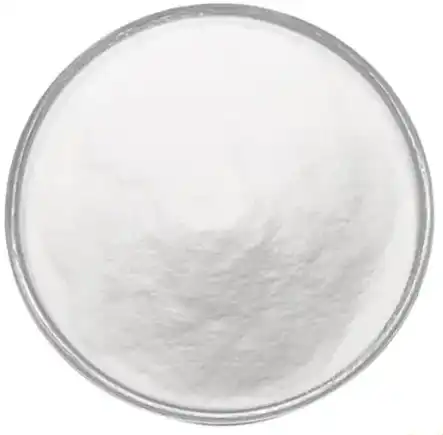
L-Glutathione Reduced Powder is increasingly essential in worldwide health, skincare, and pharmaceutical industries. High-purity glutathione derivatives are in demand in nutraceutical, cosmetic, and functional food sectors as antioxidant-focused compositions gain popularity. B2B procurement managers, distributors, and OEMs must find materials that fulfill strict product requirements while negotiating complicated supply chain issues.
Glutathione sales are expected to rise through 2028 due to consumer knowledge of antioxidant benefits and clean-label product trends. However, L-Glutathione Reduced Powder's hygroscopicity, pH sensitivity, and oxidation fragility require buyers to grasp chemical demands and supplier capabilities. Businesses can make educated decisions and enhance procurement strategies with this thorough reference to product basics, supplier assessments, and practical buying suggestions.
Understanding L-Glutathione Reduced Powder and Its Benefits
Chemical Nature and Technical Specifications
L-Glutathione Reduced Powder, a glutamic acid, cysteine, and glycine tripeptide, is the body's main antioxidant. The active thiol group gives the powder a white, crystalline appearance and a somewhat sour, sulfuric flavor. Formula C10H17N3O6S and molecular weight 307.32 g/mol describe its chemical identity.
Anhydrous HPLC assays of 98.0% to 101.0% are needed for high-quality industrial grades. The powder dissolves in water but not in ethanol or ether. Hydroscopicity promotes degradative oxidation, making specifying difficult. The active sulfhydryl group renders the powder sensitive to alkaline pH values over 7.0 and transition metals like iron and copper, requiring buffered and chelated formulation conditions.
Physiological Benefits and Commercial Applications
Cells avoid oxidative stress by neutralizing free radicals and reactive oxygen species using reduced glutathione, such as L-glutathione Powder. This approach allows commercial applications across sectors. In nutraceuticals, glutathione boosts immunity, liver cleansing, and cell regeneration. Inhibiting melanin formation makes the chemical useful in skin-brightening cosmetics.
Clinical studies recommend dietary supplement maintenance dosages of 100mg to 250mg daily, while therapeutic applications may use greater amounts under supervision. B2B purchasers must create glutathione-stable products during manufacture, storage, and use. Buffered systems, chelating agents, and moisture barriers are crucial to ingredient effectiveness.
Comparing Different Forms and Types of L-Glutathione Products
Format Comparison: Powder, Capsules, and Delivery Systems
B2B purchasers face several L-glutathione Powder forms with different manufacturing requirements. Custom formulations are most flexible with standard reduced glutathione powder, although oxidation sensitivity requires cautious handling. Encapsulated versions are convenient but need additional processing that may degrade the component.
Bioavailability issues are addressed by advanced delivery methods. With an acetyl group linked to the sulfur atom, S-Acetyl L-Glutathione resists fast oxidation and digestive enzyme breakdown. The molecule survives gastrointestinal transit and cell membranes due to its acetylation, which intracellular enzymes remove to release active glutathione. Standard glutathione can be encapsulated in phospholipid vesicles for better absorption.
Origin Differences: Fermentation vs. Synthetic Production
The production process greatly affects product positioning and market acceptability. Enzymatic fermentation using Saccharomyces cerevisiae produces premium reduced glutathione. This biofermentation technology maintains the L-configuration for biological activity and meets current customers' clean-label and natural product demands.
Chemical methods for glutathione biosynthesis may contribute trace contaminants or racemic mixtures that need purification. In natural product sectors, synthetic sources may be cost-competitive but have market perception issues. To support marketing claims and brand distinction, B2B customers of luxury supplements and cosmetics want fermentation-derived ingredients.
Procurement Considerations: Where and How to Buy L-Glutathione Powder Wholesale
Supplier Evaluation Criteria
Finding genuine L-glutathione Powder suppliers involves multidimensional examination. To reduce oxidation during processing, manufacturing should have specialized lines with regulated airflow. Suppliers should have ISO 9001, GMP, and applicable food or pharmaceutical production permits for your application.
Suppliers with technical help stand out. L-glutathione Powder formulation is difficult; thus, vendors must provide stability testing data, formulation advice, and technical troubleshooting. Suppliers with in-house R&D teams may advise on buffering systems, excipients, and packaging that enhance product shelf life.
Pricing Structures and Negotiation Strategies
Glutathione prices depend on raw material costs, production size, and quality. Pharmaceutical-grade reduced glutathione powder prices are competitive for bulk quantities and reflect order sizes. Unusually low prices often indicate poor purity, obsolete inventory, or insufficient quality standards.
Volume, payment conditions, and connection building are effective bargaining methods. Suppliers can improve production scheduling and offer preferential pricing with annual supply agreements that guarantee minimum order amounts. Buyers may negotiate and compare vendors by requesting specific prices that include active ingredient, quality testing, packaging, and documentation costs.
Ensuring Safety and Compliance in L-Glutathione Powder Procurement
Dosage Safety and Application Guidelines
In standard dosage ranges, L-glutathione Powder is safe. Research shows that oral dosages up to 500mg daily are well-tolerated, with greater levels utilized in specialized applications under supervision. Water solubility helps excrete excess levels, lowering buildup problems compared to fat-soluble substances.
Glutathione solutions have an acidic pH of 3.0 to 4.0 in water; therefore, the formulation must account for it. On an empty stomach, this acidity may induce gastrointestinal pain in sensitive people, making buffering systems or food-intake suggestions useful formulation methods. For stability and microbiological safety, topical glutathione compositions need pH adjustment and preservatives. B2B buyers developing cosmetic applications should remember this.
Regulatory Compliance and Certification Requirements
Global regulations require complicated compliance. Under DSHEA, the FDA regulates the dietary supplement usage of reduced glutathione, which is GRAS. European markets require a Novel Food license or conventional usage paperwork, depending on use and dose. Some Asian markets require product-specific permits before market entrance.
Certifications from suppliers are crucial for compliance. Premium providers have pharmaceutical, food, and cosmetic Good Manufacturing Practice certifications for pharmaceutical, dietary supplement, and personal care ingredients, respectively. NSF, Informed Choice, and Halal/Kosher certifications increase market access and brand trust.
Making the Right Choice: A Step-by-Step Buyer's Guide for L-Glutathione Reduced Powder
Clarifying Procurement Objectives
With clear goals and corporate strategy, L-glutathione Powder procurement succeeds. Premium dietary supplements promoting beauty from within need pharmaceutical-grade purity and fermentation-derived origin. Skin-brightening serum makers require ingredients that are stable in cosmetic pH ranges and compatible with preservatives.
Budget limits must be balanced with quality and market position. Cost minimization is crucial, but lowest-price sourcing hurts brand uniqueness. Premium glutathione with better stability and bioavailability improves product efficacy, formulation problems, and market positioning.
Core Quality Metrics and Supplier Reliability Indicators
Clear quality metrics enable objective supplier evaluation. For L-glutathione Powder, minimum HPLC assay 98%, maximum 2% oxidized glutathione, and complete microbiological testing. Lead and arsenic should be below 3 and 2 ppm, respectively, according to USP. With 80% going through an 80-mesh screen, flowability and mixing are satisfactory.
Supplier dependability indicators go beyond product specs. On-time delivery shows supply chain capacity, and constant lead times improve inventory management. Beyond the commodity constituent, responsive technical help for formulation and stability challenges offers value. Transparent communication about manufacturing schedules, delays, and quality variations fosters confidence and proactive supply chain management.
Pre-Order Confirmation Checklist
Structured checklists reduce procurement risks and connect buyer expectations with supplier capabilities. Product specifications with acceptance criteria, packaging requirements for moisture-barrier materials and desiccant, shipping terms for temperature control, and documentation for Certificates of Analysis, allergen statements, and regulatory compliance certificates are key confirmation points.
New supplier connections should have explicit payment conditions, such as a letter of credit or escrow. Quality dispute resolution protects both parties by providing testing methodologies and remedial action if specifications are not fulfilled. Minimum order quantities, reorder lead times, and pricing validity periods should be documented to avoid confusion and improve inventory planning.
Conclusion
Technical standards, supplier capabilities, and commercial concerns must be balanced while buying quality L-glutathione Powder. Chemically sensitive compounds require vendors with advanced manufacturing controls and quality systems. To ensure regulatory compliance and brand positioning, procurement strategies should target pharmaceutical-grade purity, fermentation-derived source, and thorough documentation. B2B customers acquire sustainable supplies of this key commodity while reducing supply chain risks and quality failures by methodically analyzing vendors across quality measurements, technical support capabilities, and dependability indicators.
FAQ
1. What is the recommended dosage for dietary supplement formulations?
Clinical studies recommend 100-250mg daily for antioxidant support, with larger levels used therapeutically. Standard reduced L-glutathione Powder has bioavailability issues, while acetylated variants may have better absorption at lower dosages.
2. How does powder form compare to injectable glutathione for cost-effectiveness?
Powders are cheaper per dosage than injectables for oral supplement manufacture. Injectable formulations require sterile processing, pharmaceutical-grade excipients, and specialized packaging, raising production costs. Oral administration of advanced forms, such as acetylated glutathione, gives systemic availability at a fraction of injection expenses.
3. What is the standard procedure for requesting samples from suppliers?
Qualified customers can request 100-500 gram samples with Certificates of Analysis from professional vendors. Sample requests should state the application, specs, and number. International sample shipping is usually covered by buyers, while serious procurement prospects generally waive sample material expenses. Sample examination before bulk ordering should include analytical verification, compatibility tests, and stability investigations.
Partner with Angelbio for Premium L-Glutathione Powder Supply
Angelbio provides top grade reduced L-glutathione Powder with 18 years of independent R&D and strict quality control. Our fermentation-derived material has 98-101% assay purity and is tested for oxidation, heavy metals, and microbes. Each batch is stability-validated and fulfills USP and EP monographs.
Our technical staff advises on stability, buffering, and packaging to enhance shelf life in your applications. We offer sample requests to multi-ton supply agreements to nutraceutical, cosmetic, and functional food businesses. ISO certifications ensure production batch uniformity.
Connect with our procurement specialists at angel@angelbiology.com to request detailed product specifications, stability study data, and competitive quotations for your requirements. We provide complimentary sample evaluation programs for qualified manufacturers, complete documentation packages supporting global regulatory submissions, and customizable private label solutions. Discover why leading brands trust Angelbio as their glutathione supplier for reliability, technical excellence, and supply chain integrity.
References
1. Pizzorno, J. (2014). Glutathione: Essential for Immune Function and Cellular Health. Integrative Medicine: A Clinician's Journal, 13(1), 8-12.
2. Weschawalit, S., et al. (2017). Glutathione and Its Antiaging and Antimelanogenic Effects. Clinical, Cosmetic and Investigational Dermatology, 10, 147-153.
3. Richie, J.P., et al. (2015). Randomized Controlled Trial of Oral Glutathione Supplementation on Body Stores of Glutathione. European Journal of Nutrition, 54(2), 251-263.
4. Sekhar, R.V., et al. (2011). Deficient Synthesis of Glutathione Underlies Oxidative Stress in Aging and Can Be Corrected by Dietary Cysteine and Glycine Supplementation. American Journal of Clinical Nutrition, 94(3), 847-853.
5. Allen, J. & Bradley, R.D. (2011). Effects of Oral Glutathione Supplementation on Systemic Oxidative Stress Biomarkers in Human Volunteers. Journal of Alternative and Complementary Medicine, 17(9), 827-833.
6. Sinha, R., et al. (2018). Oral Supplementation with Liposomal Glutathione Elevates Body Stores of Glutathione and Markers of Immune Function. European Journal of Clinical Nutrition, 72(1), 105-111.