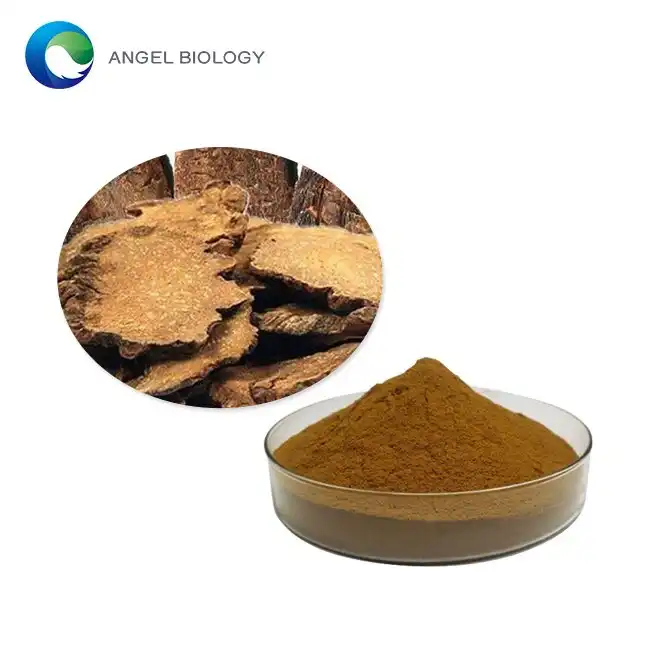




Folium Apocyni Veneti Extract Powder: What Should Buyers Check?
Before approving folium apocyni veneti extract powder, buyers should look at five things: the botanical identity, marker-compound standardization, extraction and solubility performance, safety and compliance documents, and the supplier's ability to do the job. A Certificate of Analysis (COA) for each batch and a written specification should be used for each check, not just the name of the product. Make sure the material comes from Apocynum venetum leaves, check the result of the test against the ratio said to be used for extraction, and use your own formula to test a sample. You can fairly compare suppliers and approve a powder that works the same way from lot to lot when these checks come back the same.
Check Identity, Actives, and Processing First
Confirm the Botanical Identity and Raw Material Definition
When you start with the plant. It is recommended that the material be derived from the leaves of Apocynum venetum, and not from any other species of Apocynum or any other plant that is not related within the genus. Request documentation that demonstrates the plants are genuine, details about the locations where they were grown and processed, lot numbers, and records that demonstrate how they can be traced back to their origins. In order to eliminate the possibility of species mixing, thin-layer chromatography (TLC) is utilized in conjunction with a botanical reference standard. A monograph is included in the Pharmacopeia of the People's Republic of China, which is located on the leaf. Consequently, purchasers now have a public means of identifying the leaf.
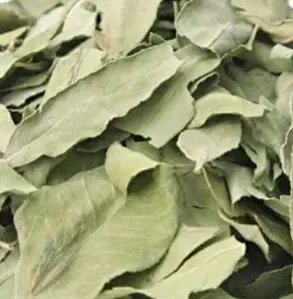
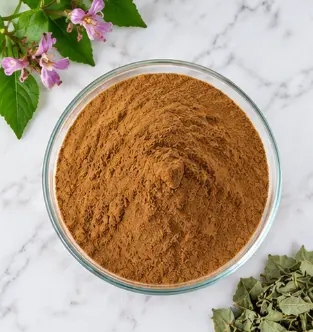
Additionally, compare the formats. When compared to leaf powder, which contains all of the plant fiber, extract powder is more effective in terms of concentration. The ratio of extraction, the amount of carrier content, and the source region all contribute to the formation of the specification. A written record of the botanical name, plant part, product form, and documentation requirements ought to be included on each and every purchase order. It is possible to avoid disagreements after the shipment has arrived by establishing clear definitions at the beginning of the process.
Evaluate Active Compounds and Standardization
This kind of story doesn't tell you what's in the bag. It is important to get the supplier to name the marker compounds and the test method. Some flavonoids that make up luobuma leaf extract are hyperoside, isoquercitrin, and quercetin. The company that sells the test should say if it checks for a single marker, total flavonoids, a compound profile, or a digital fingerprint.
For the most part, our extract is examined for total flavonoids using the UV method at concentrations ranging from 3.0% to 10.0%, or for hyperoside using HPLC at concentrations greater than 0.3%. You can experiment with any extraction ratio, such as 10:1, and then examine the actual results of the assay. It is only a statement of the amount of raw material that was used; it does not specify how much potency was extracted from a ratio. Customers who purchase capsules, tablets, and private-label products can obtain batches that are more consistent if they use a method that is both open and repeatable.
Check Extraction Method, Solubility, and Formulation Performance
It is the process that determines performance. Check with the provider to determine whether the oil was extracted using water, hydroethanolic, or some other method before purchasing it. Obtain information regarding the type of drying technology that was utilized, as well as whether or not any flow agents or carriers were present. It is necessary to conduct tests in order to make assertions regarding the solubility of a substance. These conditions include the temperature, concentration, mixing time, appearance, and sedimentation of the water.
Most of the time, beverage projects need our spray-dried or microencapsulated water-soluble grade of folium apocyni veneti extract powder because the standard grades are only partially soluble. When it comes to capsules and tablets, flowability, bulk density, moisture, and compressibility are more important. Our powder is between 0.45 and 0.65 g/ml in bulk and between 0.60 and 0.85 g/ml when tapped. It also goes through an 80-mesh sieve 95% of the time. Do a pilot test first before committing to a lot of people.
Review Safety, Documents, and Supplier Capability
Establish Safety, Quality, and Compliance Requirements
First, decide if the ingredient is for a food, a supplement, an herbal product, or something else that needs to be regulated. Then make sure you know what your target market needs. Manufacturers of dietary supplements in the US must follow the rules set out in FDA 21 CFR Part 111, which are called "current good manufacturing practice." Find out about allergens, toxicity, and safety.
Heavy metals, pesticides, microbiology, mycotoxins, residual solvents, foreign matter, and adulterants should all be checked for on a consistent basis during the testing process. In addition, regional checks, such as checks for ethylene oxide when they are required, should be carried out. Using ICP-MS, we look for amounts of heavy metals such as lead, cadmium, arsenic, and mercury that are lower than 3.0, 1.0, and 0.1 parts per million. We also make use of gas chromatography-high-performance liquid chromatography (GC-HS) to detect ethanol and methanol within the limits of USP <467>. Remains of pesticides are below the thresholds set by the USP and EP. It is important to inquire about the GMP, HACCP, cleaning controls, change management, and complaint handling procedures of the suppliers. Both the dosage and the claims should be reviewed by a qualified professional.
Use the COA and Product Specification as Procurement Filters
The COA and specification sheet give you a way to compare suppliers based on facts. A useful COA lists the name of the product, the botanical source, the part of the plant that was used, the batch number, the dates, how it looks, the results of any identity tests, assays, or markers, the amount of moisture, the size of the particles, microbiology, heavy metals, pesticides, and solvents that are still present. Make sure it's specific to the batch and the material that was quoted, not a general template.
The steps that follow should be read. It is recommended that the test be carried out by a qualified laboratory, that it utilize either UV-VIS or HPLC, and that it have a stated testing basis. In order to fulfill our microbiology requirements, the total plate count must be lower than 1,000 colony-forming units per gram, and Salmonella and E. coli must not be present. It is important to request statements regarding the SDS, allergen, origin, certification, stability, and manufacturing characteristics. After receiving the goods, you should use the COA once more to check that each individual lot satisfies the requirements.
Compare Supplier Quality Grades and Commercial Capability
It's not very useful to use words like "premium" or "professional grade" without numbers to back them up. Check out the real needs of your project against materials that are food-grade, supplement-grade, standardized, organically certified, for research, or made to order. Do not just look at the sample. Ask about the consistency of each batch, the annual capacity, the availability of raw materials, lead times, quality-release steps, experience with exporting, and how to let people know about changes.
Distributors may have more local stock and faster delivery, while manufacturers usually have better process control and can make changes to the product. Choose the partner who gives you clear data, technical help, a steady supply, and answers quickly. Angelbio has been doing research and testing on their own for more than 18 years and focuses on integrating supply chains, which makes this kind of comparison possible.
Match the Powder to Your Product and Compare Options
Match the Extract Powder to the Intended Product Application
Which specification is right depends on what the end product will be. Pay attention to the dose volume, flowability, smell, color, and compatibility of the excipients in dietary supplements. Herbal teas need to be mixed with hot water in a way that tastes good and has little to no sediment. Functional drinks need to be able to dissolve, be clear, be able to handle different pH levels, be stable at high and low temperatures, and work with acids, flavors, sweeteners, minerals, and preservatives. For short periods of time, our extract can handle heat up to 80°C.
Check particle size, flow, compression, and granulation for capsules and tablets. Packaging matters too. Powder is easily damaged by oxygen and moisture, so store it in a cool, dry place, out of the light, and track lot numbers. Drug-grade polyethylene bags in double-sealed fiber drums last 24 months.
Compare Common Procurement Options Before Making a Decision
Extract powder has a higher concentration and is designed to be more effective for dosing, whereas leaf powder may be effective for products that have not been modified. Leaf powder may be effective for other products. Extracts of Apocynum venetum and green tea are two different things, and it is essential to differentiate between them in order to avoid confusion. A number of factors, including botanical identity, markers, sensory profile, rules, and market positioning, can be found to be significant in determining differences. When making your choice, you should take into consideration the many different kinds of certifications, the availability of products, the price, and the consistency of sales when making your choice. In addition to reading the label, it is essential to carry out tests in real life, especially when it comes to extracts that are water-soluble and standard. However, in addition to the price per kilogram, there are other factors to take into consideration. It is necessary to include testing, rejecting batches, rework, delays, and formulation losses in order to arrive at an accurate estimate of the total cost. This is necessary in order to calculate the total cost. Rather than purchasing a low-cost lot that does not work on your line, it is possible that you will save more money by obtaining a quote that is slightly higher and has clear specifications. This is because you will be able to differentiate between the two.
Angelbio Folium Apocyni Veneti Extract Powder Specifications
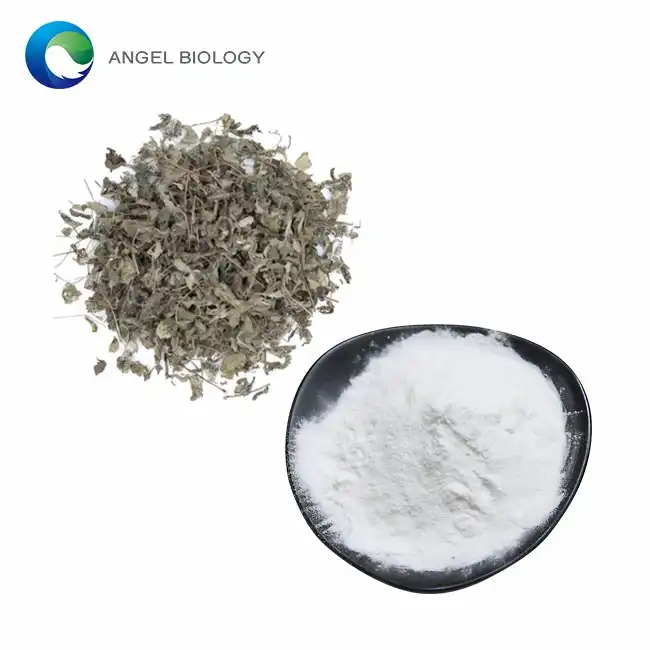
The dried leaves of Apocynum venetum L. are used to make Angelbio's folium apocyni veneti extract powder. It looks like a fine, brown-yellow to brownish-green powder and smells like herbs. To standardize, total flavonoids by UV method should be between 3.0% and 10.0%, or hyperoside should be above 0.3% by HPLC. An 80-mesh sieve lets 95% of the powder through, which helps with mixing in solid dose manufacturing. The way it absorbs water is better controlled than with raw powders, and the range of densities it has is good for filling capsules. Our water-soluble grade that is spray-dried or microencapsulated is good for clear beverage projects.
Follow a Clear Buying Process and Final Checklist
Follow a Step-by-Step Buying and Supplier Qualification Process
Maintaining the trajectory of projects and ensuring that they remain on track is made much simpler when the projects are predetermined. To begin, it is necessary to determine the botanical identity, the plant part, the extraction ratio or standardization target, the application, the market destination, the certifications, the packaging, the annual volume, and the delivery regimen. Additionally, it is necessary to determine the application. In addition to this, it is essential to ascertain the application. After you have narrowed down your list of potential suppliers, the next step is to inquire about representative samples, batch certificates of analysis, specifications, safety documents, and manufacturing certifications from the suppliers you have limited your list to.
Third, test the identity, markers, moisture, solubility, sensory properties, and formulation performance in your own lab and with a pilot batch. Fourth, if needed, do an audit online or in person to make sure the production capacity is correct. The last step is to include details like requirements, acceptance criteria, lead times, packaging, change control, and procedures for not meeting standards in the agreement.
Buyer's Final Checklist for Folium Apocyni Veneti Extract Powder
Before you agree to buy something, use this list as a decision gate. It has three reviews in it.
- Technical review: Confirm botanical identity, plant part, extraction ratio, marker compounds, standardization method, solubility, carrier content, moisture, particle size, and application suitability. Compare the assay result with the claimed ratio, and check that the analytical method is transparent and repeatable. Pilot results in your own formula should match the sample you approved.
- Quality review: Verify a batch-specific COA, identity testing, microbiology results, heavy metals, pesticides, residual solvents, certifications, and destination-market requirements. Match every number on the COA to the written specification and to the lot you receive, and keep the file ready for customer or regulatory audits. Ask how the supplier releases each lot for shipment.
- Commercial review: Cover sample approval, MOQ, pricing, payment terms, lead time, capacity, packaging, shelf life, OEM options, change control, and complaint handling. Put every agreed term in writing, so each later lot follows the same standard and any change reaches you before it reaches your production line. Ask for a named contact who handles technical questions.
With these three reviews, you can quickly and easily make a choice between three suppliers.
How Angelbio Can Support Apocynum Venetum Extract Procurement
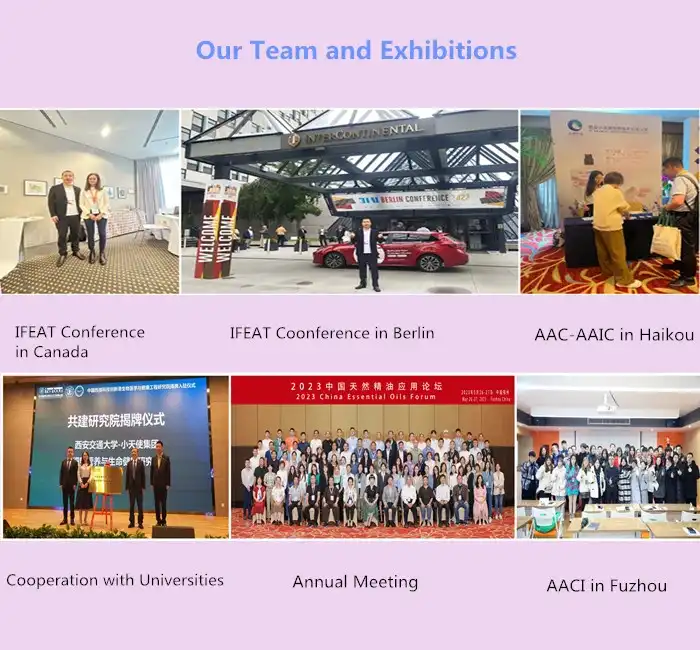
Angel Holding Group and the Institute of Life and Health Research at Xi'an Jiaotong University both put money into Angelbio. We have done our own research and testing for more than 18 years. We work with people who buy supplements, food, cosmetics, medicines, and flavors and scents.
Our Apocynum venetum leaf extract powder buyers can ask about extraction ratio, marker testing, solubility, carrier information, and uses. Discuss batch-specific COA review, samples, bulk quotes, MOQ, packaging, and export documents. We can discuss herbal teas, functional drinks, capsules, tablets, and special needs for OEM and private-label projects. Always consistent batches, good technical communication, and fast after-sales service are our priorities.
Conclusion: Choose the Extract Based on Evidence, Not Marketing Language
The selection of a folium apocyni veneti extract powder that can be relied upon is not carried out on the basis of price or marketing language; rather, it is carried out on the basis of solid evidence. After the origin of the leaf and plant part has been established, the subsequent step in the process of purchasing Apocynum venetum is to compare the marker compounds and standardization method to the results of the article's assay. This is done in order to ensure that the items are of the highest quality. Pilot testing is necessary because the manner in which the powder is extracted, dried, dissolved, and densified has an effect on how it behaves when it is incorporated into capsules, tablets, teas, and beverages. This is why pilot testing is so important. The ability to compare suppliers in an objective manner is made possible by the presence of safety documents, contaminant limits, and certificates of analysis that are batch-specific. A number of factors, including capacity, packaging, lead time, and change control, are responsible for determining the consistency of the supply. If you compare leaf powder, standard extract, and water-soluble grades according to application, and if you keep track of testing, rework, and delays, it is more accurate to look at the total cost rather than just the price per kilogram. This is because the total cost takes into account all of these other factors.
FAQ
1. What is the difference between a ratio extract and a standardized extract?
A ratio extract, like 10:1, tells you how much raw material was used to make the extract. A standard extract, like one set at a flavonoid percentage, makes sure that the level of a marker is measured.
2. Is the powder water-soluble for beverages?
Standard grades dissolve in water to some extent. We have a spray-dried or microencapsulated water-soluble grade for ready-to-drink products that is meant to keep the drink clear and reduce the amount of precipitation.
3. Can it handle tablet compression?
It can be compressed to a moderate degree. For high-speed pressing, I recommend a granulated form or enough binder, like MCC, to keep the caps from coming off.
4. How do you control PAHs?
We keep an eye on the drying process, stay away from direct smoke, and test each batch. PAH4 below 50 ppb and benzo(a)pyrene below 10 ppb are the goals.
Request a Folium Apocyni Veneti Extract Powder Specification
Angelbio is open to serious buyers who want a clear technical review. Send your application, the amount of flavonoids or hyperosides you want to use, the country where the goods will be shipped, and the type of packaging you need to angel@angelbiology.com. As a supplier of folium apocyni veneti extract powder with more than 18 years of research and testing experience, we can give you information about samples, specifications, and the COA for each batch.
References
1. Journal of Ethnopharmacology, 2012. "Botany, traditional uses, phytochemistry and pharmacology of Apocynum venetum L. (Luobuma): A review."
2. Pharmacopoeia of the People's Republic of China, 2020. Monograph for Apocyni Veneti Folium.
3. U.S. Food and Drug Administration, 2007. Current Good Manufacturing Practice for Dietary Supplements (21 CFR Part 111).
4. International Council for Harmonisation, 2021. ICH Q3C(R8) Guideline for Residual Solvents.
5. International Council for Harmonisation, 2022. ICH Q3D(R2) Guideline for Elemental Impurities.
6. World Health Organization, 2003. WHO Guidelines on Good Agricultural and Collection Practices (GACP) for Medicinal Plants.