



Formulating Mulberry Leaf Extract into Functional Teas and Beverages
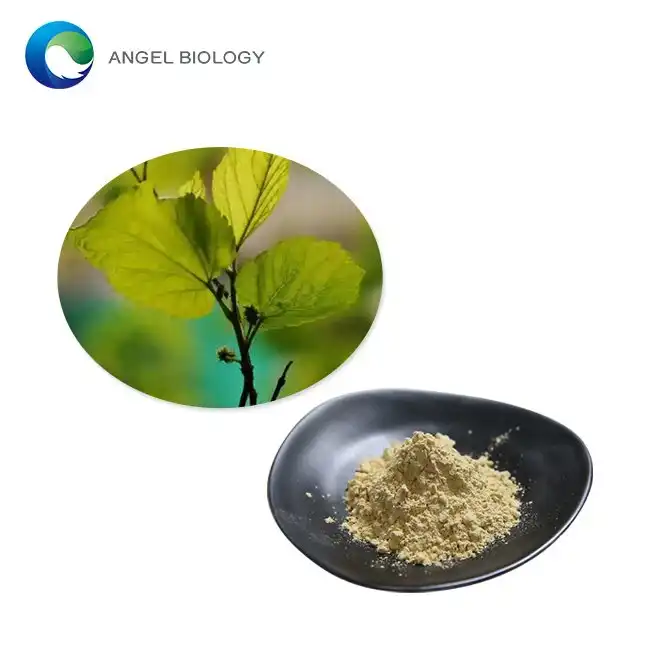
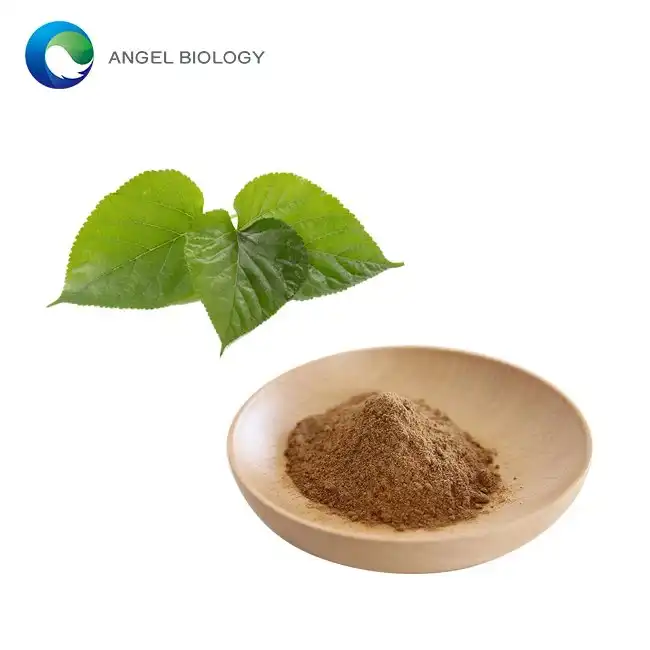
Formulating mulberry leaf extract into functional teas and beverages represents a compelling opportunity for brands seeking clean-label wellness and functional beverage solutions. Mulberry Leaf Extract Powder, standardized for its 1-Deoxynojirimycin (1-DNJ) content alongside flavonoids and polyphenols, provides a botanical ingredient with documented alpha-glucosidase-inhibitory activity that is of interest for carbohydrate-focused product concepts. Unlike synthetic compounds, this botanical extract offers a recognizable plant-based ingredient compatible with diverse beverage matrices—from ready-to-drink teas to meal replacement formulations—while allowing brands to develop products around standardized specifications and market-specific regulatory requirements.
Understanding Mulberry Leaf Extract Powder and Its Functional Benefits
Bioactive Profile and Standardization
As a result of its diverse phytochemical composition, mulberry leaf extract stands out as a versatile functional ingredient. Spray drying is commonly used to convert concentrated extracts containing 1-DNJ, rutin, quercetin, and polysaccharides into convenient powdered formats, with standardized active-marker levels depending on the production process and specification. This is accomplished by extracting the components using water or hydro-ethanolic solvents and then spray-drying them. When it comes to discrepancies between batches, standardization provides a practical solution to an issue that has concerned botanical ingredient suppliers for a considerable time. Because raw mulberry leaves from different agricultural sources do not always contain identical levels of target compounds, they may be less suitable for applications requiring consistent specifications. Standardized extraction helps achieve reproducible marker levels, which is important for formulation consistency, quality control, and substantiating appropriate product claims.
When it comes to carbohydrate-focused beverage applications, 1-DNJ has been studied for its ability to inhibit alpha-glucosidase activity in laboratory and digestive-model systems. This mechanism may influence the rate at which carbohydrates are broken down during digestion. Although this mechanism has similarities to the target of certain pharmaceutical compounds, mulberry leaf extract should not be positioned as a pharmaceutical substitute or as a treatment for metabolic disorders. Extraction can also concentrate selected phytochemicals compared with the original leaf material, but the actual composition and availability of individual compounds depend on extraction conditions, standardization, and the finished formulation.


Health Benefits for Product Positioning
Product development is often influenced by the functional properties associated with botanical ingredients. Because flavonoids and polyphenols demonstrate antioxidant activity in experimental systems, mulberry leaf extract can be positioned as a botanical source of antioxidant compounds that support functional beverage concepts. These constituents, together with 1-DNJ and other naturally occurring components, contribute to the ingredient's broader phytochemical profile. Research has investigated mulberry leaf constituents in relation to carbohydrate-digestion pathways, but these findings should not be presented as proof that regular consumption maintains or treats abnormal blood glucose levels. Responsible product positioning should therefore focus on the ingredient's standardized composition, intended food use, and claims permitted in the target market.
The tyrosinase-inhibiting activity of certain mulberry leaf constituents has also been investigated in experimental models relevant to skin appearance. However, these findings do not establish that mulberry leaf extract can treat acne or other skin disorders. This broader research profile may nevertheless create opportunities for brands developing multifunctional wellness concepts or beauty-from-within products, provided that finished-product claims are supported by appropriate evidence and comply with local regulations. For beverage manufacturers, the most commercially relevant advantage is the flexibility to combine botanical functionality with appealing flavor, format, and clean-label positioning.
Safety and Dosage Guidelines
To meet formulation and regulatory requirements, developers must establish appropriate use levels and evaluate safety factors for the intended beverage. Functional drinks may use standardized mulberry leaf extract at application-specific levels, but there is no single dosage that is appropriate for every formulation. The actual amount should be determined according to the extract's 1-DNJ specification, beverage matrix, target market, sensory profile, and applicable regulatory requirements. Thermal processing, including pasteurization and spray drying, should be evaluated through product-specific stability testing to determine how processing affects the relevant marker compounds and overall ingredient performance.
Good providers give full documentation that may include allergen statements, heavy metal testing, microbial screening, residual solvent information, and other agreed specifications. These documents support quality assessment and regulatory review, although a supplier COA alone does not guarantee regulatory approval in every market. To strengthen compliance and traceability, procurement teams should review analytical methods, request batch-specific Certificates of Analysis, and confirm that testing requirements align with the destination market.
Formulation Principles for Mulberry Leaf Extract in Functional Teas and Beverages
Addressing Solubility and Stability Challenges
One of the main challenges when using plant extracts in liquid beverages is maintaining consistent dispersion, appearance, flavor, and stability throughout shelf life. When processed appropriately, mulberry leaf extract can be incorporated into water-based beverage systems, but its actual solubility and physical stability depend on extract composition, particle size, carrier materials, pH, ionic strength, and the complete formulation. Rather than assuming a universal pH range, developers should conduct stability testing across the intended processing and storage conditions before commercial production.
Formulators also have to consider how different beverage components interact with the extract. Complexation or precipitation can occur between proteins, minerals, polyphenols, and other botanical ingredients, potentially affecting clarity, color, sedimentation, or sensory properties. We suggest conducting compatibility studies during prototype development and monitoring color changes, clarity, sedimentation, and texture over an appropriate storage period. Encapsulation technologies can provide additional formulation options by improving dispersion, helping manage oxidation-sensitive components, or reducing bitterness, depending on the selected delivery system.
For ready-to-drink products that require high-temperature short-time (HTST) pasteurization, thermal stability should be evaluated carefully. Available processing data and product-specific testing should be used to determine how heating affects 1-DNJ, flavonoids, color, flavor, and other quality markers. Rather than assuming that the extract remains fully unchanged during processing, developers should establish suitable time-temperature conditions through validation. This approach allows mulberry leaf extract to be evaluated for both hot-fill and other beverage processing systems according to the actual product requirements.
Synergistic Blending Strategies
To create functional beverages with strong consumer appeal, botanical ingredients such as Mulberry Leaf Extract Powder can be combined according to formulation objectives, sensory compatibility, and regulatory considerations. When blended with green tea catechins, the resulting beverage can provide a broader polyphenol profile and antioxidant positioning, although the final performance should be verified in the complete formula. Moringa powder can contribute additional botanical nutrients and phytochemicals, while combinations with ingredients such as berberine or chromium picolinate require careful evaluation of regulatory status, dosage, interactions, and permitted claims in the target market.
These approaches can address more than one formulation objective. Botanical layering can create a more distinctive flavor profile and may help balance the natural bitterness of certain extracts. Combining ingredients with complementary nutritional or sensory characteristics can also support differentiated product positioning. However, combining multiple ingredients does not automatically mean that the finished beverage will have a stronger biological effect. Any performance or health-related claims should be supported by appropriate evidence for the final product and should remain within applicable food and beverage regulations.
Flavor Optimization Techniques
Taste remains one of the main factors influencing beverage acceptance and repeat purchase, making flavor optimization essential for commercial success. The earthy and slightly bitter notes associated with mulberry leaf extract need to be carefully balanced. Natural sweeteners such as stevia, monk fruit extract, or allulose can help manage bitterness and improve sensory appeal while supporting reduced-sugar beverage concepts. The final sweetener system should nevertheless be evaluated for aftertaste, stability, regulatory status, and compatibility with the complete formula.
Citrus notes from lemon or lime can make flavors more refreshing and may also influence beverage acidity, which should be evaluated for ingredient stability and shelf life. Ginger and turmeric can add warming spice notes and contribute to a recognizable botanical profile, without relying on unsupported anti-inflammatory claims. Vanilla and cinnamon can provide sweetness-associated sensory notes without adding conventional sugar. Formulators can identify the most effective flavor systems through repeated sensory testing with representative target consumers, balancing taste, mouthfeel, stability, and the intended functional positioning.
Market Comparison and Selection Criteria for Mulberry Leaf Extract Powder
Evaluating Organic versus Conventional Options
Before deciding where to source ingredients, brands should understand what organic certification means for their target market. Organic mulberry leaf extract may carry a higher cost than conventional material, depending on agricultural practices, certification, processing requirements, and supply conditions, while providing additional positioning opportunities for natural and organic product lines. To use certifications such as USDA Organic or EU Organic, the relevant supply chain and processing operations must meet the applicable requirements. This traceability can appeal to consumers seeking certified organic ingredients and allows brands to make certification-related claims where legally permitted.
Conventional extracts may use agricultural inputs that are not permitted under organic standards, but they can still offer consistent target-compound specifications when appropriately processed and standardized. The choice depends on the brand's positioning, target market, regulatory requirements, and cost structure. Organic certification can be particularly valuable for premium wellness brands targeting certified-organic channels, while conventional standardized extracts may be more suitable for products competing on cost, scalability, or broader distribution.
In addition to checking organic status, quality analysis should address heavy metals, pesticide residues, microbial contamination, and other relevant safety parameters. Reliable suppliers can provide pesticide-residue testing based on agreed analytical methods and target-market requirements. Levels of lead, arsenic, cadmium, mercury, and other contaminants should comply with the applicable specifications and regulatory limits for the intended market.
Supplier Assessment and Quality Metrics
The choice of supplier affects long-term formulation consistency, production planning, and product quality. Potential partners should be evaluated through several important criteria. GMP, ISO 9001, and ISO 22000 certifications, where applicable, can indicate established quality-management and process-control systems. Third-party audits or verification can provide additional information about manufacturing practices, certification status, and production capabilities.
Metrics for batch consistency are important for reliable formulation. Ask for historical Certificate of Analysis data covering multiple production lots and compare target-compound levels, moisture, particle size, microbiological results, and other relevant parameters. Specification control should be defined according to the agreed product standard rather than applying an arbitrary universal tolerance. Consistent batch data can reduce formulation adjustments and help beverage manufacturers maintain predictable raw-material performance.
Technical support is what often sets strategic ingredient partners apart from commodity suppliers. Access to formulation specialists with experience in beverage applications can help shorten development cycles. Customization services, such as adjusting extraction parameters, particle size, carrier systems, or standardization levels, can help brands differentiate products in competitive markets. Brands without their own production facilities may also explore private-label or OEM solutions where appropriate, potentially reducing development complexity and time to market.
Comparative Analysis with Alternative Ingredients
Understanding competing botanical ingredients can help brands position their products more effectively. Moringa powder provides a broad range of naturally occurring nutrients and phytochemicals, while mulberry leaf extract is particularly notable for its standardized 1-DNJ content when that marker is specified. Green tea extract contains catechins and may also contain caffeine, giving it a different sensory and functional positioning. Traditional mulberry tea made from whole leaves has cultural and consumer appeal, but its natural composition can vary more than a standardized extract.
This is where mulberry leaf extract can offer a practical advantage. It provides a more controlled botanical ingredient format that can be incorporated into modern beverage production with defined specifications. A cost-effectiveness analysis should consider the standardized active-marker content, dosage per serving, processing requirements, sensory adjustments, and total formulation cost rather than comparing raw material prices alone. As development progresses, formulation testing can establish the appropriate inclusion level and help determine the best balance between ingredient specification, sensory quality, and commercial cost.
Procurement Strategies for Bulk Mulberry Leaf Extract Powder
Sourcing Channel Evaluation
You must understand the global supply chain to identify reliable suppliers of Mulberry Leaf Extract Powder. Direct relationships with manufacturers may offer greater control over specifications, documentation, and pricing, although minimum order quantities and supplier qualification requirements can be higher. Distributors can provide consolidated logistics and smaller lot sizes, but intermediary costs may increase the unit price.
Geography also affects sourcing strategy. China, where Morus alba is widely cultivated, offers established raw-material availability and competitive manufacturing capabilities. European suppliers may provide logistical advantages for EU-based customers, while North American distributors can simplify local purchasing and delivery. Buyers should compare not only the quoted price but also freight costs, lead time, documentation, MOQ, regulatory support, and supply continuity.
Verification helps reduce quality and compliance risks. Before making significant purchases, request samples from representative production batches where possible. Test the material through qualified laboratories and compare results with the supplier's Certificates of Analysis. Differences in target-marker content, purity, microbiological quality, or contamination parameters may indicate the need for further supplier investigation before qualification.
Negotiation and Contract Terms
Successful purchasing discussions should combine cost efficiency with supply assurance. Tiered pricing generally depends on volume commitment, but actual price breaks vary by supplier and market conditions. Instead of relying on fixed assumptions about 500 kg or 1,000 kg discounts, buyers should request a quotation based on forecast demand and agreed specifications. Annual purchasing agreements can define expected quantities while allowing reasonable adjustments according to actual demand.
Minimum order quantities vary by supplier and business model. Specialty distributors may offer smaller quantities, while direct manufacturers may require larger commercial orders. Brands should match MOQ to projected consumption and shelf life to avoid excess inventory. Packaging options—including fiber drums, aluminum foil packs, or bulk totes—can influence unit cost, storage requirements, and handling efficiency. Smaller packaging may simplify inventory management but can increase packaging costs.
Purchase planning also includes payment and logistics coordination. Letters of credit may be used for certain international transactions, while established supplier relationships may support negotiated payment terms. When selecting sea freight for cost efficiency or air freight for urgent requirements, buyers should evaluate transit time, freight cost, customs procedures, and shelf-life considerations. Inventory buffers should be based on actual manufacturing lead times, demand forecasts, and logistics reliability rather than applying a universal 60–90-day rule.
Quality Agreements and Regulatory Documentation
Formal quality agreements establish clear responsibilities between suppliers and buyers. These agreements can define specifications, testing methodologies, acceptance criteria, change-control procedures, and approaches for handling non-conforming lots. Clear dispute-resolution and corrective-action procedures help protect both parties and maintain raw-material quality.
Regulatory documentation requirements vary by market and product category, but they should be documented and reviewed during supplier qualification. Suppliers may provide allergen declarations, GMO status statements, BSE/TSE statements where applicable, country-of-origin information, and product specifications. For organic products, buyers should verify the continuity and validity of the certification chain from agricultural source through processing. Transaction certificates and import documentation may also be required depending on the market and product category.
Future Trends and Opportunities in Mulberry Leaf Extract Functional Beverages
Market Growth Drivers
Consumers interested in everyday wellness and balanced nutrition are creating opportunities for functional beverages featuring recognizable botanical ingredients. This trend supports product concepts using standardized ingredients such as mulberry leaf extract, particularly when brands can communicate the ingredient's botanical origin, standardized composition, and intended functional positioning without making unsupported disease-related claims.
Sustainability concerns are also encouraging brands to evaluate botanical ingredients and responsible sourcing practices. Mulberries can be cultivated across a range of environments, while supply-chain traceability can help brands communicate responsible sourcing more effectively. Brands that emphasize transparent sourcing, agricultural traceability, and appropriate certification can appeal to consumers interested in sustainability and ingredient origin.
As regulations evolve, functional beverage brands face increasing expectations for substantiated claims and transparent documentation. Structure-function and other health-related claims require appropriate evidence and must follow the rules of each target market. This trend increases the value of standardized mulberry leaf extract with clear analytical specifications, traceability, and reliable documentation, making quality management an important part of commercial positioning.
Innovation in Delivery Formats
Technology continues to create new beverage formats that address convenience and sensory expectations. Instant beverage powders containing spray-dried mulberry leaf extract, complementary botanicals, and natural flavors provide portable single-serve options. These formats can be attractive to consumers seeking convenient preparation and functional beverage experiences without requiring traditional tea preparation. They also provide brands with additional opportunities beyond conventional tea bags.
Encapsulation methods can provide additional options for improving ingredient dispersion, protecting selected sensitive compounds, and managing bitterness. Controlled-release technologies may be explored where appropriate, but actual performance depends on the encapsulation system and finished formulation. Encapsulating flavors or botanical components can also help manage sensory challenges, although these technologies may increase production complexity and cost.
Cold-brew functional teas and chilled beverages provide another development direction for brands looking beyond conventional hot beverages. Cold-brew formats require careful evaluation of solubility, stability, microbial safety, and shelf life. Functional beverages combining mulberry leaf extract with other botanical ingredients, adaptogenic concepts, or nutritional components can create differentiated product platforms, provided that each ingredient and claim is appropriate for the target market.
Conclusion
Formulation science, regulatory compliance, and consumer appeal all need to be balanced when developing functional drinks with Mulberry Leaf Extract Powder. The ingredient's standardized phytochemical profile and 1-DNJ content make it a useful option for beverage concepts focused on botanical functionality and carbohydrate-related research, while its actual performance depends on formulation, processing, dosage, and product-specific testing. Choosing reliable suppliers who offer consistent specifications, thorough documentation, and technical support during formulation optimization is key to successful product development. The market continues to favor recognizable, standardized, and well-documented botanical ingredients, creating opportunities for mulberry leaf extract in competitive functional beverage categories. Strategic procurement that includes quality agreements, analytical verification, and market-specific regulatory planning can support stable supply and long-term brand development.
FAQ
1. What makes mulberry leaf extract effective in functional beverages?
Standardized 1-Deoxynojirimycin (1-DNJ) content makes mulberry leaf extract particularly interesting for functional beverage development because 1-DNJ has been studied for its alpha-glucosidase-inhibitory activity in experimental systems. Unlike whole-leaf preparations, which can naturally vary in composition, standardized extracts provide more consistent target-compound levels for formulation and quality control. The mechanism involves interaction with alpha-glucosidase enzymes involved in carbohydrate digestion, but laboratory mechanisms should not be presented as proof that the finished beverage treats or controls a medical condition. The extract's water-dispersibility, processing characteristics, sensory profile, and stability should also be evaluated in the specific beverage matrix.
2. How do I select a reliable supplier for bulk orders?
Evaluate suppliers based on manufacturing certifications such as GMP and ISO where applicable, analytical testing capabilities, traceability systems, and evidence of batch consistency. Request historical Certificates of Analysis covering multiple production lots to understand variation in target compounds and quality parameters. Make sure controls for microbial contamination, heavy metals, pesticide residues, and other relevant parameters meet your specifications and target-market requirements. Technical support and customization capabilities can indicate a supplier relationship that goes beyond basic commodity supply. Also consider sourcing location, logistics, MOQ, lead times, and regulatory documentation when selecting a long-term partner.
3. What dosage ranges work for functional tea formulations?
There is no universal dosage range that applies to every functional tea or beverage formulation. The appropriate inclusion level depends on the extract's 1-DNJ standardization, beverage type, serving size, sensory characteristics, processing conditions, regulatory requirements, and intended product positioning. Rather than assuming that a higher concentration automatically produces stronger benefits, formulators should establish the appropriate level through specification review, stability testing, sensory evaluation, and any required product-specific substantiation. Taste testing with representative target consumers can help identify the best balance between ingredient level, flavor, mouthfeel, and commercial acceptance.
Partner with a Trusted Mulberry Leaf Extract Powder Supplier
Angelbio provides Mulberry Leaf Extract Powder for functional beverage developers seeking standardized botanical ingredients with clear specifications and technical support. Our supply capabilities focus on consistent 1-DNJ specifications, quality documentation, analytical testing, and application-oriented support. With more than 18 years of R&D experience and a portfolio of quality certifications, Angelbio supports customers throughout ingredient evaluation, formulation development, and procurement planning. Our team can assist with product specifications, samples, documentation, and customized requirements for different beverage applications and target markets. Get in touch with our expert team at angel@angelbiology.com to discuss your functional beverage project, request product specifications and samples, or receive a quotation based on your required grade, standardization level, and order volume.
References
- Food Chemistry (2021). "Standardization and quality control of mulberry leaf extracts: Analytical methods for 1-deoxynojirimycin quantification."
- Journal of Functional Foods (2020). "Mulberry leaf bioactives and their role in carbohydrate metabolism: A systematic review."
- Nutrients (2022). "Alpha-glucosidase inhibitors from natural sources: Mechanisms and applications in metabolic health."
- Food Science & Nutrition (2021). "Formulation strategies for botanical extracts in functional beverages: Stability and bioavailability considerations."
- Journal of Agricultural and Food Chemistry (2020). "Thermal stability of mulberry leaf phytochemicals during food processing."
- International Journal of Food Science & Technology (2022). "Flavor optimization techniques for bitter botanical extracts in beverage applications."