



GRAS and Food-Grade Status of Sunflower Phosphatidylserine Powder
Sunflower phosphatidylserine powder is not automatically GRAS or food-grade simply because it is derived from sunflower. The ingredient's identity, manufacturing process, intended conditions of use, and supporting documentation all play important roles in determining its regulatory and quality status. Food-grade powder should be manufactured under appropriate production controls and evaluated against relevant food safety and quality specifications. GRAS, or Generally Recognized as Safe, refers to a safety conclusion for a specific intended use based on scientific procedures or common use in food before 1958. With appropriate source and allergen documentation, sunflower-derived phosphatidylserine may also be suitable for soy-free product positioning. In this article, we explain how U.S. buyers can evaluate supplier documentation, verify product specifications, and assess the ingredient before placing bulk orders.
What Sunflower Phosphatidylserine Powder Is and How It Is Made
A Phospholipid, Not a Single Pure Compound
Phosphatidylserine (PS) is a naturally occurring phospholipid composed of a glycerol backbone, fatty acid chains, a phosphate group, and a serine-containing head group. It is a component of biological cell membranes and is found in various tissues, including brain tissue. Research such as the review by Glade and Smith (2015) discusses its biological role and presence in the human body, but this does not establish that every commercial PS ingredient produces a particular effect when consumed.
Commercial phosphatidylserine powder is a concentrated ingredient rather than necessarily a single, chemically pure compound. Depending on the grade and manufacturing process, it may contain other phospholipids and carriers to improve handling and powder flow. Buyers should therefore review the PS assay, total phospholipid content, carrier composition, and test method together when evaluating a product. These details help determine the actual composition and suitability of the powder for a specific formulation.


From Sunflower Lecithin to Finished Powder
Sunflower lecithin, a mixture of phospholipids obtained during sunflower oil processing, can serve as the starting material for sunflower-derived PS. During enzymatic transphosphatidylation, phospholipase D helps convert the phosphatidylcholine head group by incorporating serine, producing phosphatidylserine. The resulting material is then processed through suitable purification, concentration, drying, sieving, and packaging steps.
Commercial grades vary by supplier and production process. HPLC-ELSD is one analytical approach used to determine PS content, although test conditions and calculation methods should be reviewed before comparing results from different suppliers. Moisture, particle size, bulk density, and oxidation indicators are also important process-related quality attributes. Buyers should assess these parameters against the supplier's established specifications and batch data rather than assume that all powders within the same nominal assay range have identical physical properties.
Sunflower, Soy, and Other Sources Compared
Raw material origin can influence product positioning, allergen declarations, traceability, and procurement decisions. Soy is one of the major food allergens regulated in the United States, while sunflower is not included among the major allergens identified under U.S. food allergen labeling requirements. However, a sunflower-derived ingredient is not automatically free from soy or other allergens. Carriers, processing aids, shared equipment, and potential cross-contact must also be considered.
A soy-free claim should therefore be supported by documentation covering the complete ingredient and its manufacturing process. Similarly, a non-GMO claim should be supported by an appropriate supplier declaration, traceability records, or third-party verification where required by the target market. Raw material source and processing methods may also influence sensory properties, phospholipid composition, traceability, and price. Buyers should request clear information about the botanical source, enzyme used, processing aids, and carrier system before approving a supplier.
Understanding GRAS Status in the U.S.
Two Pathways to a GRAS Conclusion
Under the Federal Food, Drug, and Cosmetic Act, a substance may be considered GRAS for a particular intended use through scientific procedures or through experience based on common use in food before 1958. The FDA's GRAS framework and the voluntary notification process are described in the relevant final rule published in the Federal Register in 2016.
A company may submit a GRAS notice to the FDA or reach its own GRAS conclusion when the applicable criteria are met. When the FDA reviews a submitted notice and has no questions about the notifier's conclusion, it may issue a "no questions" response. This response should not be described as FDA approval. Buyers should also distinguish between a supplier's internal GRAS conclusion, an independent expert assessment, and an FDA response to a submitted notice. These are not interchangeable forms of documentation.
What a Credible GRAS Assessment Covers
A credible GRAS conclusion should be supported by information relevant to the ingredient's identity, manufacturing process, specifications, exposure, and safety under the proposed conditions of use. Buyers can use the following areas to assess whether a supplier's GRAS statement is relevant to the phosphatidylserine powder being offered.
Identity and manufacturing: The supporting file should include a production flow chart and a description of the botanical source, carrier, enzyme, processing aids, and relevant manufacturing steps. Without these details, it may be difficult to determine whether the commercial powder is sufficiently comparable to the ingredient evaluated in the safety assessment. Even relatively small process changes may affect the phospholipid profile or other product characteristics.
Specifications and exposure: Review the PS assay, other phospholipid components, contaminants, and microbiological release criteria for phosphatidylserine powder. The assessment should also estimate consumer exposure based on the proposed use levels and relevant food categories. These details help determine whether the intended serving size and product format fall within the conditions covered by the safety assessment.
Toxicological information, allergen considerations, and stability data should also be relevant to the proposed application. A conclusion covering one food category, exposure level, or product format should not automatically be extended to another. Buyers should ask suppliers for the complete assessment or a suitable summary, including its scope, assumptions, and supporting references, so their regulatory teams can evaluate its relevance.
GRAS, Supplements, and Other Markets
GRAS is relevant to substances used in conventional foods and beverages under specified conditions. Dietary supplements are subject to a separate regulatory framework in the United States, so buyers should not assume that a GRAS conclusion alone establishes compliance for every supplement application. Ingredient status, product classification, labeling, and intended use should be reviewed separately.
For imported ingredients, U.S. buyers should also evaluate applicable import requirements, supplier verification procedures, and supporting traceability records. A U.S. GRAS conclusion does not automatically establish regulatory acceptance in the European Union, the United Kingdom, Canada, China, or Japan, as each market has its own food and supplement requirements. Companies planning international distribution should conduct a market-specific regulatory review before finalizing product labels and claims.
Food-Grade Quality Requirements Buyers Should Check
Core Specification Parameters
Food-grade and pharmaceutical-grade ingredients are evaluated against different requirements and intended applications. For food-grade sunflower phosphatidylserine powder, buyers should focus on ingredient identity, composition, contaminant limits, microbiological quality, and suitability for the intended food or supplement formulation. The Food Chemicals Codex (2022) may serve as a useful reference for relevant food ingredient specifications, where applicable.
A typical product specification may include PS assay, total phospholipids, moisture, ash, particle size, bulk density, appearance, and odour. Buyers should also review peroxide value, acid value, microbiological limits, heavy metals, and residual solvents where relevant to the manufacturing process and intended application.
Some suppliers may provide indicative values such as peroxide value below 5 meq/kg, bulk density of approximately 0.35–0.65 g/mL, or moisture below 5%. These figures should not be treated as universal requirements or guaranteed properties of all sunflower PS powders. Acceptance limits should be established according to the product specification, validated analytical methods, application requirements, and actual batch COA.
Allergen, Non-GMO, and Vegan Claims
Claims such as soy-free, non-GMO, gluten-free, dairy-free, vegan, or organic should be supported by appropriate evidence. The sunflower origin alone does not confirm that the complete powder is free from soy, animal-derived materials, or other substances relevant to a particular claim. The carrier, processing aids, and manufacturing environment should also be considered.
Organic claims require valid certification applicable to the relevant product and target market. Non-GMO claims should be supported by suitable raw material declarations, traceability information, or third-party verification when necessary. Buyers should request written claim statements and compare their scope with the wording planned for the finished product label. Another important question is how the supplier manages allergen cross-contact when shared production equipment or facilities are used.
Oxidation Control and Storage
Phospholipids may be sensitive to oxidation and moisture exposure, making packaging and storage important factors in maintaining product quality. Depending on the product specification and packaging design, suitable measures may include nitrogen flushing, moisture-barrier liners, and tightly sealed bulk containers.
The supplier should provide a defined shelf life, retest date where applicable, and storage recommendations. In general, phosphatidylserine powder should be stored in a cool, dry place away from direct light and excessive heat, following the supplier's validated instructions. Moisture exposure may contribute to hydrolysis, while oxygen and unsuitable storage conditions may affect oxidation-related quality indicators.
For long-term inventory management, buyers can consider checking peroxide value or other relevant oxidation indicators upon receipt and during extended storage. Testing frequency and acceptance criteria should be based on the product's stability data and the buyer's storage conditions.
Verifying Documentation and Choosing a Supplier
The Documentation Package To Request
Before placing a bulk order, request a complete documentation package organized into three main categories.
Product and manufacturing records: Request the product specification sheet, current batch COA, safety data sheet, manufacturing flow chart, raw material origin statement, and country-of-origin information. These records help buyers understand the powder's composition, source, and manufacturing process, while providing useful information for internal technical and regulatory reviews.
Regulatory and product claims: Request relevant GRAS documentation or assessment information, allergen statements, non-GMO declarations, and organic, vegan, or gluten-free documentation where applicable to the proposed label. Each document should clearly identify the product and explain the scope of the statement. Where relevant, it should also include the issuing party, date, and applicable batch or material reference. This makes it easier for regulatory teams to evaluate and retain the supporting evidence.
Quality and consistency records: Collect heavy metal and microbiological test reports, stability data supporting the stated shelf life, and information about the supplier's change-control procedures. These records help buyers assess whether product quality is consistent between batches and whether relevant changes to raw materials, manufacturing, or specifications will be communicated before implementation. A complete documentation package allows purchasing and technical teams to evaluate phosphatidylserine powder based on measurable information rather than relying solely on a sales description.
How to Read a Certificate of Analysis
A Certificate of Analysis (COA) is an important document for confirming batch-specific product quality. It should identify the product, batch number, production date, retest or expiry date where applicable, test methods, specification limits, actual results, and authorized quality review.
HPLC-ELSD results from different suppliers may not be directly comparable if their sample preparation, chromatographic conditions, reference standards, or calculation methods differ. Buyers should review the analytical method and, where possible, compare recent COAs from at least three batches. Key parameters may include PS assay, moisture, peroxide value, and other application-specific quality indicators.
For larger orders or products intended for markets with more extensive documentation requirements, independent laboratory testing and supplier assessments may provide additional assurance. A COA that only states "pass" without numerical results or clearly identified methods may not provide enough information for a meaningful technical comparison. Buyers should request clarification before approving the material.
Supplier Evaluation Questions and Warning Signs
A reliable phosphatidylserine powder supplier should be able to answer questions about raw material origin, analytical methods, soy-free and non-GMO documentation, GRAS-related information, minimum order quantity, lead time, packaging, OEM support, and sample availability. Buyers may also review relevant customer references, food safety documentation, production information, and export experience when evaluating potential suppliers.
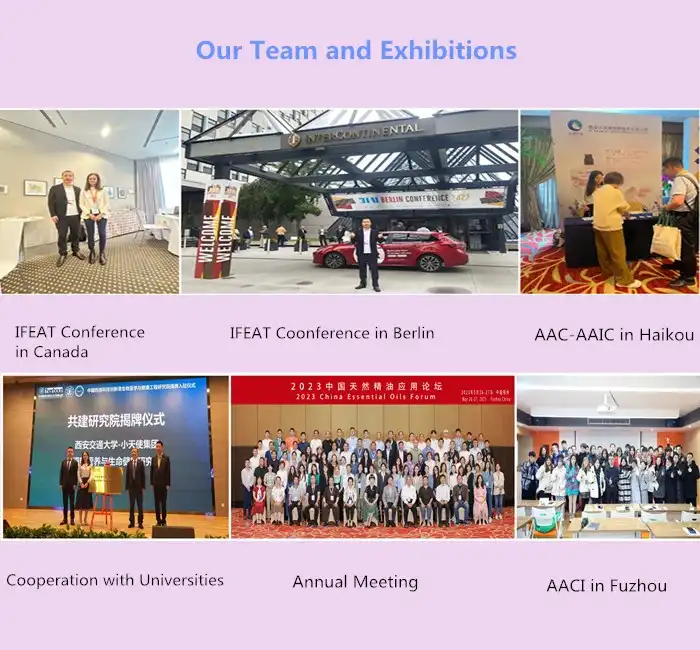
Angelbio has more than 18 years of independent research and testing experience, according to its company information. Its development activities are associated with Angel Holding Group and the Institute of Life and Health Research at Xi'an Jiaotong University. Buyers can request further company and product documentation to evaluate the supplier's technical capabilities and quality-control procedures.
Warning signs include unsupported "FDA-approved" statements, missing batch COAs, unclear analytical methods, inconsistent product specifications, and unwillingness to provide relevant quality information. A supplier's ability to explain its product data and provide traceable documentation is an important part of a reliable procurement decision.
Formulation, Grade Comparison, and Procurement Steps
How Sunflower PS Behaves in Formulas
Sunflower PS powder may be considered for capsules, tablets, sachets, drink mixes, nutrition bars, and other food or supplement formats, depending on the grade and applicable market requirements. Its physical properties, including flowability and bulk density, can influence capsule filling, powder blending, and tablet compression. These characteristics should be evaluated using samples of the actual commercial grade.
PS is amphiphilic, meaning that its molecular structure contains both water-compatible and lipid-compatible regions. However, this does not mean that the powder is fully water-soluble. Depending on the formulation, it may disperse or form an emulsion rather than dissolve completely. Mixing method, particle size, carrier system, and other ingredients can influence the appearance and mouthfeel of drink mixes.
Compatibility testing should be conducted with proteins, oils, minerals, and botanical ingredients under the intended pH, temperature, and packaging conditions. Processing conditions such as spray drying and pasteurization should also be evaluated through pilot trials when relevant. Buyers should request technical guidance and available stability information before selecting a grade for a new formulation.
Comparing 20% and 50% Powders
Compare different grades based on the cost per unit of PS rather than price per kilogram alone. The effective cost per kilogram of PS can be estimated by dividing the product price per kilogram by the PS fraction.
For example, a 20% powder priced at $100 per kilogram has an estimated PS cost of $500 per kilogram of PS ($100 ÷ 0.20). A 50% powder priced at $200 per kilogram has an estimated PS cost of $400 per kilogram of PS ($200 ÷ 0.50). These calculations assume that both assay values are measured on a comparable basis and that the quoted prices use the same commercial terms.
A 50% grade may require less powder per serving to deliver an equivalent amount of PS, potentially helping reduce the space occupied by the ingredient in a capsule or blend. However, carrier composition, flow properties, dispersion, and processing requirements may differ. A higher assay alone does not guarantee better overall quality. Buyers should compare analytical data, physical properties, stability information, and total formulation costs before making a selection.
A Practical Procurement Workflow
A structured procurement process can help reduce specification mismatches and improve supplier evaluation. The following five stages provide a practical starting point.
1. Define the application: Identify the target market, product category, intended format, serving size, customer requirements, and any relevant labeling or certification needs.
2. Set the technical specifications: Establish requirements for PS assay, moisture, particle size, oxidation indicators, microbiological quality, heavy metals, residual solvents where applicable, and supporting claims such as soy-free or non-GMO.
3. Request and compare samples: Obtain samples from qualified suppliers and compare their analytical results, appearance, odour, flowability, and handling properties against the agreed specification.
4. Conduct formulation and stability trials: Test the selected grade in the intended formula and packaging system. Evaluate relevant processing conditions and storage performance before scaling up.
5. Confirm commercial and quality terms: Agree on specifications, testing responsibilities, change-control procedures, packaging, delivery arrangements, and handling of nonconforming materials. Once technical requirements are confirmed, buyers can compare prices and negotiate based on the overall product fit.
Conclusion
GRAS and food-grade status for sunflower phosphatidylserine powder must be supported by product-specific information. GRAS means Generally Recognized as Safe, and a relevant safety conclusion should address ingredient identity, manufacturing, specifications, exposure, and the intended conditions of use. It should not automatically be extended to other applications, dietary supplement products, or markets with different regulatory requirements.
Food-grade quality assessment involves several factors, including PS assay, moisture, peroxide value, microbiological limits, contaminants, residual solvents where relevant, and packaging suitability. Although sunflower origin may provide a basis for soy-free positioning, the complete ingredient composition and manufacturing environment must also be evaluated. Non-GMO, organic, and other product claims require appropriate supporting documentation.
A complete document package, batch-to-batch COA comparison, and supplier assessment help buyers verify product information before procurement. Formulation trials and cost-per-PS calculations can further confirm whether a 20% or 50% grade is suitable for the intended application. By evaluating technical specifications, documentation, and commercial conditions together, buyers can make more informed sourcing decisions.
FAQ
1. Is sunflower phosphatidylserine powder automatically GRAS?
No. GRAS status depends on the ingredient's identity, manufacturing process, intended conditions of use, and supporting safety evidence. Buyers should request the relevant GRAS documentation or assessment information and confirm that it covers the specific product and proposed application.
2. What is the difference between 20% and 50% powder?
The percentage indicates the declared PS content of the powder, based on the supplier's specified analytical method and calculation basis. A 50% grade contains more PS per gram than a 20% grade, so less powder may be needed to provide an equivalent amount of PS. Buyers should compare assay methods, carrier composition, physical properties, and cost per unit of PS before choosing a grade.
3. Is the powder soy-free, non-GMO, and fully water-soluble?
Sunflower origin may support soy-free product positioning, but the carrier, processing aids, and potential cross-contact must also be considered. Non-GMO status should be supported by suitable documentation. Sunflower PS powder is not necessarily fully water-soluble; depending on the grade and formulation, it may disperse or emulsify in water rather than dissolve completely.
4. How do I buy in bulk?
Start by requesting the product specification, a recent batch COA, and a sample. Confirm the assay, documentation, minimum order quantity, lead time, packaging options, and delivery terms. Conduct a pilot formulation test before approving a larger order to ensure that the selected grade meets your technical and commercial requirements.
Partner with Angelbio for Phosphatidylserine Powder Specifications and Samples
Angelbio provides product documentation and technical support for OEM teams working in the nutraceutical, functional food, and beverage industries. If you are sourcing phosphatidylserine powder, please share your target PS assay, destination market, intended application, packaging requirements, and estimated annual volume.
Contact us at angel@angelbiology.com to request product specifications, batch COAs, samples, minimum order quantities, and lead-time information. Our team can assist with sample evaluation, formulation discussions, and bulk procurement planning to help you identify a suitable sunflower-derived phosphatidylserine grade for your project.
References
1. U.S. Food and Drug Administration, Generally Recognized as Safe (GRAS), 2024.
2. Federal Register, Substances Generally Recognized as Safe: Final Rule, 2016.
3. U.S. Pharmacopeia, Food Chemicals Codex, 13th Edition, 2022.
4. U.S. Congress, Dietary Supplement Health and Education Act, 1994.
5. Sports Medicine, Kingsley M., Effects of Phosphatidylserine Supplementation on Exercising Humans, 2006.
6. Nutrition, Glade M.J. and Smith K., Phosphatidylserine and the Human Brain, 2015.