



Horse Chestnut | Medication for Varicose and Spider Veins
Aesculus hippocastanum, or horse chestnut, is a common varicose and spider vein treatment. This refined natural ingredient is utilized in nutraceuticals, medicines, and cosmetics as Horse Chestnut Extract Powder, standardized to 20-98% aescin. Chronic venous insufficiency products benefit from this substance's capillary wall strengthening, fluid leakage reduction, and blood circulation improvement. Understanding its biochemical composition and procurement helps manufacturers and formulators utilize this component intelligently.
Understanding Horse Chestnut Extract Powder and Its Benefits
Botanical Origin and Biochemical Profile
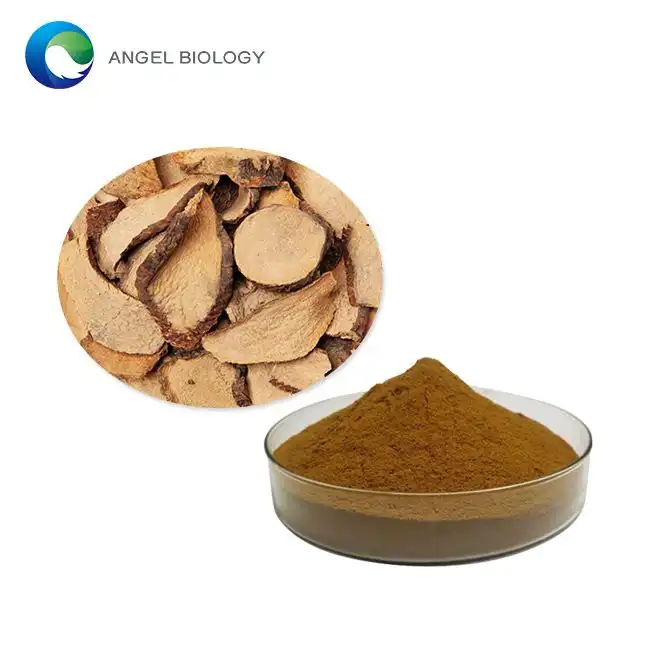
Balkan horse chestnut seeds are thoroughly processed into standardized extracts. The bioactive saponin fraction, primarily beta-aescin, is extracted using ethanol or water-ethanol. This molecule is more soluble and biologically active than alpha. High-quality extracts in light yellow to brown fine powders (95% passing 80 mesh) provide formulation compatibility and flowability. This hygroscopic material needs careful moisture management during storage and shipment.
Core Active Compounds for Vascular Health
The major phytochemical in this extract is aescin, a triterpene glycoside with vascular benefits. This drug modulates enzymes to promote venous tone and permeability. Besides aescin, the extract contains flavonoids, coumarins, and proanthocyanidins that alleviate inflammation. For consistent ingredient performance, manufacturers need batch-to-batch potency standardization. Quality extracts minimize ash to 5% and residual solvents per European and USP monographs.
Safety Considerations and Regulatory Standards
Raw horse chestnut seeds contain toxic glycoside esculin, which procurement teams must detect in Horse Chestnut Extract Powder. Only properly processed esculin-free extracts meet commercial safety standards. Global standards need purity limits and paperwork. GMP, ISO, and organic certifications are necessary when applicable. Designing appropriate cosmetics and circulatory support products requires knowledge of contraindications and usage.


How Horse Chestnut Extract Powder Works for Varicose Veins
Understanding Venous Insufficiency Conditions
Failure of leg vein valves causes blood pooling and vascular enlargement, creating varicose veins. Small spider veins signify vascular disease. Extended standing and sedentary work exacerbate genetic predispositions. Heavy legs, edema, discomfort, and vein protrusions result from the sickness. These disorders require treatments that strengthen vascular architecture and improve circulation, generating demand for natural remedies.
Mechanisms of Vasoprotective Action
Aescin impacts vascular health in several ways. Reduces capillary wall glycosaminoglycan degradation enzymes and permeability. This lowers tissue fluid extravasation and edema. The chemical increases venous contractility, improving lower extremity blood return. Reduce inflammation by modulating prostaglandin synthesis and lysosomal enzyme release. Formulations with standardized extracts enhance leg circumference and subjective symptom ratings in clinical studies.
Dosage and Formulation Guidelines
Product development depends on bioavailability and delivery. Daily oral pills include 300-600mg of extract (standardized to 50mg aescin) in varied doses. Absorption improves with sustained-release capsules. Gels and creams with 2-5% extracts often contain menthol or diosmin for sensory and circulatory benefits. Powdered sports recovery mixtures target post-workout inflammation and circulation.
Comparing Horse Chestnut Extract Powder with Other Options
Concentration and Standardization Variations
Supplier extract criteria for Horse Chestnut Extract Powder differ per company. Whole seed powders are inexpensive yet unstandardized and include dangerous esculin. Properly extracted powders range from 20% aescin for moderate intensity food-grade applications to 98% ultra-refined for therapeutic use. Beta-aescin to alpha-aescin ratios alter efficacy, with greater beta concentrations costing more. Cost, effectiveness, and regulatory compliance must guide procurement.
Delivery Form Advantages
Different formats serve distinct manufacturing objectives:
- Powdered extracts are combined specifically in pills, capsules, and functional drinks. Hygroscopic materials require climate-controlled storage and moisture-barrier packaging. Manufacturers desire gravimetric mixing for accurate dosing and cost savings.
- Pre-encapsulated formats speed up production and reduce handling hazards for brands without encapsulation infrastructure. These final dose forms simplify quality control but limit customization.
- Topical-grade extracts use micronized versions for smooth emulsions in cosmetics. Clear gels with greater solubility grades are less gritty, improving leg relief product acceptance.
The transition between these formats depends on manufacturing capabilities, target market positioning, and desired product differentiation strategies.
Quality Benchmarks and Pricing Factors
Premium organic extracts from Europe cost more to grow and certify. Established producers sell pharmacopeial-compliant conventional extracts at competitive prices. Quality indicators include HPLC-verified aescin, heavy metal screening, microbiological purity, and solvent residue analysis. Standardization, certification, and order volume determine prices from $35 to $120 per kilogram. Bulk contracts exceeding 500kg often include tier pricing.
Procuring High-Quality Horse Chestnut Extract Powder for Global B2B Clients
Identifying Reputable Manufacturers
Before assessing vendors, manufacturing qualifications are evaluated. ISO 9001 certifies quality management system knowledge, whereas GMP ensures pharmaceutical-grade operations. USDA and EU Organic certifications verify pesticide-free sourcing for clean-label markets. Requesting third-party testing certificates—especially from independent labs—provides objective validation. Although resource-intensive, industrial site audits show production regularity and contamination control. Current vendors have robust seed-to-packaging documentation systems.
MOQ and Pricing Dynamics
Standard grades require 25-100kg minimum orders, while ultra-refined extracts may need 100kg+ due to processing efficiency. Initial trial purchases at lower numbers aid formulation development, but per-unit costs climb. From trial to commercial, volume-based pricing incentives cut expenses by 15-25%. New buyers must pay upfront, but established connections enable net-30 payment intervals. Currency fluctuations and foreign shipping issues impact ultimate landing prices; thus, buying planning requires cost modeling.
Custom Formulation Capabilities
Progressive producers provide value beyond commodity ingredients. By marking completed goods, private labeling speeds market access. Extract standardization—adjusting aescin concentrations or creating synergistic herbal mixtures—distinguishes products. Tech assistance handles stability testing, excipient compatibility research, and regulatory documentation. Partnership-oriented efforts convert suppliers into strategic development partners rather than transactional vendors, allowing long-term, market-adaptive engagement.
Maximizing Business Value with Horse Chestnut Extract Powder Products
Cross-Industry Application Potential
This extract, such as Horse Chestnut Extract Powder, works across industries. To help veins, nutraceutical circulatory health products contain vitamin C and bioflavonoids. Pharma-grade extracts cure chronic venous illness. Eye serums and body lotions employ their anti-inflammatory properties to minimize puffiness and recover from exercise. Sports nutrition businesses say it reduces leg fatigue and speeds soft tissue repair. Multi-sector relevance helps ingredient distributors diversify customer portfolios and reduce market concentration.
Quality Assurance and Testing Protocols
Product reliability requires a thorough investigation. HPLC verifies aescin isomeric profiles. ICPMS finds lead, cadmium, mercury, and arsenic. Microbiological testing finds no microorganisms and normal plate counts. To ensure methanol and ethanol levels satisfy requirements, gas chromatography monitors solvent residues. Every batch has a Certificate of Analysis for quality. Quality control improves with real-time release testing, reducing batch rejection risks for downstream clients.
Emerging Market Trends
Natural circulatory support components are popular as customers prefer them to synthetic ones. Venous insufficiency increases with aging populations in developed nations, driving the market. Sustainability attracts consumers to ethical and green companies. Standardized plant extracts fulfill clean-label standards for recognized compounds and minimal processing. These macro dynamics favor horse chestnut extract growth, especially among transparent and natural health enterprises.
Conclusion
Horse chestnut extract is a clinically established vascular health botanical component in numerous product categories. Since aescin is uniform, oral supplements, topicals, and specialist applications work equally. Supplier selection must stress quality certifications, transparent testing, and collaborative development for procurement success. As global natural ingredient demand develops, strategic sourcing with manufacturers offering technical expertise and regulatory compliance becomes competitive. Businesses may optimize commercial value while meeting efficacy and safety criteria by understanding formulation variants, distribution method options, and market positioning.
FAQ
1. What standardization level is optimal for nutraceutical applications?
For most supplements, 20-50% aescin extracts work well and are affordable. This concentration range provides therapeutic dosages (50mg aescin daily) in manageable capsules at competitive rates. High concentrations suit low-excipient or compact dose forms.
2. How do manufacturers ensure batch-to-batch consistency?
Reputable providers utilize controlled temperature, solvent ratios, and duration for extraction. Seed quality is constant before processing by screening raw materials. In-process quality testing assesses extraction yields and intermediate purity. Variation patterns are detected before they impact final product analytical testing vs requirements by statistical process control.
3. What documentation supports international regulatory compliance?
We need certificates of analysis with detailed analytical data, allergy declarations, GMO status statements, BSE/TSE compliance, pesticide residue reports, and heavy metal screening results. Halal and Kosher certifications satisfy customers. Individual nation rule regulatory support letters demonstrate provider expertise in complex compliance situations.
Partner With Angelbio: Your Trusted Horse Chestnut Extract Powder Supplier
Angelbio provides top grade Horse Chestnut Extract Powder that fulfills global quality standards after 18 years of research and innovation. Modern extraction procedures from Xi'an Jiaotong University's Institute of Life and Health Research maximize aescin bioavailability and purity. For product development and commercial manufacturing, our MOQs may be standardized from 20% to 98% aescin. Our ISO-certified facilities and thorough testing guarantee batch-to-batch quality. Our technical staff supplies bulk ingredients, private label solutions, and custom formulations for your product angel@angelbiology.com may discuss your needs and supply samples. Long-term partnerships to advance natural health innovation worldwide are our objective.
References
1. Sirtori, C.R. (2001). Aescin: Pharmacology, pharmacokinetics, and therapeutic profile. Pharmacological Research, 44(3), 183-193.
2. Pittler, M.H., & Ernst, E. (2012). Horse chestnut seed extract for chronic venous insufficiency. Cochrane Database of Systematic Reviews, Issue 11.
3. Dudek-Makuch, M., & Studzińska-Sroka, E. (2015). Horse chestnut – efficacy and safety in chronic venous insufficiency: an overview. Revista Brasileira de Farmacognosia, 25(5), 533-541.
4. Guillaume, M., & Padioleau, F. (1994). Veinotonic effect, vascular protection, anti-inflammatory, and free radical scavenging properties of horse chestnut extract. Arzneimittel-Forschung, 44(1), 25-35.
5. European Medicines Agency. (2009). Assessment report on Aesculus hippocastanum L., semen. Committee on Herbal Medicinal Products (HMPC).
6. Gallelli, L. (2019). Escin: A review of its anti-edematous, anti-inflammatory, and venotonic properties. Drug Design, Development and Therapy, 13, 3425-3437.