How does ivy leaf extract work?
A complex biochemical pathway based on triterpene saponins, mostly Ivy Leaf Extract Hederacoside C and its bioactive metabolite alpha-hederin, makes Ivy Leaf Extract work. Beta-2 adrenergic receptors in bronchial tissues are stopped from going inside cells by these chemicals. This makes the surface area of the cells bigger. The body makes adrenaline, which makes cells more sensitive to it. This makes surfactants come out, which thins the mucus and relaxes the smooth muscles in the bronchi. It works in more than one way, with mucolytic, bronchospasmolytic, and antioxidant effects. Because of these effects, this botanical preparation has been shown by science to be an ingredient in products that help the lungs.
Understanding Ivy Leaf Extract: Composition and Mechanism of Action
The Botanical Origin and Extraction Process
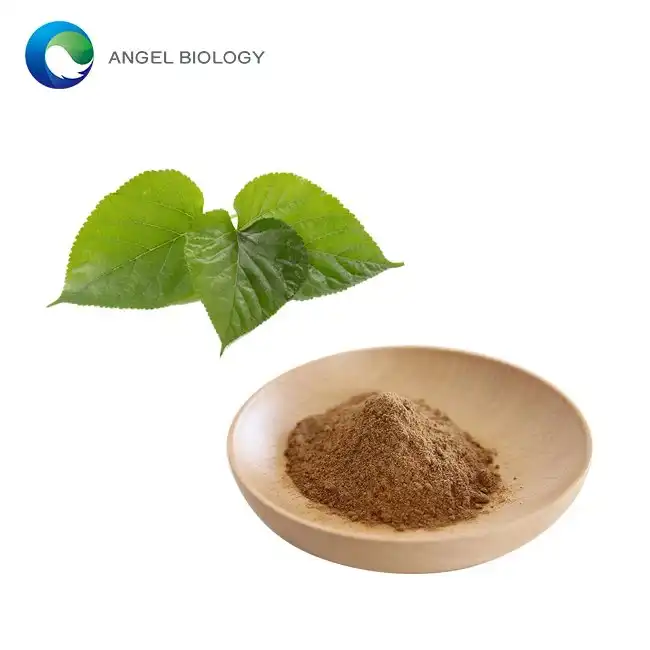
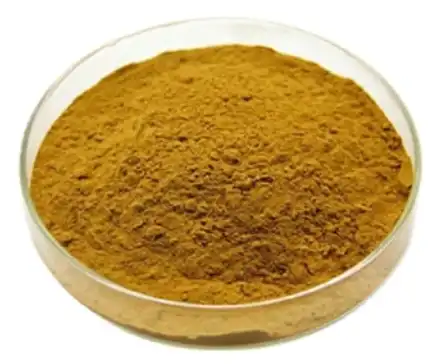
The oil comes from Hedera helix L., an evergreen climbing plant in the family Araliaceae. These days, to get the most saponin out of the plant while lowering the amount of chlorophylls and other compounds that could be irritating, ethanol-water systems are used. The ethanol concentration is usually 30%. This polarity of the solvent keeps the bioactive ingredients in the exact balance that is needed for the pharmaceutical-grade quality of Ivy Leaf Extract. The drug-to-extract ratio in the standard preparation can be anywhere from 4:1 to 8:1, depending on how the extract was made. The quality rules are the same as those in the European Pharmacopoeia and the USP monographs. This makes sure that each batch is the same, which is important for personal care and beauty products. It's made into a fine, yellow-brown powder that absorbs water. This means it needs to be stored in a certain way so it doesn't harden and stays chemically stable.
Bioactive Constituents and Their Roles
A number of important groups of phytochemicals work together to make the medicine work as a medicine. Triterpene saponins, mostly Hederacoside C at concentrations of 10% or more, are the best way to tell if something is of good quality. This compound has a stable prodrug that changes into alpha-hederin with the help of enzymes or fermentation. This gives it strong biological activity. Oxidative stress can damage cell structures, but flavonoids like kaempferol and rutin can help protect them. When these polyphenolic compounds are mixed with polyacetylenes, they change the pathways that cause inflammation. The full phytochemical matrix creates a multifaceted approach to lung health that is hard to copy with man-made Ivy Leaf Extract chemicals.
The Beta-2 Adrenergic Receptor Mechanism
Its main job is to stop bronchial muscle cells and alveolar type II cells from grabbing beta-2 adrenergic receptors. These receptors are constantly being broken down and internalized in everyday life. This makes them less available for adrenaline to bind to. Stopping this downregulation makes the active metabolite increase the number of receptors on the surfaces of cells. There are more receptors, which makes the body make more surfactant and boosts its natural adrenaline response. The surface tension of alveolar fluids is lowered by surfactants. This makes mucus less thick and easier to move through the respiratory system. Activating the receptors also helps relax the smooth muscles in the bronchi, which makes it easier to breathe and lowers the spasmodic responses that make it hard to breathe.
Anti-Inflammatory and Antioxidant Properties
The extract changes receptors and also has strong anti-inflammatory effects through a number of different channels. Pro-inflammatory chemicals like cytokines and prostaglandins can't do their job because of saponins and flavonoids. This reduces swelling in the linings of the respiratory tract. This action is especially helpful for managing inflammatory conditions that affect the bronchial tissues for a long time. When your body reacts to inflammation, reactive oxygen species build up. Antioxidants get rid of these species. This effect keeps proteins and cellular membranes safe, so they can keep their shape and do their job. These ways of working show that the extract works about the same as eucalyptus and peppermint mixtures, but it has a different assortment of phytochemicals.

Health Benefits and Applications of Ivy Leaf Extract
Respiratory Wellness Applications
The extract helps with a number of breathing problems through its whole system. It's easier to cough up mucus when you can thin it. This cleans out your upper and lower respiratory tracts. When your bronchi are narrow, the bronchospasmolytic action makes it easier to breathe. It does this without calming down your nervous system like synthetic alternatives do. Safety profiles support use by people of all ages, even children, as long as the alcohol-free versions meet strict standards. The fact that it comes from nature fits in with the clean-label trends that are making people want to buy supplements. It can be used in a lot of different ways, from liquid syrups to powders that are sealed in capsules. This is why manufacturers like it so much.
Skin Care and Cosmetic Formulations
The extract is used in cosmetics because it reduces inflammation and protects cells from damage. Plant-based active ingredients help the skin heal itself by lowering inflammation, which speeds up the aging process. Because it has saponin in it, it can be used as a gentle surfactant in cleansers, and the flavonoids help protect against UV rays. Scientists who work on formulas like that the extract is stable in emulsions and can be mixed with a number of different cosmetic bases. Anti-aging serums, repair creams, and soothing lotions all work the same way because they have the same concentrations. The natural positioning backs up marketing claims about botanical actives, which makes cosmetics stand out in the very competitive market.
Functional Food and Beverage Integration
Food technologists use the extract to make healthy drinks and foods that are better for you. Since it mixes with water, it's simple to add to drinks like tea, tonics, and ready-to-drink drinks. As long as the pH level is low, it stays stable, so it can be used in a lot of different food projects. The fact that the product has antioxidants makes it useful for more than just helping with breathing, which adds to its overall wellness positioning. In all international markets, the ingredient is safe enough to meet food-grade standards. This makes it easier for big brands to follow the rules. As people learn more about plant-based ingredients, they are more likely to accept Ivy Leaf Extract in functional foods.
Ivy Leaf Extract Versus Alternative Remedies: Market and Performance Insights
Comparative Efficacy Analysis
Ivy Leaf Extract preparations have benefits that are different from peppermint and eucalyptus extracts. The oil from eucalyptus trees is what makes it useful. You can put it on your skin or breathe it in. On the other hand, peppermint has menthol, which cools you down but doesn't do much for mucus. The extract of ivy works in two ways: it changes receptors and directly changes mucus, which gives better respiratory support. Clinical studies show that the results are the same or better than with synthetic mucolytics. Also, they don't have the same side effects, like making you sleepy or giving you stomach problems. For kids and older people who need kinder help, this safety benefit is very important. People who want to take care of their health and don't want to use man-made ingredients of natural origin.
Product Form Considerations
There are different delivery formats that change bioavailability and user compliance. For kids, liquid syrups work best because they are easy for them to absorb and taste good. To accommodate people with special dietary needs, formulas that are sugar-free or based on honey are available and still work well. Syrup bases have a pH range that is slightly acidic, which keeps the amount of saponin stable over time. It's easy for adults who don't want to taste their medicine to take softgels and capsules. Oil matrices in softgels keep hygroscopic extracts from getting wet, which makes them more stable. Hederacoside C can't break down inside the gelatin shells of dry-blended capsules because they need special ingredients like colloidal silicon dioxide to keep the capsules fluid. Tablets that fizz and instant granules make it easy for busy people to take their medicine on the go. These formats need to be able to break down quickly while also being able to withstand being compressed. If the extract is made in the right way, it can be turned into tablets without losing its saponin or its ability to dissolve.
Organic and Natural Positioning
What makes conventional extracts different from organic-certified extracts is what makes people decide what to buy. Customers want ingredients that are free of pesticides and come from sustainable sources, and organic certification meets that need. When a product is certified, on the other hand, it has to follow strict rules about paperwork and usually costs more, which changes where it stands in the market.If the natural extracts don't come from a certified organic company, they may still be of good quality as long as they are tested for a lot of contaminants. People are safe, even if the food is organic, because it is checked for heavy metals like arsenic, lead, cadmium, and mercury. Leaf biomass doesn't get messed up by the environment because it is tested for pesticide residues according to European Pharmacopoeia standards.
Procurement Guide for Ivy Leaf Extract: Sourcing and Supplier Considerations
Quality Evaluation Parameters
The HPLC assay verification is very important for smart procurement teams to make sure that the Ivy Leaf Extract Hederacoside C content meets the standards, which are usually 10% with a small error range. If you use chromatographic fingerprinting with TLC or HPTLC, you can tell Hedera helix from other types of ivy that have too much polyacetylene or not enough saponin. With these analytical methods, changes or substitutions that would make the product less useful are stopped. Certificate of Analysis documentation should include residual solvent testing per ICH Q3C guidelines, confirming ethanol levels within safe parameters and the absence of toxic solvents like methanol. Microbiological tests ensuring a low total aerobic microbial count and absence of pathogens like E. coli and Salmonella protect end-user safety, particularly in liquid formulations prone to microbial contamination.
Certification and Compliance Requirements
Maintaining GMP certification shows that a supplier is committed to making quality systems that include controlling the production process, training employees, and making sure that equipment works. When food is certified organic by well-known groups, it means that it comes from sustainable sources and wasn't grown with pesticides. Businesses that have Kosher or Halal certifications can reach more people who have to follow certain dietary rules. Tracking systems that keep track of where raw materials come from and where they go through all the steps of processing make sure that everything is clear, which is something that regulators and smart consumers like. Bugs in the quality can be fixed quickly with batch coding, and it also helps with checking the integrity of the supply chain. It's safer to buy from suppliers who give full documentation, and it's also easier to send finished goods to regulators.
Pricing and Logistics Considerations
When you order a lot, the price changes a lot, and manufacturers who make a lot of things benefit from economies of scale. If you know the minimum order quantities and lead times, you can avoid supply problems when production is high. Fiber drums, aluminum bags, and food-grade containers are just a few of the safe ways that the hygroscopic extract can be stored and moved. In order to get through customs for international shipping logistics, you need the right paperwork, such as phytosanitary certificates and import permits that are unique to each country. When suppliers know how to export goods, they can avoid delays and make sure they follow the rules of the country where the goods are going. Payment terms that meet both the buyer's and the seller's needs for cash flow and risk management make partnerships stronger and last longer.
Safety, Dosage, and Usage Guidelines for B2B Clients
Recommended Dosage Ranges
The recommended daily dose of Ivy Leaf Extract for adults is between 50 mg and 150 mg, which is usually spread out over several doses. When making medicines for kids, the concentrations need to be changed based on their age. For example, there are different rules for kids 2 to 6 years old than for older kids. Most liquid syrups have between 5 and 10 mg per milliliter. Each person needs to take a different amount. Due to their 50–75 mg per unit, capsules and softgels make it easy to stick to a two to three times a day schedule. A lot of the time, 75–100 mg of extract is mixed with plants that work well together, like thyme, to make the effects stronger. Most people say to use it for 7 to 14 days. If you want to use it for longer, you should talk to a professional.
Potential Side Effects and Contraindications
As far as safety goes, the extract is very good, and side effects are very uncommon. When doses are too high, mild stomach problems like feeling sick can happen. These problems go away when doses are lowered. Some sensitive people may still have allergic reactions, especially those who are known to be sensitive to plants in the Araliaceae family. The right allergy warnings should be on the labels of foods. It's not a good idea to use it while pregnant or breastfeeding because there isn't enough safety information in those groups, but no specific risks have been found. If you have issues with your esophagus or stomach, you should be careful when using saponins because they can cause painful digestive symptoms. Before taking this with prescription drugs, it's best to talk to a doctor, but there haven't been any major drug interactions reported yet.
Regulatory Frameworks and Market Access
The FDA is in charge of dietary supplement rules in the US. These rules say that supplements must follow GMP and have truthful labels that don't make claims about curing diseases. European markets have stricter ways to register a product for traditional use or get permission to market it, depending on how the product is positioned. If you know what your target market wants, you can avoid making changes that cost a lot of money or waiting too long to get into the market. When there is proof of safety and traditional use, it is easier to get regulatory approval in more than one area. It takes less time to approve suppliers who send full dossiers with toxicology studies, clinical trial data, and stability testing. People whose job it is to buy things should check with suppliers to make sure they can meet the regulatory needs of the markets they want to sell to.
Conclusion
The people who buy things can make smart choices about where to get Ivy Leaf Extract that make product lines better when they know how it works. Scientists have found that the complex beta-2 adrenergic receptor mechanism and its anti-inflammatory and antioxidant properties are good for the health of the lungs. There is a full quality check that includes standardization, certifications, and analytical confirmation. This helps the brand's reputation and makes sure that the ingredients are pure. The market for natural ingredients is always changing. To stay ahead of the competition, suppliers should work together in partnerships that stress openness, following the rules, and technical support. Ivy leaf extract is a useful substance that can be used in many ways and meets the standards for clean labeling in nutraceutical, cosmetic, and functional food products. This is because more and more people are looking for natural alternatives.
FAQ
1. What makes Hederacoside C the preferred quality marker?
An important saponin that is mostly found in dried Hedera helix leaves is called Hederacoside C. It stays more stable than alpha-hederin when it is extracted and stored. Because it is stable, you can be sure that the product will stay good and work well for as long as it is on the shelf. When it comes to living things, enzymes change Hederacoside C into alpha-hederin. It then works as a useful precursor drug that helps with therapy and keeps the ingredient stable while it is being made and sent out.
2. How do extraction solvents impact final product quality?
The phytochemical profile and how well the medicine works depend a lot on the extraction solvent that is used. European Pharmacopoeia says that 30% ethanol is the best concentration for getting saponins out of plants while getting rid of chemicals like chlorophylls and irritants. When alcohol or pure water is used in large amounts, they change the chemical profiles and lowers the amount of saponin that is produced. This makes the product work less well. It costs more for standardized extracts than for generic preparations since they are more specific.
3. Can formulations combine ivy leaf with other botanical extracts?
Ivy Leaf Extract is often mixed with thyme or primrose root in combination formulas. This makes the effects better for respiratory health. By working together in ways that complement each other and target different physiological pathways, these partnerships make things work better overall. To be sure that pH levels or phytochemicals from partner herbs don't change how stable the saponin content is or make the product less stable on the shelf, compatibility studies still need to be done.
Partner with Angelbio for Premium Ivy Leaf Extract Supply
Angelbio sells Ivy Leaf Extract that is safe for use in medicines. It is backed by 18 years of independent research and development and strict quality control systems. The standards set by the European Pharmacopoeia are met by our standardized preparations. They have been tested for all possible contaminants and have a confirmed amount of Hederacoside C. They also come with full paperwork that shows where the product came from. We help companies that make nutraceuticals, cosmetics, and functional foods by giving them technical support, flexible packaging options, and reliable international shipping. We are a reliable source of botanical ingredients. Angel Holding Group and the Institute of Life and Health Research at Xi'an Jiaotong University have put money into making sure that cutting-edge extraction technology delivers high-quality botanical ingredients every time. Get in touch with our buyers at angel@angelbiology.com to talk about how we can help you make a formula that fits your market, how much it will cost in bulk, and how to get customized certification paperwork.
References
1. Holzinger F, Chenot JF. Systematic review of clinical trials assessing the effectiveness of ivy leaf (Hedera helix) for acute upper respiratory tract infections. Evidence-Based Complementary and Alternative Medicine. 2011;2011:382789.
2. Gülçin I, Elias R, Gepdiremen A, Boyer L, Köksal E. A comparative study on the antioxidant activity of fringe tree (Chionanthus virginicus L.) and some ivy species. Pharmaceutical Biology. 2007;45(3):193-202.
3. Cwientzek U, Ottillinger B, Arenberger P. Acute bronchitis therapy with ivy leaves extracts in a two-arm study. A double-blind, randomised study vs. another ivy leaves extract. Phytomedicine. 2011;18(13):1105-1109.
4. Hofmann D, Hecker M, Völp A. Efficacy of dry extract of ivy leaves in children with bronchial asthma—a review of randomized controlled trials. Phytomedicine. 2003;10(2-3):213-220.
5. Fazio S, Pouso J, Dolinsky D, Fernandez A, Hernandez M, Clavier G, Hecker M. Tolerance, safety and efficacy of Hedera helix extract in inflammatory bronchial diseases under clinical practice conditions: a prospective, open, multicentre postmarketing study in 9657 patients. Phytomedicine. 2009;16(1):17-24.
6. Sieben A, Prenner L, Sorkalla T, Wolf A, Jakobs D, Runkel F, Haberlein H. Alpha-hederin, but not hederacoside C and hederagenin from Hedera helix, affects the binding behavior, dynamics, and regulation of beta-2 adrenergic receptors. Biochemistry. 2009;48(15):3477-3482.