



How Is Polygonum Cuspidatum Extract Powder Standardized?
Polygonum cuspidatum extract powder is standardized by setting a defined target for a marker compound, usually trans-resveratrol, and verifying that each batch meets the agreed specification. Manufacturers qualify the botanical raw material, control extraction and purification, and use analytical methods such as HPLC to determine the marker content. They may also establish product-specific limits for emodin, moisture, contaminants, and physical properties, then record the results on a batch-specific Certificate of Analysis (COA). As a buyer, review the assay basis, reference standard, analytical method, and complete specification, because the same percentage can represent different testing conditions or product compositions across suppliers.
This guide is intended for R&D directors, formulation managers, and procurement teams at supplement brands, functional food companies, and ingredient distributors. Each section follows the path of a batch, from botanical raw material selection to final quality documentation.
What Does "Standardized" Mean for Polygonum Cuspidatum Extract Powder?
Marker Compounds and Label Claims
When a manufacturer standardizes an extract, it establishes a target range for one or more marker compounds and tests the material to verify that the results meet the specification. CAS number 501-36-0 identifies trans-resveratrol, a commonly specified marker in Polygonum cuspidatum extract powder.
Terms such as "total resveratrol," "total stilbenes," "98% trans-resveratrol," and "10:1 extract" describe different product characteristics and should not be used interchangeably. A marker percentage indicates the measured content of a specified compound, while an extraction ratio describes the relationship between the starting botanical material and the resulting extract. Neither value automatically establishes the other.
When comparing quotations, buyers should check the exact marker name, analytical method, reference standard, calculation basis, and specification range. A clear product specification should identify whether the assay refers to trans-resveratrol alone or another defined group of constituents.


Standardized Extract vs. Isolated Resveratrol Powder
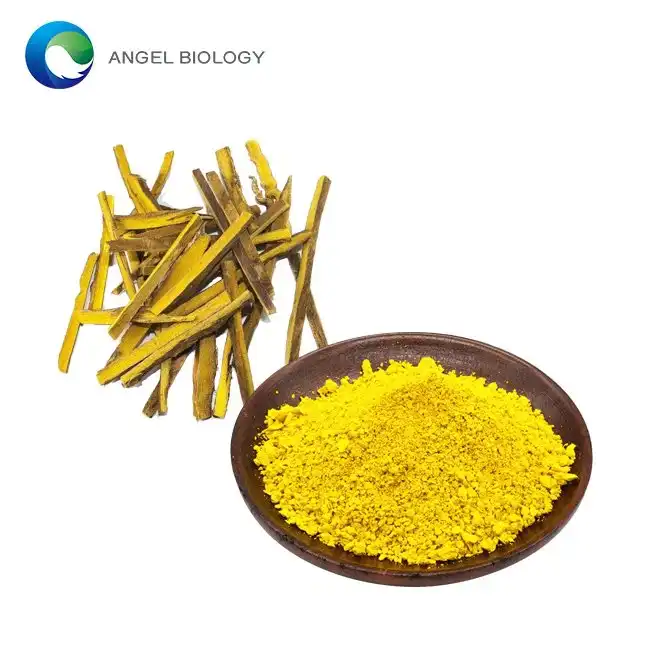
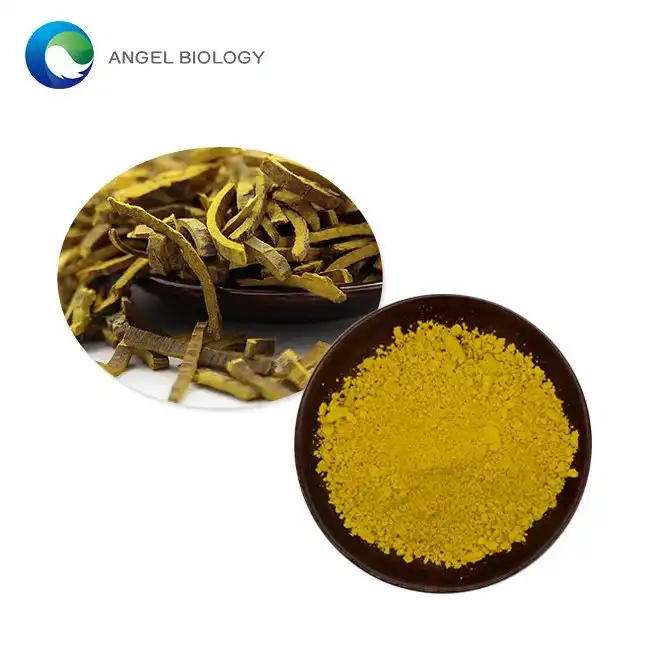
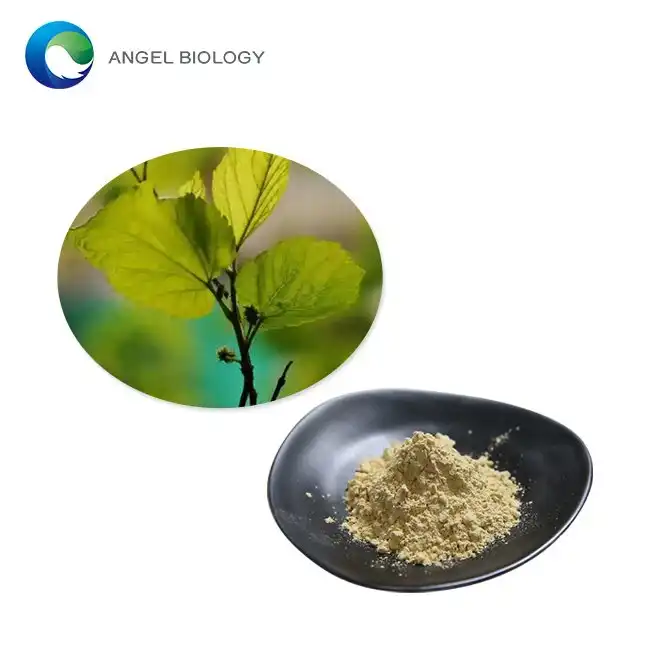
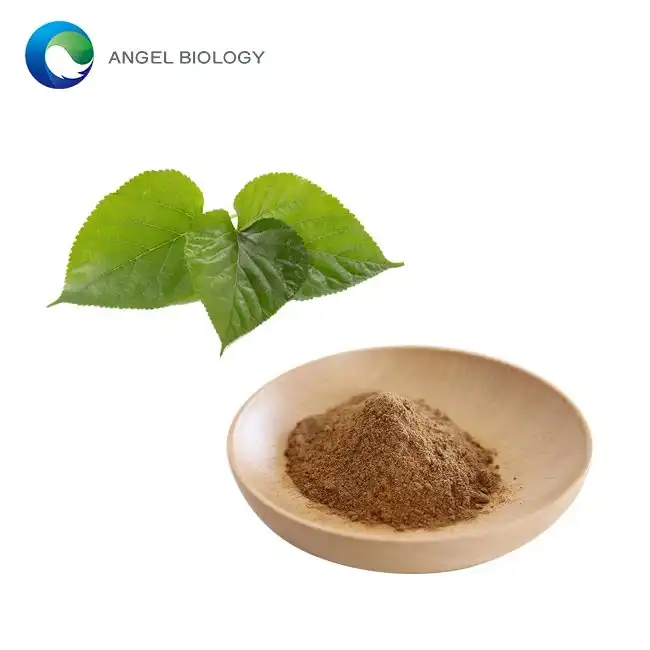
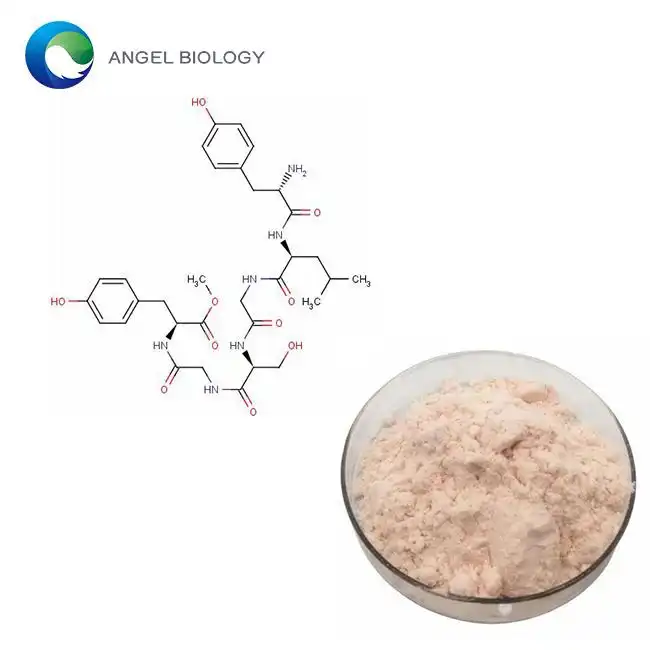
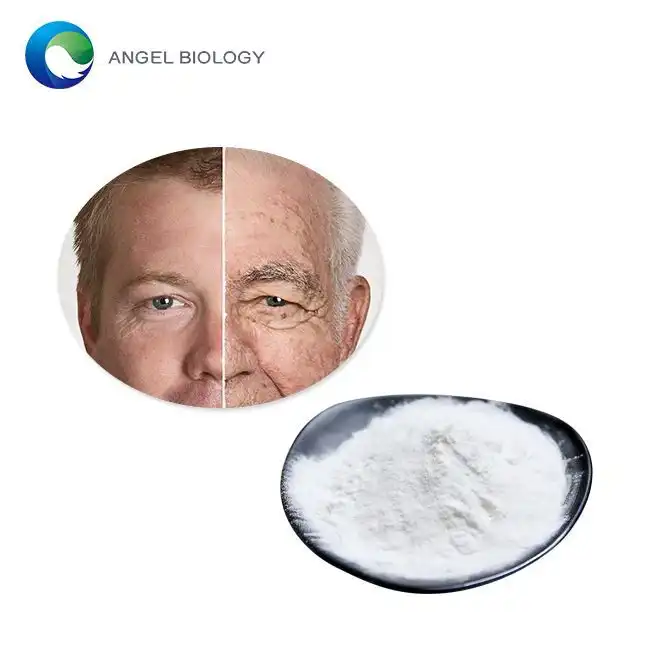
These product grades can differ in composition, appearance, and intended application. Highly purified grades, such as 98% trans-resveratrol, are generally supplied as fine powders and may appear off-white to white, depending on the manufacturing and purification process. Lower-assay extracts may retain a broader range of naturally occurring botanical constituents and can vary in color from yellowish to brown.
A lower marker percentage does not necessarily mean that the material contains more useful botanical compounds, just as a higher percentage does not automatically make it more suitable for every formulation. The difference lies in the overall composition, purity, and specification.
Brands seeking a clearly defined trans-resveratrol ingredient may prefer a higher-purity grade. Other projects may consider a broader botanical extract when its composition and positioning fit the intended product. Buyers should select according to formulation requirements, labeling plans, and target-market regulations rather than relying on the product name alone.
Botanical Identity and Source
Polygonum cuspidatum extract powder is commonly produced from the dried roots and rhizomes of Polygonum cuspidatum Siebold & Zucc., also known as Japanese knotweed. Reynoutria japonica is another botanical name used for this species in some taxonomic references. The botanical identity and plant part should be clearly stated in the supplier's documentation because they influence raw material qualification and product traceability.
This species is a recognized botanical source of trans-resveratrol. For projects that require verification of natural origin, carbon-14 analysis may help distinguish recently biobased carbon from fossil-derived carbon. However, this test alone cannot confirm the exact plant species or prove the complete botanical origin of a finished extract. Buyers should combine appropriate origin documentation with botanical identification and analytical testing.
Synthetic and plant-derived resveratrol may have the same target chemical identity but differ in production route and sourcing documentation. The preferred source depends on product positioning, technical requirements, and the regulations of the intended market.
How Is Polygonum Cuspidatum Extract Powder Made and Standardized?
Raw Material Qualification
Production begins with raw material qualification. The supplier should verify that the roots and rhizomes come from the declared botanical species and that the material meets the agreed purchasing specification. The raw material may then be cleaned, dried, and milled to prepare it for extraction.
Records linking raw material lots to production batches support traceability and make it easier to investigate variations in the final extract. Buyers sourcing ingredients for the U.S. dietary supplement market should also review applicable manufacturing and ingredient identity requirements, including relevant provisions of 21 CFR Part 111. Suppliers that maintain clear raw material records and batch documentation can make the qualification process more straightforward.
Extraction and Purification
Extraction conditions can vary according to the solvent, temperature, extraction time, and number of extraction cycles. Ethanol and water-based solvent systems may be considered depending on the process and target specification. The selected conditions influence the extraction yield and the composition of the resulting material.
Because the trans-resveratrol content of the original botanical material can vary, additional concentration and purification steps may be used to obtain a defined assay grade. These steps may include filtration, concentration, separation, and crystallization. They can also help manage other naturally occurring constituents, including anthraquinones such as emodin.
There is no single universal emodin limit that applies to every Polygonum cuspidatum extract. The acceptable level should be established according to the product specification, intended application, and relevant market requirements. Buyers should request the actual test result and agreed acceptance criterion rather than assume that every supplier follows the same threshold.
Drying, Blending, and Batch Release
After purification, the Polygonum cuspidatum extract powder may undergo drying, milling, sieving, and blending to achieve the required physical properties and assay range. If carriers or processing aids are used, their identities and proportions should be disclosed because they can affect the final assay calculation, ingredient composition, and powder-handling characteristics.
Trans-resveratrol is sensitive to light exposure and can undergo photoisomerization, forming cis-resveratrol under certain conditions. Therefore, light protection during processing, packaging, and storage should be considered. The melting point of purified trans-resveratrol is a characteristic used in compound identification, but it should not be treated as a measure of powder-processing performance or tablet stability.
Before batch release, the manufacturer should conduct the tests required by the agreed specification. These may include marker content, botanical identity, relevant contaminants, microbiological parameters, moisture, and physical properties. The results should be documented in a COA that corresponds to the actual production batch.
How Is Resveratrol Content Measured and Verified?
HPLC and the Assay Basis
HPLC is commonly used to determine the trans-resveratrol content of Polygonum cuspidatum extract powder. With a suitable UV detector, trans-resveratrol can be monitored at a wavelength near 306 nm under appropriate analytical conditions. The result is calculated by comparing the sample response with that of a qualified reference standard.
The report should clearly identify what has been measured: trans-resveratrol, cis-resveratrol, total resveratrol, or total stilbenes. These are not interchangeable results. The assay should also state the reference standard, analytical method, sample preparation, and whether the reported value is calculated on an as-is or dry basis.
A dry-basis result adjusts for the moisture content of the sample, while an as-is result reflects the material in the condition tested. Both can be useful, but buyers need to know which basis is used before comparing supplier quotations. Analytical method suitability should be supported by appropriate validation or verification data, including accuracy, precision, specificity, and other relevant performance characteristics.
Identity and Fingerprint Testing
An assay indicates the amount of a target compound, but it does not independently establish that the raw material came from the correct botanical species. Botanical identity and chemical composition should therefore be assessed using complementary methods.
HPLC fingerprinting can compare the overall chromatographic profile of a sample with an appropriate reference profile. Thin-layer chromatography (TLC) and other suitable identification methods may provide additional supporting information. These methods can help identify unexpected differences in composition, possible substitutions, or changes in the raw material and production process.
Origin tests, including carbon-14 analysis, may provide information about whether the carbon in a material is biobased or fossil-derived. However, they should not replace botanical identification or traceability records. Buyers supplying the U.S. dietary supplement market should also review applicable ingredient identity requirements and retain supporting documentation for their quality files.
Independent Verification
For large-volume purchases, long-term sourcing programs, or projects with strict specifications, independent laboratory testing can provide an additional verification step. Buyers may submit a representative sample or a retained shipment sample to an appropriately qualified third-party laboratory and compare the results with the supplier's COA.
Before testing, agree on the analytical method, reference standard, sample preparation, reporting basis, and acceptance criteria. This helps ensure that differences between results are assessed consistently rather than caused by different testing procedures.
Periodic verification may also be considered for repeat orders or when raw materials, production conditions, or specifications change. Maintaining these records gives procurement and quality teams a clearer basis for reviewing supplier consistency and resolving potential discrepancies.
Which Specifications Should Buyers Request from a Supplier?
Core Quality Specifications
A complete product specification should identify the botanical species, plant part, source information, extraction ratio where applicable, and target trans-resveratrol content. It should also define relevant limits for emodin, moisture, ash, and other parameters required for the intended application.
These limits should reflect the destination market, product category, and agreed technical requirements. Ask the supplier to identify whether each value is a guaranteed minimum, maximum, typical result, or specified range. This distinction matters when evaluating a batch that approaches an acceptance limit.
Buyers should ensure that the same specification is used for quotations, sample approval, purchase orders, and batch release. Any changes to the marker target, analytical method, or acceptance criteria should be documented and agreed upon before production.
Physical Properties for Formulation
The assay alone does not describe how Polygonum cuspidatum extract powder will behave during manufacturing. Buyers should also request relevant information about particle size, bulk density, flowability, moisture absorption, dispersibility, and solubility.
Trans-resveratrol has limited solubility in water and is more soluble in certain organic solvents, including ethanol and DMSO. Its solubility depends on the test conditions, so any numerical value should be linked to a defined method, temperature, and solvent system rather than treated as a universal figure.
For capsules and tablets, particle size, flowability, and blending behavior may be important. For beverage or other water-based formulations, dispersion and physical stability require additional evaluation. Formulation approaches such as micronization, suitable carriers, or encapsulation systems may be considered, but their performance should be confirmed in the actual product matrix. Inform the supplier of your intended dosage form early so that the proposed grade can be evaluated against your processing requirements.
Documentation Package
A complete documentation package supports supplier qualification and purchasing decisions. For each new batch, request a COA, SDS, product specification, and relevant information about origin, shelf life, and packaging. Depending on the product and target market, buyers may also request allergen and non-GMO statements, as well as applicable certificates and supporting documents.
When reviewing certificates, confirm the issuing organization, scope, validity period, covered facility, and product category. A certificate should not be assumed to cover every ingredient or production activity offered by a supplier.
Clear and complete documentation can save time during internal reviews and help buyers prepare the information required for different markets. If your project has specific regulatory or customer requirements, communicate them before sample approval and commercial ordering.
How to Compare Options and Evaluate a Polygonum Cuspidatum Extract Powder Supplier
Extract Powder, Pure Resveratrol, and Knotweed Labels
Pure resveratrol powder contains a more clearly defined target compound, while Polygonum cuspidatum extract powder may retain a broader range of naturally occurring botanical constituents depending on its assay grade and production process. Japanese knotweed extract generally refers to an extract from the same botanical species, but buyers should still verify the scientific name, plant part, marker content, and extraction ratio.
Do not compare products only by price per kilogram. A more useful approach is to calculate the cost of the required trans-resveratrol content. For example, 1 kg of a 98% grade contains approximately the same nominal amount of trans-resveratrol as 1.96 kg of a 50% grade, assuming both assay values are reported on the same basis and are measured using comparable methods. This calculation does not account for differences in other constituents, formulation properties, or processing requirements.
Supplier Type and COA Quality
First, identify the supplier's business model. Is it a manufacturer, a trading company, or a business that combines production and trading? Then review its raw material sourcing, production capacity, batch traceability, analytical testing arrangements, and export experience.
A useful COA should include the product name, batch number, relevant dates, test methods, actual results, specification limits, and appropriate authorization. It should also be consistent with the product specification and the material being supplied.
A weighted comparison table can help evaluate each supplier according to price, service, technical suitability, documentation, and delivery capability. Assign greater importance to the factors that matter most to your project instead of selecting a supplier based on one specification or quotation figure.
OEM, Private Label, and Supply Terms
For OEM and private-label projects, buyers may need support with formulation compatibility, label documentation, custom assay targets, packaging, stability information, and product specifications. Discuss these requirements with the supplier before finalizing the order.
Also confirm the minimum order quantity, lead time, Incoterms, payment terms, export experience, and supply arrangements. Recording these commercial details alongside the technical specification helps importers and distributors assess whether a sourcing program is suitable for their purchasing plans.
Common Mistakes, Procurement Workflow, and What Makes a Standardized Extract Dependable
Common Standardization Mistakes
Several purchasing mistakes occur repeatedly. Buyers may compare prices without checking whether the assay refers to trans-resveratrol or total resveratrol, accept outdated or generic COAs, or overlook the presence of carriers and other formulation ingredients. Another common mistake is assuming that a high assay percentage automatically guarantees better performance in a finished product.
For capsules, beverages, and functional foods, factors such as ingredient compatibility, color, taste, moisture, particle size, and dispersion may also influence formulation decisions. Buyers should review certificates and technical claims carefully, ensuring that each document applies to the actual product, facility, and relevant period.
A supplier evaluation should consider technical suitability, documentation, service, batch consistency, and delivery performance together. This approach can help reduce avoidable costs, formulation delays, and rejected batches.
A Step-by-Step Procurement Workflow
A clear procurement workflow helps keep sourcing projects organized. First, define the target market, intended application, marker specification, product format, packaging requirements, and necessary documents. Second, shortlist suppliers and review representative COAs and product specifications before requesting samples.
Third, obtain samples of Polygonum cuspidatum extract powder and evaluate botanical identity, assay, contaminants, moisture, particle size, blending, dispersion, flavor, color, and stability as relevant to your formulation. Fourth, arrange independent testing for critical projects or when additional verification is needed. Finally, agree on the commercial terms and technical requirements, including acceptance limits, change management, packaging, and required documents.
After the first order, continue reviewing shipment documentation and consider periodic testing according to the risk and importance of the sourcing program. A documented process supports more consistent purchasing decisions over time.
What Makes a Standardized Extract Dependable
A dependable standardized extract is supported by consistent marker specifications, traceable raw materials, controlled production procedures, and appropriate analytical testing. The supplier should be able to explain the botanical identity, plant part, extraction conditions, purification steps, batch records, release tests, and physical characteristics relevant to the intended application.
For long-term sourcing programs, communication, clear lead times, flexibility, and documented change management are also important. According to company information, Angelbio is associated with Angel Holding Group and the Institute of Life and Health Research at Xi'an Jiaotong University. The company reports more than 18 years of experience in natural ingredient research, development, and testing. Buyers can contact the team to discuss product specifications, documentation, samples, and sourcing requirements.
Conclusion
Standardizing Polygonum cuspidatum extract powder involves selecting a defined marker, usually trans-resveratrol, and verifying that each batch meets the agreed specification. The process begins with botanical raw material qualification, followed by controlled extraction, purification, drying, and analytical testing.
An HPLC report should clearly identify the compound measured, reference standard, assay basis, and analytical method. Complementary identity testing and traceability records provide additional information about the botanical source. A complete specification should also cover relevant contaminants, emodin, moisture, and physical properties such as particle size and dispersibility.
Buyers should follow a structured sample-evaluation process and compare different grades using the cost per unit of trans-resveratrol, while also considering formulation compatibility and documentation. With clear specifications, batch-specific COAs, and a systematic supplier review, procurement teams can make more informed sourcing decisions and improve consistency across repeat orders.
FAQ
1. Is Polygonum cuspidatum extract the same as Japanese knotweed extract?
Polygonum cuspidatum is commonly known as Japanese knotweed, and Reynoutria japonica is another botanical name used for this species. Buyers should still verify the scientific name, plant part, marker content, and extraction ratio in the product specification and COA.
2. What does 98% trans-resveratrol mean?
A result of 98% trans-resveratrol means that the analytical test reports approximately 98% trans-resveratrol on the stated calculation basis. Buyers should confirm whether the result is calculated on an as-is or dry basis and whether the test specifically measures trans-resveratrol rather than total resveratrol or total stilbenes.
3. Is the powder soluble in water?
Trans-resveratrol has limited water solubility. The actual behavior of an extract powder depends on its assay grade, other constituents, particle size, carriers, and formulation conditions. Water-based products may require additional formulation approaches, such as suitable carriers, micronization, or encapsulation systems. The finished formulation should be tested before commercialization.
4. How should I store it?
Trans-resveratrol can undergo changes when exposed to light, so the powder should be protected from direct light, excessive heat, and moisture. Keep it in sealed, suitable packaging and follow the storage conditions and shelf-life information provided in the product specification.
Request a Standardized Polygonum Cuspidatum Extract Powder Specification from Angelbio
Looking for a supplier of Polygonum cuspidatum extract powder with clearly defined specifications and batch documentation? Contact Angelbio with your target trans-resveratrol content, intended application, required quantity, packaging preference, and destination market.
Our team can help you review available product specifications, recent batch COAs, technical data sheets, and sample options. For OEM, private-label, and bulk sourcing inquiries, email angel@angelbiology.com to discuss your project requirements and request a quotation.

References
1. Botanical and phytochemical research on Polygonum cuspidatum and resveratrol. Specific publication details should be confirmed before publication.
2. Research literature on resveratrol chemistry, stability, and analytical characterization. Verify the exact article and bibliographic information before citing.
3. Research on the identification and quantification of trans-resveratrol using chromatographic methods. Confirm the method and source details before publication.
4. International Council for Harmonisation. ICH Q2(R2), Validation of Analytical Procedures, 2023.
5. U.S. Food and Drug Administration. 21 CFR Part 111, relevant requirements for dietary supplement manufacturing and ingredient identity.