



How Polygonum Cuspidatum Extract Powder Is Made and Standardized
Polygonum cuspidatum extract powder is produced through a carefully sequenced manufacturing process that begins with sourcing selected dried rhizomes of Reynoutria japonica and concludes with detailed standardization testing. The process can involve solvent extraction, chromatographic purification, concentration, spray drying, and analytical verification of Trans-Resveratrol content, with commercial grades commonly standardized according to the intended application and specification. Each production stage is controlled to support batch-to-batch consistency, appropriate Emodin levels, and verified phytochemical composition for nutraceutical, cosmetic, and functional food applications.
Overview of Polygonum Cuspidatum Extract Powder Production
It's just as important to know where an ingredient comes from as it is to know how it is processed. The quality and traceability of the raw materials influence the consistency of the finished extract.
Raw Material Selection and Pre-Treatment
The rhizomes and roots of Polygonum cuspidatum are the primary materials used in the production cycle. Their composition can vary according to growing conditions, harvest timing, and post-harvest handling. After the raw materials are gathered, they are cleaned and dried using controlled methods, with moisture targets established according to the supplier's process and finished-product specification. After that, they are milled to a suitable particle size. These steps before the main processing stage can influence extraction efficiency and the stability of the target compounds. For clean-label products in the US market, buyers may also request stronger traceability and current organic certification documentation when applicable.


Solvent Extraction and Concentration
The raw materials are mixed with ethanol and water solutions under controlled processing conditions. The solvent ratio, extraction temperature, and extraction time can vary according to the process and target specification. The plant fiber is then separated from the liquid extract by filtration, and the solvent volume is reduced by vacuum concentration. The resulting fraction can contain Trans-Resveratrol and other stilbenoids and polyphenols such as piceid. Temperature control during concentration is important because processing conditions can influence the stability and composition of resveratrol isomers.
Extraction Methods and Their Evolution
There is more than single-solvent batch extraction being used in commercial production today. Improvements in extraction and purification technology can help manufacturers improve process efficiency, product consistency, and target-compound concentration.
Modern Techniques That Raise the Bar
Simple water or ethanol maceration can produce lower-concentration extracts with a broader range of plant constituents, including anthraquinones such as Emodin. Today, Polygonum cuspidatum extract powder may be produced using more advanced extraction and purification techniques, including ultrasonic-assisted extraction and macroporous resin adsorption chromatography. UAE can support the release of target compounds from plant material and may reduce extraction time under suitable conditions. Macroporous resin chromatography can help concentrate resveratrol while separating it from other constituents such as Emodin. With appropriate purification, manufacturers can achieve low Emodin levels according to the agreed product specification, supporting higher-purity applications.
These process improvements address a key concern for R&D directors and formulation managers: sourcing a raw material with a defined specification and consistent composition across production batches, without requiring additional purification before formulation.
Standardization Principles for Polygonum Cuspidatum Extract Powder
Standardization means establishing a defined and reproducible composition for the finished extract. It involves more than a single analytical test.
HPLC-Based Quantification of Trans-Resveratrol
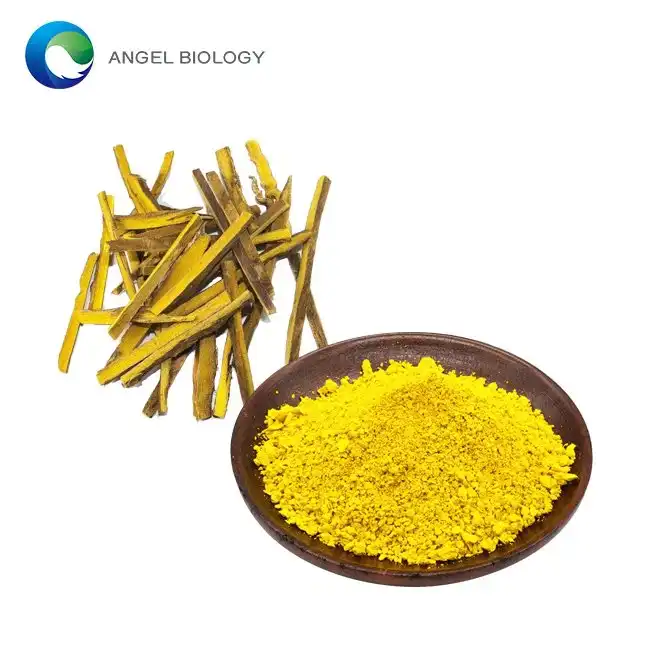
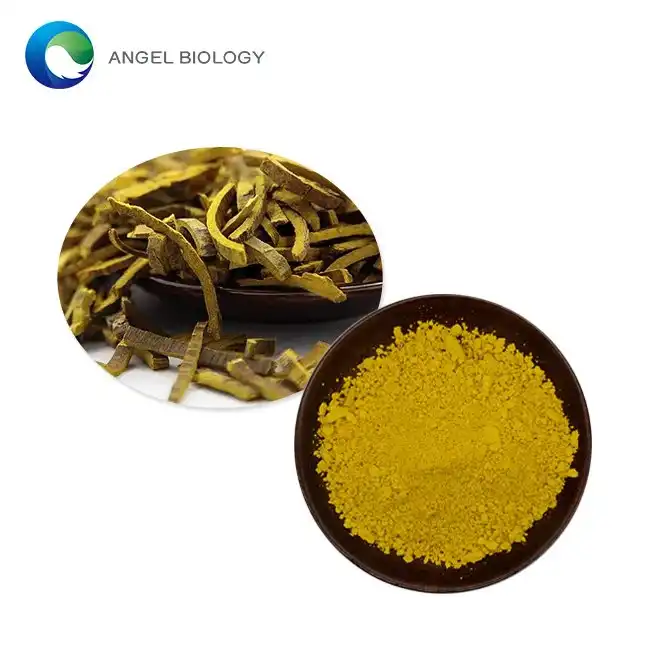
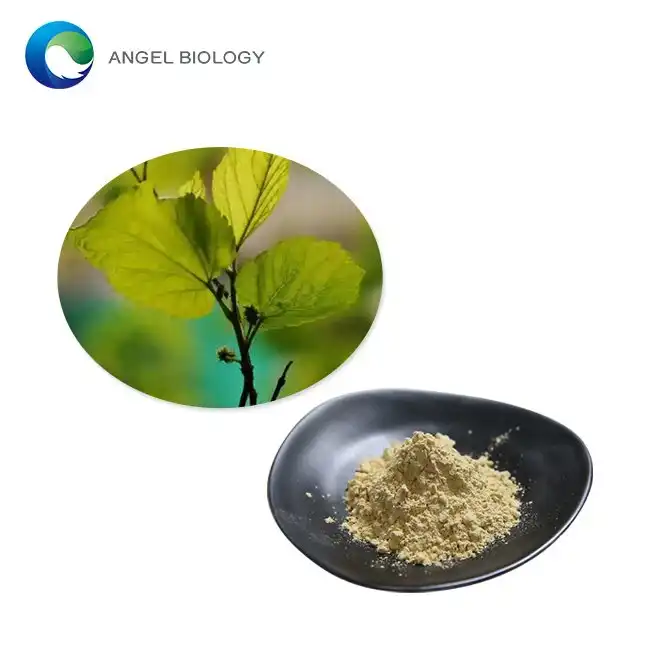
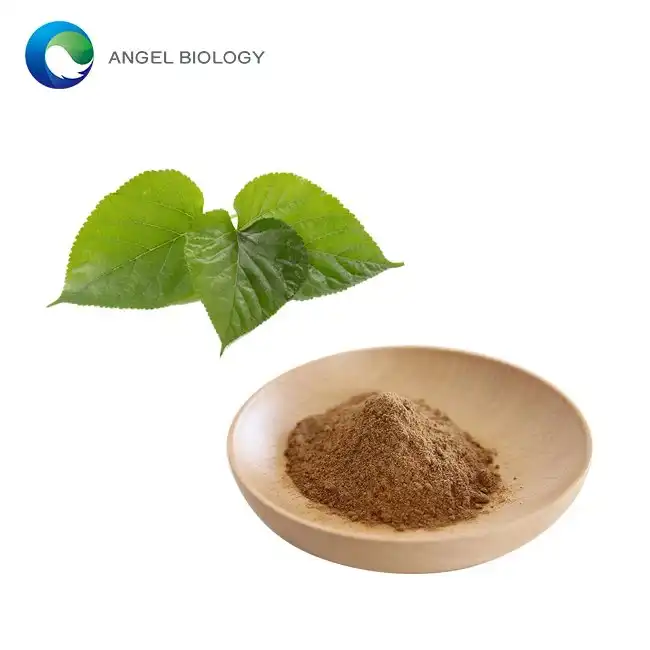
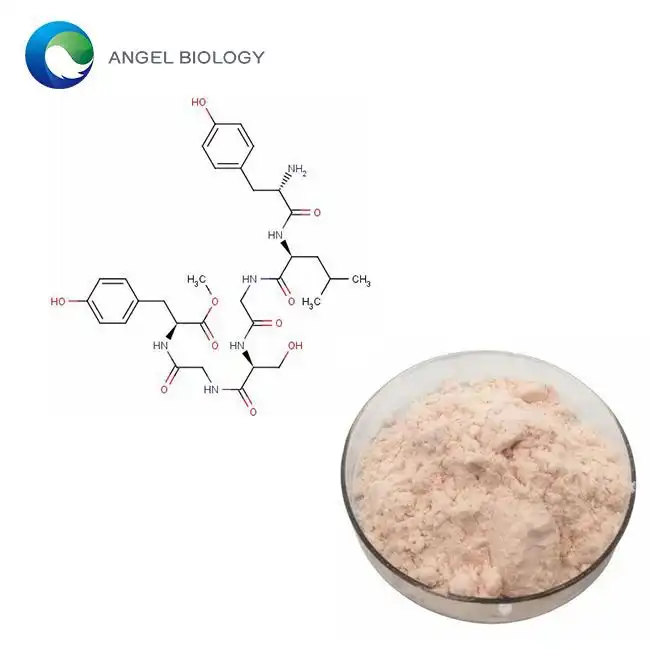
A widely used analytical approach for determining resveratrol content is HPLC, or high-performance liquid chromatography. Reference standards and validated or suitably qualified analytical methods are used to determine the content of the target compound. Commercial knotweed extracts may be standardized to different Trans-Resveratrol levels, such as 50%, 95%, 98%, or 99%, depending on the manufacturing process and intended application. Higher-purity fractions are often white to off-white powders, while lower-purity grades may retain a brown or yellow-brown appearance because of other naturally occurring polyphenolic constituents. UV spectrophotometry can also be used as a rapid screening method when appropriate, while chromatographic testing provides more detailed compositional information.
Multi-Parameter Quality Specifications
A complete specification sheet covers more than the resveratrol assay. It may include moisture, heavy metals such as lead, arsenic, mercury, and cadmium, microbiological parameters, particle-size distribution, residual solvents, and other product-specific requirements. The physical and thermal properties of the ingredient should also be considered when selecting it for solid dosage forms such as capsules and tablets.
Quality Control and Verification in Manufacturing
Quality controls should be incorporated throughout the production process to help ensure that the finished ingredient remains within its agreed specifications. Teams responsible for purchasing Polygonum cuspidatum extract powder should understand the supplier's testing and documentation practices before approving a source.
In-Process Controls and Third-Party Testing
A reliable quality control program can include identification of incoming materials, sampling during extraction and purification, and testing of the finished product before release. Production records may include raw-material lots, equipment identification, processing conditions, and analytical records. This documentation creates a traceable quality history that can support internal quality reviews and regulatory documentation. Suppliers may also work with qualified third-party laboratories to verify purity, composition, and selected contaminants. Combining internal quality control with independent testing can give procurement managers documentation that can be shared with their own QA, QC, and regulatory teams.
Industrial quality systems can be supported by certifications such as ISO 9001, Kosher, or Halal, depending on the supplier and target market. When organic positioning is required, certifications such as USDA NOP or EU Organic should be verified for the specific ingredient, facility, and current certification scope.
Packaging, Storage, and Logistics Standardization
It doesn't help to ship a carefully standardized ingredient if its quality is compromised during transportation or storage. Appropriate packaging and storage conditions are therefore important for maintaining the specified quality of resveratrol extract.
Trans-Resveratrol is sensitive to light and has limited water solubility, so packaging and formulation conditions should be selected accordingly. The extract powder may be packed in polyethylene-lined aluminum foil bags or other packaging systems suitable for the product and order size. For higher-value materials, additional light-protective packaging may be considered. In general, the ingredient should be stored in a cool, dry, and light-protected environment according to the supplier's specification. Shelf life should be confirmed from the manufacturer's stability data and batch documentation rather than assumed as a universal period. Experienced suppliers can provide documentation packages for global B2B customers, including COA, SDS, applicable third-party test results, and relevant customs or product classification information. This can help buyers prepare for import and product qualification requirements in different markets.
Conclusion
Producing and standardizing resveratrol extract from knotweed requires appropriate raw-material selection, controlled extraction, suitable purification, and analytical verification of Polygonum cuspidatum extract powder. Each stage can influence the composition, stability, and specification of the finished ingredient. When companies developing nutraceuticals, cosmetics, or functional foods source this ingredient, they should prioritize suppliers that provide transparent processing information, batch-specific testing, and clear quality documentation. Careful control at each stage helps improve consistency and gives formulation and procurement teams greater confidence when evaluating the ingredient for commercial use.

FAQ
1. What Trans-Resveratrol concentration levels are commercially available?
Trans-Resveratrol extracts are available in different commercial grades, with specifications commonly ranging from around 50% to high-purity grades such as 98% or 99%, depending on the supplier and production process. Higher-purity grades are often white to off-white fine powders and may be selected for applications requiring a higher defined active content. Lower-standardized grades can provide a broader phytochemical profile and may be considered for applications where a lower target concentration is appropriate.
2. Why does Emodin removal matter in procurement specifications?
Anthraquinones such as Emodin can naturally occur in Polygonum cuspidatum. Their level may therefore be included in the finished-product specification depending on the intended application and market requirements. Buyers seeking higher-purity materials should request a defined Emodin specification and supporting analytical data. Simple liquid separation may not provide sufficient selectivity, so additional purification processes such as chromatography may be used when lower Emodin levels are required.
3. What certifications should buyers verify when selecting a supplier?
Buyers should verify the certifications and analytical documentation that are relevant to their specific product and target market. These may include ISO 9001, current third-party COAs, heavy-metal testing, microbiological testing, and applicable pharmacopoeial or industry methods. Organic, Kosher, and Halal certifications may also be relevant for certain markets or customer requirements. Documentation should be checked for the specific product, manufacturing site, and current certification scope.
4. How should the extract be handled to preserve stability during formulation?
Formulators should minimize unnecessary exposure to strong light and follow the supplier's recommended handling conditions. Because Trans-Resveratrol has limited water solubility, water-based formulations may require suitable dispersion or solubilization technologies, depending on the formulation system. Its physical properties can also make it suitable for certain solid formulations, provided compatibility and processing conditions are evaluated during development.
Partner with Angelbio for Reliable Polygonum Cuspidatum Extract Powder Supply
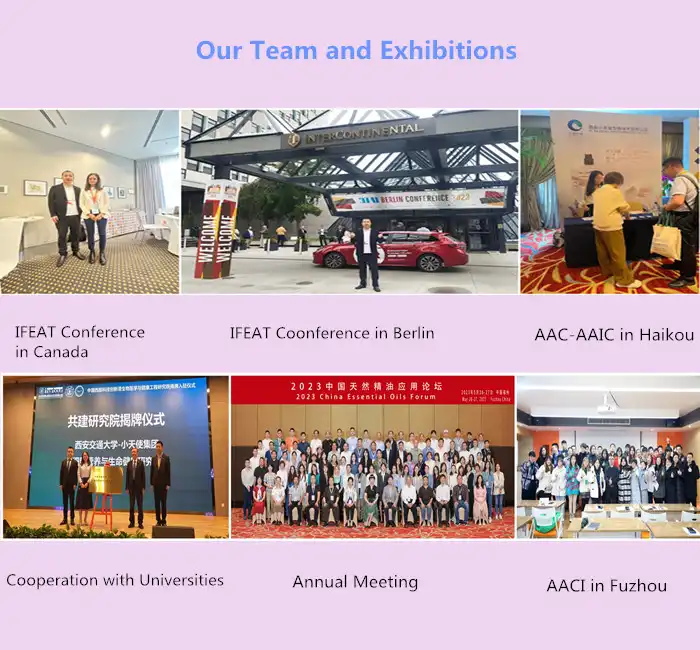
The Angel Holding Group and the Institute of Life and Health Research at Xi'an Jiaotong University worked together to develop Angelbio. With more than 18 years of research and development experience, Angelbio provides Polygonum cuspidatum extract powder in different standardized grades according to application and specification requirements. Buyers can request batch-specific COAs, analytical documentation, and technical information to support supplier qualification and formulation development. Contact us at angel@angelbiology.com to request a sample, specification, or bulk quotation.
References
1. Cottart, C. H., Nivet-Antoine, V., & Beaudeux, J. L. — Molecular Nutrition & Food Research, 2014.
2. Patel, K. R., Scott, E., Brown, V. A., Gescher, A. J., Steward, W. P., & Brown, K. — Annals of the New York Academy of Sciences, 2011.
3. Takaoka, M. — Journal of the Chemical Society of Japan, 1939. (First isolation of resveratrol from Polygonum cuspidatum.)
4. Nawaz, W., Zhou, Z., Deng, S., Ma, X., Ma, X., Li, C., & Shu, X. — Molecules, 2017.
5. United States Pharmacopeia (USP) — USP General Chapter <561> Articles of Botanical Origin, 2022 Edition.
6. European Medicines Agency (EMA) — Guideline on Specifications: Test Procedures and Acceptance Criteria for Herbal Substances, Herbal Preparations and Herbal Medicinal Products, EMA/HMPC, 2011.