



How Quercetin Benefits Your Health
Quercetin Powder offers valuable functional properties through its antioxidant characteristics, making it a popular ingredient for modern nutraceutical formulations. Extracted primarily from Sophora japonica L., this plant-derived flavonol provides formulation advantages for functional products and clean-label applications. High-purity formulations—standardized at 95% to 98% via HPLC—enable consistent specifications and reliable quality across product lines. Its natural origin aligns with clean-label trends while supporting product development needs, positioning this botanical compound as an important component for brands seeking scientifically supported, market-ready ingredients.
Introduction
Because of its well-studied antioxidant characteristics, quercetin has become an important ingredient in the nutrition and functional food industries around the world. Adding this flavonoid to product lines is considered strategically valuable by companies developing nutraceuticals and functional foods. When procurement teams evaluate this botanical active, they need to understand the sourcing environment, quality standards, and formulation possibilities.
This guide addresses the technical issues that R&D directors, formulation managers, and purchasing professionals care about most. We look at what makes premium-grade material different from commodity offerings, from molecular specifications to regulatory considerations. As the market continues to seek natural ingredients with reliable formulation performance, this information supports data-driven buying plans that align with customer preferences and practical manufacturing requirements.
What Is Quercetin Powder and How Does It Work?
Chemical Identity and Extraction Process
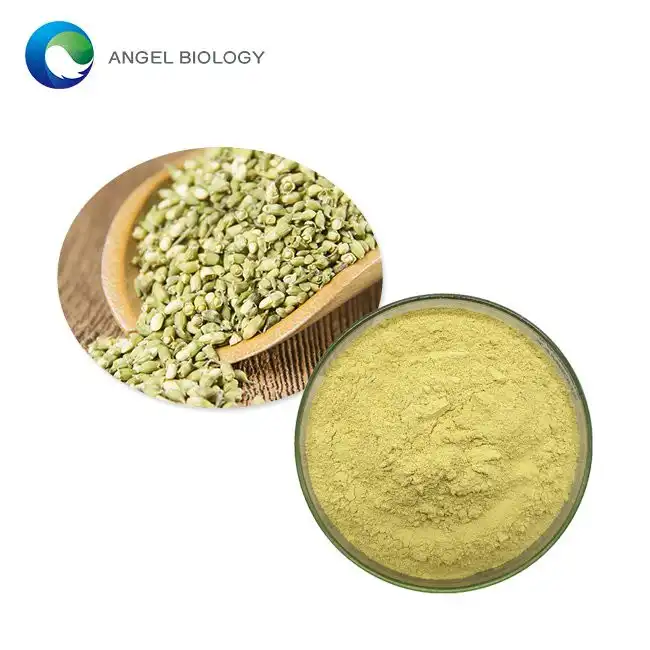
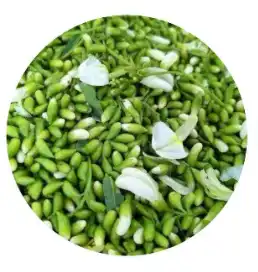
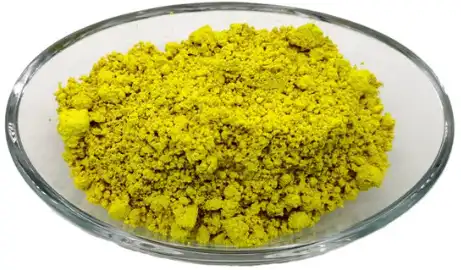
Quercetin Powder is a high-purity plant flavonol with the chemical name 3,3',4',5,7-pentahydroxyflavone (CAS: 117-39-5). Acid hydrolysis of dried flower buds of the Japanese Pagoda Tree is one established approach used for commercial production. This processing method helps obtain more uniform levels of the target compound, meeting manufacturers' requirements for standardized botanical ingredients. Isolated quercetin can achieve consistent assay results in the 95% to 98% range when analyzed using High-Performance Liquid Chromatography, while concentrations in whole-food sources naturally vary.
Mechanism of Bioactivity
The compound is valuable because its molecular structure enables interaction with reactive oxygen species and contributes to its well-characterized antioxidant profile. Quercetin has also been investigated for its interactions with several biological pathways associated with oxidative balance and cellular signaling. These research areas help explain the continued interest in quercetin as a functional ingredient while providing a scientific basis for product development and ingredient positioning.
Industrial Advantages Over Raw Materials
Powder forms produced under controlled manufacturing conditions solve important formulation challenges associated with using natural food sources. Micronization and particle-size control can improve handling and dispersion across selected delivery systems. Quercetin occurs naturally in foods such as onions and apples, but these raw materials are not practical sources for standardized industrial production because their moisture content, seasonal variation, and naturally occurring quercetin levels can differ considerably. Refined Quercetin Powder allows manufacturers to measure the ingredient more accurately, manage storage more efficiently, and incorporate it into tablets, capsules, and selected functional formulations.
Key Functional Characteristics of Quercetin Powder
Antioxidant Capacity and Formulation Support
Laboratory assays demonstrate that quercetin has notable antioxidant activity, reflecting its ability to interact with reactive oxygen species under test conditions. Such antioxidant characteristics contribute to its functional ingredient profile and support its use in a variety of product concepts, including sports nutrition, beauty products, and functional foods. For finished-product developers, actual formulation performance should be evaluated according to the specific matrix, dosage form, processing conditions, and stability requirements.
Functional Properties and Application Potential
Research has documented quercetin's characteristics in relation to oxidative balance and broader ingredient functionality. Its naturally occurring flavonol structure provides formulation flexibility for different product categories when appropriate delivery and dispersion strategies are used. These properties make quercetin a suitable botanical ingredient for brands developing clean-label products with a scientifically informed natural positioning.
Comparing Quercetin Powder with Other Forms and Compounds
Quercetin Dihydrate Versus Anhydrous Forms
With the CAS number 6151-25-3 and a molecular weight of 338.27 g/mol, quercetin dihydrate powder appears as a bright yellow to greenish-yellow crystalline material. Loss on Drying (LOD) values help distinguish the forms: the dihydrate contains two bound water molecules, which generally results in a higher moisture-related measurement, while anhydrous forms contain substantially less bound water. This difference affects storage, handling, and formulation considerations. Both forms have high thermal stability, while their different crystalline structures can influence processing and product development requirements.
Solubility Profiles and Delivery Technologies
The compound has limited water solubility, which can create formulation challenges for aqueous products. Advanced delivery technologies such as liposome encapsulation, phytosome complexation, and other dispersion approaches are therefore explored in some applications. These technologies can improve dispersion characteristics and expand formulation options when properly designed and validated. When compatible phospholipid carriers such as non-GMO soy lecithin or sunflower lecithin are used, specialized delivery systems can be developed for selected quercetin applications.
Comparative Analysis with Complementary Botanicals
Quercetin is a widely studied plant flavonol with antioxidant characteristics that make it useful in comparison with other botanical ingredients such as curcumin from turmeric. While both ingredients have antioxidant properties, their color, solubility, sensory profile, and processing behavior differ and should be considered during formulation. Quercetin may also be combined with ingredients such as vitamin C or bromelain to create differentiated botanical formulations. This gives product developers greater flexibility when designing customized ingredient systems for different markets.
Practical Guidance on Using Quercetin Powder in B2B Applications
Dosage Parameters and Quality Profiles
Usage amounts vary depending on product category, formulation requirements, target market, and application objectives. Manufacturers should establish appropriate inclusion levels based on the intended product design, ingredient specification, applicable regulations, and finished-product testing. Procurement teams should ensure that suppliers provide complete technical documentation, including specifications, quality reports, analytical results, and batch-specific Certificates of Analysis.
Application Across Product Categories
Quercetin Powder is used by nutraceutical companies in functional ingredient blends and botanical formulations. High-quality materials that meet defined specifications can support product development across supplements and functional food applications. In functional drinks, dispersion characteristics, sensory profile, and processing conditions need to be evaluated carefully. For ready-to-drink formats, specialized preparation or delivery systems may be considered. Because of its well-characterized antioxidant properties, quercetin is also considered by sports nutrition companies for formulations focused on antioxidant and functional ingredient positioning.
Quality Standards and Regulatory Considerations
Distinguishing pharmaceutical-grade, food-grade, and other commercial specifications requires understanding the requirements applicable to each intended use. For pharmaceutical-related applications, GMP systems, detailed quality documentation, stability information, and validated analytical methods may be required according to the applicable regulatory framework. Food-grade specifications also require controlled quality parameters but are designed for relevant food and supplement applications. International markets have different regulatory requirements, so procurement strategies should ensure that the selected material and supporting documentation are appropriate for the target market.
How to Source and Procure High-Quality Quercetin Powder
Evaluating Supplier Technical Capabilities
Finding high-quality quercetin starts with evaluating the analytical and quality-control systems of potential suppliers. Look for partners with appropriate HPLC testing capabilities, established analytical procedures, and documented batch-to-batch consistency. Purity testing, heavy metal screening, microbiological testing, and residual solvent analysis should be included in the relevant quality documentation. ISO 9001 certification can demonstrate an established quality-management system, while GMP compliance may support controlled manufacturing for applicable applications. Suppliers offering traceability from botanical raw materials through processing and final packaging can provide greater supply-chain transparency.
Navigating Pricing Structures and Market Dynamics
Wholesale pricing depends on factors such as production method, purity level, specification, certification, order quantity, and supplier capabilities. Standard 95% assay material may cost less than premium 98% material, while higher specifications can provide value when tighter formulation requirements are involved. Organic certification and non-GMO documentation may also affect pricing where these specifications are required. Strategic buyers should evaluate material cost together with purity, documentation, consistency, lead time, and technical support rather than relying on unit price alone.
Logistical Considerations for International Procurement
Global sourcing requires attention to shipping logistics, customs documentation, packaging, and appropriate storage conditions. Reliable suppliers can provide relevant technical and shipping documentation to facilitate international procurement, depending on the destination market and product classification. Lead times depend on production schedules, testing requirements, order quantities, and shipping methods. Buyers should establish realistic procurement windows before production begins. Maintaining appropriate inventory levels and building stable supplier relationships can help reduce supply interruptions and support more predictable production planning.
Conclusion
Quercetin Powder is a versatile botanical ingredient supported by extensive research into its antioxidant characteristics and phytochemical profile. When purchasing this flavonol, procurement professionals should consider technical specifications, regulatory requirements, supplier documentation, and formulation compatibility to obtain material suited to their application needs. Smart buying decisions require an understanding of the differences between commercial grades, dihydrate and anhydrous forms, purity levels, and delivery technologies. As demand for natural and high-quality ingredients continues to grow, quercetin's formulation versatility makes it a valuable option for nutrition, functional food, and botanical product companies seeking differentiated ingredient solutions.

FAQ
1. Is long-term quercetin consumption considered safe?
The suitability of quercetin for long-term use depends on the intended application, dosage, product category, and regulatory requirements of the target market. Available research has investigated quercetin in different settings, but product developers should not assume that study conditions directly establish safety for every finished product or population. Procurement teams should ensure that suppliers provide appropriate specifications, contaminant testing, and quality documentation for the intended application. Finished-product manufacturers should also evaluate labeling and regulatory requirements before commercialization.
2. How does quercetin's antioxidant capacity compare to other compounds?
Laboratory studies demonstrate that quercetin has notable antioxidant activity, although results can vary according to the testing method, concentration, matrix, and experimental conditions. Rather than treating antioxidant assay values as direct evidence of finished-product performance, formulators should evaluate quercetin alongside other ingredients based on purity, solubility, stability, sensory characteristics, and intended application. Its plant origin and established phytochemical profile make it an attractive option for clean-label and botanical product concepts.
3. What certifications verify quercetin authenticity for bulk purchasing?
Important quality documentation may include GMP-related records where applicable, ISO 9001 certification, HPLC analytical reports, Certificates of Analysis, and relevant organic or non-GMO documentation when these specifications are required. Batch records should confirm ingredient identity, purity, heavy metals, microbiological limits, and residual solvents according to the agreed specification. Reliable suppliers should provide traceability and supporting documentation with shipments, allowing buyers to verify material quality and maintain appropriate procurement records.
Partner with Angelbio: Your Trusted Quercetin Powder Supplier
Angelbio is a natural ingredients company with 18 years of experience in research and development (R&D) and production. We focus on high-purity botanical ingredients supported by controlled manufacturing and analytical quality systems. Our quercetin formulations can be supplied at ≥98% purity according to the specified grade, with batch traceability and detailed COA documentation. As a supplier focused on international quality requirements, we offer ISO-compliant quality systems, and customized technical support tailored to application needs. Our team can help buyers evaluate suitable Quercetin Powder grades, including dihydrate and anhydrous forms, as well as selected delivery-system options. Contact our procurement specialists at angel@angelbiology.com to discuss your requirements, request samples, or obtain a wholesale quotation based on your product development schedule.
References
- Boots AW, Haenen GR, Bast A. Health effects of quercetin: from antioxidant to nutraceutical. European Journal of Pharmacology. 2008;585(2-3):325-337.
- D'Andrea G. Quercetin: A flavonol with multifaceted biological properties. Fitoterapia. 2015;106:256-271.
- Mlcek J, Jurikova T, Skrovankova S, Sochor J. Quercetin and its antioxidant properties. Molecules. 2016;21(5):623.
- Patel RV, Mistry BM, Shinde SK, et al. Research perspectives on quercetin and cardiovascular-related biological activity. European Journal of Medicinal Chemistry. 2018;155:889-904.
- Russo M, Spagnuolo C, Tedesco I, Bilotto S, Russo GL. The flavonoid quercetin in disease-related research: facts and perspectives. Biochemical Pharmacology. 2012;83(1):6-15.
- Xu D, Hu MJ, Wang YQ, Cui YL. Antioxidant activities of quercetin and its complexes. Molecules. 2019;24(6):1123.