



How to Choose High-Quality Puerarin Powder
Choosing high-quality Puerarin Powder requires careful assessment of purity, standardization, supplier credentials, and compliance documentation. This bioactive isoflavone from Kudzu root demands scrutiny across extraction methods, laboratory certifications, and batch consistency—critical factors for nutraceutical, cosmetic, and pharmaceutical formulators seeking reliable, traceable ingredients that meet stringent regulatory standards and deliver consistent therapeutic outcomes.
Understanding Puerarin Powder and Its Value in B2B Procurement
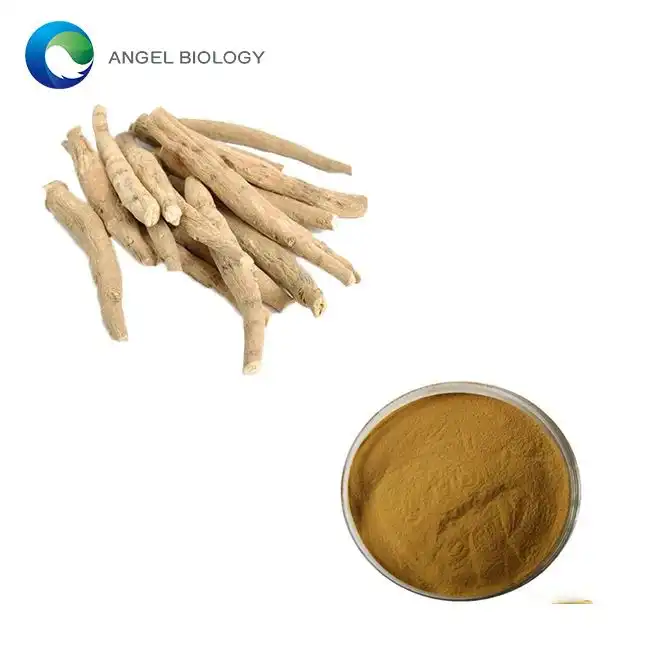
Puerarin Powder represents a refined bioactive compound derived from the roots of Pueraria lobata, commonly known as Wild Kudzu. As a naturally occurring C-glycoside of the isoflavone daidzein, this ingredient has gained substantial recognition across pharmaceutical, nutraceutical, cosmetic, and functional food industries. The plant source goes through extraction and processing steps that make the active chemical more concentrated. Depending on the quality level and application, the purity level can be anywhere from 40% to 98%.
This nutrient is valuable because it has bioactivity that has been proven by science. Clinical research shows that it can help the heart by widening blood vessels, improving microcirculation, and having antioxidants work to help keep the metabolism in check. For formulation scientists and R&D leaders, these qualities mean that their products can stand out in supplement markets that are already very crowded.
Why Purity and Consistency Matter for Your Products
The final product may not work as well, and the company may look bad if the amounts of active ingredients are not consistent. The amount of isoflavone in raw kudzu root powder changes a lot based on when it was picked, where it came from, and how old the plants are. This worry is taken away by standardised extracts, which promise that every batch will have a certain amount of puerarin.
For pharmaceutical-grade formulations to meet pharmacopeial standards, they need to be purer than 98% (HPLC). For nutraceutical uses, 40–80% standardised extracts are usually enough. It is possible to get accurate dosing predictions, reliable clinical results, and true label claims because of this. All of these things are needed for regulatory approval and customer safety.
Key Applications Across Industries
In many areas, this isoflavone can be used in different ways. It is a key ingredient in many heart health vitamins, anti-inflammatory formulas, and metabolic support items in the nutraceutical business. Manufacturers of sports nutrition use it to improve circulation and help muscles recover.
Its anti-inflammatory and antioxidant qualities are valued by cosmetic chemists who use it in anti-aging skin care products to fight oxidative stress and help the skin's repair systems. Functional beverage makers use it in fitness drinks and plant tonics that are meant to improve metabolic health. Using its known effects on glucose metabolism and insulin sensitivity, pharmaceutical researchers are looking into how it could be used in treatments for diabetes and conditions affecting the brain and blood vessels.


Essential Criteria for Choosing High-Quality Puerarin Powder
When choosing high-quality Puerarin Powder, it needs to be carefully evaluated across a number of quality dimensions. To make sure that products are reliable and the supply chain is honest, procurement experts have to deal with technical standards, supplier credentials, and compliance paperwork.
Purity Levels and Standardization Requirements
Pricing and fitness for use are largely based on the purity standard. For pharmaceutical uses, you need material that is USP or Chinese Pharmacopoeia-grade and has a purity level of at least 98%, which can be checked with High-Performance Liquid Chromatography. With these high-purity grades, any chemicals that might get in the way of therapy or cause bad responses are taken out.
Nutraceutical formulations usually use 40–60% standardized extracts, which are a good balance between cost and effectiveness. For cosmetic uses, 20–40% amounts are usually enough to provide bioactivity on the skin while keeping the mixture stable. Certificates of Analysis should clearly state the amount of puerarin present using approved analytical methods, along with details for similar molecules such as daidzin and daidzein.
Extraction Methods and Their Impact on Quality
How the solvent is removed affects product purity, residual solvent, and bioavailability. Clean extracts with minimal chemicals are ideal with ethanol-based extraction. Water extraction improves label appearance but lowers food purity ratings.
Advanced supercritical CO2 extraction delivers pure, high-quality material without liquid residue, but it costs more. Procurement teams should request comprehensive process papers, including extraction solvent, sample concentration, and cleaning instructions. Each CoA should include residual solvent testing for acetone, methanol, and ethanol.
Critical Certifications and Compliance Documentation
When botanical extracts are traded internationally, they must follow all regulations. GMP approval shows that a company follows the rules for making medicines. These rules cover things like building the facility, making sure the processes work, and having good quality control systems. ISO 9001 certification means that the quality management system is strong, and ISO 22000 certification talks about food safety management for supplement uses.
Organic certifications (USDA, EU Organic) meet the demand for clean labels and earn higher prices, but they need full supply chain tracking from planting to processing. Certifications like Halal and Kosher make it easier for some groups of customers to get into markets. For suppliers to enter the US market, they need to show proof that their products are GRAS and follow FDA rules for dietary supplements.
Packaging and Handling Considerations for Bulk Orders
When goods are shipped and stored internationally, they need to be properly packaged to keep their quality. Material that is used in pharmaceuticals needs three layers of packaging: plastic bags on the inside, metal foil layers in the middle to keep out light and moisture, and fiber drums on the outside with desiccants. Large amounts are usually sent in 25 kg fiber drums or 10 kg metal bags. Specialized containers for high-purity types that can't handle heat are also available.
Specifications for storage should make it clear what the temperature ranges are (usually below 25°C), what the humidity limits are, and how long the food will last under those conditions. Isoflavones that are sensitive to light do better in amber or opaque packaging. The documentation should include handling instructions for fine powders that deal with static electricity risks and suggested reconstitution steps for formulators.
Comparing Puerarin Powder Options in the Market
There are a lot of different options for Puerarin Powder purity levels, certification levels, and pricing structures in the global supply landscape. By understanding these differences, you can make smart sourcing choices that are in line with how you want to place your product and your budget.
Concentration Grades and Their Cost-Benefit Analysis
On the market, you can find anything from 20% refined extracts that can be used in healthy foods to 98% pharmaceutical-grade isolates. The nutraceutical market is mostly made up of mid-range amounts (40–60%), which give supplement makers the best cost-performance rates. A 50% standardized extract usually costs 30–40% less than 98% pharmaceutical-grade material and still has enough bioactivity for use as a dietary supplement.
Cost per gram of pure isoflavone is a better way to compare prices than the total price. A product that costs $45/kg and is 40% pure can give pure compound for $112.50/kg, which could be a better deal than a product that costs $120/kg and is 98% pure, which would cost $122.45/kg of pure compound. When figuring out how much to buy, procurement should look at recipe amounts, label claims, and the types of people who will be buying the product.
Organic Versus Conventional Sourcing
Getting organic certification means paying 20–35% more for a product, but it also lets you position it as a premium item and sell it through stores that focus on organic products. Conventional farming provides steady supply levels and lower costs, making it a good choice for mass-market uses. The choice depends on how the brand is positioned, who the target audience is, and how the company plans to stand out from its competitors.
Organic sources have trouble getting enough supplies because it's still hard to grow kudzu according to organic rules. Lead times are 2 to 4 weeks longer than for regular products, so you need to plan ahead to buy them. When you buy from a good manufacturer, the quality parameters for both types are about the same. The main difference is in how the plants are grown, not in their end bioactivity.
Evaluating Supplier Reputation and Manufacturing Capabilities
Production capacity has a direct effect on how reliably supplies are met and how consistently orders are filled. Established companies that make more than 100 metric tons of goods a year use economies of scale, process improvement, and infrastructure investments to keep prices stable and quality high. Smaller producers may be able to offer more customization and flexibility, but they are also more likely to have problems with their supplies.
When judging a supplier, you should look at how long they've been in business, client references from well-known brands, third-party audit reports, and written research partnerships. Vertical integration, which means controlling everything from growing the plants to packing them up, gives you more control over quality but may make it harder to grow. Partnership models with specialized growing bases are a good way to find a balance between control and freedom.
How to Evaluate and Verify Your Puerarin Powder Supplier
Quality problems, supply interruptions, and compliance issues that could delay product starts or lead to expensive refunds can be avoided by carefully screening suppliers of Puerarin Powder.
Essential Questions for Supplier Due Diligence
Inquiries about production capacity should find out baseline and surge capacities, current utilization rates, and lead time commitments for a range of order volumes. Ask for proof that the batch is consistent across recent production runs and look at how the COA changes for important factors. Traceability tools should be able to follow things from the botanical source all the way through extraction, purification, and packing.
Protocols for quality control should be carefully looked over. Find out about the sampling methods, how often tests are done, and internal quality standards that go above and beyond the minimum requirements. How a supplier handles results that don't meet specifications, such as through investigation procedures and corrective action processes, shows how they handle quality culture and responsibility.
Laboratory Testing and Third-Party Verification
Full COAs should include tests for identity (HPLC fingerprinting, TLC), purity, heavy metals (lead, arsenic, cadmium, mercury), microbes (total plate count, yeast/mold, coliforms, viruses), pesticide residue panels, and leftover solvent testing. Third-party laboratory verification through approved sites (ISO 17025) gives extra security over suppliers' own certification.
The best way to be sure is to ask for split samples to be tested independently at buyer-designated laboratories. This method is often used in the pharmaceutical industry to find problems between what a supplier says about a product and how it actually works before making big purchases. The costs of testing are small investments compared to the quality problems that happen later.
Supply Chain Reliability and Logistics for International Markets
Global supply chains need strong strategies for coordinating operations and lowering risks. Suppliers that want to do business in the US and Europe should show that they know how to clear customs, are good at filling out paperwork, and have established freight transportation partnerships. Temperature-controlled shipping keeps the integrity of the product safe while it's in transit, especially for high-purity grades that are easily damaged by heat and humidity.
The warranty should cover replacing a product that isn't up to par, with clear acceptance standards and ways to settle disagreements. Minimum order quantities (MOQs) affect the costs of keeping inventory and the amount of working capital that is needed. MOQs for premium grades usually range from 25 kg to 500 kg for commodity grades. Before supply agreements are finalized, lawyers need to look over the payment terms, liability limits, and "force majeure" clauses.
Best Practices for Using and Handling Puerarin Powder in Your Supply Chain
Proper handling of Puerarin Powder during production, storage, and distribution protects its quality and makes sure that formulations are always the same.
Application-Specific Dosage Guidelines
Cardiovascular supplements usually have between 100 mg and 500 mg of puerarin per serving because clinical studies have shown that these amounts are effective. Anti-inflammatory and metabolic support products use similar doses. On the other hand, 0.5 to 2% amounts are used in topical beauty products. Sports nutrition products that aim to improve circulation may list 200–400 mg along with vasodilators.
When figuring out doses, extract standardization levels must be taken into account. For a 500mg dose, you need 1,250mg of total powder if you use 40% standardized extract, but only 510mg if you use 98% pharmaceutical-grade material. Costs of preparation, capsule sizes, and the ability to serve are all affected by these figures.
Storage Conditions and Stability Considerations
The best way to store ingredients keeps their quality throughout their shelf life. Potency is kept for 24 to 36 months in sealed packages kept at temperatures below 25°C in low-humidity areas. Light, heat, and water all speed up the breakdown of isoflavones, which could mean that their effectiveness drops by 15 to 25 percent every year in bad conditions.
Once a container is opened, it needs to be quickly sealed again with desiccants and used within 6 to 12 months. Changing temperatures during shipping or storage in a warehouse can be dangerous. For packages that take longer than two weeks to arrive, purchase requirements should require climate-controlled logistics. According to ICH guidelines, stability studies give shelf life estimates and storage suggestions based on facts.
Safety Profile and Contraindication Awareness
According to clinical studies, the drug is generally safe at the suggested doses, but some groups of people should be careful. People with diseases that are sensitive to estrogen should talk to a doctor about the hormonal effects of isoflavones. Because they affect the blood vessels and metabolism, anticoagulants and diabetes medicines may interact with each other.
These things should be taken into account on product labels, which should strike a balance between being clear and teaching customers. Good providers back up their safety claims with safety data sheets, toxicology summaries, and written research. This paperwork lets you follow the rules for governmental notifications and backs up marketing claims with scientific evidence.
Conclusion
To choose high-quality Puerarin Powder, you need to carefully look at the purity requirements, extraction methods, supplier credentials, and compliance paperwork. The wide range of uses, including medicines, nutraceuticals, cosmetics, and functional foods, necessitates specific quality standards that meet the needs of the end users and meet governmental standards. Costs and quality guarantees must be balanced by procurement professionals, who use third-party verification and thorough source screening to lower supply chain risks. Brands can be successful in the long term in the competitive wellness market if they form strategic partnerships with well-known manufacturers that offer consistent quality, clear traceability, and technical support.
FAQs
1. How does Puerarin Powder differ from general Kudzu root extracts?
Puerarin Powder is a standardized, highly concentrated form that has a certain amount of isoflavone, usually between 40% and 98% purity. Kudzu root products in general have a lot of different chemicals in them, like starches, proteins, and different amounts of isoflavones, which makes it hard to give the right dose. By guaranteeing the amount of active ingredient, standardized powders make it possible to get the same results every time when formulating and following the rules.
2. What certifications should I prioritize when sourcing for the US market?
GMP certification makes sure that manufacturing meets standards for pharmaceuticals, and ISO certification shows that quality management systems are in place. When checking food supplements, make sure they have FDA-approved paperwork and proof for their GRAS status. Organic approvals (USDA Organic) meet the requirements for a clean label, but regular materials that meet safety standards are still fully legal for normal supplement uses.
3. Can I request samples before committing to bulk orders?
Reliable suppliers offer samples between 50 and 500 grams for formulating new products and checking the quality of existing ones. Sample fees are usually applied as credit toward first orders. This method allows for testing in the lab, recipe trials, and quality comparisons before big purchases are made, which lowers the risk of buying and makes sure that products work well together.
Partner with Angelbio for Premium Puerarin Powder Supply
Angelbio provides top grade and standardized Puerarin Powder backed by 18 years of top-notch research and development and strict quality control. Our GMP-certified factories always make high-purity products that meet international standards. Each batch is backed by a full COA and third-party verification. We are a reliable provider that combines the resources of Angel Holding Group with the study skills of Xi'an Jiaotong University. We offer technical advice, custom standardization, and dependable global logistics. Email our team at angel@angelbiology.com to get samples, talk about your formulation needs, and find out about our affordable price structures that are made for long-term relationships.
References
1. Zhang, Y., et al. (2019). "Pharmacological Effects and Mechanisms of Puerarin in Cardiovascular Diseases." Phytotherapy Research, 33(4), 524-539.
2. Liu, C., & Chen, J. (2021). "Quality Control and Standardization of Pueraria lobata Extracts in Pharmaceutical Applications." Journal of Pharmaceutical and Biomedical Analysis, 195, 113-126.
3. Wang, H., et al. (2020). "Extraction Technologies and Bioavailability Enhancement of Puerarin: A Comprehensive Review." Food Chemistry, 312, 126-138.
4. Thompson, R.D. (2022). "Regulatory Considerations for Botanical Extracts in US Dietary Supplements." Regulatory Toxicology and Pharmacology, 128, 105-118.
5. Martinez, L., & Kim, S. (2021). "Cosmetic Applications of Isoflavones: Formulation Stability and Efficacy Assessment." International Journal of Cosmetic Science, 43(2), 201-215.
6. Anderson, P., et al. (2023). "Supply Chain Quality Management in Phytopharmaceutical Manufacturing." Journal of Natural Products Research, 37(1), 89-104.