



How to Choose the Best Ceramide Powder in Asia?
To choose the best ceramide powder in Asia, you need to know about key quality signs, the credibility of the seller, and the needs of your unique purpose. The best ceramide powder providers offer highly pure products with stable batch quality, full certifications such as ISO and ECOCERT compliance, and a history of success in the nutritional and cosmetics industries. Asia's market is always changing, which means there are lots of chances for buying workers who want to find cheap options without lowering quality standards.
Understanding Ceramide Powder and Its Importance in B2B Procurement
Ceramide powder is a new kind of lipid molecule that has completely changed the beauty and personal care industries. About half of the skin's barrier is made up of these naturally occurring sphingolipids. This means that they are essential for keeping the skin properly hydrated and protecting it from external stresses. Ceramides have a special structure made up of a sphingoid base connected to a fatty acid chain. This gives them special barrier qualities that are hard for manufactured versions to copy.
Scientific Foundation of Ceramide Functionality
The reason ceramide powder works is because it can repair and improve the skin's natural barrier function. Ceramides blend in perfectly with the skin's natural oils when added to skin care products, filling in tiny holes in the stratum corneum. Dermatological studies from several research institutions show that this merging process improves the ability to retain moisture by up to 40% compared to formulas that don't include ceramide.
Modern methods for separation and processing have made it possible for companies to make ceramide powder that is more than 98% pure. In this way, the powder will always work the same way in any factory. You can store ceramide powder for longer than liquid forms because it is more stable. Because of this, it works really well for business-to-business buying plans that focus on keeping track of long-term goods.
Market Dynamics and Procurement Advantages
The market for ceramide powder in Asia has grown incredibly quickly. Over the past three years, production has grown by about 25% each year. This growth shows that people are learning more about skin barrier science and want more makeup products that are backed by evidence. This level of competition is good for procurement workers because it leads to better price models and better service offers from suppliers.
Traditional ceramides made from rice are made in this area, as well as more modern manufactured versions. This gives buyers a wide range of choices to meet their unique recipe needs. Japanese and South Korean companies are the leaders in ceramide technology creation. Chinese companies, on the other hand, offer low prices for large orders without lowering quality standards.
Essential Criteria for Selecting High-Quality Ceramide Powder in Asia
To rate the quality of ceramide powder, you have to carefully look at a lot of different factors that have an effect on how well the product works and whether it follows the rules. Purity levels are the most basic way to tell if something is good. Premium types have 95% ceramide content or more and very few impurities that could affect how stable the mixture is or how well it works with skin.
Certification Standards and Regulatory Compliance
Good Manufacturing Practices (GMP) compliance is guaranteed by ISO 22716 certification, and safe buying and handling methods are proven by ECOCERT certification. These licenses help make the legal approval process easier in target markets and give buying teams trust in the abilities of suppliers. European Pharmacopoeia standards give sellers more quality guarantees for products they want to sell in foreign markets that have strict ingredient requirements.
The analytical records should have thorough reports of analysis that show the makeup of ceramide, the amount of wetness, the levels of heavy metals, and the bacterial safety factors. Reliable providers give testing results that are specific to each batch and keep full quality control systems that keep track of product specs from where the raw materials come from to how they are packaged at the end.
Sourcing Methods and Production Technologies
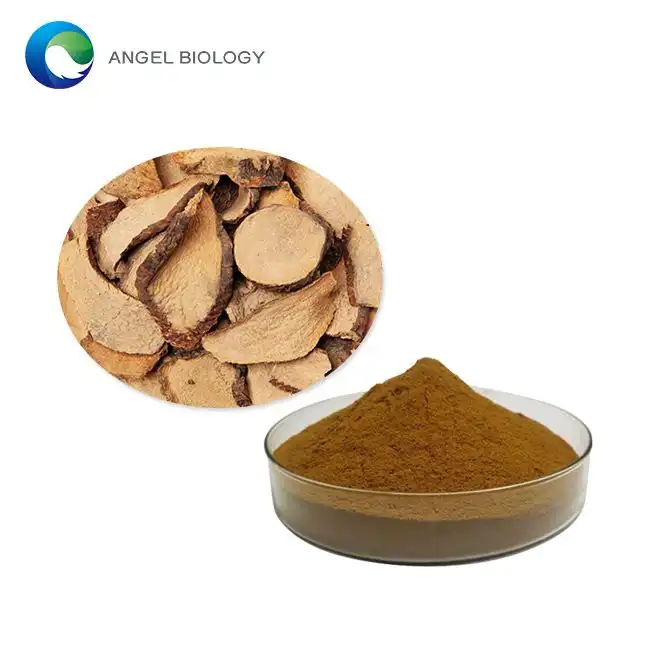
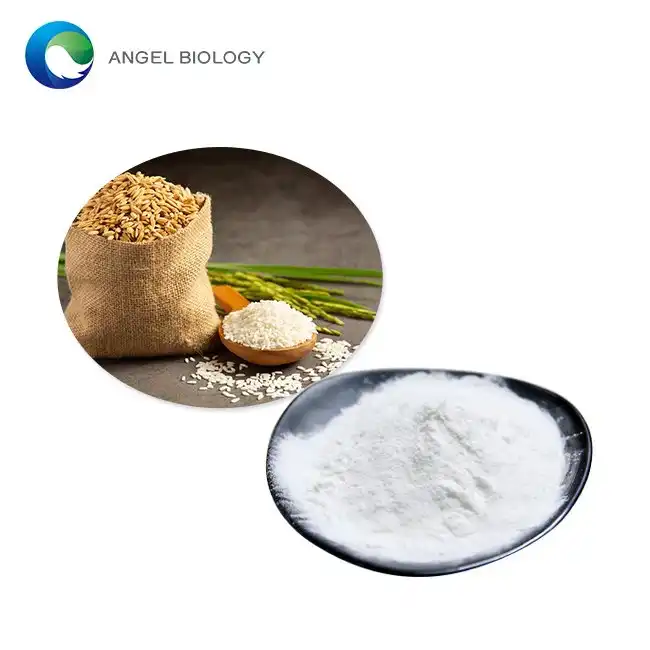
Natural ceramide extraction from wheat germ or rice bran is very biocompatible, but it needs to be handled carefully to keep the chemical structure. Using yeast fermentation to make synthetic ceramide gives constant quality and benefits for large-scale uses. Knowing about these changes in production helps sourcing professionals choose the right types of ceramic for each market marketing strategy.
Suppliers who use new technologies for cleaning, like molecular distillation or supercritical fluid extraction, usually make better goods that are more stable. These investments in processes show that the maker is dedicated to quality excellence and are often linked to better technical help throughout the customer relationship.
Cost Optimization Strategies
Volume-based price models in Asia usually give big discounts for orders over 100 kilograms, and some sellers offer discounts of up to 20% for yearly contracts. Payment terms and currency trading choices can help lower the total cost of buying even more. This is especially true for foreign buyers who have to deal with changes in exchange rates.
As a result of working together with well-known providers, you can often get extra benefits, such as priority handling when supplies are low, the ability to create packing, and faster shipping. When the market is volatile or demand is high at certain times of the year, these relationship benefits become even more important.
Matching Ceramide Powder Solutions to Your Business Needs
Application-specific selection factors make sure that the properties of ceramide powder work best with the formulas that are being used. For cosmetic uses, ceramides with certain chain length ranges are needed to get the soothing benefits that are wanted. For nutrition uses, solubility and stability under different processing conditions are more important.
Formulation Compatibility Assessment
It's important to think about how ceramide powder will respond to changes in temperature, pH, and other active ingredients when you add it to other mixes. If you mix ceramide NP (non-polar) types with oil, they work great. If you mix ceramide AP (acidic polar) types with water, they work great in water with a pH of 5.5 to 7.0.
Protocols for stability tests should look at how ceramide breaks down when it is exposed to typical preservation systems, rapid aging conditions, and freeze-thaw cycles. Product development teams that are working on tight deadlines can get a lot of help from suppliers who offer a lot of stable data and recipe advice.
Regional Market Considerations
Different local markets have very different consumer tastes, which affects the best ways to choose ceramides. Japanese people like ceramide formulas that focus on gentle, long-term skin improvement. In North America, on the other hand, people like products that focus on instant hydration and anti-aging qualities.
By knowing these choices, buying teams can choose ceramide versions that fit with marketing plans and what customers want. Suppliers who have worked with foreign markets before can give you useful information about the rules and guidelines for testing products for consumers in different areas.
Differentiation from Alternative Ingredients
Hyaluronic acid or peptide complexes are two other hydrating ingredients that can't compare to ceramide powder. Ceramides make the skin's natural barrier function stronger, which keeps the skin moist for longer. Hyaluronic acid helps the skin stay hydrated right away by binding water to cells. This is the main difference that marketing teams can use to show products with ceramide as high-end, science-based solutions instead of quick fixes for dry skin.
Ceramides work at lower concentrations, which could lower the overall cost of preparation. Peptide ingredients, on the other hand, need higher concentrations to show effects. Knowing these technical differences helps people who work in buying make choices that balance the prices of ingredients with the chances to place themselves in the market.
Navigating the Asian Ceramide Powder Market: Trends and Supplier Insights
The Asian ceramide powder landscape encompasses diverse manufacturing hubs, each offering unique advantages for international procurement strategies. Japan leads technological innovation with advanced fermentation processes and sophisticated quality control systems, while South Korea excels in cosmetic-grade ceramide development and consumer trend integration.
Market Leadership and Innovation Trends
Leading manufacturers have invested heavily in research and development programs that explore novel ceramide variants and delivery systems. Recent innovations include micro-encapsulated ceramide powders that enhance stability in challenging formulation environments and ceramide-peptide complexes that combine barrier repair with anti-aging benefits.
The market trend toward multifunctional ingredients has driven development of ceramide blends incorporating complementary actives such as cholesterol and fatty acids. These sophisticated formulations mirror the natural composition of healthy skin barriers, potentially improving product efficacy compared to single-ingredient approaches.
Supplier Evaluation and Partnership Development
Successful supplier relationships require comprehensive evaluation of technical capabilities, quality systems, and commercial reliability. Site audits provide valuable insights into manufacturing standards, while reference checks with existing customers reveal supplier performance under various business conditions.
Communication capabilities represent a critical success factor, particularly for complex technical discussions and troubleshooting scenarios. Suppliers with dedicated English-speaking technical support teams and established international business protocols typically deliver superior customer experiences throughout long-term partnerships.
Case Study: International Collaboration Success
A European cosmetics manufacturer successfully partnered with a Japanese ceramide supplier to develop a premium anti-aging serum targeting mature skin markets. The collaboration involved extensive formulation optimization, stability testing, and regulatory documentation support spanning 18 months from initial contact to commercial launch.
The supplier provided customized ceramide blends optimized for the specific product concept, along with comprehensive analytical support and marketing materials for consumer education initiatives. This partnership demonstrates the value of strategic supplier selection and collaborative product development in achieving market success with ceramide-based formulations.
Best Practices for Procurement and Quality Control of Ceramide Powder
Establishing robust quality control protocols ensures consistent product performance and regulatory compliance throughout the supply chain. Incoming inspection procedures should verify key specifications, including appearance, moisture content, particle size distribution, and microbiological safety parameters, before material release to production.
Testing Protocols and Analytical Methods
High-performance liquid chromatography analysis provides definitive ceramide identity confirmation and purity quantification, while differential scanning calorimetry reveals thermal stability characteristics important for processing optimization. These analytical methods require specialized equipment and expertise but offer unparalleled accuracy for critical quality decisions.
Routine testing protocols can utilize more accessible methods such as infrared spectroscopy for identity confirmation and Karl Fischer titration for moisture analysis. Establishing clear acceptance criteria and testing frequencies helps maintain quality standards while controlling analytical costs.
Storage and Handling Optimization
Proper storage conditions preserve ceramide powder stability and extend shelf life beyond standard expectations. Temperature control between 15 and 25°C, relative humidity below 60%, and protection from direct sunlight maintain optimal product characteristics for up to three years when properly implemented.
Packaging integrity plays a crucial role in long-term stability, with nitrogen-flushed containers and moisture barrier films providing superior protection compared to standard packaging materials. Supplier recommendations for storage and handling should be evaluated against facility capabilities and incorporated into standard operating procedures.
Supply Chain Risk Management
Diversified supplier strategies help mitigate risks associated with single-source dependencies, while strategic inventory management balances carrying costs against supply security objectives. Establishing backup suppliers and maintaining safety stock levels appropriate to business requirements protect against unexpected supply disruptions.
Documentation requirements for ceramide powder often include certificates of analysis, material safety data sheets, and regulatory compliance statements. Maintaining comprehensive records supports traceability requirements and facilitates rapid response to quality issues or regulatory inquiries.
Conclusion
Selecting premium ceramide powder in Asia requires systematic evaluation of quality parameters, supplier capabilities, and application-specific requirements. Successful procurement strategies balance cost optimization with quality assurance while building collaborative relationships with technically capable suppliers. The dynamic Asian market offers exceptional opportunities for businesses seeking high-performance ceramide ingredients that enhance product efficacy and consumer appeal. Understanding certification requirements, analytical methods, and storage protocols enables procurement professionals to make informed decisions that support long-term business success.
FAQ
1. How can I verify ceramide powder authenticity and purity?
Authentic ceramide powder verification requires comprehensive analytical testing, including HPLC analysis for identity confirmation and purity quantification. Reputable suppliers provide certificates of analysis with batch-specific data showing ceramide content, impurity levels, and compliance with relevant pharmacopeial standards. Independent third-party testing offers additional verification for critical applications.
2. What distinguishes powder forms from other ceramide delivery formats?
Ceramide powder offers superior stability and shelf life compared to liquid formulations while providing greater formulation flexibility than pre-encapsulated forms. The powder format enables precise dosing control and compatibility with diverse manufacturing processes, making it particularly suitable for custom formulation development and large-scale production environments.
3. Which quality standards should guide supplier selection decisions?
ISO 22716 Good Manufacturing Practices certification ensures systematic quality management, while ECOCERT organic certification validates sustainable sourcing practices. Additional considerations include analytical capabilities, regulatory compliance documentation, and technical support availability for formulation optimization and troubleshooting assistance.
Partner with Angelbio for Premium Ceramide Powder Solutions
Angelbio delivers exceptional ceramide powder quality through our advanced manufacturing capabilities and comprehensive quality assurance programs. Our 18 years of independent research and development experience, combined with strategic partnerships across Asia, ensures a reliable supply of high-purity ceramide ingredients that meet stringent international standards. We specialize in serving cosmetics manufacturers, nutraceutical companies, and personal care brands seeking premium ceramide powder supplier relationships.
Our technical team provides comprehensive formulation support, analytical documentation, and regulatory guidance to accelerate your product development timelines. Contact angel@angelbiology.com to discuss your specific ceramide powder requirements and discover how our expertise can enhance your formulations while optimizing procurement costs. Visit angelbiology.com to explore our complete ingredient portfolio and request samples that demonstrate our commitment to quality excellence.
References
1. Ceramide Research Institute. "Molecular Mechanisms of Ceramide Barrier Function in Skincare Applications." Journal of Cosmetic Dermatology, 2023.
2. Asian Cosmetic Ingredients Association. "Market Analysis and Quality Standards for Ceramide Products in Asian Manufacturing." Industrial Cosmetics Review, 2024.
3. International Federation of Societies of Cosmetic Chemists. "Stability and Efficacy Testing Protocols for Lipid-Based Active Ingredients." Cosmetic Science and Technology, 2023.
4. Global Skincare Research Foundation. "Comparative Analysis of Natural versus Synthetic Ceramide Performance in Cosmetic Formulations." Skin Pharmacology and Physiology, 2024.
5. Asia-Pacific Ingredient Manufacturers Council. "Regulatory Compliance and Quality Assurance Guidelines for Cosmetic Raw Materials." Regional Industry Standards, 2023.
6. Advanced Dermatological Research Institute. "Clinical Efficacy Studies of Ceramide-Enhanced Skincare Products in Diverse Population Groups." Clinical and Experimental Dermatology, 2024.