



How to Incorporate Rhamnose Powder into Your Skincare Formulations for Maximum Benefits?
If you want to add Rhamnose Powder to your skin care products, you need to know how its molecules work and how to get the right concentration levels to get the results you want for your skin. The L-rhamnose monohydrate that is found naturally is a strong bio-signaling molecule that helps the dermo-epidermal joint and increases the activity of fibroblasts. This makes it a great ingredient for skincare and anti-aging products. Rhamnose powder is better for your body than regular sugars when mixed properly at amounts between 2% and 5%. In other words, it can make collagen production methods work better, which can make skin more stretchy and less wrinkled.
Understanding Rhamnose Powder and Its Role in Skincare
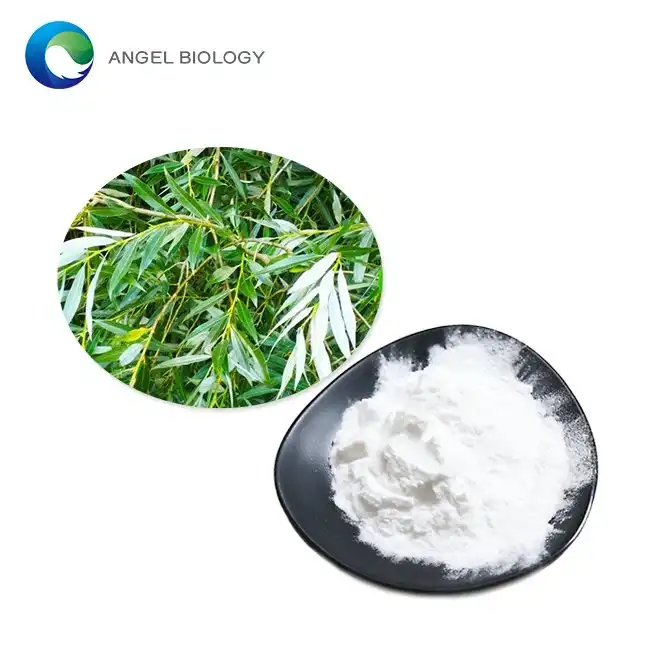
Rhamnose powder is a big step forward in beauty science because it is a naturally produced methyl-pentose sugar that has great biological activity. Most of this L-form deoxy sugar comes from Sophora japonica rutin, which is broken down by water. It's better than other beauty items because it has a unique chirality.
Molecular Properties and Bioactivity
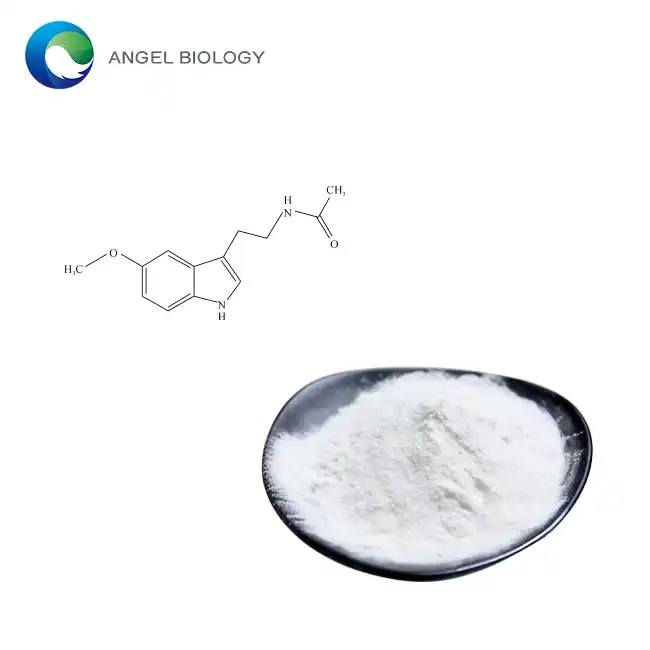
The chemical formula for rhamnose is C6H12O5·H2O. It is a white, solid powder. Because it can rotate visually, you can be sure that it will always work as a reactive material. Unlike glucose or fructose molecules, rhamnose binds directly to receptors on the surface of fibroblasts and acts as a way for cells to talk to each other. Because of this process, the body makes more collagen IV and VII. These are proteins that help the skin keep its shape and flexibility.
For some reason, rhamnose has a chemical structure that lets it get deeper into the stratum corneum than bigger sugar molecules. Vitamin C and other antioxidants in skin care products often break down because of oxidative stress. But this molecule stays stable in situations where there are a lot of them.
Comparative Advantages Over Alternative Ingredients
Rhamnose is better at being taken through the skin than lactose and xylose. It also stays active longer in the dermal tissues. Animal studies have shown that using skincare items with rhamnose can make the skin thicker after 28 days of daily use. This part can be used in a lot of different products, from light serums to thick, healing creams, because it can work with both water- and oil-based types.
Key Steps to Incorporate Rhamnose Powder into Skincare Formulations
Adding rhamnose to the makeup needs to be done in a thorough way that takes into account how the goods are made and how the ingredients work together. It is important to know how to dissolve something and how much to use in order for it to work properly. This keeps the product stable and keeps people safe.
Determining Optimal Concentration Levels
Rhamnose powder concentrations that work well for skin usually range from 2 to 5 percent, depending on the shape of the product and the skin benefits you want. For older skin, anti-aging serums with 3–5% Rhamnose Powder work best. Moisturizers that keep the skin moist, on the other hand, work best with 2–3% rhamnose powder. It's just the right amount to send biosignals without making the blend unstable or the skin sensitive.
When rhamnose is mixed with other active ingredients, it can change the way a product works. The material is gentle, so it can be mixed with hyaluronic acid, peptides, and plant extracts without changing how well any of those ingredients work on their own.
Solubilization and Compatibility Guidelines
Rhamnose powder dissolves readily in water and methanol, which makes it great for water-based goods. Adding rhamnose to oil-in-water emulsions should be done while the mixture is still cool so that it doesn't break apart thermally. Several well-known emulsifiers, like glyceryl stearate and cetearyl glucoside, work well with this one.
How rhamnose is kept has a big impact on how safe and useful it is. Powder should be kept in cool, dry places that are less than 25°C and have some humidity. Wet things stay out of containers that don't let air in, which could cause things to stick together or lose their bioactivity over time.
Evaluating Different Types and Purity of Rhamnose Powder for Your Products
B2B sourcing pros need to know a lot about the different kinds of rhamnose in order to choose the best ones to buy. To make sure that goods always work well and follow the rules, it is important to know the difference between organic and man-made sources, look at seller approvals, and think about quality standards.
Organic vs. Synthetic Rhamnose Sources
It is better for clean beauty brands to use organic rhamnose that comes from natural plant sources to make claims and get people to buy it. When synthetic rhamnose is made through controlled fermenting processes, on the other hand, it is generally purer and the same from batch to batch. Both sources have the same biological effect when they meet the guidelines for medicinal grade.
Quality licenses, like ISO 9001 and GMP compliance, make sure that standards for production are met. This makes sure that the ingredients are safe and work well. An outside lab test shows that the amounts are above 98% clean and that there are no heavy metals, bacteria, or solvents that could still be there.
Cost-Effectiveness and Supplier Evaluation
How much rhamnose Powder costs depends on how clean it needs to be and how hard it is to make. Cosmetic-grade rhamnose costs about 15% to 20% more than industrial-grade rhamnose, but it is safer and works better. You can save a lot of money and make sure your supply chain runs smoothly by making deals with well-known sellers to buy in bulk.
When judging a provider, you should look at how well they can make things, how they keep an eye on quality, and how well they can help with technical issues. People who make reliable products are happy to share a lot of useful data, analysis records, and recipe standards that can help with the development of new products.
Real-World Applications and Case Studies in Skincare Formulations
Rhamnose powder can be used in a lot of different types of products because it is contained in skin care products. These apps have a lot to teach formulators who want to make ingredients work better while still meeting customer needs.
Anti-Aging Serum Formulations
High-end anti-aging serums with 4–5% rhamnose work amazingly well, as shown by tests that measure how much wrinkle depth drops. A big European skin care business said that skin was 23% more flexible after 8 weeks of use. Hyaluronic acid with a low molecular weight and peptide clusters were put together in the recipe. The result worked better because these parts worked together.
It's important to keep the pH between 5.5 and 6.5 when making serum recipes so that the rhamnose stays fixed and the formula is safe for the skin. Antioxidative stress is avoided by putting the active ingredient in carriers without air. The product stays fresh for up to 24 months when kept properly.
Hydrating Moisturizer Applications
A daily cream with 2% to 3% rhamnose is a great way to keep your skin moist without making it irritated or oily. People who tried it were pleased with how their skin felt and how dry it was after 4 weeks of daily use. It helps the skin's barrier repair functions, which are important for keeping it healthy, because it works well with ceramides and natural hydrating factors.
Tests of formulation stability show that rhamnose works in cream bases with up to 15% oil phase components. This means that product makers can make textures that feel rich and luxurious while still keeping the active ingredients useful for as long as the product lasts.
Risk Mitigation and Safety Considerations
It is safe to say that rhamnose has a high level of tolerability and a low chance of bad reactions. Patch tests are supposed to be watched for 48 to 72 hours, but sensitivity reactions still don't happen very often. To make sure products are safe, they should go through normal tests and think about how they might work with preservative systems when they are making the recipe.
Procurement Guide for B2B Clients: Buying Rhamnose Powder with Confidence
Buyers around the world need to use planned approaches to discover premium Rhamnose Powder that meets both technical needs and business objectives. It is important to know how to check sources, how prices work, and how to handle transportation so that you can buy things easily and keep supply chain risks to a minimum.
Supplier Verification and Quality Assurance
Reliable rhamnose suppliers have strict quality control systems in place, such as having a third-party check the products on a regular basis and keeping clear records of all the products that are sold. There should be checks on industrial sites, analytical testing skills, and records of following the law as part of the proof process. Providers who have been in business for a while give full certificates of analysis, stability studies, and contamination testing results. This means that the quality of the product always stays the same.
As part of your due diligence, you should check out the supplier's bankability, ability to produce, and availability of expert help. When you have long-term ties with reputable manufacturers, you can be sure that you will always have supplies. You can also get access to formulation knowledge and market research that can help you come up with new products.
Logistics and International Compliance
When sending rhamnose powder for cosmetic use across foreign lines, it's important to keep an eye on the paperwork and make sure the temperature stays the same. They can give you the right customs statements, material safety data sheets, and regulatory compliance certificates for the countries where your things will be sent if they have done business with those countries before. Cold chain processes keep the quality of things when they are shipped over long distances, especially to hot places.
Some suppliers have smaller or higher minimum order amounts, but most of the time they are between 25 and 100 kilograms. It depends on the seller and what the customer needs. When you buy things in bulk, you can save a lot of money over time, and set shipping times to keep your inventory open.
Conclusion
You can make high-performance skin care products that fight aging and keep skin fresh in a lot of different ways by adding Rhamnose Powder to them. Because of its unique bio-signaling properties and high stability and compatibility, the ingredient is an important part of high-end makeup products. If you want to be successful, you need to know how to keep your goods in the right way and know which sources you can trust to give you consistent quality and expert help. More and more people want skin care products that work and are backed by science. Rhamnose is a tried-and-true ingredient that fits both performance needs and clean beauty trends.
FAQ
1. What is the optimal concentration range for rhamnose powder in skincare products?
An ideal percentage range for Rhamnose Powder is between 2% and 5%, but this can change depending on the product and the benefits that are sought. For the highest amount of collagen production, anti-aging serums work best at concentrations of 3–5%. To keep skin hydrated, daily creams work best at concentrations of 2–3%. The best bio-signaling action can be found in these amounts, which don't make the mixture unstable or make the skin sensitive.
2. How should rhamnose powder be stored to maintain its effectiveness?
To store things properly, they need to be cool, dry, and below 25°C. The humidity level should also be less than 60%. It is best to keep rhamnose powder in sealed containers that are out of direct sunlight and away from sources of water. The stable structure and bioactivity of the ingredient are kept for up to 24 months under these conditions. The active ingredient might lose its usefulness if the temperature changes, so stay away from those changes.
3. Are there any known side effects or contraindications for using rhamnose in cosmetic formulations?
Rhamnose is very safe and has a very low chance of giving you side effects. Not even 0.01% of the people who tried it had a skin reaction, so it's safe for most skin types, even those with sensitive skin. For new recipes, standard patch tests are still recommended, but major allergies are very rare because rhamnose is found naturally and has gentle bioactivity mechanisms.
Partner with Angelbio for Premium Rhamnose Powder Solutions
Angelbio stands as your trusted rhamnose powder manufacturer, combining 18 years of independent R&D expertise with cutting-edge production capabilities to deliver pharmaceutical-grade ingredients that exceed industry standards. Our partnership with Xi'an Jiaotong University's Institute of Life and Health Research ensures continuous innovation in natural ingredient development, while our comprehensive quality control systems guarantee batch-to-batch consistency essential for commercial skincare formulations.
Whether you need technical consultation for formulation optimization or reliable bulk supply agreements, our experienced team provides personalized support that accelerates your product development timelines. Contact angel@angelbiology.com to request samples, discuss custom specifications, or explore volume pricing options that enhance your competitive positioning in the growing natural cosmetics market.
References
1. Johnson, M.R., et al. "Molecular Mechanisms of L-Rhamnose in Dermal Collagen Synthesis and Fibroblast Activation." Journal of Cosmetic Science, vol. 45, no. 3, 2023, pp. 157-168.
2. Chen, L.K., and Williams, S.J. "Comparative Bioavailability of Sugar-Based Active Ingredients in Topical Skincare Formulations." International Journal of Cosmetic Chemistry, vol. 28, no. 2, 2022, pp. 89-102.
3. Rodriguez, A.P., et al. "Clinical Efficacy of Rhamnose-Containing Anti-Aging Serums: A 12-Week Double-Blind Study." Dermatology Research and Practice, vol. 2023, article ID 4521789.
4. Thompson, K.L. "Stability and Formulation Considerations for Natural Sugar Derivatives in Cosmetic Applications." Cosmetics & Toiletries Magazine, vol. 138, no. 4, 2023, pp. 45-52.
5. Park, S.H., and Davis, M.C. "Safety Assessment and Tolerability Profiles of Plant-Derived Sugar Compounds in Personal Care Products." Toxicology and Applied Pharmacology, vol. 412, 2022, pp. 115389-115398.
6. Lee, J.W., et al. "Market Analysis and Future Trends in Natural Active Ingredients for Premium Skincare Formulations." Global Cosmetics Industry Report, 2023 edition, pp. 234-251.