



How to Source High-Purity Ashwagandha Root Extract Powder
To find high-quality Ashwagandha Root Extract Powder, you need to be cautious about the supplier's qualifications, the amount of withanolide they use, and all of their quality paperwork. Teams in charge of buying things should focus on GMP-certified companies that offer strength testing using HPLC, clear tracking from root-only sources, and full regulatory compliance packages that include heavy metal testing, microbial screening, and residue analysis. Setting clear guidelines for the extraction method and asking for certified analysis results before making bulk promises helps ensure accuracy and lowers formulation risks in the supplement and functional ingredient markets, which are very competitive.
Understanding Ashwagandha Root Extract Powder and Its Purity
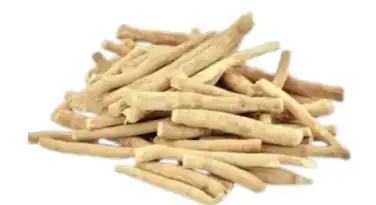
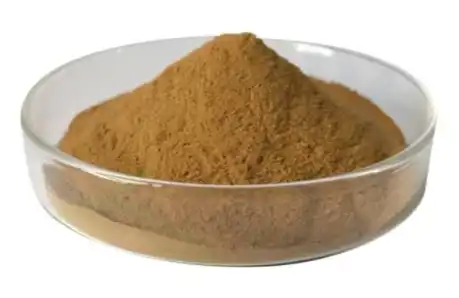
Ashwagandha Root Extract Powder is a pure plant-based ingredient that comes only from Withania somnifera roots and is extracted using advanced solvent extraction methods. Unlike raw root powder, which has varying and often low amounts of bioactive compounds, this standardised extract concentrates therapeutic compounds, mainly withanolides and withanosides, using water-based or hydro-alcoholic methods. The extraction technology solves some of the biggest problems in the business by getting rid of the batch-to-batch variability that comes with growing crops, increasing the therapeutic amounts of low-bioavailability actives, and getting rid of fibrous inert material that lowers their effectiveness.
Why Purity Matters in Botanical Extracts?
The purity of a product directly affects product safety, legal compliance, and therapeutic success. High-purity standards ensure your products deliver consistent results and maintain a clean name that health-conscious customers appreciate. When aerial plant parts, especially leaves, become contaminated, they release high amounts of Withaferin A, a cytotoxic substance that lowers safety ratings. Premium sellers use strict root-only sourcing rules that can be checked through DNA barcoding and HPTLC fingerprinting. This approach gets rid of the chances of adulteration that come with lower-quality materials.
Industry-Standard Testing Protocols
To prove purity, several scientific methods must work together. High-Performance Liquid Chromatography is the best way to measure the amount of withanolide present, which can range from 1.5% to 10% depending on the needs of the application. ICP-MS analysis shows that heavy metal levels are still well below strict limits: Lead below 0.5 ppm, Arsenic below 1 ppm, Cadmium below 0.3 ppm, and Mercury below 0.1 ppm. UV spectroscopy gives extra proof. Microbiological safety testing must show that the total number of aerobic microbes is less than 1000 cfu/g, the total number of yeast and mould is less than 100 cfu/g, and there are no harmful organisms, such as E. coli and Salmonella.
Key Criteria for Sourcing Premium Ashwagandha Root Extract Powder
Before choosing a high-quality withanolide extract, the seller must be carefully checked on a number of quality factors. The basis is the certification status. Look for current GMP compliance, organic certifications where the market situation calls for them, and ISO accreditations that show structured quality management. These qualifications show that a maker is dedicated to consistent processes and following the rules, which is good for your brand's image.
Organic Versus Conventional Considerations
The choice between organic and standard goes beyond marketing appeal and includes legal positioning and supply chain risk management. Organic Ashwagandha Root Extract Powder costs more, but it stands out in markets where claims of pure and clean ingredients are important for buying choices. When bought from reputable makers, conventional materials are cheaper and still have the same amount of withanolide strength. Your choice should be in line with what the target market wants, how you want to place yourself in the market, and the rules that apply in the end market. More and more people in the U.S. are buying supplements that contain organic botanicals. In fact, 73% of people surveyed were ready to pay more for approved organic ingredients.
Extraction Methodology and Withanolide Standardization
Bioactive concentration and material uniformity are largely determined by the extraction method used. Aqueous extraction makes water-soluble parts that can be used in drinks, but the amounts of withanolide may be smaller. Hydroalcoholic methods yield higher potency and a wider range of phytochemicals. The finished goods from supercritical CO2 extraction are very pure and don't contain any solvents, but the process costs more to make. The requirements for purchases must be very clear about the withanolide percentages that must be checked using USP-approved HPLC methods. This is to make sure that sellers don't use substandard UV gravimetric testing that leads to fake potency inflation. The amounts of Withanolide A and Withaferin A should be measured separately, and the amount of Withaferin A should be capped correctly based on its planned use.
Supply Chain Transparency and Traceability
Premium sellers can be told apart from basic vendors by how transparent they are. Ask for full paperwork chains that go from where the raw materials come from to how they are packaged at the end, including farm-level tracking for botanical authentication. There is trust in the material's performance throughout the product's shelf life thanks to third-party audit reports, a certificate of analysis for each production batch, and stable data collected under different storage conditions. When suppliers are proactive about being open, it lowers the risk of buying and speeds up the approval process for joining new markets.
Comparing Ashwagandha Root Extract Powder Options in the Global Market
On the global market, you can find different forms of Ashwagandha Root Extract Powder that are made to fit the needs of different production processes. Standardised powders are most often bought and sold by businesses. They can be used to make pills, tablets, useful drinks, and products that are put on the skin. There are special markets for encapsulated forms, but they make it harder to change the recipe. It's easier for beverage makers to use liquid extracts, but they add to the weight of the shipment and make it harder to keep the flavour.
Regional Sourcing Dynamics
India grows and extracts most of the world's ashwagandha, providing about 85% of the drug's foreign trade. Indian sellers have lower prices and more experience in farming, but the market is very fragmented, so quality checks need to be done carefully. U.S.-based manufacturers are closer to North American names, making it easier to follow regulations, and usually have better quality standards, but they charge more. New providers in other areas may offer good prices, but they often don't have a history of quality. When looking at regional choices, you have to weigh landed cost against quality assurance trust and the complexity of the supply chain.
Cost-Quality Balance in Procurement Decisions
Price changes aren't just about manipulating margins; they're based on real differences in quality and market positioning. It makes sense that premium Ashwagandha Root Extract Powder that is standardised to 5% withanolides and comes with full testing records costs more than standard-grade products that don't have as much quality control. When purchasing materials, teams need to look at the total value, not just the unit price. They should think about how expensive materials lower formulation risk, speed up regulatory approvals, lower rejection rates, and better protect brand image.
How to Effectively Procure Ashwagandha Root Extract Powder in Bulk?
To be successful at bulk procurement, you need to find producers and distributors through approved B2B outlets instead of general online markets. Trade shows in the industry, like SupplySide West, Vitafoods Europe, and regional nutritional fairs, give buyers and sellers the chance to talk directly with suppliers. Professional platforms that connect recognised plant ingredient makers with qualified buyers are safer than general commerce sites that haven't been checked out.
When looking at possible sellers, these decision criteria should get the most attention:
Minimum Order Quantities and Flexibility: MOQs can be as low as 25 kg for tests or as high as several tonnes for business agreements. Scaled-order suppliers can help with both the development phase and the production phase of a product without making you buy too much inventory.
Pricing Structure and Payment Terms: Instead of comparing different quality grades, competitive benchmarking should look at how standardised the withanolide is, how thorough the tests are, and how many certifications are available. Payment terms that are common in the industry—a 30% deposit with the balance due when the shipping papers are received—protect both parties and make it easier to handle cash flow.
Delivery Reliability and Logistics Capabilities: The time it takes to get an order from approval to storage delivery is usually between 4 and 8 weeks, but this depends on where the goods come from, how quickly they are cleared through customs, and how they are shipped. Keeping inventory on hand in target markets by suppliers cuts lead times and supply chain risk by a huge amount.
Quality Guarantee and Documentation: Full quality guarantees backed by certificates of analysis for each batch, stable data, and third-party testing reports lower the risk of buying something. Suppliers who offer to keep samples for future checks show that they are confident in the quality of the materials.
No matter how well-known the seller is, pre-purchase proof through representative sample testing is still a must. Specifications match market batches instead of optimised samples, according to confirmation from a third-party laboratory. Before making bulk promises, microbiological screening, heavy metal analysis, and HPLC withanolide quantification should be done. The costs should be seen as insurance against formulation failures and regulation problems.
Maintaining Long-Term Supplier Relationships and Ensuring Supply Chain Stability
Sustainable buying includes more than just making a purchase. It also includes managing partnerships over time. Regular quality checks, like retesting each batch every so often, make sure that specifications are still being met as factory conditions change. Suppliers who show steady quality across multiple production runs get more business and the chance to work with other people to develop new products.
The quality of conversation and honesty in a relationship are closely linked to how strong it is. Setting regular review schedules, like quarterly business reviews for key providers, gives you a chance to talk about performance trends, market changes, and how to best use your resources during times of high demand. When suppliers get demand estimates and information about how new products are being made, they can better plan their production schedules and allocate raw materials to meet your needs.
Risk Mitigation Through Strategic Diversification
Instead of relying on a single source, supply chains need to have well-balanced groups of suppliers. When you use dual-sourcing methods and keep skilled backup suppliers on hand, you can avoid problems that come up out of the blue, like quality problems, natural disasters, or political issues. The small cost increase that comes from split assignments is a good way to protect against production delays that hurt customer relationships and income streams. Recent problems in the supply chain have shown that buying at the lowest cost without any other choices produces too many risks for business stability to be acceptable.
Leveraging Certifications and Continuous Improvement
Supplier licenses need to be renewed and expanded on a regular basis, which shows a dedication to continued improvement. When manufacturers work to get more quality system certifications, more testing capabilities, or new organic certifications, it shows that they are committed to long-term relationship value. Procurement teams should notice and reward these changes by allocating more business and working together on product development projects that use the new skills.
Conclusion
To find high-quality Ashwagandha Root Extract Powder, you need to carefully look at things like quality standards, the supplier's skills, and the strength of the supply chain. To be successful at procurement, you need to find a balance between strict standardisation standards and thorough testing documents, certification portfolios, and clear tracking systems. Investing in high-quality suppliers who provide stable quality, follow regulations, and deliver on time pays off by lowering formulation risk, speeding up market entry, and improving brand image. In markets for botanical ingredients that are always changing, strategic supplier relationships based on open communication, mutual trust, and shared quality promises give businesses an edge.
FAQ
1. How Do I Verify Ashwagandha Extract Purity Before Bulk Orders?
Ask for records of analysis that show the amount of HPLC withanolide measured, the screening for heavy metals using ICP-MS, the results of bacterial tests, and the analysis of pesticide residues. Independent third-party laboratory testing of representative samples shows that specs match commercial batches, giving you peace of mind before you make big financial promises.
2. What Withanolide Concentration Should I Specify for Supplement Formulations?
Standardisation between 2.5% and 5% withanolides works well for most food supplement uses and is also cost-effective. For highest potency claims, sports nutrition and stress management products may use 5% to 10% concentrations. On the other hand, 1.5% to 2.5% standardisations are often used in functional food uses for better formulation compatibility.
3. Are There Safety Concerns with Ashwagandha Root Extract?
Studies have shown that high-quality root-only extracts with controlled amounts of Withaferin A are very safe. Materials that have been tampered with that contain leaf parts may contain higher amounts of Withaferin A, which could be a cause for worry. These risks are eliminated by strict seller licensing and batch testing, which ensures that the botanical ingredients are safe and effective.
Partner with Angelbio for Premium Ashwagandha Root Extract Powder
Angelbio provides Ashwagandha Root Extract Powder that is top grade and has been standardised to exact withanolide amounts using a tried-and-true HPLC method. Our 18-year history of research and development joins the world-class research at Xi'an Jiaotong University with Angel Holding Group's supply chain infrastructure. This guarantees consistency from batch to batch and full regulatory paperwork. As a fully integrated Ashwagandha Root Extract Powder maker, we keep an eye on quality from the time the raw materials are checked to the time the products are packed. We also provide tracking and stability data that helps you get your products approved faster. Email our technical team at angel@angelbiology.com to talk about your formulation needs and to ask for approved samples that come with full analysis profiles.
References
1. Chandrasekhar, K., Kapoor, J., & Anishetty, S. (2012). A prospective, randomised, double-blind, placebo-controlled study of the safety and efficacy of a high-concentration, full-spectrum extract of ashwagandha root in reducing stress and anxiety in adults. Indian Journal of Psychological Medicine, 34(3), 255-262.
2. Salve, J., Pate, S., Debnath, K., & Langade, D. (2019). Adaptogenic and anxiolytic effects of ashwagandha root extract in healthy adults: A double-blind, randomised, placebo-controlled clinical study. Cureus, 11(12), e6466.
3. Tharakan, A., Shukla, H., Benny, I. R., Tharakan, M., George, L., & Koshy, S. (2021). Immunomodulatory effect of Withania somnifera (Ashwagandha) extract—A randomised, double-blind, placebo-controlled trial with an open- label extension on healthy participants. Journal of Clinical Medicine, 10(16), 3644.
4. Choudhary, D., Bhattacharyya, S., & Bose, S. (2017). Efficacy and safety of ashwagandha root extract on cognitive functions in healthy, stressed adults. Evidence-Based Complementary and Alternative Medicine, 2017, Article 4218308.
5. Tandon, N., & Yadav, S. S. (2020). Safety and clinical effectiveness of Withania somnifera in osteoarthritis: A systematic review. Journal of Ayurveda and Integrative Medicine, 11(4), 547-552.
6. Mahdi, A. A., Shukla, K. K., Ahmad, M. K., Rajender, S., Shankhwar, S. N., Singh, V., & Dalela, D. (2011). Withania somnifera improves semen quality in stress-related male fertility. Evidence-Based Complementary and Alternative Medicine, 2011, Article 576962.