



How to Verify Glucoraphanin Purity and Standardization in Supplier COAs
To make sure that the glucoraphanin in supplier COAs is pure and consistent, procurement teams should make sure that the document has HPLC or LC-MS test results that clearly state the glucosinolate content, the signatures of an accredited third-party lab, and data specific to the batch. A good certificate of analysis (COA) for glucoraphanin powder should list the specified glucoraphanin or glucosinolate content, heavy metal limits, moisture content, and microbial counts. Before making a final choice about where to get the goods, it's important to compare these results with applicable standards and obtain supporting evidence from an independent test where appropriate.
Understanding Glucoraphanin and Its Quality Parameters
Before you can confidently judge a COA, it's helpful to know what you're researching. This is what procurement teams need to know about this ingredient and the most important signs of quality.
What Is Glucoraphanin?
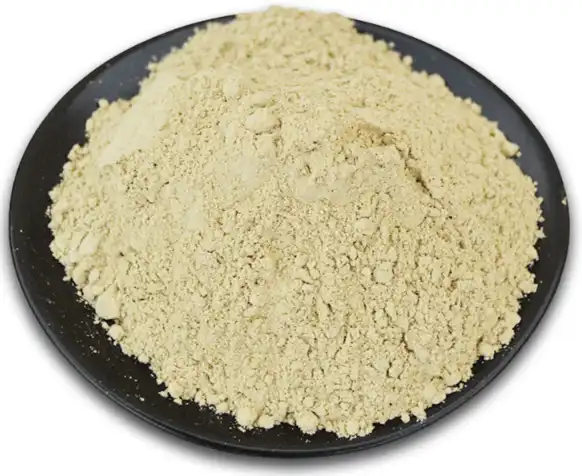
Glucoraphanin is an aliphatic glucosinolate that is naturally found in broccoli seeds and sprouts (Brassica oleracea var. italica). It is a precursor to sulforaphane, which has been studied in relation to the Nrf2 antioxidant signaling pathway. Unlike sulforaphane, which is relatively reactive, glucoraphanin is generally more stable as a raw material and can be converted to sulforaphane through enzymatic processes. This makes it a useful ingredient option for B2B applications where defined composition and raw-material consistency are important.
Key Purity and Standardization Metrics
When you look over a COA, pay special attention to three numbers. First, the amount of glucoraphanin or total glucosinolate content should be clearly stated according to the supplier's specification. For supplement applications, commonly available grades may fall within defined ranges such as 10% to 13%, but the actual specification depends on the product grade and manufacturing process. Second, the identification of 4-methylsulfinylbutyl glucosinolate helps confirm the presence and identity of glucoraphanin rather than relying only on total glucosinolate content. Third, the moisture level should be controlled according to the agreed specification to support ingredient stability during storage and processing.
The Role of Third-Party COA Certification
A COA that is only given by the supplier and hasn't been independently checked provides less verification than one supported by qualified external testing. Teams in charge of buying should ask for COAs or supporting reports from laboratories with appropriate ISO/IEC 17025 accreditation where required. Third-party test results provide additional evidence for the reported composition and contaminant data. They can also help procurement teams determine whether the reported results are representative of routine production batches.
Common Challenges in Verifying Glucoraphanin Purity via Supplier COAs
COA evaluation is rarely straightforward. Several recurring problems surface when sourcing broccoli extract ingredients at scale.
Variability Across Analytical Methods
Both HPLC and LC-MS can be used to measure glucosinolate content, but they may not produce identical results for the same sample. Method differences in the mobile phase, column type, calibration standards, sample preparation, and reporting basis can affect the reported value. Check the analytical method used and determine whether it is appropriate for glucoraphanin and consistent with a recognized or validated procedure when comparing COAs from different sources.
Incomplete or Misleading Documentation
Some COAs don't include batch numbers, testing dates, or specific compound names, which are all warning signs that the document may not adequately represent current production. Keep an eye out for COAs that show "total glucosinolates" without breaking them down into their constituent compounds. This can make it difficult to determine whether glucoraphanin powder meets the intended raw-material specification, especially when developing dietary supplements, functional beverages, or other standardized formulations.
Contamination and Adulteration Risks
Heavy metals, pesticide residues, and microbiological contamination should be evaluated as part of quality control for plant-based ingredients. COAs should report relevant contaminant data against the applicable product specification and target-market requirements. There should also be a clear display of microbial results, such as total plate count and yeast/mold numbers, where applicable. Unexpected glucosinolate profiles or the presence of non-declared Brassica materials can be investigated through suitable analytical techniques, including LC-MS profiling where appropriate.
Step-by-Step Method to Verify Glucoraphanin Purity and Standardization in COAs
A consistent four-step process makes COA review more reliable and reduces the chance of overlooking critical data points.
Step 1 — Confirm Lab Accreditation and Methodology
Make sure that the testing lab has appropriate ISO/IEC 17025 accreditation where required and that the method listed on the COA is suitable for the stated analyte. Request that the supplier give you the full lab report, not just a summary page, when additional verification is needed. The supporting report should provide relevant calibration information and reference standards where applicable.
Step 2 — Benchmark Purity and Glucosinolate Levels
Check the recorded glucoraphanin content against the agreed product specification and applicable market requirements. A 10–13% range may be available for some supplement-oriented grades, but it should not be treated as a universal industry requirement. Make sure the COA identifies 4-methylsulfinylbutyl glucosinolate by name when compound-specific glucoraphanin content is required, rather than relying only on a general glucosinolate number.
Step 3 — Review Contaminant and Physical Parameter Data
Make sure the COA lists relevant heavy metals, moisture, particle size, and microbiological parameters according to the agreed specification. Compare contaminant results with the requirements applicable to the intended market and product category. Moisture outside the supplier's specification may indicate a need to review processing or storage conditions and can affect the handling and stability of powdered formulations.
Step 4 — Cross-Reference Certifications and Supplier Track Record
Check to see if the supplier has the certifications relevant to your market, such as organic, non-GMO, kosher, or halal, and request supporting certificates when applicable. Ask for more than one batch COA to assess consistency over time. A supplier willing to share multi-batch data can give procurement teams useful evidence for evaluating production control, which is important for long-term contracts involving nutritional or functional ingredients.
Case Studies: Real-World Examples of COA Verification in Glucoraphanin Procurement
These practical scenarios reflect patterns that procurement teams may encounter when sourcing standardized broccoli extract at scale.
Case 1 — Inconsistent Purity Claims Across Batches
A supplement company in the United States bought glucoraphanin from a new supplier whose COA reported 12% content. Three batches were tested independently by HPLC and produced results of 9.1%, 11.4%, and 8.7%. The available COA was based on a reference batch rather than routine batch-specific testing. The brand therefore moved its purchasing evaluation toward a source that could provide batch-specific COAs and demonstrate more consistent results over time.
Case 2 — Heavy Metal Detection During Pre-Shipment Audit
A functional food company in Europe asked for samples before shipping, along with the COA. Their hired laboratory found lead at 0.42 mg/kg, while the supplier's COA reported lead as "not detected." The difference may have been related to differences in analytical methods, detection limits, or laboratory procedures. This case highlights the importance of reviewing the laboratory method, detection limit, and accreditation status rather than relying on an ND result alone.
Case 3 — Successful Long-Term Supplier Validation
Over the course of 90 days, a functional nutrition business checked three possible glucoraphanin powder sources by reviewing COAs, third-party laboratory results, and facility audit records. One provider offered consistent lot data, clear raw-material traceability, and responsive technical support. That relationship progressed toward longer-term purchasing with periodic quality reviews and batch-specific COA submissions.
Best Practices and Tips for B2B Clients When Assessing Glucoraphanin COAs
When buying, teams look over a COA for glucosinolate-based goods; these are the main things they should do.
- Need batch-specific COAs; never settle for a general or outdated COA. Each load of goods should have its own paperwork with it.
- Ask for data from more than one batch: Ask for at least three to six batch COAs in a row to check production consistency, especially before placing large orders.
- Check the accreditation on your own: Do not just rely on the seller's statement about laboratory approval; verify the laboratory's accreditation through the relevant official source where possible.
- Use tools for chemical profiling. For example, LC-MS profiling can help investigate unexpected or off-profile glucosinolate compositions that basic testing may not fully characterize.
- When done consistently, these steps can reduce quality and sourcing risks across the ingredient supply chain.
Besides reviewing the documents, it's important to set up a direct line of contact with your supplier's quality assurance team. Suppliers who are open to site checks, share quality data during production, and answer technical questions quickly can provide stronger support during supplier qualification. When looking for companies to supply glucoraphanin, make sure they can address quality questions as part of the approval process.
Conclusion
To check the purity of glucoraphanin powder in the seller's COAs, you need to do more than just look at the purity number. Careful attention needs to be paid to the analytical methods, laboratory qualifications, consistency across batches, and contaminant data. Procurement teams can better protect formulation quality, product documentation, and regulatory compliance by establishing a systematic review process. A well-documented, batch-specific COA from a traceable supplier is an important starting point when sourcing ingredients for dietary supplements, functional foods, or other nutrition-focused products.
FAQ
1. What purity level should glucoraphanin powder have for supplement use?
The appropriate glucoraphanin content depends on the supplier's grade, extraction process, intended application, and product specification. A 10% to 13% glucosinolate range may be available for some supplement-oriented grades, while higher-specification materials may also be available. Buyers should confirm the actual assay requirement before placing an order rather than applying one universal purity level.
2. How can I confirm a supplier's COA is authentic?
Request the full laboratory report behind the COA summary, including relevant calibration information and analyst or laboratory authorization details where available. Verify the testing laboratory's ISO/IEC 17025 accreditation through an appropriate official source. Asking for multiple sequential batch COAs also helps confirm whether the documentation reflects routine production data.
3. What analytical method is most reliable for glucoraphanin quantification?
HPLC and LC-MS can both be used for glucosinolate analysis, depending on the method and purpose of testing. LC-MS can provide additional specificity for identifying individual glucosinolates, while HPLC can also be suitable when the method is appropriately validated. Ensure the method cited on the COA is suitable for glucoraphanin and sufficiently defined to allow meaningful comparison between suppliers.
4. Are there specific red flags to watch for in a COA?
Yes. Undated documents, missing batch numbers, "not detected" heavy metal entries without stated detection limits, and total glucosinolate figures without compound-specific breakdown are all warning signs worth investigating before placing an order.
Partner with Angelbio for Certified Glucoraphanin Powder Supply
Angelbio, backed by over 18 years of independent R&D and collaboration with the Institute of Life and Health Research of Xi'an Jiaotong University, supplies standardized glucoraphanin powder with batch-specific COA documentation and analytical support. Depending on the product grade and target market, documentation for quality, standardization, and relevant certifications can be provided to support supplier qualification. As a supplier serving nutraceutical, food, and other ingredient applications, Angelbio welcomes sample requests, specification reviews, and bulk inquiries. Contact us at angel@angelbiology.com.

References
1. Fahey, J. W., & Talalay, P. — Antioxidant Functions of Sulforaphane: A Potent Inducer of Phase II Detoxification Enzymes — Free Radical Biology and Medicine, 1999.
2. Clarke, J. D., Dashwood, R. H., & Ho, E. — Multi-targeted Prevention of Cancer by Sulforaphane — Cancer Letters, 2008.
3. Verkerk, R., et al. — Glucosinolates in Brassica Vegetables: The Influence of the Food Supply Chain on Intake, Bioavailability and Human Health — Molecular Nutrition & Food Research, 2009.
4. ISO 9167-1 — Rapeseed and Rapeseed Meals — Determination of Glucosinolate Content — International Organization for Standardization, 1992.
5. United States Pharmacopeia (USP) — General Chapter 2232: Elemental Contaminants in Dietary Supplements — USP, 2020.
6. Shapiro, T. A., et al. — Human Metabolism and Excretion of Cancer Chemoprotective Glucosinolates and Isothiocyanates of Cruciferous Vegetables — Cancer Epidemiology, Biomarkers & Prevention, 1998.