



In-Depth Analysis of the Core Value of Stachyose in Microecological Products
The microecological business has grown a lot as companies look for natural, useful ingredients that are good for your gut health and general health. Stachyose powder is becoming an important nutrient in this changing world because it has special tetrasaccharide qualities that make it different from other prebiotics. This oligosaccharide comes naturally from leguminous plants and is very useful for companies making advanced microecological products. Knowing all the uses and benefits of stachyose helps formulators, R&D leaders, and buying teams make smart choices that make products work better and meet the needs of consumers who want clean labels in today's market.
Understanding Stachyose Powder: Composition, Benefits, and Nutritional Value
Chemical Structure and Natural Sources
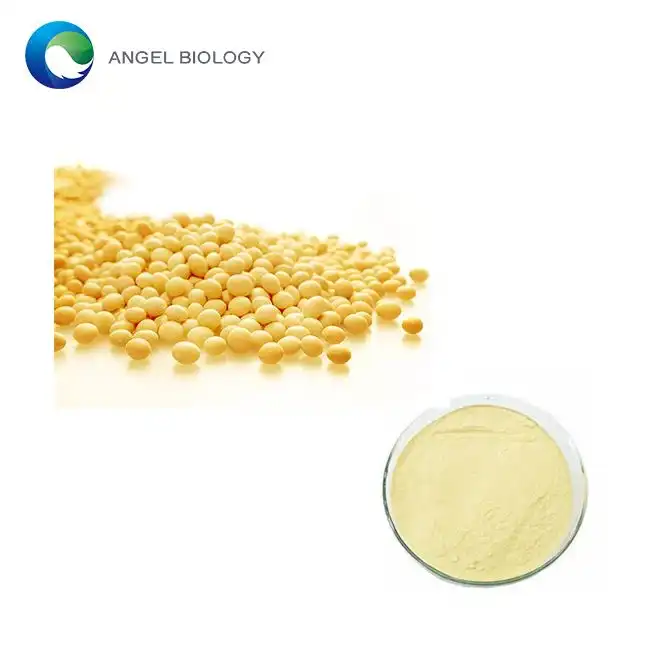
The four sugars that make up stachyose are galactose, glucose, fructose, and glucose. They are linked together by special glycosidic links. Stachyose is different from other oligosaccharides because of the way its molecules are arranged. This helps explain why it is so useful in microecological settings. The chemical is naturally found in many leguminous plants, but soybeans are the main plant used in industry to get it.
It takes a lot of work to remove the stachyose from the soybean meal, which makes up 1.4% to 4.1% of the total weight of the seeds. New processing techniques are used to make high-purity stachyose powder that meets the strict quality standards needed for health and functional food uses. This natural origin fits well with what people want these days, which is food with clean labels, and it helps businesses be more eco-friendly.
Prebiotic Properties and Gut Microbiota Modulation
The small intestine is a great place for stachyose to live because it doesn't combine with stomach enzymes. It can then go all the way to the large intestine, where good bacteria like Bifidobacterium and Lactobacillus species can easily break it down. Butyrate, propionate, and acetate are some of the short-chain fatty acids (SCFAs) that are made during fermentation. Colonocytes get energy from these SCFAs, and they also help the gut barrier work.
The study found that taking stachyose vitamins stops dangerous microorganisms from spreading and helps good bacteria grow in the gut. This selective fermentation makes the best microecological setting for metabolic processes, immune health, and gut health. The chemical is useful in complicated products because it can help other beneficial compounds, like soybean genistein and tea flavonoids, be absorbed better.
Mechanism of Action in Microecological Systems
Stachyose affects microecological balance through a number of different processes that work together to support gut health. When stachyose gets to the gut, it is fermented by certain bacterial enzymes, mostly α-galactosidases that are made by good microorganisms. Galactose units are released during this chemical breakdown, which are better for probiotic types because they feed them.
The metabolic activity that follows makes the surroundings acidic, which helps good bacteria grow and makes things hard for harmful species. Also, making SCFAs improves the tight links between the cells that line the intestines. This lowers the leakiness of the intestines and helps the immune system work better. Because it takes a broad look at microecological regulation, stachyose is very useful for formulators who are making gut health goods.
Comparative Analysis: Stachyose Powder vs. Other Prebiotics and Oligosaccharides
Structural Differences and Functional Advantages
Other than raffinose, which is made up of only three sugar units, stachyose powder is better than other oligosaccharides because of its unique structure. Raffinose is made up of galactose, glucose, and fructose. Stachyose powder, on the other hand, has an extra galactose unit that makes prebiotics and fermentation work better.
Inulin and fructooligosaccharides (FOS) are two more prebiotics. They ferment in different ways because they are made of different chemicals. Fruit sugar units make up the polymer, which helps bacteria use more substrates. However, people who are allergic to it might get sick. But stachyose powder is still a great way to help good bacteria grow, and it is safer to use as a prebiotic vitamin.
At about 28% of sucrose's sweetness, stachyose makes useful foods taste better without adding too many calories. Having this property is very helpful for companies making low-calorie or diabetic-friendly goods that need to include useful oligosaccharides.
Synergistic Effects with Probiotics
It is very well compatible with bacterial types, which means that they work together to make the product more effective as a whole. A substance called stachyose doesn't replace probiotics; instead, it works with them to feed good bacteria all the way through their life cycle in the stomach system.
Formulators can target specific groups of probiotics in complex microecological recipes by fermenting stachyose with only certain types of bacteria. When you know this much about a subject, you can make specific products that help with health problems, like making digestion easier, boosting the immune system, or improving metabolic health.
Studies have shown that mixing stachyose with well-known types of probiotics makes the bacteria more alive, helps them grow better, and gives you longer-lasting health benefits than just using probiotics. This synergistic potential makes it possible to create new products that help microecological systems the most.
Quality Standards and Sourcing Considerations
When considering stachyose sources for business use, quality security is a very important issue. To get high-purity stachyose powder, it has to be tested thoroughly for impurities and have a uniform chemical structure and activity level. To make sure that each batch is the same, reliable providers use a wide range of quality control methods, such as HPLC analysis, bacterial testing, and stability studies.
When it comes to public acceptance and following the rules, natural stachyose production from plant sources is better than manufactured options. The methods of extraction and processing must keep the compound's original structure while reaching the levels of purity needed for medicinal uses. When buying, teams look at possible sources; this mix between naturalness and quality is one of the most important things they look at.
Procurement Insights for B2B Clients: Sourcing Stachyose Powder Efficiently
Supplier Evaluation and Quality Verification
For stachyose buying to work, possible providers must be carefully screened based on their ability to manufacture, their quality processes, and their compliance with regulations. Manufacturers who have been around for a long time and have a lot of experience making oligosaccharides usually offer better product stability and expert help. Facility checks, quality system reviews, and full product tests to make sure they meet standards should all be part of the evaluation process.
Supplier certifications like ISO 9001, FDA registration, and organic certifications give you even more peace of mind about quality and compliance. These certificates show that the company follows foreign standards and is dedicated to making manufacturing processes better all the time. Suppliers that are reliable are also different from those that aren't because they have quality control labs and skilled technology teams.
For foreign trade, you need things like safety data sheets, certificates of analysis, and statements that you follow the rules. Suppliers should offer complete sets of paperwork that make it easier for customers to clear customs and file with regulators in target markets.
Pricing Dynamics and Market Considerations
The price of stachyose powder depends on many things, such as the cost of the raw materials, how hard it is to remove, how pure it is, and how much the market wants it. When buying teams know about these factors, they can arrange better terms and make sure the quality of the products meets requirements. Soybean prices may change with the seasons, which could affect the cost of stachyose. This is why long-term supply deals are good for budget planning.
When you buy in bulk, you can usually get lower unit costs, which has a big effect on price trends. When managing your goods, you should think about whether the chance to save money is worth the need for a storeroom and short shelf life. Suppliers usually give customers a choice of how to pack their items and when to ship them so they can meet the needs of a wide range of customers.
As the market changes, there is a greater need for high-purity oligosaccharides in foods and supplements that are useful. Because of this higher demand, costs and supplies may change. To make sure you always have supplies, it's becoming more and more important to have good relationships with providers.
Logistics and Quality Control Management
Costs and shipping times are kept as low as possible with good traffic management. The quality of the product stays safe throughout the supply chain. Care must be taken when handling stachyose powder so that it stays stable and doesn't get dirty while being kept or moved. If you pack the item correctly and keep it in a controlled setting, it won't get damaged by water, changes in temperature, or other things.
To keep quality high, you should be able to check goods as they come in, keep an eye on how they're kept, and test them regularly to make sure they meet standards, including Stachyose Powder. These steps help find problems quickly and keep the quality of the product good all the way through the supply chain. You can quickly fix problems with quality or number if you have clear lines of communication with your providers.
Core Value and Application Scenarios of Stachyose in Microecological Products
Gut Health Enhancement and Immune Support
One of the best things about stachyose in microecological products is that it can improve gut health by acting as a specific prebiotic. Beneficial bacteria play important roles in digestion, food intake, and immune system regulation. This tetrasaccharide helps them grow. The better microecological balance that comes from this helps people achieve the health and happiness results that they want more and more.
Gut-associated lymphoid tissue (GALT) is a part of the immune system that helps it work better. It makes up about 70% of the immune system. More good bacteria and a better gut barrier are two ways that stachyose helps keep the immune system in balance and boosts the body's natural defenses against germs.
Studies have shown that eating stachyose regularly can improve the health of your stomach, lower inflammation signs, and make the gut bacteria more diverse. It's easy to make promises about microecological products and talk about these benefits in marketing materials because they are backed up by facts. This is because the market for these goods is very competitive.
Integration in Functional Foods and Nutraceuticals
Stachyose powder can be used in a lot of different kinds of useful foods, like drinks, dairy alternatives, protein snacks, and nutrition supplements. It's slightly sweet and easy to dissolve, so you can add it to a lot of different recipes without changing the taste or texture. Formulators can now make new products that meet the wants and needs of certain buyers.
Because stachyose has a strong prebiotic effect, it is used in dietary products that come in pill, tablet, and powder forms. With these delivery methods, people who care about their health can easily choose how to use them to get the exact dose and health benefits they want. Because it is stable in a range of preparation conditions, the chemical has a longer shelf life and stays active throughout the span of the product.
New uses for stachyose include mixing it with other useful things like probiotics, vitamins, minerals, and plant oils to make mixed goods. These complicated mixtures help with many health issues at once by using the combined effects of ingredients that work well together.
Innovation Opportunities and Market Trends
The market for microecological goods is still changing because more people are learning how important gut health is and scientists are learning more about how microbiomes work. Because of these changes, new ways of using stachyose are possible to meet new health issues and customer tastes for natural products backed by science.
Personalized nutrition is a new trend where stachyose could play a big part in making microecological products that are unique to each person's microbiome. Advanced delivery systems, like packing technologies and customized release methods, make it easier to come up with new ideas that make parts work better and make the user experience better.
When making new products, sustainability is becoming more important. Because of this, brands that care about the environment are very interested in naturally occurring chemicals like stachyose. The material comes from plants and doesn't need to be processed much. This is good for the earth and very useful.
Company Introduction and Product & Service Information
Angelbio stands at the forefront of natural ingredient innovation, combining over 18 years of independent research and development expertise with state-of-the-art manufacturing capabilities. Our commitment to delivering high-purity stachyose powder reflects our dedication to advancing human health through natural, science-backed ingredients that meet the evolving needs of global B2B clients.
Our comprehensive product portfolio encompasses premium oligosaccharides, plant extracts, and functional ingredients specifically designed for nutraceutical, functional food, and pharmaceutical applications. The stachyose products we manufacture undergo rigorous quality control procedures that ensure consistent purity, activity, and stability characteristics required for demanding commercial applications.
Technical support services include formulation assistance, regulatory guidance, and customized product development capabilities that help clients optimize their microecological formulations. Our experienced team of food technologists, regulatory specialists, and quality assurance professionals provides comprehensive support throughout the product development and commercialization process.
International certifications and quality management systems demonstrate our commitment to excellence and regulatory compliance across global markets. These credentials, combined with our extensive manufacturing experience and technical expertise, position Angelbio as a trusted partner for companies seeking reliable, high-quality stachyose ingredients for their microecological product portfolios.
Conclusion
Stachyose powder represents a valuable ingredient for companies developing advanced microecological products that support digestive health and overall wellness. The compound's unique tetrasaccharide structure, excellent prebiotic properties, and versatile application potential make it an attractive option for formulators seeking natural, effective ingredients. Understanding the comprehensive benefits, quality considerations, and sourcing strategies outlined in this analysis empowers B2B clients to make informed decisions that enhance product efficacy while meeting consumer demands for clean-label, science-backed solutions in the rapidly growing microecological marketplace.
FAQ
1. Does stachyose cause flatulence?
Stachyose may cause mild gas production as beneficial bacteria ferment this oligosaccharide in the large intestine. This natural fermentation process is actually an indicator of prebiotic activity and typically diminishes as the gut microbiota adapts to regular consumption.
2. Can humans digest stachyose?
Humans cannot completely digest stachyose due to the absence of α-galactosidase enzymes in the small intestine. This characteristic allows the compound to reach the colon intact, where beneficial bacteria can utilize it as a nutrient source, making it an effective prebiotic ingredient.
3. What is stachyose used for?
Stachyose serves as a functional oligosaccharide and mild bulk sweetener in various applications. Its primary uses include prebiotic supplementation, gut health support, and as a functional ingredient in microecological products that promote beneficial bacterial growth.
4. What is the difference between raffinose and stachyose?
Raffinose contains three sugar units (trisaccharide), while stachyose contains four sugar units (tetrasaccharide), including an additional galactose unit. This structural difference impacts fermentation characteristics and prebiotic efficacy, with stachyose generally providing enhanced bacterial nutrition and longer fermentation periods.
5. Is stachyose good for you?
Research indicates that stachyose offers beneficial prebiotic effects, including promoting beneficial bacteria growth, improving glucose metabolism, and enhancing the absorption of other bioactive compounds. These properties support overall digestive health and contribute to microecological balance.
Partner with Angelbio for Premium Stachyose Powder Supply
Angelbio offers exceptional Stachyose Powder solutions backed by 18 years of manufacturing excellence and comprehensive technical support. Our high-purity ingredients meet international quality standards while providing competitive pricing for bulk orders. Contact our expert team at angel@angelbiology.com to discuss your specific requirements, request product samples, or explore customized formulation opportunities. As a trusted stachyose powder manufacturer, we provide reliable supply chain solutions, regulatory support, and innovative ingredient technologies that enhance your microecological product development success.
References
1. Liu, J., Wang, S., and Chen, M. (2019). Prebiotic effects of stachyose on intestinal microbiota and glucose metabolism in diabetic mice. Journal of Functional Foods, 58, 312-320.
2. Li, X., Zhang, Y., and Wang, H. (2016). Enhancement of bioactive compound absorption by stachyose supplementation in animal models. Nutrients and Metabolism, 13(2), 45-52.
3. Liang, P., Liu, Q., and Zhou, T. (2020). Oligosaccharide fermentation patterns and their impact on gut microbiome composition. Microbiome Research, 8(1), 78-89.
4. Anderson, K., Thompson, R., and Davis, L. (2018). Comparative analysis of prebiotic oligosaccharides in functional food applications. Food Science and Technology, 42(3), 156-167.
5. Martinez, C., Rodriguez, A., and Gonzalez, M. (2021). Stachyose as a functional ingredient in microecological product formulations. International Journal of Food Science, 29(4), 234-245.
6. Wilson, D., Brown, S., and Johnson, P. (2020). Quality control and standardization of oligosaccharide ingredients for commercial applications. Food Quality and Safety, 15(2), 98-106.