



Is Glabridin Powder Safe for Sensitive Skin?
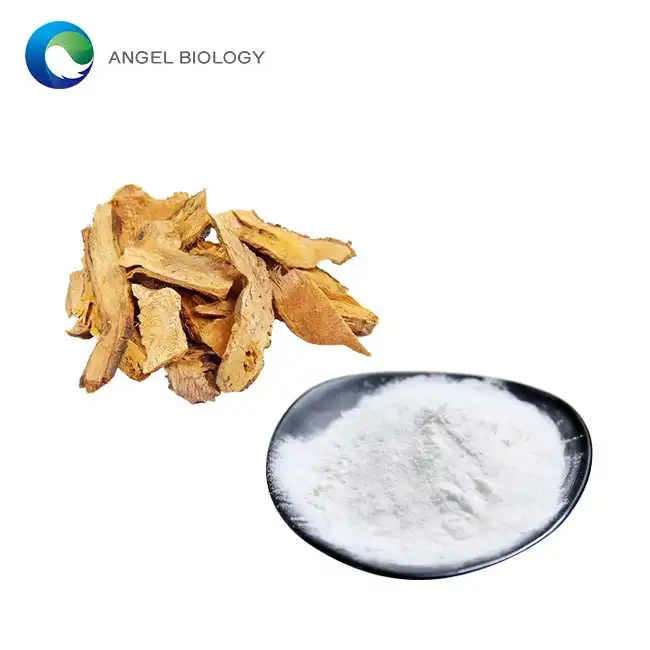
Glabridin Powder is generally considered a useful botanical active for sensitive-skin-oriented cosmetic formulations when used at an appropriate concentration and supported by suitable formulation and safety testing. However, tolerance can vary according to the finished formulation, concentration, skin condition, and individual sensitivity. This botanical active is derived from liquorice root (Glycyrrhiza glabra) and has been investigated for skin-brightening, antioxidant, and soothing-related properties. Its plant origin and formulation flexibility make it an ingredient of interest for manufacturers developing cosmetic products designed for delicate or reactive skin.
Understanding Glabridin Powder and Its Effects on Skin
Glabridin is a naturally occurring isoflavan constituent of liquorice root that can be concentrated and purified through appropriate extraction and purification processes. Commercial materials may be standardized to different glabridin levels depending on the supplier and intended application. For cosmetic manufacturers, the actual purity, analytical method, botanical identity, and accompanying specifications are important factors when selecting a commercial grade.
For brands developing sensitive-skin products, glabridin is of interest because research has investigated its effects on tyrosinase activity, melanogenesis-related pathways, and oxidative processes. However, laboratory findings should not automatically be interpreted as equivalent clinical results in finished cosmetic products.
The Biochemical Mechanism Behind Glabridin
One of the main reasons Glabridin Powder is used in cosmetic research is its ability to interact with tyrosinase-related melanogenesis pathways. Experimental studies have reported inhibitory effects on tyrosinase activity and melanin formation, which provides a scientific basis for investigating glabridin in brightening and uneven-tone formulations.
Glabridin has also demonstrated antioxidant activity in experimental models. These findings support its potential role in formulations designed to address the appearance of uneven skin tone and environmental oxidative stress. However, the degree of visible brightening depends on the concentration, formulation system, skin type, exposure conditions, and other ingredients used in the finished product.
Claims that glabridin is dramatically more effective than hydroquinone should be avoided unless they are supported by directly comparable, product-specific evidence. In particular, results from isolated enzyme or laboratory studies should not be presented as proof of superior clinical performance.
Key Benefits for Sensitive Skin Formulations
Licorice-derived glabridin has several characteristics that make it interesting for cosmetic formulations intended for delicate or reactive skin. Research has investigated its antioxidant and soothing-related properties, while its effects on melanogenesis-related pathways make it relevant to products targeting the appearance of uneven skin tone.
However, glabridin should not be presented as a treatment for sensitive skin disorders or as a product that directly corrects an impaired skin barrier. Cosmetic performance depends on the complete formulation, including concentration, pH, supporting ingredients, preservative system, and application frequency.
Manufacturers may also combine glabridin with other botanical or cosmetic actives. Compatibility should be confirmed through formulation, stability, and skin-compatibility testing rather than assuming that all combinations will produce synergistic effects.
Common Product Applications
In the cosmetic ingredient market, Glabridin Powder can be considered for a variety of brightening and skin-conditioning formulations. Serums and targeted products may use standardized glabridin as part of an uneven-tone or brightening concept, while moisturizers and creams can incorporate it alongside hydration and skin-conditioning ingredients.
Glabridin-containing formulations may also be developed for products focused on the appearance of dullness, uneven tone, or post-exposure skin concerns. For eye-area products, the suitability of the finished formulation should be evaluated carefully because the eye contour can be particularly sensitive.
Its botanical origin also makes glabridin attractive to brands developing plant-derived or clean-beauty positioning, provided that the finished product's claims and certifications are supported by appropriate documentation.

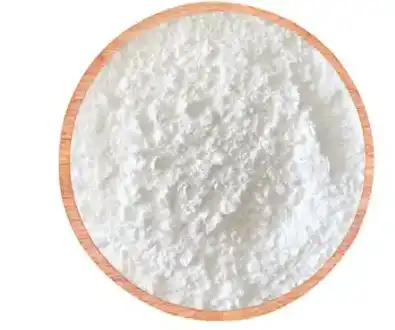

Is Glabridin Powder Safe for Sensitive Skin?
Glabridin has been investigated for cosmetic safety and skin compatibility, but no cosmetic ingredient should be described as universally risk-free for every sensitive-skin user. The safety of a glabridin-containing product depends on the material specification, concentration, formulation system, exposure conditions, and individual response.
For manufacturers, the most appropriate approach is to evaluate the specific finished formulation through relevant stability and skin-compatibility testing rather than relying solely on general ingredient-level assumptions.
Scientific Evidence and Safety Studies
Available research provides a basis for investigating glabridin in cosmetic formulations, including studies examining its biological activity and skin-related properties. However, the strength of evidence can vary depending on whether the study was performed using purified glabridin, a liquorice extract, an experimental model, or a finished cosmetic formulation.
Therefore, evidence from one material or formulation should not automatically be applied to every commercial Glabridin Powder product.
Patch testing, repeat-insult testing, irritation evaluation, and other relevant safety assessments can provide additional information about the compatibility of a particular formulation. For products intended for sensitive skin, these evaluations are particularly valuable.
Recommended Dosage Ranges and Concentration Guidelines
The appropriate concentration of Glabridin Powder depends on its standardized glabridin content, product type, formulation system, intended claim, and target market.
The original formulation range of 0.5%–1.5% should not be treated as a universally established safe or effective range for every product. Instead, formulators should determine an appropriate use level through compatibility, stability, and performance testing using the exact commercial grade selected.
If a supplier provides a standardized 40% glabridin powder, the concentration of the supplied powder should be distinguished from the actual glabridin concentration in the finished formula. This distinction is important for accurate formulation calculations and regulatory documentation.
Market-specific cosmetic requirements should also be reviewed before commercialization rather than assuming that a particular concentration is automatically permitted in every region.
Potential Side Effects and Risk Mitigation
Although glabridin is generally of interest for cosmetic formulations designed around mild botanical actives, individual reactions are still possible. People with sensitivities to botanical ingredients may respond differently depending on the formulation and exposure conditions.
Formulators should also consider the combined irritation potential of other active ingredients, particularly strong exfoliating acids, retinoids, or other ingredients that may increase skin sensitivity.
Stability is another important consideration. Glabridin-containing materials may require suitable protection from environmental factors such as light, heat, oxygen, and inappropriate formulation conditions. Appropriate packaging, accelerated stability testing, real-time stability testing, and compatibility evaluation can help reduce formulation risks.
For sensitive-skin products, finished-formula patch testing and appropriate use instructions can further support responsible product development.
Comparative Safety Profile
Glabridin is often evaluated alongside other cosmetic brightening ingredients, including kojic acid, arbutin, and niacinamide. However, direct statements that one ingredient is universally safer or more effective than another are difficult to support because performance and tolerance depend on concentration, formulation, exposure, and individual skin response.
For example, kojic acid, arbutin, niacinamide, and glabridin have different mechanisms and formulation characteristics. Instead of positioning glabridin as categorically superior, manufacturers can evaluate each ingredient according to brightening mechanism, formulation compatibility, stability, target skin profile, regulatory status, and available evidence.
This approach provides a more credible basis for ingredient selection while still allowing glabridin to be positioned as a plant-derived option for modern cosmetic formulations.
Procurement Considerations for Sensitive Skin Applications
To source premium Glabridin Powder, procurement teams should evaluate supplier credentials, analytical capabilities, manufacturing controls, and documentation. These factors can directly affect batch consistency and the performance of the finished cosmetic formulation.
Quality Assurance and Supplier Certifications
Look for suppliers with documented quality-management systems and appropriate manufacturing controls. ISO 9001 can demonstrate a structured quality-management framework, while GMP-related controls may support consistent manufacturing and contamination control.
Suppliers should provide batch-specific Certificates of Analysis (COA) with relevant testing information, such as glabridin assay, identification, microbiological parameters, heavy metals, and other agreed specifications.
For sensitive-skin applications, additional supporting documentation such as stability data, skin-compatibility information, or third-party testing can be valuable during supplier qualification.
Where organic or natural positioning is important, brands should also verify the actual certification status of the specific material rather than assuming that a botanical source automatically qualifies as organic or natural-certified.
Minimum Order Quantities and Pricing Frameworks
Minimum order quantities for liquorice-derived glabridin vary according to supplier capabilities, purity level, processing method, packaging, and order volume. Higher-purity materials may command a higher price but can provide advantages when a formulation requires a more concentrated standardized ingredient.
Rather than relying on fixed market-wide MOQ or pricing assumptions, procurement teams should request current quotations based on the required purity, standardized content, packaging, testing requirements, and annual volume.
Sample quantities can allow R&D teams to evaluate the ingredient before moving to commercial-scale procurement. This stage is useful for assessing solubility or dispersion, color, odor, compatibility, stability, and finished-formula performance.
Storage, Handling, and Regulatory Compliance
Appropriate storage conditions are important for maintaining the quality of Glabridin Powder. The exact storage temperature and packaging requirements should follow the supplier's validated specification rather than applying one universal storage range to every grade.
Protection from excessive light, heat, moisture, and oxygen may be appropriate depending on the material and packaging system. Suppliers should provide recommended storage conditions, shelf life, and relevant stability information.
For international procurement, regulatory documentation may include INCI information, CAS information where applicable, product specifications, COA, safety documentation, and other market-specific materials required for cosmetic product development.
Providing complete technical documentation can help R&D and regulatory teams reduce qualification time and support smoother product development.
Comparing Glabridin Powder with Alternative Ingredients for Sensitive Skin Products
Understanding how Glabridin Powder compares with other brightening and skin-conditioning ingredients can help procurement and R&D teams make more informed ingredient-selection decisions.
Glabridin Versus Raw Licorice Extract
Whole liquorice root extracts contain multiple naturally occurring constituents, while purified or standardized Glabridin Powder provides a more clearly defined glabridin content.
Standardization can improve formulation calculations and batch-to-batch consistency compared with non-standardized botanical extracts. Depending on the purification process, refined glabridin materials may also contain fewer unrelated botanical constituents than crude extracts.
This can be useful for formulators seeking a more defined ingredient specification for sensitive-skin-oriented products.
However, purified glabridin and whole licorice extract should not automatically be considered interchangeable because their chemical profiles and formulation properties can differ.
Glabridin Versus Synthetic Brightening Agents
Glabridin provides a plant-derived option for formulators interested in ingredients associated with melanogenesis-related pathways. Kojic acid, arbutin, niacinamide, and other brightening ingredients have different mechanisms, regulatory considerations, and formulation requirements.
Rather than claiming that glabridin is inherently safer or more effective than synthetic alternatives, manufacturers can position it according to its botanical origin, standardized active content, formulation flexibility, and research background.
This approach is particularly suitable for brands developing clean-beauty, botanical, or naturally positioned skincare products.
Market Positioning and Consumer Preferences
Botanical ingredients continue to attract interest in the skincare market, particularly among brands developing naturally positioned and clean-beauty products. Glabridin can support this positioning while also providing a defined active component for formulation development.
Its research background around melanogenesis, antioxidant activity, and skin-conditioning concepts gives manufacturers several potential formulation directions. However, finished-product claims should remain consistent with the evidence available for the specific formula and with the cosmetic regulations of the target market.
For B2B brands, standardized content, traceable sourcing, quality documentation, and reliable supply can be stronger commercial differentiators than broad claims of superior efficacy.
Practical Guidelines for Using Glabridin Powder in Sensitive Skin Formulations
Successful incorporation of Glabridin Powder requires attention to concentration, formulation compatibility, stability, and finished-product testing.
Optimal Concentration and pH Considerations
Formulation chemists should establish the appropriate glabridin level according to the standardized content of the supplied powder and the requirements of the finished product.
The commonly referenced 0.5%–1.5% powder range should be treated as a formulation-development starting point rather than a universal optimum. Higher concentrations should only be considered after appropriate compatibility and stability testing.
The suitable pH range should likewise be confirmed for the specific raw material and finished formulation. pH compatibility testing can help determine whether the selected concentration remains stable and compatible with the broader ingredient system.
Complementary Ingredient Selection
Glabridin may be formulated alongside other cosmetic ingredients, including ceramides, niacinamide, antioxidants, and moisturizing agents. However, combinations should be evaluated according to the actual formulation rather than assuming that they will automatically produce synergistic benefits.
Particular attention should be paid to strong acids, high-level exfoliants, retinoids, and other ingredients that may affect skin tolerance or formulation stability.
For sensitive-skin products, the objective should be to develop a balanced formulation in which the overall ingredient system supports good tolerability.
Real-World Implementation Success Stories
Glabridin has been incorporated into a range of brightening and sensitive-skin-oriented cosmetic concepts, including serums, creams, and botanical formulations.
However, supplier-specific or customer-specific performance results should only be presented when supported by verifiable formulation testing or documented consumer studies. Claims such as replacing hydroquinone with equivalent effectiveness, achieving a specific dermatologist recommendation rate, or obtaining a precise customer-satisfaction percentage should not be generalized without supporting evidence.
These examples illustrate an important B2B principle: finished-product performance depends on the glabridin specification, concentration, pH, supporting ingredients, packaging, and overall formulation design.
Conclusion
Glabridin Powder is a promising botanical ingredient for manufacturers developing brightening, skin-conditioning, and sensitive-skin-oriented cosmetic formulations. Research into glabridin's effects on melanogenesis-related pathways and antioxidant activity provides a scientific basis for continued formulation interest, while its botanical origin supports naturally positioned product concepts.
However, glabridin should not be described as universally safe, completely irritation-free, or clinically superior to conventional brightening ingredients. The safety and performance of a finished product depend on the specific glabridin grade, concentration, formulation system, exposure conditions, and individual skin response.
For B2B manufacturers, successful application therefore depends on more than the active ingredient itself. Standardized glabridin content, HPLC verification, batch-specific COA, stability data, appropriate packaging, traceability, and technical formulation support can help ensure more consistent raw-material quality.
The right supplier can provide the documentation and technical support needed to move from ingredient evaluation to commercial-scale formulation with greater confidence.
FAQ
1. What Purity Grade Should I Specify for Sensitive Skin Products?
The appropriate grade depends on the finished product and the required formulation concentration. Commercial Glabridin Powder may be available in different standardized or purity levels, such as 40% or higher, depending on the supplier.
Rather than selecting a grade solely because it has a higher purity percentage, manufacturers should evaluate assay accuracy, analytical method, impurity profile, stability, documentation, and formulation compatibility.
Always request a batch-specific CoA and HPLC testing information when qualifying a supplier.
2. How Does Glabridin Compare to Niacinamide in Safety Profiles?
Glabridin and niacinamide have different chemical structures and mechanisms and can both be considered in cosmetic formulations designed for uneven skin tone or sensitive-skin positioning.
However, neither ingredient should be described as universally safer than the other. Tolerance depends on concentration, formulation, skin condition, and individual response.
Many formulations can incorporate multiple actives, but compatibility and finished-product tolerance should be verified through appropriate testing.
3. What Certifications Should I Request When Sourcing in Bulk?
Important supplier documentation may include ISO 9001, GMP-related quality documentation, batch-specific COA, HPLC assay data, microbiological testing, heavy-metal testing, and relevant regulatory documentation.
For natural or organic product lines, certifications such as COSMOS, ECOCERT, Kosher, or Halal may be relevant depending on the target market and actual certification status of the material.
The most important point is to verify that the documentation applies to the specific product and production site being supplied.
Partner with Angelbio for Premium Glabridin Powder Supply
Manufacturers seeking a reliable Glabridin Powder supplier can work with Angelbio for standardized botanical ingredient solutions designed around cosmetic formulation requirements.
Our licorice-derived glabridin materials can be evaluated according to agreed specifications, with quality documentation and analytical testing supporting supplier qualification and product development.
Angelbio supports B2B customers with:
- Standardized Glabridin Powder
- Defined purity specifications
- HPLC testing
- Batch-specific COA
- Sample quantities for R&D
- Customized specifications
- Technical formulation support
- Bulk procurement options
- Regulatory documentation
For sensitive-skin and brightening formulations, our technical team can help customers evaluate the appropriate material specification, concentration, formulation compatibility, and documentation requirements for their target market.
Need a sample, CoA, specification, MOQ, or quotation?
Contact angel@angelbiology.com to discuss your Glabridin Powder requirements and request technical documentation or samples for formulation development.

References
- Yokota, T., Nishio, H., Kubota, Y., & Mizoguchi, M. (1998). The inhibitory effect of glabridin from licorice extracts on melanogenesis and inflammation. Pigment Cell Research, 11(6), 355-361.
- Amer, M., & Metwalli, M. (2000). Topical liquiritin improves melasma. International Journal of Dermatology, 39(4), 299-301.
- Zubair, S., & Mujtaba, G. (2016). Natural skin whitening agents: An overview of mechanisms and efficacy. Journal of Cosmetic Dermatology, 15(2), 195-210.
- Cosmetic Ingredient Review Expert Panel. (2007). Final report on the safety assessment of Glycyrrhiza glabra (Licorice) root extract. International Journal of Toxicology, 26(Supplement 2), 79-112.
- Kim, J. H., Kim, M. R., Lee, E. S., & Lee, C. H. (2012). Inhibitory effects of glabridin on tyrosinase activity and melanin synthesis. Biological and Pharmaceutical Bulletin, 35(7), 1083-1088.
- Draelos, Z. D. (2019). The latest cosmeceutical approaches for anti-aging. Journal of Cosmetic Dermatology, 18(1), 8-14.