



Is it better to take PQQ in the morning or at night?
When to take Pyrroloquinoline quinone depends on your health objectives and lifestyle. Morning use boosts energy, mental clarity, and alertness throughout the day, making it excellent for cognitive improvement and midday vitality. Individuals seeking regeneration and lifespan may benefit from evening consumption, which may aid mitochondrial repair and cellular recovery during sleep. Most nutritional experts recommend taking the substance on an empty stomach in the morning to maximise absorption and energy. Formulation managers should consider timing dynamics when designing consumer-friendly supplement procedures that maximise the bioactive effects of this unique redox cofactor. Individual reactions vary.
Introduction
Pyrroloquinoline quinone is a unique nutraceutical ingredient that has attracted supplement, cosmetic, and functional food manufacturers worldwide. The process of mitochondrial biogenesis, which produces energy-producing mitochondria, requires this particular redox cofactor as an antioxidant. Unlike free radical-neutralising antioxidants, this molecule preserves cells and optimises energy over thousands of catalytic cycles.
More than convenience, supplementation timing matters. Biavailability, therapy effects, and product positioning are affected. Procurement and R&D directors can build unique formulas with quantifiable results by understanding administration timelines. This detailed book helps B2B clients locate high-quality ingredients for competitive advantage in complicated health markets by evaluating scheduling, formulation, and procurement.
Understanding Pyrroloquinoline Quinone and Its Health Effects
Pyrroloquinoline quinone is a kind of methoxatin, a vitamin-like cofactor in several enzymes. A single molecule may catalyse over 20,000 oxidation-reduction processes before destruction due to its chemical structure. The chemical is ideal for oxidative stress management and cellular energy optimisation formulations due to its many orders of magnitude higher efficiency than standard antioxidants.
Biochemical Mechanisms and Cellular Impact
The chemical activates cellular signalling pathways to promote mitochondrial biogenesis. Instead of optimising mitochondrial function like coenzyme Q10, this chemical increases mitochondrial development in ageing cells. Supplementation improves tissue mitochondrial density, directly increasing cellular energy output. The chemical also promotes Nerve Growth Factor production, promoting neuronal health and cognitive function throughout life.
The substance supports synaptic plasticity and reduces brain tissue oxidative damage, making it neuroprotective. Its memory support, mental clarity, and age-related cognitive decline prevention properties make it useful for cognitive health formulations. The compound's blood-brain barrier crossing efficiency makes it appealing for neurological health applications.
Health Benefits and Application Scope
Clinical research supports cardiovascular, metabolic, and anti-ageing benefits. Blood lipids, inflammation, and cardiac mitochondrial efficiency improve with the drug. The cardiovascular benefits complement customer demands for heart health and lifespan supplements.
Energy metabolism also matters. Enhancing mitochondrial activity and biogenesis reduces age-related energy loss. Elderly folks report more vigour and less exhaustion, whereas athletic and enthusiastic persons may enhance endurance and recuperation. A typical daily dosage is 10-20 mg, while some formulations contain 40 mg for therapeutic usage.
Users say they sleep better, but how is unknown. To improve sleep, the chemical may control cellular energy and circadian cycles. Best outcomes need timing experimentation because responses vary widely.
The Science Behind PQQ Timing: Morning vs. Night Intake
Nutrient utilisation and supplement effectiveness depend on circadian biology. The body has complex 24-hour cycles that control hormone synthesis, enzyme activity, and cellular metabolism. Understanding these cycles helps optimise supplement timing to match physiological patterns, improving bioavailability and therapeutic results.
Morning Administration: Energising Benefits
Morning consumption supports the body's cortisol waking and energy mobilisation. Taking the supplement in the morning, ideally on an empty stomach, may improve absorption and vitality. The compound's mitochondrial activation aids the body's natural shift from restful sleep to active metabolism, improving mental clarity and physical energy throughout the day.
Pyrroloquinoline quinone clinical data show that morning consumption enhances sustained cognitive performance during intensive work times. The compound's neuroprotective and NGF-stimulating effects may improve attention, memory consolidation, and mental processing speed at the start of the active phase. This time method works well for formulations for professionals, students, and cognitive performance optimisation.
Additional morning supplements may have synergistic benefits. Combining the substance with coenzyme Q10, B-vitamins, or adaptogenic botanicals may boost formulation efficacy. Such combinations appeal to consumers seeking comprehensive energy and cognitive support solutions, allowing for product differentiation.
Evening Administration: Recovery and Repair
Cellular repair and regeneration benefit from nighttime ingestion. Maintenance tasks, including mitochondrial turnover and cellular detoxification, are prioritised during sleep. Supplementation before bed may aid natural recovery by supporting mitochondrial biogenesis during deep sleep.
Evening ingestion may minimise stimulatory effects that might interfere with sleep onset later in the day. Some users report minimal sleep interruption from morning dosages, while others prefer nighttime delivery. Dosing recommendations must be flexible to meet consumer responses due to this diversity.
The compound's antioxidant capabilities may aid overnight repairs. Normal metabolic activities and environmental exposures cause oxidative damage during awake hours. Evening supplementation gives antioxidant support when cellular repair mechanisms are most active, perhaps improving recovery and ageing.
Comparing PQQ Supplement Forms and Their Impact on Timing and Absorption
Formulations greatly affect bioavailability, stability, and customer compliance. The substance is generally sold as a disodium salt, which is more water-soluble and stable than the free acid. This salt form dominates B2B due to its production benefits and constant quality.
Powder vs. Capsule Delivery Systems
Pyrroloquinoline quinone custom dosing and combination products are most flexible with powder formulations. The reddish-brown microcrystalline powder is very hygroscopic and needs careful handling and packing to stay stable. Bulk powders appeal to makers of unique mixes, functional drinks, and personalised nutrition applications that require precision dosage.
In addition to protecting the active substance from moisture and light, capsule distribution techniques are convenient. Vegetarian pills hold up well over time and look clean. The compound's harsh taste is disguised by encapsulation, improving palatability and compliance for daily administration.
Time affects formulation decisions. Powders combined with water or juice may absorb faster on an empty stomach, making morning administration more effective. Capsules provide more predictable release patterns and consistent bioavailability. Formulation-timing interactions should be considered during product development.
Synergistic Combinations and Timing Optimisation
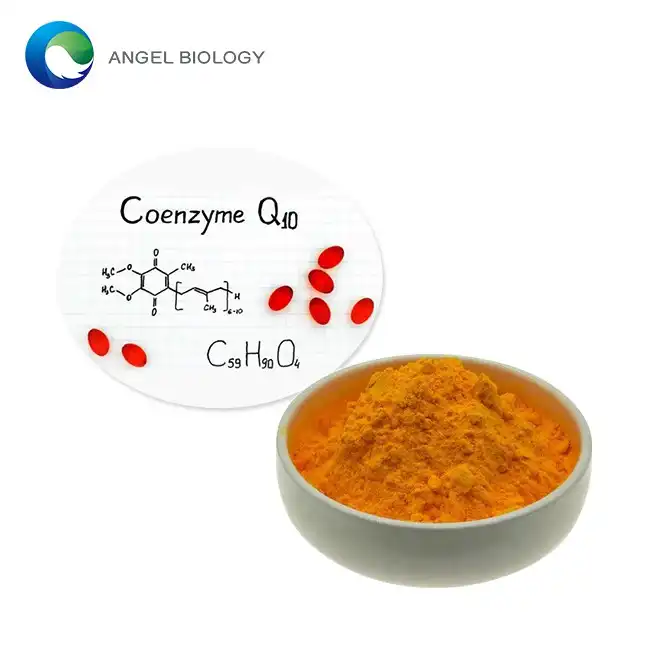
Strategic ingredient combinations boost benefits and differentiate markets. Coenzyme Q10 optimises mitochondrial activity while the pyrroloquinoline molecule grows new mitochondria. This appeals to clients seeking complete cellular energy solutions.
NADH is another useful companion. Both chemicals enhance cellular energy metabolism in different ways, which may boost vigour and cognition. Morning usage of such combinations supports energy generation, while evening use aids recuperation.
Combinations of resveratrol target lifespan and anti-ageing. Both components are antioxidants and support healthy ageing processes, making them appealing to preventative wellness customers. Product positioning determines the best time for such combinations—energy-focused formulas promote morning usage, while longevity-focused ones advocate nighttime use.
Food interactions affect absorption beyond ingredient combinations. Though water-soluble disodium salt forms absorb well without food, taking the supplement with small amounts of healthy fats may increase bioavailability. Clear use instructions that optimise bioavailability and accommodate varied customer lifestyles and preferences are essential.
Procurement Guide: How to Source High-Quality PQQ for Your Business?
Sourcing affects product efficacy, regulatory compliance, and brand reputation. B2B buying requires stringent supplier assessment methods that analyse quality assurance, certification compliance, and supply chain stability. Manufacturers seeking competitive advantages must work with suppliers who specialise in these key areas.
Quality Assurance and Certification Standards
Premium material exceeds 99% purity by High-Performance Liquid Chromatography. This analytical standard is the pharmaceutical and food-grade industry standard. Every batch should have a Certificate of Analysis with purity, residual solvent, heavy metal, and microbiological testing findings.
Pyrroloquinoline quinone manufacturing process verification matters too. Bacterial fermentation using Hyphomicrobium denitrificans generates physiologically similar material with better safety than synthetic equivalents. Consumers want natural, non-GMO products, and this fermentation source ensures isomeric purity for biological activity.
Suppliers with Good Manufacturing Practice accreditation follow quality and regulatory standards. GMP facilities use strict contamination control, batch traceability, and quality management to reduce variability and assure product performance. International certifications like ISO 9001, FSSC 22000, and organic verify supplier capabilities.
Safety Data Sheets detail handling, storage, and stability. The chemical is sensitive to UV radiation and moisture, necessitating special packaging and storage. Comprehensive technical support from suppliers helps firms optimise formulation processes and preserve ingredient stability during manufacturing.
Strategic Sourcing Considerations
Quality and cost must be balanced in pricing schemes. Market demands urge cost optimisation, but sacrificing ingredient purity or supplier reliability harms brand reputation and customer confidence. Bulk purchase agreements offer competitive prices and supply continuity for growing manufacturing.
International purchasers prioritise supply chain stability. Suppliers with strong logistics, export paperwork, and customs clearing skills reduce interruption risks. Connecting with suppliers that provide technical support, regulatory guidance, and formulation can build competitive advantages beyond ingredient provision.
Angelbio represents procurement managers' ideal supplier. Our facility uses modern fermentation technology and strict quality control procedures established over 18 years with Xi'an Jiaotong University's Institute of Life and Health Research. This innovative alliance provides pharmaceutical-grade material with consistent batch-to-batch uniformity and global regulatory paperwork.
Best Practices for Integrating PQQ into Your Product Line or Health Regimen
Successful product creation goes beyond great ingredients. Clear usage instructions, appealing product narratives, and evidence-based marketing claims that resonate with target customers must be developed by manufacturers while complying with regulations. Strategic incorporation of this strong chemical differentiates supplements in crowded marketplaces.
Success depends on consumer education. Label recommendations for optimal timing—morning for energy and cognitive support, evening for recuperation and longevity—improve user experience and outcomes. Timing suggestions with logic boost consumer confidence and compliance, boosting product efficacy and customer happiness.
Complementary ingredient tactics boost market appeal and function. Energy-focused formulas with B-vitamins, adaptogenic botanicals, and coenzyme Q10 provide complete vitality. Anti-ageing products using resveratrol, curcumin, and other polyphenols target longevity-conscious customers seeking preventative wellness.
Successful case studies show commercial potential. Several popular supplement manufacturers use 20 mg of high-purity disodium salt and 100 mg coenzyme Q10 to make energy and cognitive support solutions. This formulation is usually taken with breakfast in the morning to maximise absorption and promote daytime performance.
Pyrroloquinoline quinone, partnering with formulation development and regulatory advice suppliers, benefits OEM and distributor clients. Technical competence in constituent combinations, dosing regimens, and stability testing speeds product development and reduces formulation risks. This complete support strategy helps businesses launch new products quickly and confidently.
Designing product names and packaging for market positioning should incorporate timing suggestions. Morning goods may utilise energising visuals and language emphasising vigour and clarity, while evening products may use relaxing colours and a longevity-focused message. Aligning packaging aesthetics with usage time improves brand coherence and customer comprehension.
Conclusion
Pyrroloquinoline quinone supplementation timing depends on health goals and lifestyle. Most clients favour morning administration for performance optimisation because to its benefits for energy, cognition, and midday vitality. Evening intake may aid sleepers who prioritise cellular repair. Manufacturers should provide adaptable standards to meet varied consumer demands and justify timing suggestions. Building trusted brands in competitive global marketplaces requires quality procurement from verified suppliers to assure ingredient purity, stability, and regulatory compliance.
FAQ
Q1: Does taking PQQ at night affect sleep quality?
Individual responses vary considerably, though most users report no sleep disruption from evening intake. The compound supports mitochondrial function and cellular energy production, which theoretically could enhance alertness. However, clinical observations suggest that nighttime administration may actually support restorative sleep processes by facilitating cellular repair mechanisms. Consumers experiencing sleep sensitivity should experiment with morning dosing to determine personal tolerance and optimal timing strategies.
Q2: Can I combine PQQ with CoQ10 and NADH supplements?
Combining pyrroloquinoline quinone with coenzyme Q10 and NADH creates synergistic mitochondrial support with complementary mechanisms. These ingredients work through distinct pathways—CoQ10 optimises electron transport chain function, NADH provides reducing equivalents for energy production, and the quinone compound stimulates mitochondrial biogenesis. This combination proves particularly effective for comprehensive energy metabolism support. Morning administration typically proves optimal for such energising formulations, though individual preferences may vary.
Q3: What certifications should I verify when purchasing bulk PQQ?
Procurement managers should verify several critical certifications when sourcing material. GMP certification confirms quality management systems and manufacturing controls. HPLC purity testing documentation demonstrating greater than 99% purity ensures pharmaceutical-grade quality. A Certificate of Analysis providing batch-specific testing data, including heavy metal screening, microbial testing, and residual solvent analysis, proves essential. Additionally, verification of fermentation origin rather than synthetic production addresses natural sourcing requirements and ensures correct isomeric purity for biological activity.
Q4: How does supplement form affect bioavailability and timing?
The disodium salt form exhibits superior water solubility and bioavailability compared to free acid forms. Powder formulations may demonstrate faster absorption when taken on an empty stomach, potentially favouring morning administration. Capsule delivery provides more predictable release profiles with consistent bioavailability regardless of timing. Both forms prove effective when properly formulated and stored. Manufacturers should consider target market preferences and usage scenarios when selecting delivery formats during product development.
Q5: What dosage ranges prove most effective for different applications?
Standard supplementation protocols typically recommend 10-20 mg daily for general health maintenance and cognitive support. Athletic performance and intensive energy applications may justify higher doses up to 40 mg daily, though clinical evidence supporting increased benefits at higher doses remains limited. Starting with lower doses allows individual tolerance assessment, with gradual increases as needed. Formulation managers should develop protocols balancing efficacy evidence with safety considerations and cost effectiveness for target market positioning.
Q6: Why should I choose Angelbio as my pyrroloquinoline quinone supplier?
Angelbio delivers pharmaceutical-grade material produced through advanced bacterial fermentation technology, ensuring purity exceeding 99% with exceptional batch consistency. Our 18-year research partnership with Xi'an Jiaotong University provides scientific depth and technical expertise unmatched in the industry. Comprehensive quality documentation, international certifications, and responsive technical support enable clients to develop superior formulations efficiently. Reliable supply chains, competitive pricing for bulk orders, and commitment to natural ingredient innovation make Angelbio the strategic partner for ambitious brands seeking market differentiation through ingredient excellence.
Partner with Angelbio for Premium Pyrroloquinoline Quinone
Angelbio stands as a trusted pyrroloquinoline quinone manufacturer, combining scientific innovation with rigorous quality assurance. Our facility utilises advanced bacterial fermentation processes developed through collaboration with Xi'an Jiaotong University's Institute of Life and Health Research, producing pharmaceutical-grade material with purity exceeding 99%. Comprehensive certifications, including GMP, ISO 9001, and organic standards, ensure regulatory compliance across global markets. We provide complete technical documentation, Certificate of Analysis for every batch, and formulation development support, helping clients create differentiated products. Our supply chain reliability and competitive bulk pricing enable manufacturers and distributors to scale production confidently. Contact angel@angelbiology.com today to request samples, discuss procurement strategies, and explore how our premium ingredients can elevate your supplement portfolio in competitive health markets.
References
1. Rucker R, Chowanadisai W, Nakano M. Potential physiological importance of pyrroloquinoline quinone. Alternative Medicine Review, 2009; 14(3):268-277.
2. Harris CB, Chowanadisai W, Mishchuk DO, Satre MA, Slupsky CM, Rucker RB. Dietary pyrroloquinoline quinone alters indicators of inflammation and mitochondrial-related metabolism in human subjects. Journal of Nutritional Biochemistry, 2013; 24(12):2076-2084.
3. Stites T, Storms D, Bauerly K, Mah J, Harris C, Fascetti A, Rogers Q, Tchaparian E, Satre M, Rucker RB. Pyrroloquinoline quinone modulates mitochondrial quantity and function in mice. Journal of Nutrition, 2006; 136(2):390-396.
4. Nakano M, Ubukata K, Yamamoto T, Yamaguchi H. Effect of pyrroloquinoline quinone on brain damage and nerve growth factor in rat neonatal hypoxic-ischemic brain damage. Brain and Development, 2001; 23(1):24-29.
5. Chowanadisai W, Bauerly KA, Tchaparian E, Wong A, Cortopassi GA, Rucker RB. Pyrroloquinoline quinone stimulates mitochondrial biogenesis through cAMP response element-binding protein phosphorylation and increased PGC-1alpha expression. Journal of Biological Chemistry, 2010; 285(1):142-152.
6. Akagawa M, Nakano M, Ikemoto K. Recent progress in studies on the health benefits of pyrroloquinoline quinone. Bioscience Biotechnology and Biochemistry, 2016; 80(1):13-22.