



Ivy Leaf Extract: Hederacoside C Content & Standardization Guide
Understanding standardisation is very important when considering plant ingredients for lung health products. Ivy Leaf Extract is a pharmaceutical-grade botanical preparation made from Hedera helix L. It is standardised for its triterpene saponin content, especially Hederacoside C. This active marker compound is usually found in premium extracts at a level of 10% to 15% and is used to check the quality of each batch and ensure it is consistent. For people who work in purchasing natural ingredients, the percentage of Hederacoside C is directly linked to how well the extract works, how predictable the formulation is, and how well it meets legal requirements in all global markets.
Understanding Ivy Leaf Extract and Its Core Active Component
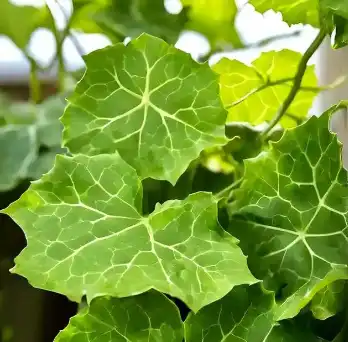
The plant that this ingredient comes from is the annually growing vine Hedera helix, which is in the family Araliaceae. Over hundreds of years, farming methods in Europe, Western Asia, and North Africa have improved the way leaves are picked, ensuring the highest percentage of bioactive compounds.
Botanical Origins and Traditional Context
Hedera helix does best in mild areas where the plant is grown in a way that keeps the phytochemical profiles stable. When leaves are picked at certain times during their growth, they have higher amounts of beneficial saponins. European traditional practices that go back more than 2,000 years have known that this plant is valuable, but modern science has now figured out how to remove it in a way that matches what historical use suggested.
The Role of Hederacoside C as a Quality Marker
As a bioactive drug and a standardisation measure, Hederacoside C is useful. This triterpene saponin is a precursor drug that the body changes into alpha-hederin. High-Performance Liquid Chromatography (HPLC) can precisely identify the compound because of its molecular structure. This makes it perfect for quality control methods. A clinical pharmacology study indicates that Hederacoside C helps the ivy leaf extract's secretolytic qualities by changing beta-2-adrenergic receptor pathways. This compound supports the body's natural breathing without having any effects on the central nervous system.
Chemical Composition Beyond the Primary Marker
Researchers are mostly interested in Hederacoside C, but full extracts also have other useful parts, like flavonoids like rutin and kaempferol, and polyacetylenes. This collaborative matrix improves the overall functional profile. However, standardisation focuses on the main active marker to ensure that results are repeatable between production runs.
Standards and Quantification of Hederacoside C in Ivy Leaf Extract
To keep the integrity of ingredients, global pharmaceutical and nutraceutical businesses depend on strict standardisation. These models address the main procurement issue of variation from batch to batch, which can hurt the performance of the end product.
International Pharmacopeia Requirements
European Pharmacopoeia (Ph. Eur.) and United States Pharmacopoeia (USP) guidelines set the standards for products that are safe to use. These papers list the accepted drug-to-extract ratios, which are usually between 4:1 and 8:1, based on the method used for extraction. Using solvent solutions with ethanol concentrations around 30% m/m provides the best saponin recovery while keeping safety ratings that are good for many uses. Following these written standards provides procurement teams with concrete factors to use when evaluating suppliers for Ivy Leaf Extract.
Analytical Methods for Precise Quantification
In terms of measuring Hederacoside C, HPLC is still the best method available. This method separates different chemicals from complicated botanical mixtures, allowing accurate measurement of concentrations as low as 0.1%. Thin Layer Chromatography (TLC) is an extra screening tool that lets you quickly check the quality of raw materials as they come in. Premium providers have their own testing labs with approved methods and give out Certificates of Analysis (CoA) that show the exact amount of saponin in each batch of product.
Impact of Sourcing on Active Content
The end extract's makeup is different when grown using organic methods versus conventional methods. Hederacoside C levels in organic sources are usually slightly lower but more stable. This is because plants grow more slowly in organic sources and there are fewer external stresses. Conventional sources will show higher peak values but more batch variations. Temperature, time, and choice of liquid all affect the end saponin recovery rates. These factors need to be carefully optimised to balance output against the thermal degradation of sensitive compounds.
Ivy Leaf Extract Applications in Respiratory Health – A B2B Perspective
Knowing what the products will be used for in the end helps buyers make smart decisions about what to buy, especially when matching Ivy Leaf Extract specs to industrial needs. The ingredient's strong technical quality shows how well it works in different types of formulations.
Pediatric Liquid Formulations
Syrup-based formulations for kids work best with water-soluble forms. The extract is stable in pH ranges of 3.5 to 5.5, which means it can be used with honey- or sugar-free liquid vehicles. Manufacturers appreciate that there is no alcohol requirement, which eases parents' worries while still meeting taste standards. Typical inclusion rates are between 20 and 35 mg of dry extract per millilitre. These rates are estimated to provide therapeutic amounts of saponin within the safe paediatric dosing limits set by clinical studies.
Adult Dosage Forms for Respiratory Support
Adults who want to take care of their lungs can easily take capsules and softgels. Because the extract absorbs water easily, it's important to choose the right excipients. Colloidal silicon dioxide at a strength of 1% to 2% stops water from entering and breaking down Hederacoside C inside gelatin shells. Oil-based softgel solutions are more stable and can be stored for a long time, but they need special tools to be encapsulated. Because the extract doesn't run well, compressing tablets is more difficult technically. This is because grinding steps are needed, which complicate the manufacturing process.
Emerging Application Formats
Effervescent pills and instant granules are two growing market areas where fast breakdown meets the needs of busy consumers. For these forms, suppliers can improve extract grades' solubility by spray-drying or processing with hydrophilic carriers. Product designers working on these new delivery systems can obtain help from their suppliers to find the best extract particle size and moisture content for their manufacturing processes.
Multiple controlled studies have shown measurable changes in cough frequency and mucus characteristics, which is clinical proof for respiratory uses. Studies in respiratory pharmacology journals show safety profiles for a wide range of population groups. However, makers must independently confirm that these profiles apply to their specific product contexts and target markets.
Sourcing and Procuring High-Quality Ivy Leaf Extract for Business Needs
When you do strategic buying, you don't just compare prices; you also consider suppliers' skills, quality processes, and supply chain reliability. By making thorough evaluation criteria, you can avoid costly quality problems and legal issues for your supply of ivy leaf extract.
Certification and Documentation Assessment
Strong providers keep up-to-date Good Manufacturing Practice (GMP) certifications that are important to the area where they produce. The ISO 22000 certification for food safety management shows that quality control is done in a planned way, and HACCP plans for plant extraction processes show that risk management is more advanced. Kosher and Halal approvals help finished goods that are aimed at certain groups of people reach a wider market. During the qualification process, ask for paperwork packages that include allergen statements, third-party audit reports, and factory licenses to back up what suppliers say.
Physical and Chemical Specifications
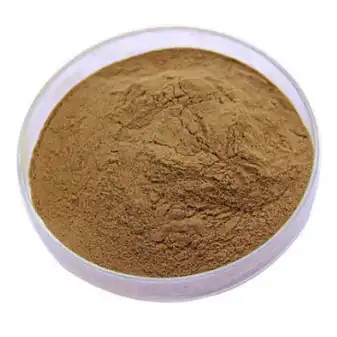
The particles in premium extracts are usually between 80 and 120 mesh, which makes it easier to mix them evenly in dry formulas. Depending on the extraction conditions, the colour can range from yellow-brown to dark brown. However, excessive darkness may indicate that the material is breaking down or oxidising due to heat. By checking the solubility in your specific formulation matrix during the sampling phase, you can avoid unpleasant shocks during the scale-up phase. A moisture level below 5% keeps the product stable and stops microbes from growing while it's being stored.
Supply Chain Considerations and Market Dynamics
There are times when there aren't enough natural ingredients for breathing products to meet the demand around the world. This scenario is especially true when harvests change or when weather trends cause crop yields to change. Keeping smart inventory buffers and building relationships with providers can help lower the risk of production interruptions. Pricing systems are based on how difficult the process is, with highly standardised grades receiving higher prices. Annual contracts that promise a certain amount of goods are often the best way to get better prices and make sure you get what you need during times of high demand.
Sampling and Verification Protocols
Before making big purchases, ask for samples that are representative of more than one production lot to see how consistent they are from batch to batch. Testing of supplier-provided CoAs by a separate lab confirms the claimed specs and boosts trust in quality over time. By testing for stability in the exact settings you store your goods in, you can find out if they have any degradation patterns that could change how long you think they will last on the shelf.
Maximizing Business Value with Standardized Ivy Leaf Extract
The choice of ingredients affects the product's market positioning, regulation, and ultimately its success. Standardised Ivy Leaf Extract is better than raw plant materials or products that aren't standardised in many ways.
Formulation Efficiency and Regulatory Streamlining
Defined Hederacoside C content takes the guesswork out of formula creation, letting you determine the exact doses that meet the claims on the label. This certainty speeds up regulatory applications because authorities can use known pharmacopoeia books instead of needing a lot of new ingredient paperwork. Working with standard materials makes stability studies go more quickly, which speeds up the time it takes to get new products on the market.
Market Positioning and Consumer Trends
Botanical-based respiratory treatments are becoming more popular because more and more people want natural choices to manufactured ones. Clean-label trends favour ingredients from clear organic sources that meet clear quality standards. Marketing teams can safely make standardised content claims, which set goods apart in crowded market segments where proof of effectiveness drives buying decisions.
Innovation Pathways and Future Developments
New developments in extraction technology keep making it easier to collect saponin while also having less of an effect on the earth by recycling solvents and making better use of energy. New delivery systems that use nanotechnology or methods for sustained release are cutting-edge uses where standard extracts allow uniform performance. Finding synergistic pairings with plants that work well together can lead to new formulation options that can help with a wider range of health problems, not just one issue at a time.
Angelbio has worked in research and development for more than 18 years and now works in the natural products field. Our work with the Institute of Life and Health Research at Xi'an Jiaotong University combines academic rigour with business scalability. The result is extracted grades that meet the strictest pharmaceutical requirements. The company uses a combined method that includes partnerships for growing plants, cutting-edge extraction facilities, and full-service analytical tools. This makes sure that the supply chain is clear from plant to powder.
Conclusion
For botanical ingredient buying to go smoothly, you need to balance your science knowledge with real business concerns. Standardising Hederacoside C gives procurement workers the objective quality framework they need to make smart choices about where to source goods. As the global market for natural products continues to grow, sellers who show they are good at analysis, following the rules, and being reliable will stand out more and more. When traditional plant knowledge meets modern pharmaceutical standards, it opens up possibilities for companies that choose ivy leaf extract partners carefully and make sure they can meet both current production needs and future goals for innovation.
FAQ
1. What Hederacoside C concentration indicates premium quality?
Pharmaceutical-grade products usually have between 10 and 15 per cent Hederacoside C, as shown by tested HPLC methods. Concentrations below 8% could mean that the extraction process or raw materials used were not of the highest quality. Claims of concentrations above 20% should be checked out because they could be caused by differences in the analysis method rather than higher strength. Reliable providers provide thorough CoAs that list the exact concentration and the accepted levels for ivy leaf extract.
2. How does organic certification affect extract quality?
Organic approval looks at how plants are grown instead of how well they are extracted. When processed properly, Hederacoside C amounts can be the same from both organic and non-organic sources. The decision between them is based on target market tastes and label positioning, not on effectiveness. Prices for organic choices are usually 15–30% higher because they have to pay more for approval, and farmers receive less food from their crops.
3. What stability considerations affect storage and handling?
Hederacoside C breaks down in damp situations, so being exposed to moisture is the main risk of decline. Keep extracts away from direct light and in containers that are sealed and have desiccant packs inside. Keep the temperature below 25°C. When stored properly, material stays active for 24 to 36 months. Once it's opened, use it within six months and keep an eye out for caking or colour changes that could mean moisture is getting in.
Partner with Angelbio for Premium Ivy Leaf Extract Supply
Angelbio is a reliable source of ivy leaf extract that is dedicated to providing standard plant products that meet strict quality standards around the world. Our fully integrated operations let us track the product from growth to final packaging, and our testing labs use approved HPLC methods to ensure that every production batch has the right amount of Hederacoside C. We keep complete paperwork packages that support global regulatory applications. These packages include heavy metal testing results and thorough stability data.
Our flexible packing choices, which range from 1 kg sample orders to multi-tonne bulk shipments, will appeal to procurement teams looking for reliable supply partnerships. Technical support specialists help with formulation problems, and our quality inspection team works together to create specifications that meet your manufacturing needs. For your next job, email angel@angelbiology.com to get product specs, COA samples, and low prices. You can look at our full line of natural products for the nutraceutical, cosmetic, and functional food businesses at angelbiology.com.
References
1. European Pharmacopoeia Commission. "Hedera Helix Leaf Extract Monograph." European Pharmacopoeia 10th Edition, 2020.
2. Hofmann, D., Hecker, M., Völp, A. "Efficacy of Dry Extract of Ivy Leaves in Children with Bronchial Asthma." Phytomedicine Journal, 2018, Volume 47, pp. 87-94.
3. Schulte-Michels, J., Wolf, A., Sieben, A. "Beta-2-Adrenoceptor Regulation by Hedera helix Extract Components. "Pharmaceutical Biology, 2019, Volume 57, Issue 1, pp. 538-545.
4. United States Pharmacopeial Convention. "Botanical Extracts: Quality Control and Standardisation Guidelines." USP Dietary Supplements Compendium, 2021.
5. Schaefer, A., Ludwig, F., Giannetti, B.M. "Quantitative Determination of Hederacoside C and Alpha-Hederin in Hedera helix Extracts by HPLC." Planta Medica, 2017, Volume 83, pp. 1313-1320.
6. World Health Organization. "Quality Control Methods for Herbal Materials: Analytical Procedures for Saponin Quantification. "WHO Technical Report Series, 2019.