



Ivy Leaf Extract Supply Chain: Sourcing, Testing & Compliance
Navigating the ivy-leaf extract supply chain requires a deep understanding of cultivation origins, standardization protocols, and regulatory frameworks. Premium botanical extracts derived from Hedera helix L. leaves meet stringent pharmaceutical and nutraceutical standards when sourced correctly. The supply chain encompasses cultivation, extraction, testing, and distribution—all demanding transparency and quality assurance. Successful procurement hinges on verified supplier credentials, consistent bioactive profiles, and comprehensive compliance documentation. Our team at Angelbio leverages over 18 years of botanical extraction expertise to deliver pharmaceutical-grade ingredients with traceable sourcing and validated purity standards.
Understanding the Supply Chain for Botanical Respiratory Ingredients
The global market for respiratory botanical actives has grown a lot, which shows that people are becoming more interested in using plant-based alternatives. This growth makes things easier and harder for procurement professionals who are in charge of handling complicated buying networks.
The Structure of Botanical Ingredient Networks
Ivy Leaf Extract supply lines usually have several steps, such as growing, harvesting, extracting, testing, packing, and shipping. At each stage, new factors are added that can change the quality of the end result. Climate and soil make-up affect the chemistry of leaves in cultivation areas that range from temperate zones in Europe to controlled agricultural environments around the world. Manufacturers need to check with their sources to see if they grow the raw materials themselves or if they hire outside growers. Vertical integration usually leads to more consistent batches.
Key Players in the Value Chain
Specialized growers, extraction facilities, testing labs, wholesalers, and end-product makers are all part of the value chain. Growers can follow either organic approval or standard growing methods. To get a normal amount of triterpene saponin, extraction experts use ethanol-water methods that are set up to work with certain drug extract ratios, which are usually 4:8:1. Testing labs, ideally ones that are recognized by a third party, check for chemical markers, microbial limits, and the lack of contaminants. Knowing what each person's job is helps buying teams find possible quality problems and set up who is responsible for what.
Challenges Facing Global Buyers
The fact that extract potency can vary is still a problem. Unlike man-made chemicals, organic products show how the plants were grown, when they were harvested, and how they were processed. Standardization to the Hederacoside C level (usually ≥10% by HPLC) can fix this problem, but it needs the technical know-how of the provider. There are big problems with fake goods and adding cheaper botanical powders to real ones, especially in markets that aren't regulated. We've seen cases where low-quality extracts hurt the effectiveness of the final mixture, which hurts the brand's image and standing with regulators.


Sourcing Strategies: Best Practices and Criteria
The first step in effective sourcing is a thorough review of the provider, with a focus on farming methods, licensing standards, and quality systems.
Geographic Considerations and Cultivation Methods
Hedera helix does best in mild areas with average rains and soils that don't stay soggy. European suppliers have traditionally been the best because they have a long history of building agricultural infrastructure and are close to pharmaceutical markets. But growers in areas with similar climates are offering more and more competitive alternatives. Organic farming gets rid of any residues of synthetic pesticides, which meets the needs of clean labels but often means longer lead times and higher prices. With the right management, conventional farming may be cheaper while still meeting safety standards.
Supplier Certification and Audit Protocols
Quality security starts with the qualifications of the supplier. A Good Manufacturing Practice (GMP) certification shows that the work setting is controlled and that standard operating methods have been written down. Strong quality management systems are shown by ISO 9001 certification, and farming methods are checked by USDA Organic and EU Organic certification. Non-GMO verification takes into account what people want in some markets. In addition to paper credentials, regular checks that include both planned and unplanned site trips show how things are really run. We do thorough evaluations of suppliers that include looking at how they handle raw materials, how well they maintain extraction tools, how well their labs work, and how well they keep records.
Building Resilient Procurement Frameworks
Diversified sources, backup plans, and long-term relationships are all things that are needed for an Ivy Leaf Extract supply chain to be resilient. Dependence on a single source makes you vulnerable to crop failures, changes in the law, or breaks in production. Qualified alternative providers keep things running smoothly without changing the specs. Strategic inventory management weighs the costs of keeping items on hand against the safety of supplies. Long-term partnerships with key providers get you better prices and faster service during times of high demand, which is especially helpful when harvesting times are limited.
Quality Testing and Compliance Standards
Botanical extracts must pass strict testing methods to meet the standards for pharmaceuticals and all foreign regulations.
Critical Analytical Parameters
First, a macroscopic and microscopic examination is used to confirm the person's identity. Next, chemical fingerprinting is used to confirm the person's identity. High-performance liquid chromatography (HPLC) measures the amounts of Hederacoside C and alpha-hederin, which are the main bioactive markers. This shows how potent the drug is. Thin-layer chromatography (TLC) is a fast way to do qualitative screening. Some physical parameters are how something looks, how well it dissolves, how much water it contains, and how evenly the particles are sized. Extracts that are hygroscopic need to be stored in a way that controls humidity and come in special packages so that they don't harden.
Contaminant Screening and Safety Verification
Heavy metals (lead, arsenic, cadmium, and mercury), pesticide residues, and polycyclic aromatic hydrocarbons (PAHs) are all checked for during safety testing. Microbiological contamination includes total plate count, yeast, mold, pathogens, and PAHs. The European Pharmacopoeia and FDA standards set the acceptance factors, and the limits on residues are based on toxicological assessments. Extra tests for allergens and residual solvent analysis are done on premium Ivy Leaf Extracts. Third-party laboratory verification gives buyers trust and makes it easier to send products to regulators because it is independent proof.
Regulatory Frameworks and Documentation Requirements
When you trade internationally, you have to follow the rules of the destination market. In European Pharmacopoeia papers, identity tests, purity standards, and assay methods are spelt out. FDA rules for food supplements say that they must follow current Good Manufacturing Practices and have the right labels. Certificates of Analysis (CoA), allergen declarations, non-GMO statements, organic certifications, and Material Safety Data Sheets (MSDS) are some of the things that are needed to export something. Batch tracking, which connects finished extracts to specific lots of raw materials, makes quality investigations and recalls work better.
Real-World Compliance Excellence
A European pharmaceutical company recently came to us because their previous provider was giving them inconsistent batch performance. After following strict testing procedures, we found that the triterpene content was below average and the number of microbes was high. After switching to our vertically integrated supply chain with in-process quality controls, they got 100% batch acceptance rates over 24 months. This meant that they didn't have to make as many changes to the formula and could get the products out faster.
Product Forms and Supplier Solutions Comparison
There are different types of hedera helix extracts, and each one has its own benefits for different manufacturing uses.
Liquid Syrups and Their Applications
Liquid forms of breathing medicines for kids are most common because they are easy to use and work quickly. Concerns about taste can be addressed by syrups that contain standardized extracts mixed in sugar-free or honey bases. However, liquid formats pose problems with stability, especially when it comes to controlling microbes and chemicals that break down over time. Preservative systems need to find a mix between how well they work and how natural the product is. Stabilized liquid concentrate suppliers let formulators change the final sweetness and viscosity while keeping the active ingredient's integrity.
Powder Extracts for Versatile Manufacturing
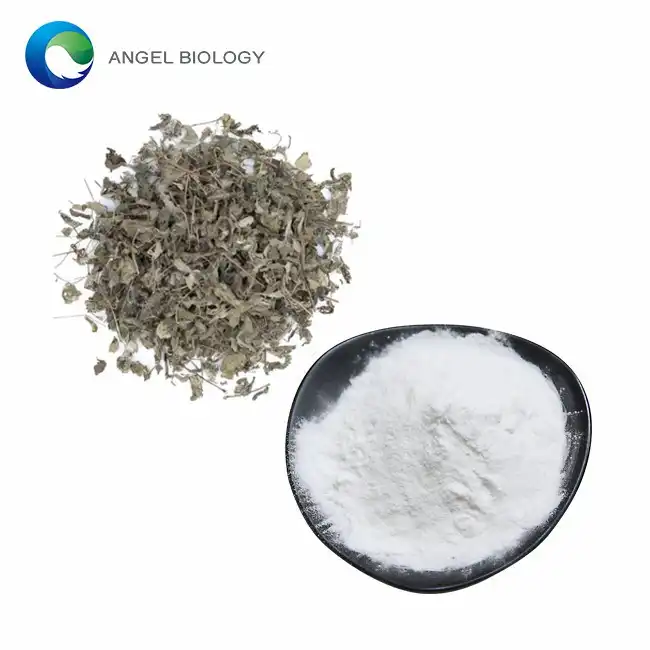
Powder forms offer the most formulation options and can be used to make pills, tablets, effervescent grains, and unique mixes with Ivy Leaf Extract. Powders of good quality dissolve easily in water and make solutions that are clear or slightly cloudy without any sediment. Because triterpene saponins are water-attracting, they need to be handled carefully. Pharmaceutical-grade powders use anti-caking agents like colloidal silicon dioxide and double-layer polyethylene bags with desiccants to keep moisture out. We make sure that the particle sizes are spread out evenly so that the flow stays the same during the capsule filling and pill crushing processes.
Capsule and Softgel Ready-to-Fill Solutions
Pre-encapsulated formats make production easier for brands that don't have their own equipment for encapsulation. When extract doses are precisely measured and put into gelatin or vegetarian capsules, processing steps and quality control work are cut down. Softgel solutions in oil matrices make lipophilic ingredients more bioavailable while keeping active ingredients that are sensitive to moisture safe. Capsule-ready solutions, on the other hand, usually come with higher prices and less flexibility in creation than raw powder ingredients.
Organic versus Conventional Options
The market for certified organic ivy-leaf extract goods keeps growing. This is especially true in North America and Europe, where people think that organic approval means better quality and caring for the environment. Organic extracts cost 30–50% more than regular ones, but this may be okay for expensive brands that want to set themselves apart. Conventional extracts that meet limits on pesticide residue can serve price-conscious groups without losing safety as long as they are checked properly. Buying choices should be in line with what the target market wants and how the business is positioned.
Sustainable and Ethical Procurement Practices
Environmental responsibility and ethical sourcing are becoming more and more important in buying decisions, thanks to companies' commitments to sustainability and rising consumer expectations.
Certification Programs Validating Sustainability Claims
There are a number of licensing programs that look at the social and environmental impacts of botanical sources. Synthetic inputs are limited by organic standards, which is good for soil health and wildlife. Fair Trade certifications make sure that workers and growers are paid fairly. Environmental effects, water management, and community well-being are all looked at by sustainability standards like the Rainforest Alliance. These programs make sure that marketing claims are true by confirming them with a third party. This lowers the risk of greenwashing. Suppliers who keep up with multiple certifications show a commitment that goes beyond just following the rules.
Transparent Supplier Relationships and Risk Mitigation
To build trust with providers, you need to be able to talk to them openly, agree on quality goals, and work together to keep getting better. When problems in agriculture come up, like growing diseases, bad weather, or changes to the rules, long-term relationships let people work together to find solutions. Being open about how crops are grown, how they are processed, and how much is available helps buyers make smart decisions and change their buying strategies before they go wrong. Regular performance reviews that talk about quality measures, delivery reliability, and timeliness help build relationships and find ways to make things better.
Emerging Technologies Enhancing Traceability
Digital technologies make the Ivy Leaf Extract supply chain more open and allow for the tracking of ingredients from the field to the finished product in a way that has never been done before. Blockchain platforms keep permanent records of ownership transfers, test results, and certifications that can be viewed by authorized parties at all points in the value chain. QR codes on packaging can be used to access full product histories that include information about where the product came from, when it was harvested, and analytical data. These technologies lower the risk of fraud, speed up probes into quality issues, and meet the needs of regulators who want better tracking. As stars in the industry start to use these systems, buyers should look at both the technological skills of a seller and their traditional quality standards.
Conclusion
To master the complicated supply chains for plant extracts, you need to build strong relationships with your suppliers, make sure the quality of your products is always checked, and be proactive about managing your compliance. Cost-effectiveness and quality assurance must be balanced in order for buying to go well. Certified suppliers who show technical knowledge and operating openness can help with this. The market for plant ingredients used in lung products is still growing, which is good news for brands that can set themselves apart by using high-quality Ivy Leaf Extract that is also good for the environment and follow all the rules. Procurement professionals can gain a competitive edge and meet customers' growing demands for natural, effective, and responsibly sourced ingredients by putting in place complete sourcing frameworks that include control of farming, analytical testing, and supply chain resilience.
FAQ
1. What typical dosage ranges apply for bulk formulations?
Standardized ivy-leaf extracts are usually made with 5 to 10 mg of extract per kilogram of body weight for liquid goods for kids and 25 to 50 mg per pill for supplements for adults. To make sure that dosing is the same from batch to batch, bulk formulas should take into account the drug-extract ratio and the goal triterpene saponin content.
2. How can buyers verify non-GMO and organic certifications reliably?
The first step in the verification process is to get original certification documents from recognized organizations such as the USDA, EU organic authorities, and the non-GMO Project. Compare certificate numbers with records from the issuing group. PCR research can be used by a third-party lab to find GMOs, which is independent proof. Periodic audits of suppliers that look at documentation trails and segregation practices give customers even more peace of mind.
3. What side effects should distributors monitor during the product lifecycle?
Even though it is usually well taken, some people may have hypersensitivity responses. Distributors should keep systems in place to report bad events and let suppliers and regulatory authorities know about any patterns. Putting warnings and directions on how to use a product correctly on its sticker can help lower risks. Post-market surveillance data should be used to keep checking for safety issues and making formulation improvements.
Partner with a Trusted Botanical Extract Supplier
At Angelbio, we are experts at providing top grade plant actives that come with full quality assurance and legal documentation. Vertical integration, which includes working with farmers and packaging the end product, makes sure that the standard of each batch is always the same and that we can always get what we need. We have worked on research and development with Xi'an Jiaotong University's Institute of Life and Health Research for more than 18 years, so we have access to the most up-to-date extraction and analysis tools. Our ISO quality systems and GMP-certified sites help meet the strictest legal needs in markets around the world. It doesn't matter if you're making syrups for kids, supplements for adults, or specialized lung goods; our expert team can help you with all of your formulation problems. Get in touch with us at angel@angelbiology.com right away to talk about your needs and find out why top makers choose Angelbio as their main source for Ivy Leaf Extract.
References
1. European Medicines Agency. (2017). Assessment report on Hedera helix L., folium. Committee on Herbal Medicinal Products.
2. Holzinger, F., & Chenot, J. F. (2011). Systematic review of clinical trials assessing the effectiveness of ivy leaf extract for acute upper respiratory tract infections. Evidence-Based Complementary and Alternative Medicine, Article ID 382789.
3. Schmidt, M., Thomsen, M., & Schmidt, U. (2012). Suitability of ivy extract for the treatment of pediatric cough. Phytotherapy Research, 26(12), 1942-1947.
4. Fazio, S., Pouso, J., Dolinsky, D., Fernandez, A., Hernandez, M., Clavier, G., & Hecker, M. (2009). Tolerance, safety, and efficacy of Hedera helix extract in inflammatory bronchial diseases under clinical practice conditions. Phytomedicine, 16(1), 17-24.
5. World Health Organization. (2010). WHO guidelines on good agricultural and collection practices for medicinal plants. Geneva: WHO Press.
6. Zeil, S., Schwanebeck, U., & Vogelberg, C. (2014). Tolerance and effect of an add-on treatment with a cough medicine containing ivy leaf dry extract on lung function in children with bronchial asthma. Phytomedicine, 21(10), 1216-1220.