



Papaya Extract Powder Guide: What It Is, How It’s Made, and Everyday Uses
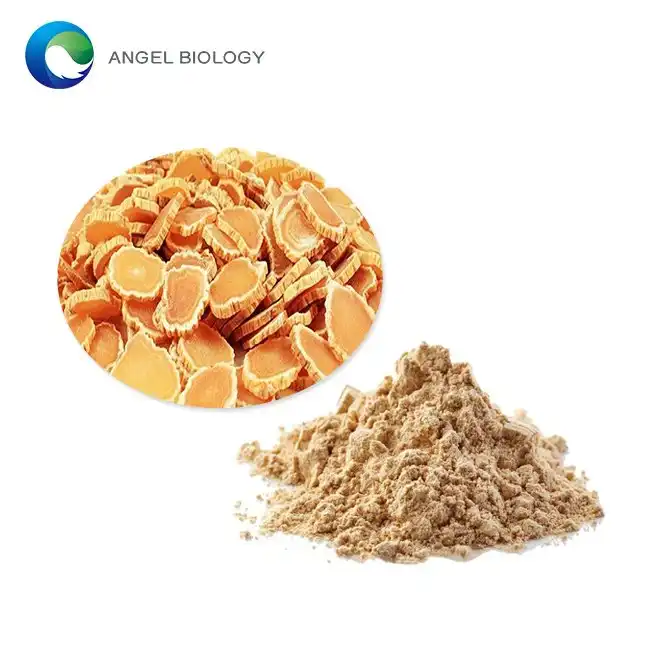
Papaya extract powder is a concentrated botanical ingredient from Carica papaya L., commonly standardized according to proteolytic enzyme activity, particularly papain and related enzymes. Unlike plain dried fruit powder, it may be spray-dried or freeze-dried using controlled processing to help preserve enzymatic activity and support batch-to-batch consistency. From nutraceuticals to cosmetics and functional foods, this plant-based ingredient has become a useful raw material for B2B formulators looking for clean-label positioning and measurable technical specifications.
What Papaya Extract Powder Actually Is
Origin and Botanical Source
Carica papaya is a tropical fruit that originated in Central America but is now cultivated in Asia, Africa, and South America. To make the extract, green papaya fruit pulp and, depending on the manufacturing process, latex-derived material may be used. Unripe fruit generally contains higher levels of papain-related enzyme activity than ripe fruit, making it a common botanical source for enzyme-oriented extracts.


Key Bioactive Compounds
The powder's characteristics come from its naturally occurring enzyme and phytochemical profile. Papain and chymopapain are two important proteolytic enzymes that can hydrolyze proteins under suitable conditions. Vitamin C, beta-carotene, folate, and naturally occurring polyphenols may also be present, depending on the plant material and extraction process. These components make papaya-derived ingredients relevant to health, beauty, and functional food formulations.
How It Differs from Raw Papaya Powder
Raw papaya powder is basically dried fruit with variable levels of naturally occurring enzymes. When papaya extract powder is manufactured to a defined specification, it may be standardized to a specified enzyme activity level so that each batch can be evaluated against the same quality criteria. Depending on the grade and regulatory status, standardized papaya-derived materials can be used in food, supplement, cosmetic, or other applicable product formulations.
How Papaya Extract Powder Is Made
Spray Drying vs. Freeze Drying
There are two common drying procedures used in commercial production. Spray-dried papaya extract generally offers good flowability, cost efficiency, and suitability for large-scale blending processes. Freeze-dried extract can help preserve certain heat-sensitive constituents and may provide a different color and physical profile, but it is often more expensive. Many B2B applications may be met using spray-dried grades, depending on the required enzyme activity, carrier system, and processing conditions.
Extraction and Concentration Process
Raw latex or fruit pulp may be collected, filtered, and processed under controlled temperature conditions. Papain is sensitive to heat, and excessive thermal exposure can reduce enzyme activity; therefore, processing conditions should be selected according to the specific raw material and target activity. The concentrated liquid is then dried and processed into a fine powder, with particle size controlled according to the intended application and supplier specification for capsules, powders, food matrices, or other formulations.
Quality Control at the Production Stage
Reputable producers use appropriate quality-management systems and analytical testing to evaluate enzyme activity, identity, and purity. Moisture content, ash content, bulk density, microbiological parameters, and other physical and chemical characteristics can also be specified according to the product grade. These technical factors are directly relevant for formulation chemists working with defined batch specifications and manufacturing tolerances.
Key Applications Across Industries
This ingredient is used across several markets, with each application depending on the enzymatic activity and overall composition of the selected grade. Here’s how each industry uses it:
- Nutraceuticals and Digestive Health Supplements: Papain is commonly included in digestive enzyme formulations because of its ability to hydrolyze proteins under suitable conditions. The appropriate amount depends on enzyme activity, serving size, formulation design, and applicable regulations. It can be formulated alongside other enzymes such as amylase and bromelain, although compatibility and stability should be evaluated in the complete formula.
- Cosmetic Formulations: The extract may be used in enzyme-based masks, cleansers, and exfoliating formulations because proteolytic enzymes can interact with proteinaceous material on the skin surface. This makes it relevant to exfoliating and skin-conditioning concepts, while the appropriate grade and concentration should be determined through formulation and skin-compatibility testing.
- Meat Processing and Functional Food: Papain can hydrolyze proteins and is therefore used or evaluated as a natural meat-tenderizing enzyme in suitable food-processing systems. Its performance depends on pH, temperature, enzyme activity, contact time, and the characteristics of the food matrix. Formulators and food processors should validate the desired processing effect under actual production conditions.
These categories correspond to the technical versatility of the ingredient in controlled applications. The same core material may be evaluated by an R&D director developing an enzyme-focused supplement or a food and cosmetic scientist working with enzyme-based formulations, with different standardized profiles and processing requirements.
Comparing Product Grades and Related Derivatives
Papaya Extract vs. Papain Enzyme Concentrate
Papaya extract powder can contain papain and other naturally occurring constituents, depending on the source and extraction process. Pure papain concentrate is processed specifically for higher or more defined proteolytic activity and may therefore be more suitable for applications requiring precise enzyme specifications. For digestive supplements, food processing, and cosmetics, the choice between a broader extract and a more concentrated enzyme ingredient depends on formulation objectives, activity requirements, cost, and documentation.
Green Papaya vs. Ripe Papaya Extracts
Enzyme-oriented applications commonly favor green papaya because unripe fruit generally contains higher papain-related enzyme activity. Ripe papaya contains different levels of carotenoids, vitamin C, and other fruit constituents and may therefore be considered for formulations where nutritional or botanical composition is more important than high proteolytic enzyme activity. The appropriate source should be selected according to the target specification and final application.
Organic vs. Conventional Grades
Organic-certified papaya extract may carry a premium price and can be relevant to natural beauty and clean-label supplement businesses targeting markets where organic certification is commercially important. For food processing and large-volume manufacturing, conventional grades may remain a practical alternative when organic certification is not part of the product requirements. Buyers should verify certification scope and documentation before making an organic claim.
How to Source Papaya Extract Powder for B2B Procurement
If you want to find a suitable source of papaya extract powder, don't just look at the price. When procurement teams source, these are the things they care about the most:
- Claims: Look for documentation confirming GMP, ISO, food-grade, or other applicable manufacturing and quality standards. Please make sure that applicable FDA requirements and organic certification requirements are addressed for the intended market and product category.
- Verification of Enzyme Activity: Ask for a CoA (Certificate of Analysis) that shows enzyme activity using the applicable analytical unit, such as USP or TU, and confirms the test method. Independent laboratory testing can provide additional verification when required.
- Stability Packaging: Because papaya-derived powders can be sensitive to moisture, they should be shipped in suitable moisture-protective packaging. Storage conditions should follow the supplier's validated recommendations. Minimum Order Quantities (MOQs) and Lead Times: Be clear from the start about minimum order quantities and lead times, especially for private-label or OEM development projects.
- Alternatives Without Carriers: If you want to use extracts in clean-label products, confirm whether the selected grade contains maltodextrin or another carrier, and request a carrier-free option when required by the formulation.
Formulation risk can be reduced when you choose a provider with clear paperwork, consistent supply, and technical R&D support. This is especially important when sourcing ingredients for regulated markets such as the US and EU.
Conclusion
Papaya extract powder is a versatile botanical ingredient used across several product categories, including digestive enzyme supplements, functional foods, and enzyme-based cosmetic formulations. Its value lies in defined enzymatic activity, botanical sourcing, formulation compatibility, and measurable quality specifications. For procurement teams evaluating natural ingredient suppliers, the key is finding a partner with verified quality controls, complete documentation, and the technical capability to support custom formulation needs from sample evaluation through scale-up.

FAQ
1. Does enzymatic activity degrade during high-temperature manufacturing?
Yes. Papain is heat-sensitive, and excessive thermal exposure can reduce its enzymatic activity. Processing conditions should therefore be selected according to the specific grade and intended application. Adding the powder after high-temperature processing or minimizing thermal exposure may help preserve activity. For baked applications, protective technologies can also be evaluated where enzyme activity needs to be retained.
2. How should the powder be stored to prevent caking?
Papaya extract powder may absorb moisture depending on its composition and carrier system. Store it in tightly sealed, moisture-protective packaging under supplier-recommended temperature and humidity conditions. Appropriate packaging and storage can help reduce caking and maintain handling properties during storage.
3. Is there a latex allergen concern?
Potential sensitivity should be considered when the raw material is derived from papaya latex or latex-containing material. Suppliers should clearly disclose the botanical source and processing route. Manufacturers should review the applicable allergen and labeling requirements for their target market and conduct an appropriate ingredient assessment when developing products for sensitive consumer groups.
4. What is the recommended dosage for digestive formulations?
There is no single universal dosage for papaya extract because the appropriate amount depends on enzyme activity, serving size, product format, formulation composition, and applicable regulations. Buyers should specify the required enzyme activity rather than relying only on powder weight when sourcing an enzyme-oriented material.
5. Does your papaya extract contain maltodextrin?
Some grades use maltodextrin or other carriers to improve drying, flowability, or handling. Carrier-free options may be available depending on the supplier and manufacturing process. Always confirm the complete ingredient specification and carrier declaration before purchasing.
Partner with Angelbio for Bulk Papaya Extract Powder Supply
Angelbio, backed by over 18 years of independent R&D in natural ingredients, offers papaya extract powder for nutraceutical, food, and cosmetic applications with quality documentation and batch traceability. As a papaya extract powder supplier, we support OEM programs, custom standardization, and carrier-free options where available. Reach our technical team at angel@angelbiology.com to request a sample or quotation today.

References
1. Rossini, K., et al. — "Papain: Properties, Applications and Biotechnological Aspects." Food and Bioprocess Technology, 2012.
2. Hewitt, H., et al. — "The use of papaya (Carica papaya) in wound healing." Wound Repair and Regeneration, 2000.
3. Amri, E., & Mamboya, F. — "Papain, a plant enzyme of biological importance: A review." American Journal of Biochemistry and Molecular Biology, 2012.
4. Dhandayuthapani, S., et al. — "Proteolytic activity of papain and its applications." International Journal of Scientific and Research Publications, 2019.
5. Sharma, N., et al. — "Carica papaya L.: A review of its phytochemistry and pharmacognosy." Asian Pacific Journal of Tropical Disease, 2014.
6. Savluchinske-Feio, S., et al. — "Stability and functional performance of spray-dried enzyme preparations for food applications." Journal of Food Engineering, 2016.