



Polygonum Cuspidatum vs Grape Resveratrol: Extraction Specs Compared
When evaluating natural resveratrol sources for your formulations, understanding the extraction specifications is essential. Polygonum cuspidatum extract powder typically delivers trans-resveratrol concentrations ranging from 50% to 99%, while grape-derived resveratrol generally offers lower concentrations depending on the extract specification. The root-based extraction from Polygonum cuspidatum can provide advantages in concentration, processing efficiency, and scalability compared with grape skin processing, making it an important option for nutraceutical manufacturers and cosmetic formulators seeking standardized resveratrol ingredients at commercially viable pricing.
Introduction
In today's competitive health ingredient industry, resveratrol source selection can influence formulation design and procurement decisions. Purchasing managers and R&D directors evaluate Polygonum Cuspidatum Extract Powder and grape-derived resveratrol as botanical sources with different raw materials, extraction processes, and accompanying compounds. Each option has advantages depending on the required specification and final application.
It takes more than comparing the certificate of analysis figures to grasp the extraction requirements. It entails understanding how solvent type, processing temperature, and purification procedure can influence batch-to-batch stability, composition, and uniformity. These technical factors affect how successfully your product can be formulated, meet quality requirements, and compete in the market.
We compare the most significant aspects for buying teams, formulation scientists, and quality inspection professionals while searching for resveratrol. This comparison considers purity, cost, and your brand's quality and commercial objectives to help you make informed sourcing decisions.


Understanding Polygonum Cuspidatum Extract Powder and Grape Resveratrol
Botanical Origins and Industrial Context
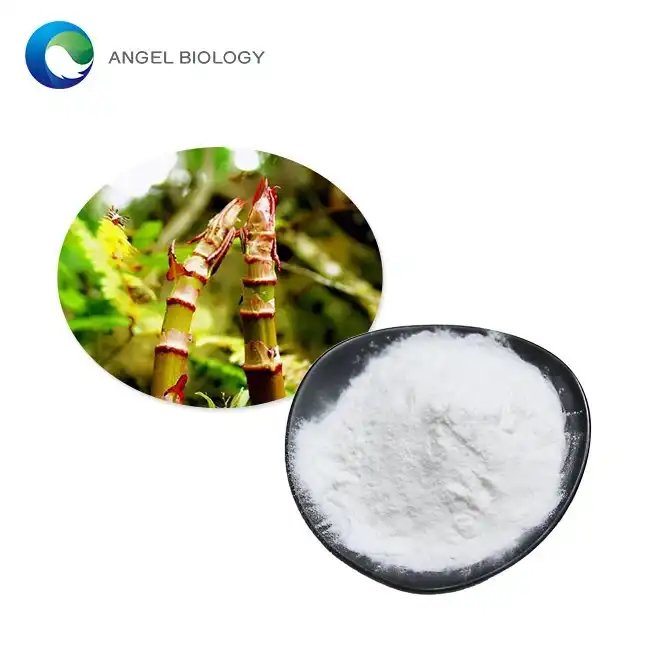
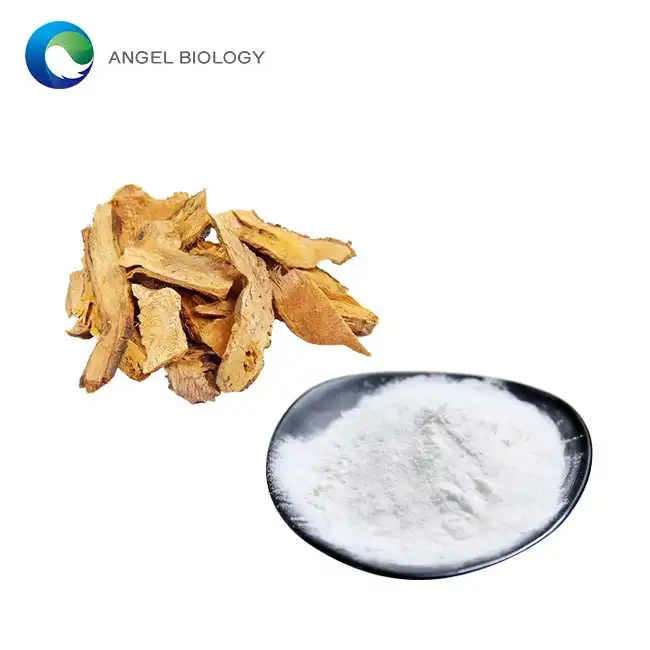
The main difference between these two forms of resveratrol is where the plant material comes from. Polygonum cuspidatum, also called Japanese knotweed or Giant knotweed, has a long history of traditional use in East Asia. Trans-resveratrol is one of the important polyphenolic compounds found in its rhizome and root materials and is of commercial interest for standardized botanical extracts.
Vitis vinifera, especially the skins and seeds of red grapes, is another natural source of resveratrol. This polyphenolic compound occurs naturally in grape tissues, with levels influenced by variety, cultivation conditions, maturity, and processing. Grape sources can provide strong natural-origin positioning, while the concentration of resveratrol in the starting material is generally lower than in Polygonum cuspidatum roots.
Extraction Background and Processing Approaches
Food-grade ethanol is commonly used as an extraction solvent for Polygonum cuspidatum, followed by concentration, purification, and crystallization steps. Advanced manufacturers may use chromatographic purification to reduce unwanted anthraquinones, including emodin, according to the specification required for the finished ingredient. High-purity grades can undergo additional purification and recrystallization to achieve a high trans-resveratrol assay while controlling specified impurities.
Grape extraction can be more challenging because the starting material may contain lower levels of resveratrol. Processors need to handle larger quantities of grape skins and seeds, which can influence production cost and processing requirements. Enzymatic pre-treatment may be combined with solvent extraction, followed by purification when a higher resveratrol concentration is required. Grape extracts can also contain other polyphenols and oligomeric proanthocyanidins, which may be useful for certain applications but can make standardization more complex.
Extraction Specifications Comparison: Core Dimensions
Purity Levels and Chemical Characterization
Before getting into the specifics, it's important to understand how purity levels affect ingredient handling and formulation flexibility. The concentration and specification of trans-resveratrol influence how accurately the ingredient can be dosed, how much powder is required, and how consistently the formulation can be reproduced.
Standard market types of polygonum cuspidatum extract powder come in a number of concentrations, including:
- 50% Trans-Resveratrol: This entry-level grade may appear as a brownish-yellow powder, suitable for functional foods and beverages where color is less critical. It can retain a broader profile of naturally occurring plant constituents, providing a botanical extract profile that some formulators prefer. The exact appearance and accompanying compounds depend on the raw material and extraction process.
- 98%+ Trans-Resveratrol: Premium high-purity material generally presents as an off-white to white fine powder with fewer residual plant components. This grade undergoes rigorous purification and is commonly standardized using HPLC analysis to achieve a high trans-resveratrol concentration. The CAS number 501-36-0 identifies trans-resveratrol, with the molecular formula C14H12O3 and a reported melting point around 253°C to 255°C. These defined physical and chemical characteristics can support precise formulation and quality control.
These purity requirements make it possible to perform accurate formulation calculations and establish consistent active-ingredient specifications. Grape-derived resveratrol extracts can have lower trans-resveratrol concentrations depending on the product specification, so higher inclusion rates may be required to deliver the same nominal amount of resveratrol. This can be a consideration in dosage forms with limited formulation space, such as capsules or sachets.
Solubility Characteristics and Formulation Implications
For good product development, it's important to understand how solubility works. Trans-resveratrol has very low water solubility, which can create challenges for aqueous formulations and influence the choice of delivery system. Because it has limited water affinity, formulation and processing strategies may be needed to achieve suitable dispersion and consistent incorporation into finished products.
The resveratrol in both forms has limited water solubility and can be handled differently depending on the selected solvent or delivery system. High-purity Polygonum cuspidatum extracts can be considered for micronization to reduce particle size and potentially improve dispersion characteristics. However, particle-size reduction does not by itself guarantee improved absorption. Liposomal encapsulation, complexation, and other delivery technologies can be evaluated when the formulation requires modified dispersion or delivery characteristics.
Trans-resveratrol's sensitivity to light is another important consideration when formulating. Exposure to light can promote isomerization and affect the balance between trans- and cis-resveratrol. Proper packaging, such as amber glass or light-blocking containers, can help limit light exposure during storage. Light exposure should also be minimized during processing where practical, and finished-product packaging should be evaluated for its ability to protect the ingredient throughout the intended shelf life.
Quality Control Standards and Testing Protocols
Quality testing helps separate experienced botanical extract suppliers from less consistent sources. For international procurement, appropriate analytical testing supports ingredient identity, purity, safety, and specification compliance. These quality criteria assist procurement teams in evaluating vendor capabilities and batch consistency.
Scientific testing commonly includes HPLC assay verification to determine trans-resveratrol content and monitor the resveratrol profile. ICP-MS or other validated analytical methods may be used for heavy metal testing according to the applicable specification. Pesticide residue analysis should follow the requirements and analytical methods relevant to the destination market rather than assuming one standard applies universally.
Residual solvent testing by gas chromatography (GC) can verify that extraction solvents such as ethanol or other permitted solvents remain within the applicable limits. Physical parameters such as bulk density, particle-size distribution, and moisture content may also be monitored to support consistent processing and handling. Advanced vendors may use HPTLC fingerprinting or other identity tests to verify botanical authenticity and help detect adulteration or substitution.
ISO 9001, GMP, and organic certifications, where applicable, can demonstrate systematic quality management and controlled manufacturing practices. These certifications can be useful indicators when evaluating pharmaceutical, nutraceutical, and cosmetic ingredient suppliers, but buyers should verify that each certificate applies to the specific manufacturing site, product, and intended market.
Performance and Health Benefits in B2B Applications
Antioxidant and Anti-inflammatory Properties
Resveratrol's biological activity in many research areas makes it valuable for ingredient development. Research has investigated trans-resveratrol for antioxidant and redox-related activity, supporting its use as an ingredient of interest in wellness and cosmetic formulations. These findings should be translated into product claims only when supported by evidence appropriate to the finished product and target market.
Bioactivity and composition can be influenced by extraction and purification conditions. High-quality Polygonum cuspidatum extracts can maintain defined trans-resveratrol specifications, supporting more consistent formulation calculations and quality control. Controlling emodin and other anthraquinones according to the product specification can also help manufacturers manage unwanted co-extractives and meet application-specific quality requirements.
Formulation scientists may explore these qualities in different applications. Resveratrol is investigated in dietary supplement research involving antioxidant and cellular pathways, while cosmetic formulators may use it in products positioned around skin appearance and protection from environmental stressors. Functional beverage companies may also consider resveratrol as a botanical antioxidant-related ingredient, although its low water solubility makes appropriate formulation and delivery strategies important.
Application-Specific Dosing Considerations
Product development requires extract concentration to match usage and delivery type. The appropriate amount depends on purity, product format, intended positioning, and regulatory requirements. Dietary supplement studies have investigated a range of resveratrol amounts, but a single universal serving level should not be treated as a guaranteed effective dose. A 250 mg portion of 98% trans-resveratrol contains approximately 245 mg of trans-resveratrol, while 490 mg of a 50% extract would provide approximately the same nominal amount.
This estimate considers production and formulation requirements, not simply math. Higher-purity extracts require less powder to deliver a specified amount of trans-resveratrol, allowing greater flexibility for smaller capsules or multi-ingredient formulations. A higher active-content ratio may also reduce the amount of powder that needs to be transported and stored.
Cosmetic formulas may use different trans-resveratrol concentrations depending on product type, stability, compatibility, and target positioning. Formulators should establish the appropriate concentration through compatibility and stability testing rather than relying on a universal range. High-purity material can provide greater flexibility when controlling color, texture, impurity levels, and active-ingredient concentration.
Procurement Considerations for B2B Buyers
Cost-Effectiveness and Supply Chain Reliability
Besides the price per kilogram for polygonum cuspidatum extract powder, buyers consider total cost of ownership, supply consistency, quality specifications, and long-term partnership value. When comparing resveratrol sources, these economic and operational factors should be considered alongside the nominal ingredient price.
Polygonum cuspidatum can provide a concentrated botanical source of resveratrol and may offer processing advantages compared with lower-concentration grape raw materials. Its cultivation and raw-material supply conditions vary by region and season, while grape-derived material can also be influenced by grape availability, variety, processing volumes, and market demand. Actual cost efficiency therefore depends on the specification, extraction yield, purification process, and supplier's production capacity.
Minimum order quantities (MOQ) vary widely among suppliers. Direct manufacturers may require larger orders, while specialist distributors may support smaller quantities. Volume commitments can affect per-unit pricing, but purchasers should measure potential savings against inventory costs, storage conditions, demand forecasts, and shelf-life requirements. Properly stored trans-resveratrol can remain stable for an extended period, but buyers should follow the supplier's validated storage and shelf-life specifications rather than assuming a universal 24-month period.
Supplier Evaluation and Certification Verification
Choosing reliable suppliers supports product quality and supply-chain planning. When completing due diligence, consider more than pricing and availability. Third-party audits or manufacturing facility inspections can provide insight into production capability and quality-system implementation. Documentation should provide appropriate traceability from raw materials through processing and packaging.
Target-market regulatory documentation varies. Before marketing an ingredient or finished product in the US, buyers should confirm the applicable FDA requirements and product- category rules. European commercialization may require assessment under relevant food, supplement, cosmetic, or Novel Food requirements. Pharmaceutical applications have additional regulatory and GMP expectations. Compliance should therefore be evaluated according to the specific product, intended use, and destination market.
Current customers' references may reveal a supplier's real-world performance. Check for batch uniformity, appropriate documentation, timely quality responses, and flexibility during supply shortages. Established suppliers should be able to discuss their quality systems, production capacity, and technical support capabilities.
Customization Opportunities and Partnership Models
Strategic suppliers provide more than raw materials. Brand owners may develop their own formulas, packaging, and private-label products to differentiate their offerings. Contract manufacturing agreements can allow companies without manufacturing facilities to launch products by using suppliers' formulation, regulatory, and production capabilities.
Technical collaboration is also crucial. Experienced suppliers may assist with formulation development, stability testing, analytical specifications, and regulatory documentation. This technical cooperation can accelerate product development and reduce unnecessary reformulation when early prototypes present compatibility or processing challenges.
Making the Right Choice: Polygonum Cuspidatum vs Grape Resveratrol
Matching Extract Properties to Product Requirements
Extracts must meet product requirements. High-purity Polygonum Cuspidatum Extract Powder provides a concentrated source of trans-resveratrol and can offer useful flexibility for precise formulation and standardized botanical products. Its plant-derived origin may also fit brands seeking botanical or clean-label ingredient positioning, subject to the requirements of the target market.
Grape resveratrol may be selected for products where grape origin and broader grape-polyphenol positioning are commercially valuable. Product development choices should consider the concentration of trans-resveratrol, accompanying compounds, color, flavor, extraction method, and required inclusion rate. When purified trans-resveratrol is standardized, the molecule itself has the same chemical identity regardless of whether the original botanical source was Polygonum cuspidatum or grape.
Color, flavor, and formulation compatibility are important considerations for functional food and beverage purposes. High-purity extracts generally contain fewer accompanying plant compounds, while lower-purity extracts may contribute more color and characteristic botanical notes. Different delivery strategies may be required for either plant source because trans-resveratrol has limited water solubility. For many applications, specification, purity, stability, and formulation compatibility may be more important than botanical origin alone.
Anticipating Future Trends and Regulatory Evolution
New technology and regulations continue to transform the plant extract industry. New extraction techniques may use approaches designed to reduce conventional solvent consumption, including supercritical CO2 or subcritical water where technically suitable. Brands with sustainability objectives may evaluate these approaches alongside extraction yield, cost, scalability, and product quality.
As authorities continue to evaluate plant constituents, regulatory requirements can change. Heavy metal and pesticide residue testing remain important considerations for international botanical sourcing. Some botanical ingredients may require additional regulatory assessment in specific markets, including Novel Food considerations in the European Union. Active suppliers monitor relevant regulatory developments and adjust documentation or manufacturing procedures when required.
Supply-chain transparency initiatives such as digital batch tracking can help address growing demand for traceability. Innovative vendors may provide information on plant origin, production batches, and processing stages. These systems can improve procurement visibility and provide useful documentation for internal quality management and customer requirements.
Conclusion
In the end, the decision between polygonum cuspidatum extract powder and grape resveratrol comes down to your unique needs, quality standards, and business goals. For many nutritional and cosmetic applications, Polygonum cuspidatum can be an attractive option because it is available in high-concentration specifications and can support precise trans-resveratrol standardization. The concentration of trans-resveratrol in the plant material can also provide useful advantages for formulation efficiency and procurement planning.
However, grape resveratrol may be preferred for specific product concepts where grape origin or a broader botanical profile adds commercial value. Trans-resveratrol has the same molecular identity when it is isolated and properly characterized, regardless of botanical source. When buying an ingredient, extraction specifications, analytical controls, stability data, documentation, and supplier reliability should therefore be considered alongside the plant's origin.
To find good providers of ingredients, you need to form relationships with suppliers that demonstrate technical knowledge, a commitment to quality, and responsive service. Putting the time and effort into carefully evaluating suppliers can reduce quality risks, improve confidence in documentation, and support consistent product development and long-term procurement.
FAQ
1. What distinguishes Polygonum Cuspidatum Extract Powder from synthetic resveratrol?
Botanical extracts from Polygonum cuspidatum can have natural isotope profiles that may be evaluated using carbon-14 testing when origin verification is required. This can help distinguish naturally derived material from certain synthetic sources and may be relevant to clean-label positioning and market-specific requirements. Some formulators value the additional plant constituents present in lower-purity botanical extracts, while high-purity Polygonum-derived trans-resveratrol can be highly refined. The appropriate choice depends on the desired specification, application, labeling strategy, and target market.
2. How do extraction methods affect resveratrol stability and bioavailability?
Extraction conditions can influence the composition and stability of resveratrol extracts. Controlled ethanol extraction and suitable temperature management can help maintain the desired trans-resveratrol profile, while excessive heat or light exposure may increase the risk of isomerization. Purification can also reduce unwanted co-extracted compounds and support a more consistent specification. Bioavailability is influenced by the physicochemical properties of resveratrol and the finished delivery system, so micronization, liposomal encapsulation, and cyclodextrin complexation may be evaluated according to the specific formulation. These technologies should be validated in the finished product rather than assumed to guarantee improved absorption.
3. What certifications should B2B buyers prioritize when selecting suppliers?
ISO 9001 certification shows that quality management is organized through defined systems, while GMP certification can demonstrate controlled manufacturing practices where applicable. Organic certification is important for products making certified-organic claims, while HACCP supports food-safety management. Buyers should request current certificates and verify that they apply to the relevant manufacturing site and product. Additional documents such as batch-specific CoAs, specifications, testing reports, traceability records, and stability data can provide a more complete basis for supplier evaluation.
Partner with Angelbio for Premium Resveratrol Solutions
Angelbio supplies polygonum cuspidatum extract powder with defined quality specifications and technical support for nutraceutical, cosmetic, and functional food applications. Backed by over 18 years of research and development experience in natural ingredients, we provide controlled manufacturing and analytical testing to support consistent ingredient quality. Our facility follows relevant ISO practices and established quality-control procedures, while customization options can include particle-size specifications, purity targets, packaging formats, and private-label solutions.

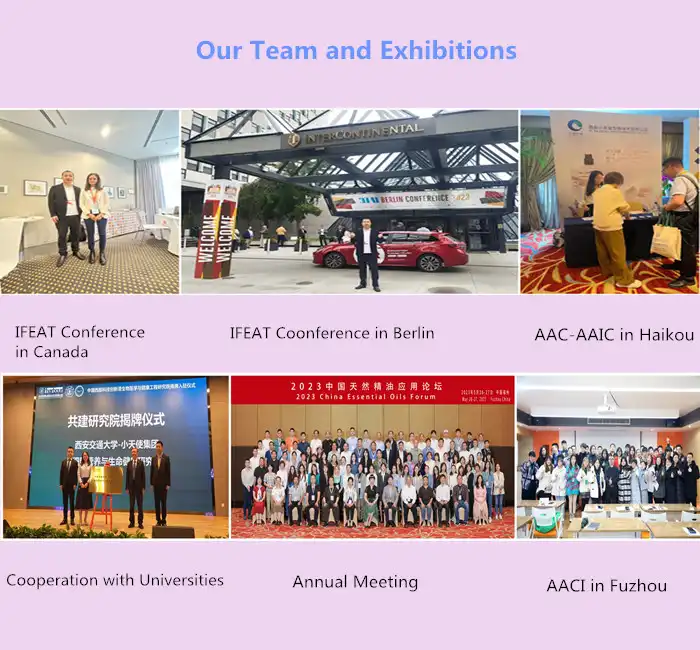
Through our partnership with the Institute of Life and Health Research at Xi'an Jiaotong University, we support continued research into botanical extraction technologies and ingredient characterization. Our technical team can assist customers with formulation evaluation, quality documentation, stability considerations, and application-specific sourcing requirements. Whether you're developing functional foods, cosmetics, or dietary supplements, we can work with your team from ingredient selection through commercial supply.
To get certificates of analysis, specification sheets, samples, and competitive pricing for large orders, email our procurement specialists at angel@angelbiology.com. We'd welcome the opportunity to discuss your required trans-resveratrol specification, target application, packaging needs, and supply volume.
References
- Burns, J., Yokota, T., Ashihara, H., Lean, M. E., & Crozier, A. (2002). Plant foods and herbal sources of resveratrol. Journal of Agricultural and Food Chemistry, 50(3), 3337-3340.
- Baur, J. A., & Sinclair, D. A. (2006). Therapeutic potential of resveratrol: the in vivo evidence. Nature Reviews Drug Discovery, 5(6), 493-506.
- Walle, T. (2011). Bioavailability of resveratrol. Annals of the New York Academy of Sciences, 1215(1), 9-15.
- Patel, K. R., Scott, E., Brown, V. A., Gescher, A. J., Steward, W. P., & Brown, K. (2011). Clinical trials of resveratrol. Annals of the New York Academy of Sciences, 1215(1), 161-169.
- Amri, A., Chaumeil, J. C., Sfar, S., & Charrueau, C. (2012). Administration of resveratrol: What formulation solutions to bioavailability limitations? Journal of Controlled Release, 158(2), 182-193.
- Wang, D., Zhao, J., Li, S., Shen, G., & Hu, S. (2017). Quantitative analysis of trans-resveratrol and trans-piceid in Polygonum cuspidatum by HPLC. Journal of Pharmaceutical Analysis, 7(3), 204-208.