



PS20 vs PS50 vs PS70: Which Phosphatidylserine Powder Grade to Choose?
Choosing the right quantity of phospholipids is crucial for how well the product works. When picking between PS20, PS50, and PS70 types of Phosphatidylserine Powder, you should think about how it will work in your recipe, what your target market wants, and how much it will cost. PS20 is a good starting point for brain support items, PS50 is the standard for nutraceuticals, and PS70 is the most powerful option for specific uses. Each grade has its own benefits when it comes to bioavailability, recipe stability, and regulation compliance. This is why it is important to do your research before buying.
Introduction
Phosphatidylserine is a protein that is essential for the shape and function of cell membranes. It has become very popular in the nutraceutical, skincare, and functional food industries as a useful element. The Phosphatidylserine Powder form gives formulators many options because it can be used in pills, tablets, drinks, and on the skin.
When buying this ingredient for business use, they have to make a big choice: which concentration level fits with their product plan? There are three main grades: 20%, 50%, and 70% pure. Each has its own cost, effectiveness, formulation behaviour, and market position. To keep their competitive edge and improve product development, procurement managers, R&D leaders, and formulation scientists need to know about these differences.
As the world's population ages and more people learn about cognitive wellness, the demand for brain health ingredients keeps growing. Clinical studies have indicated that Phosphatidylserine is at the forefront of this movement and that it has functional effects. Picking the right grade affects not only how well the product works, but also how quickly it can be made, how long it lasts on the shelf, and how it is approved by regulators in different places.
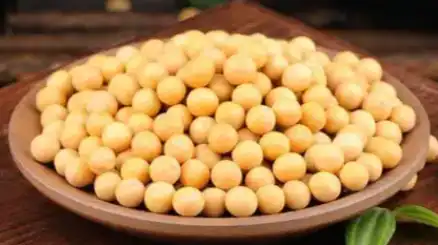
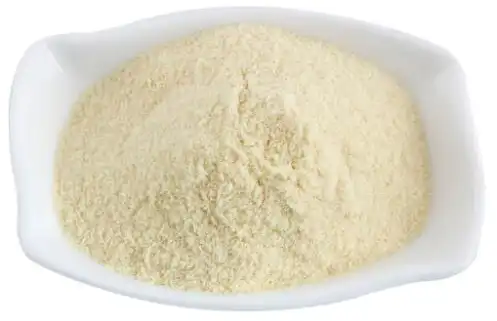
Understanding Phosphatidylserine Powder Grades: PS20, PS50, and PS70
The amount of active Phosphatidylserine in each grade is shown by the number assigned to it. Phosphatidylserine makes up about 20% of PS20. The rest of the substance is made up of other phospholipids and transport materials. PS50 has 50% active ingredients, and PS70, with 70% purity, is the highest market quantity.
Manufacturing Process Distinctions
The way each grade is made has a big effect on its quality traits. Chemical separation has mostly been replaced by modern enzymatic conversion methods, which produce cleaner lipid profiles with fewer impurities like phosphatidic acid. The starting material, which is usually sunflower or soy lecithin, is changed by enzymes to make it contain more Phosphatidylserine. Sunflower-derived varieties are non-GMO and allergen-free, which makes them very appealing for clean-label products aimed at the North American and European markets.
For higher concentration grades, the cleaning steps need to be more thorough and include chromatography and other specialised separation technologies. This extra preparation changes both the cost and the physical features. Higher lipid concentrations make PS70 more likely to oxidise if it is not treated properly, so tighter quality control rules are needed to keep it stable.
Physical and Chemical Properties
Each grade has its own physical properties that change how formulations work. All grades have a fine Phosphatidylserine Powder that looks anywhere from light yellow to light brown. There are big differences in how they dissolve: none of them dissolve straight in water, but under the right conditions, they all form liposomal dispersions. Because it is amphiphilic, Phosphatidylserine works well with liposomal capsule technologies, which make co-formulated nutrition more bioavailable.
The particle size range is usually between 40 and 80 mesh, but special cutting requirements can be made for certain uses. Hygroscopicity goes up with concentration, so it needs to be stored in a climate-controlled area to keep it from caking and keep it flowing. Formulation scientists can guess how a substance will behave during the mixing, compression, and encapsulation processes when they know about these qualities.
Comparing PS20, PS50, and PS70: Performance and Effectiveness
Clinical study is the basis for figuring out how functional changes between grades affect people. Researchers have mostly used daily doses of 100 mg to 300 mg of pure Phosphatidylserine to look at how it affects brain function, the stress response, and memory recall.
Bioavailability and Dosage Considerations
Higher-grade Phosphatidylserine Powders allow for lower effective doses that still have the same biological effects. When using PS70, 143 mg of the ingredient is needed to give 100 mg of active Phosphatidylserine, but 500 mg is needed when using PS20. The difference in size affects the weight and size of the capsules and, in the end, the behaviour of the customer. When making sports nutrition for athletes, companies often choose PS50 or PS70 because they have smaller serving amounts but more brain and stress-relieving effects.
According to research, Phosphatidylserine is absorbed through the lymphatic routes. Its bioavailability is affected by the type of fatty acids it contains and its preparation matrix. Products that contain both Phosphatidylserine and omega-3 fatty acids are better absorbed, which is something that should be thought about for healthy drinks and softgels.
Safety and Regulatory Status
When used within the guidelines given, all three types have good safety ratings. In the United States, the ingredient is generally recognised as safe (GRAS) for certain uses, with maximum amounts of use set by product group. In the same way, European rules allow it to be used in dietary products and foods that have been fortified, but certain claims must be backed up by approved health claim routes.
Source material allergies (soy-based forms) and rare stomach problems from high doses are two things that could be a problem. More and more, companies that want to appeal to sensitive consumers choose grades made from sunflowers to get rid of allergy risks and boost their "clean label" image.
Procurement Considerations for B2B Buyers: Selecting the Right Grade
When making strategic buying choices, you need to look at a lot of things besides just the unit cost. The grade level you choose will depend a lot on the people you want to reach. PS20 works well with entry-level cognitive support goods aimed at general health customers because they offer cost-effective formulations at reasonable prices.
Target Market and Product Positioning
Premium nutritional lines aimed at health-conscious people aged 50 and up can benefit from PS50 or PS70. Higher strength backs up stronger claims of efficacy and helps set products apart. More and more, sports nutrition companies that make pre-workout or recovery formulas are using PS70 to reduce dose amounts and make labels look better by putting more active ingredients on them.
Functional uses in food and drinks have their own set of problems to solve. To make sure that liquid materials don't change taste or disperse unevenly, they need to be carefully graded. Because PS20 is less concentrated, higher inclusion rates may be needed, which could change the flavour profiles. PS50 is often the best mix for people who make drinks because it has the right amount of strength without having too many lipids, which could change the way the drink tastes or make it unstable.
Cost Analysis and Volume Planning
The prices of the different types are very different, with PS70 being the most expensive because it is so hard to make. Bulk buying deals can save you a lot of money, especially for makers whose volume needs are predictable. We've seen that yearly contracts with orders every three months help keep prices stable and make sure that brands can keep getting supplies, which are very important for brands that are growing quickly.
When assessing providers, proof of certification is very important. Certifications like ISO 9001, FSSC 22000, and GMP show that quality control is done in a planned way. Also, make sure that the sellers give you full Certificates of Analysis (CoAs) that include HPLC-ELSD assay proof, solvent residue testing (especially for ethanol and hexane), peroxide values, and ICP-MS heavy metal screens. These technical specs have a direct effect on how well products are made and how well they follow regulations around the world.
How to Integrate Phosphatidylserine Powder into Your Products?
To make a good formulation, you need to know how each grade will react in different transportation methods. Because the Phosphatidylserine Powder doesn't like water, it needs to be handled in a certain way to keep it uniform and stop it from separating during production.
Formulation Strategies for Different Delivery Forms
When it comes to use, capsule versions are the easiest. Direct sealing works well for all grades, but PS70 might need flow agents like silicon dioxide to keep automatic equipment from crossing. When making tablets, you need to be more careful because the oil content can make them stick to the punch faces when they are compressed. This problem can be fixed by using direct compression grades with extra ingredients, or makers can use magnesium stearate or stearic acid to make sure the right lubrication methods are used.
Emulsification methods are needed to make stable dispersions for use in beverages. Using carriers like maltodextrin or modified carbs together with water makes it easier for the water to spread out. Instead, liposomal transport methods use Phosphatidylserine's natural ability to form vesicles to make the drug more stable and available to cells. This method is becoming more popular in functional drink recipes that aim to improve brain function and help people deal with stress.
Quality Control and Stability Management
During storage and shelf life, oxidative stability is still the most important thing to think about. Values of peroxide must be checked regularly, and standards usually call for values below 5–10 meq/kg. As part of our quality standards, we fill the packages with nitrogen and add natural vitamins like mixed tocopherols to make the food last longer. Temperatures should stay 25 °C below during storage, and the surroundings should be low in humidity. Double LDPE liners should be used inside fibre drums to protect against wetness.
Making the Final Decision: Which Grade Suits Your Business Best?
Systematic review factors help make the process of making decisions more organised. When comparing grades for your unique use, keep these measurements in mind.
Decision Framework
The selection of grades is based on standards for purity. Pharmaceutical uses need the best standards, so PS70 is the obvious choice, even though it costs a lot. When it comes to balancing effectiveness with market competitiveness, nutraceutical brands usually choose PS50 because it offers great performance at a modest cost. PS20 is a good supplement for supplement lines that want to meet basic effectiveness standards while keeping prices low for price-sensitive market groups.
Formulation compatibility testing should include small-scale tests that check for stability, dissolving, and even mixing under fast conditions. This investment keeps expensive delays from happening during reformulation and ensures that the product performs as expected throughout its shelf life.
Strategies for placing Phosphatidylserine Powder in the market must be in line with the grade choice. Brands that stress the high quality and clinical effectiveness of Phosphatidylserine Powder can include PS70 by telling better marketing stories that are backed up by dose benefits and purity claims. For mainstream brands to have fair-value offers of Phosphatidylserine Powder, they need to be able to show that PS50 works without charging too much, which would stop it from reaching more people in the market.
Supplier Partnership Considerations
In addition to product specs, a supplier's skills have a big effect on long-term success. During formulation development, technical support services are very helpful because they help solve problems with stability and find the best processing factors. Angelbio's team offers focused help throughout the product development process, drawing on more than 18 years of study in natural ingredient technology.
You can't say enough good things about how reliable the supply chain is, especially for names that are growing or whose demand changes with the seasons. Make sure that your source keeps enough extra goods on hand and has backup plans in case something goes wrong with production. Complete documentation, such as regulatory dossiers, allergen statements, and environmental certificates, speeds up regulatory applications in many places.
Conclusion
Grade choice has a big impact on how well a product works, how efficiently it is made, and how competitive it is in the market. PS20 is good for applications that need simple cognitive help and are on a tight budget. PS50 is the workhorse of the business; it strikes a good balance between effectiveness, cost, and recipe flexibility for most nutraceutical uses. PS70 gives the best performance for specialised goods that focus on maximum strength and low dosage needs. Your best option will rely on your target audience, how you place yourself in the market, government rules, and your manufacturing skills. Partnering with experienced suppliers who offer full technical support, strict quality control, and reliable supply chain management is the best way to make sure that product development and launch go smoothly across all global markets.
FAQ
1. What distinguishes PS20, PS50, and PS70 in practical terms?
The main difference is the amount of active Phosphatidylserine present—20%, 50%, and 70%, respectively. This difference impacts the amount that needs to be taken, how the mixture acts, how much it costs, and finally where the product stands in the market.
2. Which grade should I choose for cognitive support supplements?
The PS50 dose is the best mix for most cognitive support uses because it is strong enough for successful dosing while still being affordable. For higher-end goods aimed at picky buyers, PS70 may be justified for stronger claims of effectiveness and smaller serving amounts.
3. Are there safety differences among grades?
All grades have good safety records when used according to the rules that have already been set. The difference in content doesn't change the safety of the drug itself, but better grades need smaller amounts to have the same effects, which could lessen the minor digestive effects that can happen when too much is taken.
4. How do soy-derived and sunflower-derived versions compare?
The Phosphatidylserine molecule works the same way no matter where it comes from. Sunflower-derived products are better for clean label positioning because they don't contain soy allergens and aren't genetically modified. This is true even though they usually cost more than soy-derived products.
5. Can these grades be used in beverage formulations?
Yes, but the right emulsification methods are needed for good beverage integration. Because they have less lipid, PS20 and PS50 usually work better in wet uses. All grades are more stable and feel better when they are co-processed with dispersibility boosters or liposomal transport technologies.
Partner with Angelbio for Premium Phosphatidylserine Powder Solutions
Angelbio provides high-quality Phosphatidylserine in all concentration grades (PS20, PS50, and PS70), backed by thorough legal paperwork and rigorous analytical proof. Angel Holding Group and Xi'an Jiaotong University's Institute of Life and Health Research both put money into our unique business. We have 18 years of independent research and development experience and can make things in advanced ways. Our technical team helps you create new formulations by giving you method validation techniques, stability testing advice, and suggestions based on your unique needs. We offer consistent quality, reasonable pricing, and quick customer service for bulk Phosphatidylserine Powder supply, whether you're working on nutraceuticals, healthy foods, or cosmetics. Email our team at angel@angelbiology.com to get technical specs, set up shipping of samples, or talk about unique solutions that will meet your specific buying needs.
References
1. Glade, M. J., & Smith, K. (2015). Phosphatidylserine and the human brain. Nutrition, 31(6), 781-786.
2. Kingsley, M. (2006). Effects of phosphatidylserine supplementation on exercising humans. Sports Medicine, 36(8), 657-669.
3. Jorissen, B. L., Brouns, F., Van Boxtel, M. P., & Riedel, W. J. (2002). Safety of soy-derived phosphatidylserine in elderly people. Nutritional Neuroscience, 5(5), 337-343.
4. Richter, Y., Herzog, Y., Lifshitz, Y., Hayun, R., & Zchut, S. (2013). The effect of soybean-derived phosphatidylserine on cognitive performance in the elderly with subjective memory complaints. Clinical Interventions in Ageing, 8, 557-563.
5. Vakhapova, V., Cohen, T., Richter, Y., Herzog, Y., & Korczyn, A. D. (2010). Phosphatidylserine containing omega-3 fatty acids may improve memory abilities in non-demented elderly people. Dementia and Geriatric Cognitive Disorders, 29(5), 467-474.
6. Hirayama, S., Terasawa, K., Rabeler, R., Hirayama, T., Inoue, T., Tatsumi, Y., & Purpura, M. (2014). The effect of phosphatidylserine administration on memory and symptoms of attention-deficit hyperactivity disorder. Journal of Human Nutrition and Dietetics, 27(2), 284-291.